
Tips: How To Clean Granite Kitchen Sink Safely & Well
No, you cannot use harsh chemicals like bleach or ammonia on a granite sink. These can damage the surface and remove its shine. The best way to clean a granite sink is to use mild soap and water daily. You should also do occasional deep cleaning with specific gentle products. This approach keeps your sink looking new and protects its strong surface for many years.
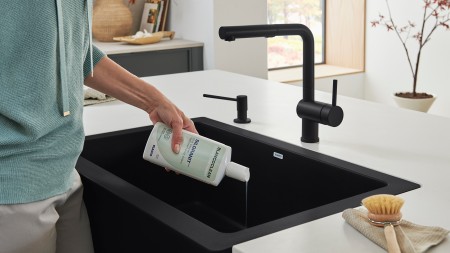
Image Source: cdn.blanco.com
Why Your Granite Sink Needs Special Care
Granite kitchen sinks are very popular. They look nice and last a long time. These sinks are usually made from a mix. This mix includes granite stone dust and strong resins. This makes them very durable. They can resist scratches, chips, and heat. Still, they need the right care. Wrong cleaning can harm their surface. It can make them look dull. It can also cause stains. Proper care keeps them beautiful and working well.
What is a Granite Composite Sink?
A granite composite sink is not just a solid piece of granite. It is made from about 80% natural granite stone. The other 20% is usually a tough acrylic resin. This mix gives the sink its strength. It also makes it less porous than natural granite. This means it is less likely to absorb liquids. This helps prevent stains. This special blend means you must use certain cleaning methods. You need to protect the resin binder. You also need to protect the stone particles.
Daily Care for a Bright Sink
Daily granite sink care is key. It keeps your sink clean and stops problems. A little effort each day saves a lot of work later. This simple routine will help your sink stay bright. It will prevent stains from forming.
Simple Steps for Every Day
- Rinse After Each Use: Always rinse your sink after using it. This washes away food bits. It removes soap scum. Use warm water. Make sure no food or liquid is left.
- Wipe Down with Mild Soap: After rinsing, wipe the sink. Use a soft cloth. A microfiber cloth works best. Add a few drops of mild dish soap to the cloth. Gently wipe all surfaces. This removes any film or light dirt.
- Dry to Prevent Spots: Drying is very important. Use a clean, dry cloth. Wipe the entire sink dry. This stops hard water spots. Hard water leaves mineral marks. These spots are tough to remove later. Drying prevents them. This simple step keeps your sink looking clean and shiny.
Quick Tips to Keep It Clean
- Avoid Letting Food Sit: Do not leave food in the sink. Coffee grounds, tea bags, and red wine can stain. Clean them up quickly.
- Use a Sink Protector: Place a grid or mat in the bottom. This protects the sink from scratches. It also stops heavy pots from chipping the surface.
- Rinse After Cleaning Veggies: Some vegetables, like beets, can stain. Rinse the sink well after prepping them.
Deep Cleaning for a Sparkling Finish
Deep cleaning your granite sink gives it a fresh look. It takes care of dirt that builds up over time. This process is important for all granite sinks. It is especially vital for a deep cleaning black granite sink. Darker sinks can show more marks.
Basic Deep Clean Routine
Do this once a week or as needed.
- Empty the Sink: Take everything out of the sink. Remove dishes, sponges, and sink protectors.
- Mix Soap and Warm Water: Get a small bowl. Mix a few drops of mild dish soap. Add warm water.
- Scrub Gently: Dip a soft brush or cloth in the mix. Scrub the entire sink surface. Pay attention to corners. Also scrub around the drain. Work in small circles. This helps lift grime.
- Rinse Well: Rinse the sink thoroughly. Use clean, warm water. Make sure all soap is gone. Soap residue can dull the finish.
- Dry Thoroughly: Dry the sink completely. Use a clean, soft towel. This stops new water spots. It also helps reveal a clean, streak-free surface.
Bringing Back the Shine to Black Sinks
Black granite sinks can look dull easily. Hard water spots show up more. Dust and light scratches also stand out. To make them shine, use mineral oil.
- Clean and Dry: First, deep clean the black sink. Make sure it is completely dry.
- Apply Mineral Oil: Put a small amount of mineral oil on a clean cloth.
- Rub In: Rub the oil into the sink surface. Do this in circles. Cover the entire sink. The oil will fill tiny gaps. It will make the color richer. It also helps hide small marks.
- Wipe Off Excess: After a few minutes, wipe off any extra oil. Use a clean, dry cloth. Your black sink will look vibrant and new. This also adds a layer of protection. It helps repel water and stains.
Removing Stubborn Stains
Even with good care, stains can happen. Knowing how to remove hard water stains from granite sink is important. Different stains need different fixes.
Tackling Hard Water Spots
Hard water spots look like white, cloudy marks. They are mineral deposits. They come from water that dries on the sink.
- Vinegar Solution: Mix equal parts white vinegar and water. Put this mix in a spray bottle. Spray it on the hard water spots. Let it sit for 5-10 minutes. Do not let it sit too long. Vinegar is acidic. Rinse well with warm water. Dry with a soft cloth.
- Baking Soda Paste: For tougher spots, make a paste. Mix baking soda with a little water. Apply the paste to the spots. Let it sit for 15-20 minutes. Gently scrub with a soft brush. Rinse completely. Dry the sink. This is a safe and effective method.
Other Common Stains
- Oil and Grease Stains: For oil, use a few drops of mild dish soap. Apply it directly to the stain. Rub gently with a soft cloth. Rinse well with warm water. Dry completely.
- Food Stains (Coffee, Tea, Wine): Make a paste from baking soda and water. Apply it thickly over the stain. Cover it with plastic wrap. Let it sit for a few hours. Or leave it overnight. The baking soda will pull out the stain. Remove the wrap. Scrub gently. Rinse thoroughly.
- Rust Stains: These come from metal items left in the sink. Mix lemon juice with a little salt. Make a paste. Apply a small amount to the rust spot. Let it sit for only a few minutes. Lemon juice is acidic. It can harm the sink if left too long. Gently scrub. Rinse very well. Use this method with great care. Test it in a hidden spot first.
Natural Solutions for a Green Clean
Natural remedies for granite sinks are safe. They are also gentle. They avoid harsh chemicals. These can harm your sink and the environment.
Vinegar and Water Mix
- For General Cleaning: Mix 1 part white vinegar with 1 part water. Use this mix for daily wiping. It helps cut through grease. It also kills germs. Spray it on the sink. Wipe with a soft cloth. Rinse and dry.
- For Mild Hard Water: This mix works well on new hard water marks. Spray, let sit for a bit, then rinse.
Baking Soda Paste
- For Scrubbing: Baking soda is a gentle abrasive. It can scrub away grime. Mix it with water to form a paste. Use it on stubborn areas. It will clean without scratching.
- For Stains: As mentioned before, baking soda paste is great for pulling out stains. Its natural properties lift dirt.
Lemon Juice (use with caution)
- Lemon juice is good for bleaching. It can brighten light-colored granite. Mix it with salt for rust stains.
- Caution: Lemon juice is acidic. Do not use it often. Do not leave it on the sink for long times. Always rinse very well after using it. It can dull the sink’s finish if used incorrectly.
Choosing the Right Cleaners
Selecting the best cleaner for composite granite sink is important. You want products that clean well without causing damage.
Best Options for Your Sink
- Neutral pH Dish Soap: This is your go-to cleaner. Liquid dish soap like Dawn or Palmolive is gentle. It cleans grease and grime without harming the surface. Always check that it’s pH neutral.
- Specific Granite Cleaners: Many brands make cleaners just for granite. These are pH balanced. They are designed not to strip the sealant. They often leave a streak-free shine. Look for labels that say “safe for granite” or “granite cleaner.”
Products to Avoid
- Harsh Chemicals: Never use bleach, ammonia, or oven cleaners. These can break down the resin in your composite sink. They can also strip the sealant. This makes your sink open to stains.
- Abrasive Cleaners: Avoid scouring powders or steel wool. These can scratch the surface of your granite sink. Even soft scrub brushes should be used gently.
- Acidic Cleaners: Stay away from cleaners with strong acids. This includes things like rust removers not made for granite. They can etch the surface. This means they eat away at the top layer.
Specialized Products for Granite
Specialized granite cleaning products can offer extra benefits. They do more than just clean.
- Granite Cleaner Sprays: These are easy to use. They often come in a spray bottle. They clean and can add a light shine. They are usually pH neutral. Brands like Weiman Granite Cleaner or Stone Care International are popular choices. They clean, polish, and protect.
- Granite Polishes and Enhancers: These products are for restoring shine. They are applied after cleaning. They can make your sink look richer. They also add a protective layer. This helps prevent future stains. Some polishes contain oils. These are great for deep cleaning black granite sink surfaces. They make the black look deeper and hide minor imperfections.
- Granite Sealers: These are very important. They are discussed in more detail later. They protect your sink from stains. Many cleaners also have a sealer built in.
Avoiding Common Problems
You can keep your granite sink looking good. Just follow a few simple rules. This helps prevent streaks and dullness.
Keeping Streaks Away
Preventing streaks on granite sink is easy. It often comes down to how you dry it.
- Always Dry the Sink: This is the most important step. Water, especially hard water, leaves marks. Always wipe the sink completely dry after cleaning.
- Use Microfiber Cloths: These cloths are great. They absorb water well. They also leave surfaces streak-free. They are soft. This means they will not scratch your sink.
- Wipe in One Direction: When drying, wipe in a consistent direction. Do not rub back and forth. This can spread water and cause streaks. A final wipe in one smooth motion helps.
Restoring a Dull Shine
Is your granite sink looking tired? Fixing dull granite sink is possible. Dullness often comes from soap scum, mineral buildup, or a worn-out seal.
- Regular Deep Cleaning: First, give your sink a good deep clean. Use the methods above. This removes built-up grime. This grime can hide the sink’s natural shine.
- Use Mineral Oil After Cleaning: For a quick shine boost, especially on dark sinks, use mineral oil. Apply a thin layer to a clean, dry sink. Buff it in. Then wipe off the extra. This nourishes the surface. It makes it look richer and shinier.
- Re-sealing Your Sink: If your sink is very dull, the sealant might be gone. Re-sealing helps protect the sink. It also brings back its luster. This is a very important step for long-term shine.
Protecting Your Sink: Sealing
Learning how to seal a granite sink is vital. Sealing adds a protective layer. This layer stops liquids from soaking into the stone. It is like an invisible shield for your sink.
Why Sealing Matters
- Protects from Stains: Granite is strong. But it can still absorb liquids. These liquids can cause stains. Sealing makes the sink less porous. It stops stains from setting in. This is especially true for oils and dark liquids.
- Extends Life: A sealed sink is healthier. It is less likely to get damaged by everyday use. The sealant helps keep the surface intact. This makes your sink last longer.
- Maintains Shine: The sealant also helps keep the sink looking good. It can make the colors deeper. It also helps the surface stay smooth and shiny.
How to Seal Your Sink
- Clean and Dry Sink: Before sealing, the sink must be very clean. It must also be completely dry. Any dirt or water will be trapped under the sealer. This can cause problems.
- Apply Sealer: Use a high-quality granite sealer. Pour a small amount onto a clean, soft cloth. Work in small sections. Apply a thin, even coat over the entire sink surface.
- Let it Sit: Read the sealer product’s instructions. Most sealers need to sit for a few minutes. This allows the sealer to soak into the material. It bonds with the granite composite.
- Wipe Off Excess: After the recommended time, wipe off any extra sealer. Use a clean, dry cloth. Do not let the sealer dry on the surface. This can leave a hazy film.
- Test with Water Droplets: After the sealer has dried completely (check product instructions for drying time, often 24 hours), test it. Sprinkle some water drops on the sink. If the water beads up, the seal is good. If it soaks in, you may need another coat.
How Often to Seal
The frequency of sealing depends on a few things. It depends on how much you use your sink. It also depends on the specific sealer product.
- Generally Once a Year: Most granite sinks need sealing about once a year.
- Water Test: Do a water test every few months. If water no longer beads on the surface, it is time to re-seal.
- High Use Sinks: Sinks used a lot or that get many acidic foods might need sealing more often. Perhaps every 6 months.
Essential Cleaning Rules
These granite sink cleaning tips are vital. They help ensure your sink stays beautiful and lasts for years. Follow these do’s and don’ts.
Do’s for a Happy Sink
- Do Use Mild Soap: Always use gentle, pH-neutral dish soap. This is the safest daily cleaner.
- Do Wipe Daily: A quick wipe and dry after each use prevents most problems.
- Do Dry After Use: This is key to preventing hard water spots and streaks.
- Do Test New Products: Before using any new cleaner, test it. Apply a tiny bit in a hidden spot. Check for any bad reactions.
- Do Seal Regularly: Keep up with sealing your sink. This protects it from stains and keeps its shine.
- Do Use a Sink Mat: Protect the bottom from heavy pans or sharp objects.
Don’ts for a Long-Lasting Sink
- Don’t Use Harsh Chemicals: Never use bleach, ammonia, or strong acids. They will damage your sink.
- Don’t Use Abrasive Scrubbers: Avoid steel wool, scouring pads, or stiff brushes. They will scratch the surface.
- Don’t Place Hot Pots Directly: While granite is heat-resistant, sudden extreme heat changes can be risky. Use a trivet or mat for very hot items.
- Don’t Let Stains Sit: Clean up spills, especially dark liquids, right away. The longer they sit, the harder they are to remove.
- Don’t Use Wax Polishes: Some general furniture polishes contain wax. These can build up on the sink. They can leave a dull film.
Your Granite Sink Maintenance Plan
Here is a simple plan to keep your granite sink in top shape.
| Frequency | Task | Tools/Products | Why |
|---|---|---|---|
| Daily | Rinse after use, wipe with mild soap, dry. | Mild dish soap, soft cloth, dry microfiber towel. | Prevents food buildup, soap scum, and water spots. |
| Weekly | Deep clean the entire sink. | Mild dish soap, soft brush or cloth, water. | Removes accumulated grime and keeps the surface fresh. |
| Monthly | Apply mineral oil (especially for black sinks). | Mineral oil, clean cloth. | Enhances shine, hides minor marks, and enriches color. |
| As Needed | Treat stubborn stains. | Baking soda, vinegar (diluted), lemon juice (caution). | Addresses specific problem areas like hard water or rust. |
| Annually | Re-seal the granite sink. | Granite sealer, clean cloths. | Protects against stains and maintains the sink’s lifespan. |
Frequently Asked Questions
Can I use vinegar on granite?
Yes, you can use diluted vinegar on granite. Mix equal parts white vinegar and water. Use it for cleaning or to remove mild hard water spots. Always rinse the sink very well afterwards. Do not let the vinegar sit for too long.
How often should I clean my granite sink?
You should do a light clean daily. This means rinsing and drying it. A deeper clean with soap and water should be done weekly. This removes more grime and keeps it sparkling.
What makes granite sinks dull?
Several things can make granite sinks dull. Hard water can leave mineral deposits. Using harsh cleaners can strip the sealant. Not cleaning it often enough can lead to soap scum buildup. Also, if the sink’s sealant wears off, it can look dull.
Is it okay to put hot water in a granite sink?
Yes, it is generally fine to put hot water in a granite sink. Granite composite sinks are very heat resistant. However, avoid putting extremely hot pots directly from the stove onto the cold sink surface. Sudden, extreme temperature changes can sometimes cause issues.
Can I use baking soda on black granite?
Yes, you can use baking soda on black granite. It is a gentle cleaner. Mix it with water to form a paste. Use it to scrub stains or to deep clean. It will not scratch the surface if used gently. It is also good for pulling out food stains.
How do I make my black granite sink shiny again?
To make your black granite sink shiny again, first deep clean it. Make sure it is completely dry. Then, apply a small amount of mineral oil to a clean cloth. Rub it into the sink. Buff off any extra oil with a dry cloth. This will make the black color deeper and restore its shine. Regular sealing also helps.
Conclusion
Keeping your granite kitchen sink clean and safe is simple. It takes a little daily care. It also needs the right products. Avoid harsh chemicals and abrasive scrubbers. Instead, use mild soap, water, and soft cloths. Remember to dry your sink well after each use. Regular sealing protects your sink from stains. It also keeps its beautiful shine. By following these easy tips, your granite sink will stay a bright, clean, and lasting part of your kitchen for many years to come.