
Replacing a kitchen drawer can feel like a big job. But it is a simple fix for many common kitchen problems. Yes, you can replace a kitchen drawer yourself. This guide will show you how. We cover everything from taking out the old drawer to putting in a new one. You will learn about fixing a broken drawer box, replacing drawer slides, and making a new drawer assembly fit right. This DIY kitchen drawer fix will save you money and make your kitchen work better.
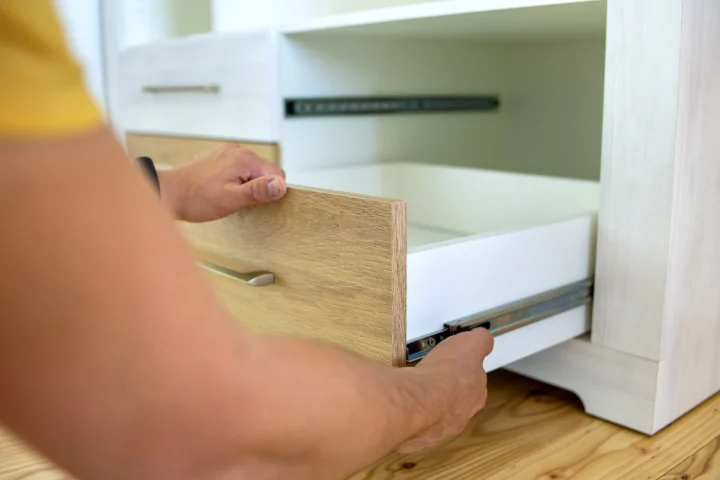
Image Source: www.shelfgenie.com
Why Think About Replacing a Kitchen Drawer?
Kitchen drawers work hard every day. They hold heavy items. They get opened and closed many times. Over time, parts can wear out. A broken drawer makes your kitchen less useful. It can be annoying. Fixing it makes your kitchen feel new.
Replacing a drawer is often better than just trying to patch it up. Patches might not last. A full replacement gives you a strong, new drawer. It works smoothly. This improves how you use your kitchen every day.
Signs Your Drawer Needs a New Life
How do you know when to replace a drawer? Look for clear signs. If you see any of these, it might be time for a fix:
- It does not close right: The drawer sticks. It might not close all the way. Or it might open by itself.
- It wobbles a lot: When you pull it out, it feels loose. It might move side to side too much. This is a common sign of a wobbly drawer repair need.
- Damaged drawer box: The bottom might be falling out. The sides could be cracked. This means you need to fix broken drawer box parts.
- Broken drawer slides: The metal runners might be bent. They might have missing parts. This means you need drawer slides replacement.
- Loud noises: The drawer might squeak or grind when you open it. This can be due to old or rusty runners.
- Visible wear: The wood might be chipped. The finish could be worn off. It just looks bad.
Getting Ready: Your Tools and Materials
Before you start, gather your tools. Having everything ready makes the job easier. It also makes it safer.
Tools You Will Need
- Screwdrivers: Philips head and flat head. You might need a drill with screwdriver bits.
- Tape Measure: For checking sizes.
- Pencil: To mark spots.
- Level: To make sure new parts are straight.
- Pliers: To help with stubborn parts.
- Utility Knife: For cutting things like old adhesive.
- Safety Glasses: Protect your eyes from dust or flying pieces.
- Work Gloves: Protect your hands.
Materials You Might Need
- New Drawer Box (if needed): Ready-to-assemble (RTA) kits are popular. Or you can build one.
- New Drawer Slides/Runners: These are key for smooth movement. You might need to replace drawer runners that are old.
- Screws: Make sure they fit the new hardware and your cabinet.
- Wood Glue: If you are building or fixing parts of the drawer box.
- Sandpaper: To smooth rough edges.
- Wood Filler: For small cracks in the cabinet frame.
- Cleaning Supplies: Cloth, general cleaner.
Here is a table to help you keep track:
| Tool/Material | Use | Notes |
|---|---|---|
| Screwdrivers | Removing old screws, putting in new ones | Philips, flat head; power drill with bits speeds things up. |
| Tape Measure | Measuring drawer box, slides, cabinet opening | Accuracy is key for a good fit. |
| Pencil | Marking screw holes, cut lines | Use a sharp pencil for clear marks. |
| Level | Ensuring slides are straight | A small torpedo level works well inside cabinets. |
| Pliers | Gripping, pulling stubborn parts | Useful for bent nails or tight clips. |
| Utility Knife | Cutting old caulk, scoring lines | Be careful when using. |
| Safety Glasses | Eye protection | Always wear them when working. |
| Work Gloves | Hand protection | Prevents cuts and splinters. |
| New Drawer Box | Full replacement of the drawer structure | Check dimensions carefully. Look for a new drawer assembly. |
| New Drawer Slides | Smooth movement of the drawer | Ball-bearing slides are popular. Make sure they match your old ones or are a clear upgrade. This is part of a drawer hardware upgrade. |
| Screws | Fastening new hardware | Make sure length and head type match your needs. |
| Wood Glue | Securing joints in a new or repaired drawer box | Strong bond for wood parts. |
| Sandpaper | Smoothing rough edges | Different grits for different smoothness. |
| Wood Filler | Repairing small holes or gaps | Dries hard, can be sanded and painted. |
| Cleaning Supplies | Cleaning cabinet interior | A clean space helps with installation. |
Removing the Old Drawer: Step by Step
This is the first big part of your kitchen drawer repair guide. Taking out the old drawer is simple once you know how.
Step 1: Empty the Drawer and Clear the Area
First, take everything out of the drawer. Wipe it clean. This gives you a clear view. Move things away from the cabinet opening. You need space to work.
Step 2: Look at the Drawer Slides
Most kitchen drawers use slides or runners. These are on the sides of the drawer box and inside the cabinet. They let the drawer move in and out. There are a few main types:
- Roller Slides: These have a roller on the cabinet side and a track on the drawer side. They are common and simple.
- Ball-Bearing Slides: These are metal rails with small ball bearings. They offer very smooth movement. They are usually full-extension, meaning the drawer pulls out all the way.
- Under-Mount Slides: These are hidden beneath the drawer box. They are often found in newer, higher-end cabinets.
Knowing your slide type helps you remove the drawer. It also helps you pick new ones.
Step 3: How to Remove Kitchen Drawer
The way you remove the drawer depends on the slide type.
For Roller Slides:
- Pull the Drawer Out: Pull the drawer all the way out until it stops.
- Lift and Tilt: Most roller slides need you to lift the front of the drawer slightly. Then, tilt it downwards. The roller on the cabinet side should come out of the groove on the drawer side.
- Slide it Off: Once unhooked, the drawer should slide completely off the cabinet rollers.
- Look for Tabs: Some roller slides have small plastic tabs. You might need to press these tabs to release the drawer. Check the end of the slide on the drawer side.
For Ball-Bearing Slides:
- Pull the Drawer Out: Extend the drawer all the way.
- Find the Release Levers: Look on the sides of the drawer, near the back. You will see small plastic levers or clips. There is one on each side.
- Press the Levers: One lever usually points up, the other points down. Push one up and the other down at the same time. This action unhooks the drawer from the cabinet slides.
- Pull the Drawer Free: With the levers pressed, gently pull the drawer straight out. It should come free.
For Under-Mount Slides:
- Pull the Drawer Out: Extend the drawer fully.
- Find the Clips: These slides have hidden clips under the drawer. You might need to push a small lever or a button. Sometimes, you need to pull up on a lever from inside the drawer.
- Lift and Remove: Once unclipped, lift the drawer slightly from the back. Then pull it straight out.
Step 4: Remove the Old Slides from the Cabinet
Once the drawer box is out, remove the old cabinet slides.
- Find the Screws: The slides are held to the cabinet with screws.
- Unscrew Them: Use your screwdriver or drill to remove all the screws. Keep the screws if they are in good shape. You might reuse them.
- Take Off the Slides: Carefully pull the old slides away from the cabinet walls.
- Clean the Area: Wipe down the inside of the cabinet. Remove any dust, dirt, or old debris. This prepares the space for new parts.
Assessing the Old Drawer and Planning Your New One
Now that the old drawer is out, look at it. This helps decide if you need a new drawer assembly or just parts.
Fixing a Broken Drawer Box vs. Replacing
Sometimes, only the drawer box itself is broken. The slides might be fine.
- Minor Damage: If only a side is loose or the bottom is falling, you might fix broken drawer box parts. Use wood glue and clamps to re-attach loose joints. Replace the bottom panel if it is thin plywood.
- Major Damage: If the box is cracked badly, warped, or falling apart, a full replacement is better. Trying to patch it might not last. A new drawer assembly often costs less than endless repairs.
Deciding on New Drawer Slides Replacement
This is a key part of your kitchen drawer repair guide. The type of slides you pick matters.
-
Measure Your Old Slides:
- Length: Measure the length of the slide rail that attaches to the cabinet. Do not include the part that extends.
- Extension Type: Note if it is “half-extension” (drawer only comes out part way) or “full-extension” (drawer comes out all the way). Full-extension is a great drawer hardware upgrade.
- Mounting Type: Is it side-mount, bottom-mount, or under-mount?
-
Choose New Slides:
- Same Type and Length: For the easiest replacement, buy slides of the same type and length.
- Upgrade Options:
- Ball-Bearing Full-Extension: These are a common and worthwhile drawer hardware upgrade. They are smooth and let you use all the space.
- Soft-Close: These slides pull the drawer shut slowly and quietly. This is a nice upgrade.
- Heavy-Duty: If you store heavy pots, look for slides with a higher weight rating.
- Buy a Set: Slides come in pairs. Make sure you get the right size for your drawer.
Getting a New Drawer Box (If Needed)
If your old drawer box is beyond repair, you need a new one.
- Measure the Old Drawer:
- Width: Measure across the front, from side to side.
- Depth: Measure from the front to the back.
- Height: Measure from the bottom to the top.
- Important: Also measure the opening of the cabinet. This ensures the new drawer will fit.
- Order or Build:
- Ready-to-Assemble (RTA) Kits: Many companies sell drawer box kits. They come flat-packed. You assemble them at home. These are often cheaper and quick. They are perfect for a DIY kitchen drawer fix.
- Custom Built: You can build a drawer box from scratch. This gives you exact sizes and wood types. It takes more skill and tools.
- Drawer Front: Remember, most new drawer boxes do not include the decorative front panel. You will usually reuse your old one or buy a new matching one.
New Drawer Assembly and Installation
This is where your cabinet drawer installation skills come in. Take your time to get it right.
Step 1: Assemble the New Drawer Box (If Applicable)
If you bought a flat-pack new drawer assembly, follow its instructions.
- Lay Out Parts: Make sure you have all pieces.
- Apply Glue: Put wood glue in the dados (grooves) and on the joint edges.
- Join Pieces: Fit the sides, front, and back together.
- Insert Bottom: Slide the bottom panel into its groove.
- Secure: Use screws, nails, or cam locks as directed.
- Check Squareness: Use a square tool to make sure the box is perfectly square. This is very important for the slides to work.
Step 2: Install New Drawer Slides on the Cabinet
This step is critical for a smooth-moving drawer. This is about your drawer slides replacement.
- Identify Cabinet and Drawer Parts: Ball-bearing slides usually have two parts. One part screws to the cabinet. The other screws to the drawer. Sometimes, they separate.
- Mark Screw Holes:
- Use Old Holes: If the old holes are in good shape, use them. This makes it easier.
- Measure and Mark: If not, measure where the old slides were. Mark new screw holes with your pencil. Use a level to make sure the lines are straight. This ensures your cabinet drawer installation is level.
- Support: If needed, use a small block of wood under the slide to keep it level while marking.
- Attach Cabinet Slides:
- Align: Hold the cabinet slide part against the cabinet side. Line up your marks.
- Screw In: Use your drill or screwdriver to put in the screws. Do not overtighten. Make sure the slide is perfectly level. Check with your level tool. Repeat for the other side.
- Test: Briefly extend and retract the slide parts to ensure they move freely.
Step 3: Install Drawer Slides on the New Drawer Box
- Identify Drawer Part of Slide: Take the other part of your new drawer slides.
- Mark Screw Holes:
- Side-Mount: Place the slide on the side of the drawer box. Line up the front of the slide with the front of the drawer box (or according to instructions). Mark the screw holes.
- Under-Mount: These fit underneath. Follow the product instructions for placement.
- Attach Drawer Slides: Screw the slides to the drawer box. Make sure they are straight and even.
Step 4: Attach the Drawer Front (If Separate)
If your drawer front is separate, attach it now.
- Temporary Attachment: You can use double-sided tape or a few small clamps to hold the front in place.
- Align: Carefully align the drawer front with the rest of your cabinet doors and drawers. Use a level. Check the gaps around it.
- Screw From Inside: Open the drawer slightly. From the inside of the drawer box, screw the drawer front onto the box. Use screws that are long enough to hold well but not too long to go through the front.
- Check and Adjust: Close the drawer. See how it looks. Make small adjustments if needed.
Step 5: Install the New Drawer into the Cabinet
This is the moment of truth for your cabinet drawer installation.
- Align Slides: Gently slide the drawer into the cabinet opening. Line up the drawer slides with the cabinet slides.
- Engage:
- Ball-Bearing: Push the drawer in until you hear a click on both sides. This means the release levers have engaged.
- Roller: Guide the drawer side track onto the cabinet roller. Lift slightly as needed.
- Test Movement: Pull the drawer out and push it in a few times. It should move smoothly. It should close fully and stay closed.
Making Final Adjustments
Even with careful work, you might need small tweaks.
- Drawer Not Closing Fully: Check for anything blocking it. Make sure the slides are not too far forward or backward. You might need to loosen screws and shift the cabinet slides slightly.
- Wobbly Drawer Repair: If it still feels wobbly, check all screws. Are they tight? Are the slides firmly attached? Sometimes, adding an extra screw to a slide can help. Or, if the drawer box itself is loose, re-tighten its joints with glue and screws.
- Sticking or Rough Movement:
- Check Alignment: Use your level to make sure both cabinet slides are at the exact same height. Even a small difference can cause sticking.
- Cleanliness: Make sure no dust or debris is in the slide tracks.
- Lubrication: For metal slides, a little dry lubricant (like silicone spray) can help. Do not use oily lubricants, as they attract dirt.
- Drawer Front Not Even: Most drawer fronts have oval-shaped holes for screws. This lets you make small up/down or side-to-side adjustments after it is installed. Loosen the screws a bit, move the front, then re-tighten.
Keeping Your New Drawers Working Well
Once you have done this DIY kitchen drawer fix, a little care goes a long way.
- Do Not Overload: Avoid putting too much weight in drawers. This stresses the slides and the box.
- Clean Regularly: Wipe down the drawer box and the slides. Dust and dirt can make slides rough.
- Tighten Screws: Once a year, check all screws in the drawer and slides. Tighten any that are loose. This prevents a wobbly drawer repair need later.
- Light Lubrication: If slides start to feel less smooth, a small spray of dry silicone lubricant can help.
When to Call a Pro
Most kitchen drawer repair guide steps are DIY friendly. But sometimes, a professional is a good idea.
- Complex Cabinet Damage: If the cabinet frame itself is rotten or badly broken, you might need a carpenter.
- Custom Drawer Building: If you need a very specific, custom-sized drawer box and do not have the tools or skills, a pro can build it.
- Time Constraints: If you are short on time, a handyman or cabinet installer can do the job quickly.
- Lack of Confidence: If you feel unsure after reading this guide, there is no shame in asking for help.
Replacing a kitchen drawer is a rewarding home improvement task. It boosts your kitchen’s look and use. By following this kitchen drawer repair guide, you can confidently take on this DIY project. Enjoy your smooth, new drawers!
Frequently Asked Questions (FAQ)
Q1: Can I replace just the drawer slides, or do I need a whole new drawer?
A1: You can often replace just the drawer slides. If your drawer box is still strong and in good shape, simply changing out the drawer slides replacement hardware is enough. This is especially true if the issue is a wobbly drawer repair or if the drawer simply does not glide smoothly anymore.
Q2: How do I know what size drawer slides to buy?
A2: Measure the length of your old drawer slides from front to back, when they are fully closed and detached from the cabinet. Also, measure the depth of your cabinet opening. The new slides should generally be the same length as the old ones, or slightly shorter than the cabinet depth.
Q3: What is the difference between side-mount, center-mount, and under-mount drawer slides?
A3:
* Side-mount slides: These attach to the sides of the drawer box and the cabinet opening. They are the most common type.
* Center-mount slides: These attach to the bottom center of the drawer box and a rail on the cabinet floor. They are less common in modern kitchens.
* Under-mount slides: These attach to the bottom sides of the drawer box and are hidden from view when the drawer is open. They offer a very clean look and are often soft-close. Choosing these can be a significant drawer hardware upgrade.
Q4: My new drawer won’t close all the way. What’s wrong?
A4: First, check for anything blocking the drawer inside the cabinet. Next, ensure your drawer slides are installed perfectly level and parallel to each other. Even a small tilt can stop the drawer from closing. You might need to loosen the screws on the cabinet drawer installation and adjust the slides slightly forward or back, or up and down.
Q5: Can I upgrade my old roller slides to ball-bearing soft-close slides?
A5: Yes, in many cases, you can upgrade. This is a popular drawer hardware upgrade. However, ball-bearing slides might need different mounting positions or more space on the sides of the drawer box and within the cabinet opening. Always measure carefully and check the specifications of the new slides to ensure they will fit. You might need a new drawer assembly if your old one isn’t compatible.
Q6: How do I fix broken drawer box corners that have come apart?
A6: For wooden drawer boxes, you can often fix broken drawer box corners using strong wood glue. Apply glue to both surfaces of the joint, clamp them tightly together, and let them dry for at least 24 hours. For extra strength, you can add small finishing nails or screws through the joint after gluing.
Q7: Do I need a professional for a kitchen drawer repair?
A7: Most kitchen drawer repairs, like replacing slides or a drawer box, can be a DIY kitchen drawer fix. This guide provides the steps. However, if the cabinet frame itself is damaged, or if you feel unsure about any step, hiring a professional carpenter or handyman is a good idea.