
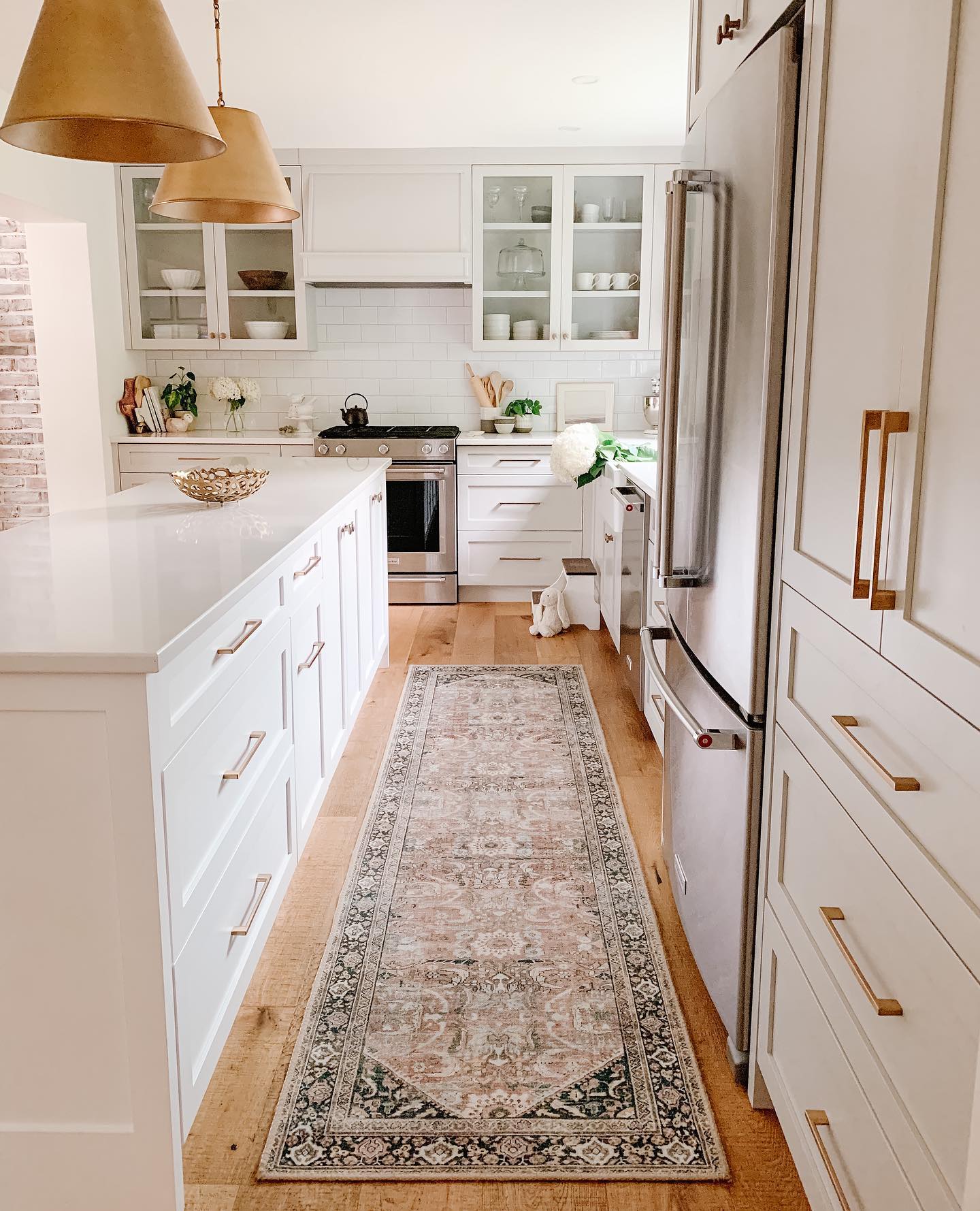
Image Source: image1.rugs-direct.com
Decoding How Long Should Kitchen Runner Be: A Sizing Guide
So, how long should a kitchen runner be? The ideal length for a kitchen runner often falls between 2 to 7 feet, with common sizes like 2×8, 2×6, or 2×3 feet. The exact length depends on the space you want to cover, such as in front of a sink, along an island, or in a galley kitchen. You want the rug to fit well in the area without getting in the way or causing trips.
A kitchen runner can change your cooking space. It adds color. It brings comfort underfoot. It protects your floor. But choosing the right size is very important. A runner that is too short looks lost. One that is too long can be a danger. It can also make your kitchen feel small. This guide will help you pick the perfect length. We will cover key aspects like kitchen rug length guidelines, specific area needs, and how to measure correctly.
The Value of Kitchen Runners
Why do people use kitchen runners? They serve many good uses.
Adding Warmth and Style
Runners make your kitchen feel cozy. They add style. A well-chosen runner can tie your kitchen’s look together. It can add a pop of color. Or it can bring in texture.
Protecting Your Floors
Kitchen floors see a lot of use. Spills happen. Dropped items occur. A runner helps protect your floor from wear and tear. It shields against scratches. It guards against stains. This keeps your floors looking new for longer.
Providing Comfort Underfoot
Standing for a long time can hurt your feet. Kitchen work often means standing. Runners give a soft place to stand. This is very true for anti-fatigue mats. They make cooking more comfortable.
Boosting Safety in the Kitchen
Slippery floors are a risk. Water or oil spills can make hard floors slick. A runner with a good grip helps prevent falls. It offers a stable surface. This is a key safety feature.
Core Principles for Runner Length
Picking the right length is not just guessing. There are some basic rules.
Rule 1: Allow for Space Around the Rug
Do not place your runner wall-to-wall. Leave some floor showing. Aim for 4 to 6 inches of bare floor on all sides. This space helps the kitchen look bigger. It also keeps the runner from curling at the edges. Curling edges can be a kitchen runner tripping hazard.
Rule 2: Match the Function
Think about where you need the runner most. Is it for standing at the sink? Is it for a long path along an island? The runner should cover the main standing or walking area.
Rule 3: Consider Doorways
Make sure the runner does not block doors. This includes entry doors. It also includes appliance doors. Dishwashers, ovens, and fridges need to open fully. A runner under a door can stop it from opening. It can also cause wear on the rug.
Rule 4: Scale to the Room
The runner should fit the room’s size. A small kitchen needs a shorter runner. A large kitchen can handle a longer one. Do not let the rug swallow the room. Do not let it look tiny in a vast space.
Common Runner Lengths and Sizes
What are the standard kitchen runner dimensions? Runner rugs come in many sizes. Here are some common ones:
- 2 feet x 3 feet (24 x 36 inches): A small mat, often used in front of a single sink or stove.
- 2 feet x 4 feet (24 x 48 inches): A bit longer, good for small spaces or slightly wider areas.
- 2 feet x 6 feet (24 x 72 inches): A very popular length. It works well for wider sink areas or shorter islands.
- 2 feet x 8 feet (24 x 96 inches): Great for longer paths. It suits long islands or stretches of counter.
- 2 feet x 10 feet (24 x 120 inches): For very long kitchens or large island setups.
These sizes give you a good starting point. You can also find custom sizes.
Sizing Your Runner for Specific Kitchen Areas
Each part of your kitchen has unique needs. Here’s how to size your runner for different spots.
Runner Rug Size for Kitchen Sink
The kitchen sink is a high-traffic area. You stand here a lot. You wash dishes. You prepare food.
- Goal: Cover the main standing area.
- Length: The runner should be at least as long as your sink base cabinet. It can extend a bit past each side.
- Common Lengths: For a standard single sink, a 2×3 or 2×4 foot runner often works well. For a double sink or a wider sink area, a 2×6 foot runner might be better.
- Placement: Center the runner in front of the sink. It should give you enough room to stand comfortably.
Ideal Kitchen Runner Length Island
Kitchen islands are often central hubs. People gather here. You might prep food. Or serve meals. The runner should follow the length of the island.
- Goal: Define the island workspace. Provide comfort along its length.
- Length: The runner should be slightly shorter than your island. Leave 1 to 2 feet of space at each end of the island. This creates a balanced look. It also prevents tripping hazards.
- Common Lengths:
- For a 4-foot island, a 2×3 or 2×4 foot runner might work if you only stand at one spot.
- For a 6-foot island, a 2×4 or 2×6 foot runner is good.
- For an 8-foot island, a 2×6 or 2×8 foot runner fits well.
- Placement: Place the runner centered along the side of the island where you work most. If your island has seating, consider placing the runner on the work side, not the seating side. This avoids chairs rolling over the rug.
Kitchen Runner Length in Front of Stove
The stove area also sees heavy use. You cook here. Splatters can happen. A runner can protect the floor. It can also add comfort.
- Goal: Cover the immediate area in front of the stove. Protect from spills.
- Length: The runner should be roughly the width of your stove. It can extend slightly beyond it. A 2×3 or 2×4 foot rug is usually enough.
- Placement: Center the runner directly in front of the stove. Make sure it does not block oven doors. It should not stick out too far into a walkway.
Best Length Kitchen Mat for Galley Kitchen
Galley kitchens are long and narrow. They often have cabinets on two opposite walls. A single, long runner can work wonders here.
- Goal: Cover a good portion of the main walkway. Connect the two sides of the kitchen.
- Length: This is where a long runner truly shines. Measure the length of your main walkway. Pick a runner that covers most of it. Leave a few feet at each end. This keeps the space from looking too crowded.
- Common Lengths: A 2×8 foot or even a 2×10 foot runner might be ideal. It depends on how long your galley kitchen is.
- Placement: Place the runner down the center of the walkway. Ensure it does not block any appliances or doorways. It should provide a clear path.
How Far Should Kitchen Runner Extend: Placement Rules
Beyond specific spots, general kitchen runner placement rules guide where the rug should start and end.
Centering and Alignment
- Centered: Most runners look best when centered in the space they cover. This applies whether it’s in front of a sink, stove, or island.
- Parallel: Always align your runner parallel with your kitchen counters or island. Do not place it at an angle. This makes the space look neat. It also defines zones clearly.
Clearance from Cabinets and Appliances
- Cabinet Doors: Make sure the runner does not stop cabinet doors from opening fully. Test this before you commit.
- Appliance Doors: The same rule applies to appliance doors. Check that your dishwasher, oven, and refrigerator can open without hitting the runner. This is a crucial safety and function check.
Avoiding Walkway Obstructions
- Clear Paths: Runners should guide movement, not hinder it. They should not create a barrier in a main walkway.
- Openings: Keep runners clear of main entry and exit points. This avoids trips and makes movement easy.
Zones of Activity
Think about different work zones in your kitchen.
- Prep Zone: Where you chop and mix.
- Cooking Zone: Around the stove.
- Cleanup Zone: At the sink.
A runner can span one or more of these zones. A long runner can connect them. Or you can use smaller mats for each zone. The best choice depends on your kitchen layout.
Measuring for Kitchen Runner: A Simple Guide
Proper measurement is key. Do not just guess. Here are the steps to measuring for kitchen runner.
Step 1: Decide the Area
First, pick the exact spot for your runner. Will it be in front of the sink? Along the island? Down a hallway?
Step 2: Measure the Length
Use a tape measure. Measure the length of the area you want to cover.
- For Sink/Stove: Measure the width of the appliance or cabinet. Add a few inches on each side if you want the rug to extend a little.
- For Island/Galley: Measure the length of the island or the walkway.
Step 3: Factor in Clearance
Subtract some length for clearance.
- Ends: For islands or long walkways, subtract 1 to 2 feet from each end. This leaves bare floor at the ends.
- Doors: Make sure the final length does not block any doors. Open all nearby doors to check.
- Walls: Leave 4 to 6 inches between the rug and any walls or fixed cabinets.
Step 4: Measure the Width (Important!)
Most kitchen runners are around 2 feet wide. But measure your space anyway.
- Walkway Width: If placing in a walkway, measure the width of the path. Your runner should be narrower than the path. Leave space on both sides. This ensures clear passage.
- Standard Widths: If your walkway is, say, 3 feet wide, a 2-foot wide runner leaves 6 inches on each side. This is perfect.
Table: Quick Measurement Guide by Area
| Kitchen Area | Measuring Tip | Recommended Length Range | Recommended Width Range |
|---|---|---|---|
| Kitchen Sink | Width of sink base, plus 6-12 inches on each side. | 2-4 feet | 2 feet |
| Kitchen Stove | Width of stove, plus 6 inches on each side. | 2-4 feet | 2 feet |
| Kitchen Island | Length of island, minus 1-2 feet from each end. | 4-8 feet | 2 feet |
| Galley Kitchen | Length of main walkway, minus 1-2 feet from each end. | 6-12 feet | 2 feet (or slightly less) |
| General Walkway | Length of walkway, minus 6-12 inches from start/end points. | Varies widely | 2 feet |
Avoiding Common Runner Mistakes
Even with good guidelines, mistakes can happen. Here are some to avoid.
1. Ignoring the Tripping Hazard
A kitchen runner tripping hazard is a serious issue.
* Too Long: A runner that extends into a high-traffic cross path is a trip risk.
* Curled Edges: Rugs without proper backing can curl up. This is a big trip hazard.
* Wrong Placement: Placing a rug where a door swings open can cause it to bunch up, leading to trips.
Solution: Always use a non-slip rug pad. Choose runners with rubber backing. Make sure the rug lies flat. Keep it away from door swings.
2. Choosing the Wrong Material
Not all materials are good for kitchens.
* Fibers: Avoid high-pile or fluffy rugs. They trap dirt. They are hard to clean. They can also be a trip hazard.
* Washability: Pick a rug that is easy to clean. Look for machine-washable options. Or rugs that can be spot cleaned easily.
Solution: Look for low-pile rugs. Choose durable materials like cotton, jute, or synthetic fibers.
3. Not Using a Rug Pad
A rug pad is not just for grip.
* Slip Prevention: It stops the rug from sliding. This is very important on hard kitchen floors.
* Floor Protection: It adds a layer of cushion. This protects your floor finish.
* Longevity: It extends the life of your rug. It reduces wear and tear.
Solution: Always buy a high-quality non-slip rug pad. Make sure it is slightly smaller than your runner.
4. Disregarding Kitchen Rug Length Guidelines
Many people just pick a rug they like without measuring. This often leads to a poor fit.
* Too Short: A small rug in a big space looks out of place. It does not provide enough coverage.
* Too Long: A very long rug can crowd a space. It can look messy. It can also create trip hazards if it bunches up.
Solution: Always measure your space. Use the kitchen rug length guidelines discussed earlier. Think about the function and flow of your kitchen.
Maintaining Your Kitchen Runner
A good runner needs good care. This ensures it lasts. It also keeps it safe.
Regular Cleaning
Kitchen rugs get dirty fast. Food bits, spills, and crumbs collect.
* Vacuum often: Use a vacuum cleaner to pick up loose dirt. Do this a few times a week.
* Spot clean spills: Clean spills right away. Use a damp cloth and mild soap. This stops stains from setting.
Deep Cleaning
Depending on the rug material, you might need to deep clean it.
* Machine Washable: If your rug is machine washable, follow the care tag. Use cold water and a gentle cycle. Air dry it or tumble dry on low.
* Shake and Beat: For smaller rugs, take them outside. Shake them well. Beat out the dust.
* Professional Cleaning: Some larger or specialty rugs might need professional cleaning.
Checking for Wear and Tear
Look at your runner often.
* Fraying Edges: Frayed edges can be a trip hazard. They can also make the rug look old.
* Slipping: If your rug starts to slip, replace the rug pad. Or check if the pad is worn out.
* Damage: Holes or tears mean it is time for a new rug.
Good care extends the life of your kitchen runner. It also keeps your kitchen safe and looking great.
Conclusion: Mastering Your Kitchen Runner Length
Choosing the right length for your kitchen runner is a simple step. Yet, it makes a huge difference. It affects how your kitchen looks. It changes how it feels. And it plays a big part in kitchen safety.
Remember to measure your space carefully. Consider the specific area you want to cover. Think about common sizes. Always account for proper clearance from walls, cabinets, and appliances. By following these kitchen rug length guidelines, you can find a runner that fits perfectly. It will add style, comfort, and safety to your home. Make your kitchen a place you love to be in.
Frequently Asked Questions (FAQ)
H4: What is the most common size for a kitchen runner?
The most common sizes for kitchen runners are 2 feet by 6 feet (2×6 ft) and 2 feet by 8 feet (2×8 ft). These sizes fit many standard kitchen layouts well. They work for sinks, islands, and longer walkways.
H4: Can a kitchen runner be too long?
Yes, a kitchen runner can be too long. If a runner is too long, it can look awkward. It can also create a trip hazard. It might block doors or make the kitchen feel smaller. Always leave some bare floor at the ends.
H4: Should a kitchen runner go under appliances?
No, a kitchen runner should not go under appliances that open. This includes dishwashers, ovens, and refrigerators. The rug can stop the doors from opening fully. It can also get caught or damaged. Keep the runner clear of these areas.
H4: How wide should a kitchen runner be for a typical kitchen?
Most kitchen runners are about 2 feet wide (24 inches). This width works well in most kitchen walkways. It leaves enough space on either side for good balance and easy movement.
H4: Do I need a rug pad for my kitchen runner?
Yes, you should always use a non-slip rug pad under your kitchen runner. A rug pad keeps the runner from sliding on hard floors. This prevents falls. It also adds cushion. It protects your floor and helps the rug last longer.