
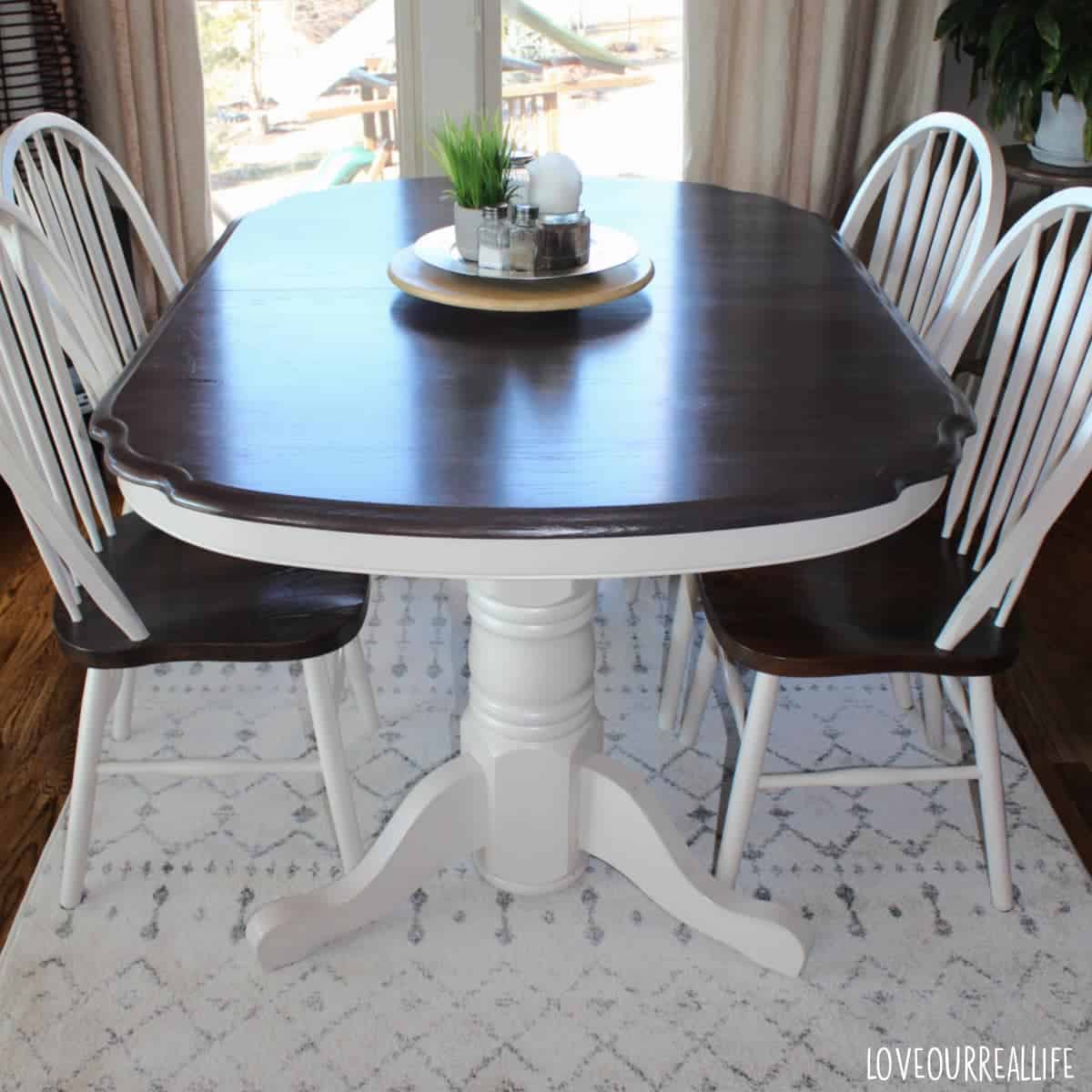
Image Source: www.loveourreallife.com
Expert Tips on How To Repaint Kitchen Table Flawlessly
Do you want to repaint your kitchen table? Yes, you can give your old table a fresh new look. This guide will show you how to paint dining table wood step by step. We will cover all you need to know for a great result.
Repainting your kitchen table is a fun way to refresh your home. It can save you money too. A good repaint job makes an old table new again. It adds style to your kitchen. This table painting guide will help you get a smooth, tough finish.
Why Repaint Your Kitchen Table?
Your kitchen table works hard every day. It gets spills, scratches, and dings. Over time, it can look worn out. Repainting it is a smart choice.
Here are some good reasons to repaint:
- Fresh Look: Make your kitchen feel new. Change the color to match your style.
- Save Money: Buying a new table costs a lot. Repainting is much cheaper.
- Extend Life: A fresh coat of paint protects the wood. It helps your table last longer.
- Show Your Style: Pick a color and finish you love. Make your table truly yours.
- Cover Damage: Hide old marks, stains, and faded spots.
Planning Your Table Makeover
Before you pick up a brush, plan your project. Good planning helps a lot. It makes sure you get the look you want. Think about kitchen table makeover ideas.
h4. Picking the Best Time and Place
Find a good spot to work. It needs to be dry and have good air flow. A garage or a shed is great. If you work inside, open windows. Lay down drop cloths to protect your floor. Make sure you have enough space around the table. You need to move freely.
Pick a time when you are not rushed. Repainting takes several steps. Each step needs time to dry. A weekend is often a good choice. Avoid very humid days. High humidity can make paint dry slowly. It can also cause problems with the finish.
h4. Choosing Your Style and Color
This is the fun part! What look do you want? Do you like bright colors or calm ones? Think about your kitchen’s style.
- Modern: Use crisp whites, grays, or bold solid colors.
- Farmhouse: Try soft whites, creams, light blues, or distressed finishes.
- Traditional: Darker woods, deep greens, or rich reds work well.
- Eclectic: Mix and match colors and patterns. Be creative!
Test a small spot or use sample cans. See how the color looks in your kitchen’s light. Light changes how colors appear.
Gathering Your Tools and Materials
Having everything ready saves time. Here is a list of what you will need for your table painting prep:
h4. Essential Tools for Repainting
- Screwdriver/Drill: To take apart the table (if needed).
- Cleaning Supplies: Mild soap, warm water, sponges, rags.
- Drop Cloths or Old Sheets: To protect your floor and other items.
- Safety Gear: Gloves, safety glasses, dust mask or respirator.
- Sandpaper: In different grits (e.g., 80-grit, 120-grit, 220-grit).
- Sanding Block or Electric Sander: For easier sanding table for paint.
- Tack Cloths: To pick up dust.
- Painter’s Tape: To protect areas you don’t want to paint.
- Paint Brushes: Good quality synthetic brushes for smooth finish.
- Paint Rollers (small foam or microfiber): For larger flat areas.
- Paint Trays: For easy paint loading.
- Paint Stir Stick: To mix paint well.
- Small Putty Knife or Wood Filler: For repairs.
- Clean Buckets: For water and cleaning solutions.
h4. Materials You Will Need
- Degreaser or TSP Substitute: For deep cleaning.
- Wood Filler: To fix holes or cracks.
- Primer: A good quality wood primer.
- Paint: The best paint for wood table projects.
- Topcoat/Sealer: To protect the painted finish (durable table top paint).
The All-Important Prep Work: Setting the Stage
Good table painting prep is key. It makes sure your paint sticks well and looks smooth. Do not skip these steps.
h4. Cleaning Your Table
Start with a clean surface. Dirt, grease, and grime stop paint from sticking.
- Wipe Down: Use a cloth with mild soap and warm water. Wipe the whole table.
- Deep Clean: Mix a degreaser or TSP substitute with water. Follow product directions. Wipe the table down well. This removes all grease.
- Rinse: Wipe again with clean water. Make sure no soap or degreaser is left.
- Dry: Let the table dry completely. Use a clean towel to speed it up.
h4. Disassembling Your Table (If Needed)
If your table has legs or parts that can come off, take them apart. This makes it easier to paint all sides. Label the parts as you remove them. This helps when you put it back together. Take off any hardware like hinges or latches. Store them safely.
h4. Sanding Your Table for Paint
Sanding table for paint is vital. It creates a rough surface. Paint sticks better to a rough surface than a smooth one. This step helps to refinish kitchen table surfaces for new paint.
- Rough Sanding (80-120 Grit): If the old finish is peeling, start with a rougher grit (80-grit). This removes old paint or varnish. If the old finish is in good shape, start with 120-grit. Sand with the grain of the wood. Use an electric sander for big flat areas. Use a sanding block for edges and curves.
- Medium Sanding (120-150 Grit): Switch to 120-grit or 150-grit sandpaper. This smooths out the marks from the rougher sanding. Keep sanding with the wood grain.
- Fine Sanding (220-220 Grit): Finish with 220-grit sandpaper. This makes the surface very smooth. It is perfect for paint to stick to. Always sand with the grain. Run your hand over the surface. It should feel smooth and ready.
h4. Repairing Imperfections
Now is the time to fix any damage.
- Fill Holes and Cracks: Use wood filler for holes, dents, or deep scratches. Push the filler into the damage with a putty knife. Make it level with the surface.
- Let It Dry: Let the wood filler dry fully. Check the product label for drying times.
- Sand Smooth: Once dry, sand the filled areas with 220-grit sandpaper. Make them smooth and flat.
h4. Using a Tack Cloth
After sanding and repairs, there will be dust. This dust can get into your paint. It will make your finish bumpy.
- Wipe Off Dust: Use a clean, dry cloth or a shop vac to remove most of the dust.
- Use Tack Cloth: Gently wipe the entire surface with a tack cloth. A tack cloth is sticky. It picks up fine dust that regular cloths miss. Fold it often to use a clean part. Do this just before priming or painting.
h4. Priming Your Table
Priming is a must for most projects. It makes the topcoat stick better. It also hides the old color. Primer helps block wood tannins. Tannins can bleed through light paint colors. This is crucial for a lasting refinish kitchen table.
- Choose Your Primer: Use a good quality wood primer. Oil-based primers are great for blocking stains. Water-based primers clean up easily.
- Apply a Thin Coat: Use a brush or roller to put on a thin, even coat of primer. Cover all surfaces you plan to paint.
- Let It Dry: Let the primer dry completely. Read the primer can for drying times.
- Light Sand (Optional but Recommended): After the first coat of primer dries, lightly sand with 220-grit sandpaper. This is called “scuff sanding.” It smooths out any bumps or brush marks. It also helps the next coat stick. Wipe off dust with a tack cloth.
- Second Coat (If Needed): If the old color still shows or if you see wood grain, apply a second thin coat of primer. Sand lightly and clean again after it dries.
Choosing Your Paint: A Deep Dive
Picking the best paint for wood table projects is important. The right paint gives you the look and lasting finish you want. It’s part of a good table painting guide.
h4. Types of Paint for Wood Tables
-
Latex (Water-Based) Paint:
- Pros: Easy cleanup with water. Dries fast. Low smell.
- Cons: Can show brush marks. Might not be as tough as oil paint unless a good topcoat is used.
- Best For: Everyday use, good for areas that don’t get super heavy wear if properly sealed.
- Tip: Look for “cabinet” or “furniture” specific latex paints. They are harder.
-
Oil-Based Paint (Alkyd):
- Pros: Very durable. Smooth finish. Good for high-traffic areas.
- Cons: Strong smell. Takes longer to dry. Needs mineral spirits for cleanup. Can yellow over time.
- Best For: High-wear surfaces, a very tough finish.
-
Chalk Paint:
- Pros: No sanding or priming needed for many surfaces. Matte, soft look. Easy to distress. Great for chalk paint table DIY.
- Cons: Not durable on its own. Needs a wax or poly topcoat to protect it. Can chip if not sealed well.
- Best For: Rustic or shabby chic looks. Easy kitchen table makeover ideas.
-
Mineral Paint:
- Pros: Very durable, self-leveling (fewer brush marks), built-in topcoat often. Less prep needed than regular latex. Water-based cleanup.
- Cons: Can be more expensive.
- Best For: Durable table top paint, less prep work, modern look.
-
Enamel Paint:
- Pros: Hard, smooth, durable finish. Often found in oil or water-based versions.
- Cons: Can be thick.
- Best For: Surfaces needing a tough, factory-like finish.
h5. Picking the Right Sheen (Shine Level)
Paint comes in different levels of shine:
- Matte/Flat: No shine. Hides flaws well. Can be harder to clean.
- Eggshell/Satin: Little shine. Good balance of look and cleanability. Very popular for furniture.
- Semi-Gloss: Some shine. Durable and easy to clean. Shows flaws more.
- High-Gloss: Very shiny. Most durable and easiest to clean. Shows every flaw.
For a kitchen table, eggshell, satin, or semi-gloss are often the best choices. They are durable enough for daily use. They are also easy to wipe clean. These sheens are part of having durable table top paint.
The Art of Painting: Step-by-Step
Now for the fun part: applying the paint. This is where your paint dining table wood project comes alive.
h4. Application Methods
- Brushes: Use a high-quality synthetic brush for latex/water-based paints. Use a natural bristle brush for oil-based paints. Brushes are good for edges, corners, and small areas.
- Technique: Dip only the tip of the brush in paint. Apply long, even strokes. Work in the direction of the wood grain. Avoid over-brushing. Too many strokes can leave marks.
- Rollers: Small foam or microfiber rollers are great for flat surfaces like the tabletop. They give a smooth, even finish.
- Technique: Pour paint into a paint tray. Load the roller evenly. Apply in thin, overlapping strokes. Avoid pushing too hard.
- Paint Sprayer: For the smoothest, factory-like finish, a paint sprayer is best. It needs more setup and cleanup.
- Technique: Follow the sprayer’s directions. Practice on scrap wood first. Apply thin, even passes. Keep the sprayer moving.
h4. Applying Multiple Thin Coats
This is very important for a flawless finish. Do not try to paint your table in one thick coat. Thick coats drip, sag, and take ages to dry. They also do not stick as well.
- First Paint Coat: Apply a thin, even coat of your chosen paint. Cover all primed areas. Do not worry if it looks a bit streaky.
- Dry Time: Let the first coat dry completely. This is crucial. Check the paint can for exact times. It might be 2-4 hours, or even longer for oil-based paints. Drying depends on humidity and temperature.
- Light Sand (Optional but Good): After the first coat dries, very lightly sand with 220-grit or finer sandpaper. This smooths out any bumps or dust. Wipe clean with a tack cloth.
- Second Paint Coat: Apply a second thin, even coat. This coat will cover better and look more solid.
- More Coats (If Needed): Most tables need 2-3 coats of paint for full coverage and a good, deep color. Repeat the dry, light sand, and clean steps between each coat.
Sealing for Lasting Beauty
After all your hard work, protect your table. Sealing painted kitchen table surfaces is vital. It makes your finish durable. This is especially true for durable table top paint.
h4. Why You Need to Seal Your Painted Table
Paint alone, especially latex or chalk paint, is not strong enough for a kitchen table. A sealer protects against:
- Scratches and Dings: Adds a hard, protective layer.
- Spills: Makes the surface easy to wipe clean. Prevents stains.
- Heat: Offers some protection from warm dishes (use coasters anyway!).
- Wear and Tear: Keeps your paint looking good for years.
h4. Types of Sealers
-
Polyurethane (Oil-Based):
- Pros: Very hard and durable. Great for high-traffic areas.
- Cons: Can yellow over light colors. Strong smell. Needs mineral spirits for cleanup.
- Best For: Darker paints or if extreme durability is your main goal.
-
Polycrylic (Water-Based Polyurethane):
- Pros: Dries clear, will not yellow. Low smell. Water cleanup. Dries fast.
- Cons: Not quite as hard as oil-based poly. Can be prone to brush strokes if applied too thickly.
- Best For: Light-colored paints, good all-around durability for a kitchen table. Very popular.
-
Wax (For Chalk Paint):
- Pros: Easy to apply. Gives a soft, matte finish. Enhances chalk paint table DIY look.
- Cons: Less durable than poly. Needs to be re-applied over time (every 6-12 months for heavy use). Not as heat or water resistant.
- Best For: Chalk paint projects where you want a rustic or soft feel.
-
Water-Based Topcoats (Other Brands):
- Many brands make their own clear topcoats. Read labels to see if they are water-based or oil-based. Look for “non-yellowing” and “durable” on the label.
h4. Applying the Sealer
The key is thin, even coats.
- Prep: Make sure your paint is fully dry. Give it at least 24-48 hours. The longer, the better. Lightly sand with 220-grit or higher if your paint feels rough. Wipe with a tack cloth.
- Apply First Coat: Use a good quality brush (synthetic for water-based, natural for oil-based) or a foam applicator. Apply a very thin, even coat. Work quickly. Avoid drips.
- Dry Time: Let the sealer dry completely. This might be 2-4 hours for water-based, longer for oil-based.
- Light Sand: After the first coat, lightly sand with 220-grit or 320-grit sandpaper. This smooths any bumps. It also helps the next coat stick. Wipe dust with a tack cloth.
- More Coats: Apply 2-3 more thin coats of sealer. Repeat the drying and light sanding step between each coat. For a kitchen table, 3-4 coats of polycrylic or polyurethane give the best protection.
Table: Sealer Comparison
| Sealer Type | Pros | Cons | Best Use |
|---|---|---|---|
| Polycrylic | Dries clear, low smell, water clean | Less hard than oil poly | Light colors, good all-around |
| Polyurethane | Very hard, very durable | Can yellow, strong smell, solvent clean | Dark colors, very high-traffic |
| Wax (Chalk Paint) | Easy to apply, soft look | Less durable, needs reapplication | Chalk paint, rustic look |
| Mineral Topcoat | Very durable, easy to apply | Can be more costly | Minimal prep, durable finish |
Caring for Your Newly Painted Table
Your table looks amazing! But it is not quite ready for full use.
h4. Curing Time Is Key
Paint and sealer need time to fully harden. This is called “curing.” It is different from “drying.” Paint may feel dry in hours. But it can take days or even weeks to cure.
- Gentle Use: For the first week, be gentle. Do not put heavy items on the table. Avoid sliding things across the top.
- Full Cure: Most paints and sealers cure in 21-30 days. During this time, the finish gets its full hardness. Avoid harsh cleaners or placing hot items directly on the surface. Use placemats and coasters.
h4. Cleaning and Maintenance
Once fully cured, your table will be strong.
- Daily Cleaning: Use a soft, damp cloth with mild soap and water. Wipe spills right away.
- Avoid Harsh Cleaners: Do not use abrasive cleaners or strong chemicals. They can damage the finish.
- Protect: Use placemats, coasters, and trivets. This protects against scratches, heat, and moisture.
Troubleshooting Common Issues
Even with the best guide, things can go wrong. Here are some quick fixes for common problems. This is part of a complete table painting guide.
h4. Sticky Paint or Sealer
- Cause: Not enough dry time between coats. Too thick coats. High humidity.
- Fix: Wait longer. Ensure good air flow. If still sticky after days, it may need to be stripped and redone. Apply thinner coats next time.
h4. Visible Brush Strokes
- Cause: Paint is too thick. Too much paint on the brush. Over-brushing.
- Fix: Lightly sand the dried coat with fine sandpaper (220-320 grit). Clean. Apply a thinner coat. Use a good quality brush. Try a foam roller for flat areas. Some paints (like self-leveling ones) reduce brush marks.
h4. Peeling or Chipping Paint
- Cause: Poor prep work (not cleaning or sanding enough). Not using primer. Not using enough topcoat.
- Fix: If small areas, sand, re-prime, re-paint, and re-seal. For large areas, you may need to strip all the paint. Start over with better prep. This shows why sanding table for paint and priming are so vital.
h4. Dust or Bumps in Finish
- Cause: Dusty work area. Not using tack cloth.
- Fix: Lightly sand the bumps with very fine sandpaper (220-320 grit). Wipe with tack cloth. Apply another thin coat of paint or sealer. Ensure your work area is clean next time.
Frequently Asked Questions (FAQ)
h3. Can I paint my kitchen table without sanding?
You can use chalk paint or some mineral paints without much sanding. But for other paints, light sanding is almost always needed. It helps the paint stick well and last longer. Sanding also makes the surface smooth.
h3. How long does a painted kitchen table last?
With good prep, quality paint, and a durable sealer, a painted kitchen table can last many years. Expect 5-10 years or more with proper care. High traffic and less care mean it might last less.
h3. What is the best paint for a kitchen table that gets heavy use?
For heavy use, oil-based enamel or durable water-based acrylic-urethane paints are best. Always finish with a strong topcoat like oil-based polyurethane or a high-quality polycrylic. Look for paint meant for cabinets or floors.
h3. Can I use spray paint on a kitchen table?
Yes, you can use spray paint. It gives a very smooth finish. Make sure to use spray paint made for furniture or wood. Follow the same prep steps (clean, sand, prime). Apply many thin coats. Always seal it with a durable clear coat. Work in a well-aired space.
h3. How do I fix scratches on my painted table?
For small scratches, you can often touch them up with a little matching paint. For deeper scratches, you might need to lightly sand the area, re-prime, re-paint, and re-seal the spot.
h3. Should I paint the underside of my kitchen table?
It is a good idea to paint the underside too. This helps stop the wood from bending or cracking. It also gives a clean, finished look from all sides. A light coat is usually enough.
Conclusion
Repainting your kitchen table is a rewarding project. It can bring new life to an old piece. By following these expert tips, you can achieve a flawless, durable finish. Remember, good preparation is half the battle. Choose the right materials. Take your time. Enjoy your beautiful, freshly painted kitchen table for years to come!