
Image Source: www.houmatimes.com
Mastering How To Extinguish A Kitchen Fire Properly
Can you put out a kitchen fire yourself? Yes, if it is small and you know what to do. What is the best way to put out a small kitchen fire? Often, smothering it or using a specific type of extinguisher is best. What kind of fire extinguisher do you need for kitchen fires? A Class K fire extinguisher is best for large cooking oil fires. For other fires, a Class ABC extinguisher can work. Knowing what to do when a kitchen fire starts can save lives and homes. A small kitchen fire can quickly turn into a big one. It is key to act fast and correctly. This guide will show you how to handle different kitchen fires. It will also teach you how to stay safe.
Grappling with Kitchen Fire Basics
Fires in the kitchen are often different from other home fires. They usually involve cooking materials. This means grease, oil, or electrical things. Because of this, you cannot put them out in the same way. Using the wrong method can make the fire bigger. It can also put you in danger.
It is vital to know the main types of kitchen fires. Each type needs a special way to put it out.
Grasping Grease Fires
Grease fires start when cooking oils or fats get too hot. They can happen on your stovetop. They can also happen in your oven. These fires are very dangerous. Water makes them much worse. Water spreads the burning oil. This can make the fire grow quickly. It can also hurt you badly.
Facing Electrical Fires
Electrical kitchen fire safety is very important. These fires start from faulty wires or too many things plugged in. Think about microwaves, toasters, or coffee makers. If a plug sparks or an appliance smells hot, be careful. Water should never be used on an electrical fire. Water can conduct electricity. This can shock you.
Tackling Oven Fires
Oven fire handling can be tricky. These fires often start from food spills inside the oven. Grease or food bits can catch fire when the oven gets hot. Smoke might fill your kitchen. It is scary. But there are clear steps to take.
Dealing with Microwave Fires
Microwave fires are often caused by putting the wrong things inside. Metal, certain plastics, or even too much cooking time can cause sparks. These sparks can lead to a fire. Act fast if this happens.
Hitting Toaster and Toaster Oven Fires
These fires usually happen because of crumbs building up. Or sometimes food gets stuck and burns. They are usually small. But they can still cause a lot of smoke.
Essential Tools for Kitchen Fire Safety
Having the right tools ready is important. You should know where they are. You should know how to use them.
- Pot Lid or Baking Sheet: These are great for smothering a pan fire.
- Baking Soda: This is a good helper for small grease fires. It is a natural fire suppressor.
- Wet Towel: A wet towel can help smother a small fire. But be careful. It is not for all fires.
- Fire Extinguisher: This is your main tool for bigger fires. You need the right kind.
Let us look at fire extinguishers more closely.
Fire Extinguisher Kitchen Use
Not all fire extinguishers are the same. They are made for different types of fires. You will see letters on them. These letters tell you what kind of fire they can put out.
| Extinguisher Class | What it Puts Out | Common Uses | Kitchen Relevance |
|---|---|---|---|
| Class A | Wood, paper, cloth | Ordinary trash fires | Not ideal for kitchen fires only |
| Class B | Flammable liquids (grease, oil, gas) | Paint, oil, gasoline | Good for grease fires |
| Class C | Electrical equipment | Wires, appliances | Good for electrical fires |
| Class D | Combustible metals | Magnesium, titanium | Not for home kitchens |
| Class K | Cooking oils and fats (large amounts) | Commercial kitchens | Best for large grease fires |
| Class ABC | All of the above (A, B, C) | General purpose | Good for home kitchens for multiple fire types |
For your kitchen, a Class ABC extinguisher is a good choice. It handles most common fires. But for very large cooking oil fires, a Class K fire extinguisher is best. This special extinguisher is designed for high-heat cooking oils. It works by creating a foam that cools the oil. It also stops oxygen from reaching the fire. Make sure your extinguisher is easy to reach. Check its pressure gauge often. Learn the P.A.S.S. method for using an extinguisher:
* Pull the pin.
* Aim low at the base of the fire.
* Squeeze the handle.
* Sweep the nozzle from side to side.
Preventing Kitchen Fires: Be Proactive
The best way to handle a fire is to stop it from starting. Here are some simple tips.
- Stay in the kitchen: Never leave cooking food alone. Fires can start in seconds.
- Clean your kitchen: Wipe up grease spills. Clean your stovetop and oven often. Grease can build up and catch fire.
- Keep things away from heat: Keep towels, paper, and curtains away from your stove.
- Watch children and pets: Keep them away from the stove. Use back burners when you can. Turn pot handles inward.
- Check appliances: Make sure cords are not frayed. Do not overload outlets.
- Clear your toaster: Empty toaster crumbs often.
- Use timers: When baking or slow cooking, use a timer. This helps you remember your food.
Mastering Kitchen Fire Extinguishing Procedures
Now, let us talk about how to put out different types of kitchen fires. Remember, if a fire grows too big, leave at once. Then call for help.
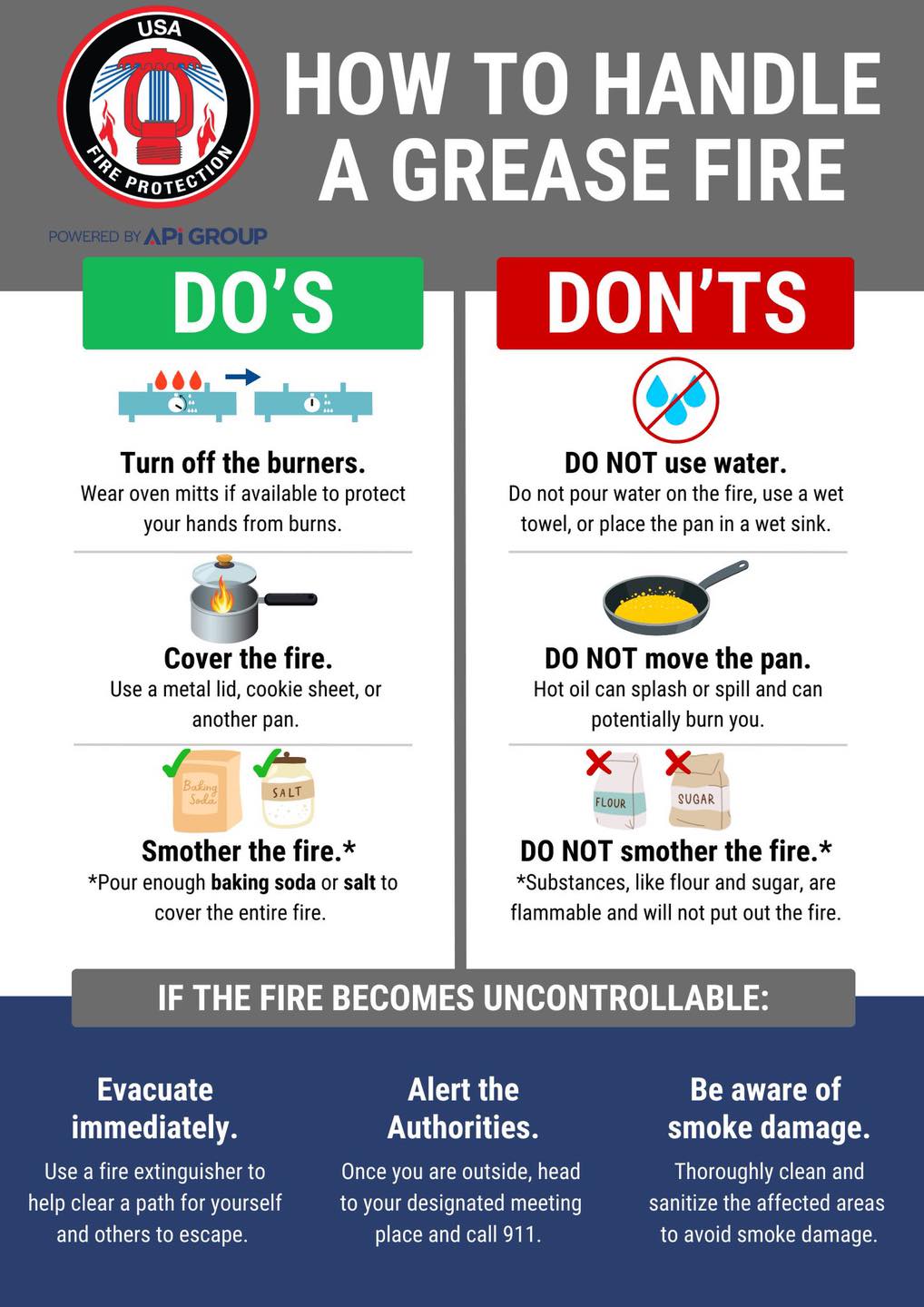
Grease Fire Extinguishing Tips
Grease fire extinguishing tips are very important. This is because these fires need special care.
- Do not use water! This is the most crucial rule. Never use water on a grease fire. Water will make the fire explode. It will spread burning oil everywhere. This is extremely dangerous.
- Turn off the heat: If it is safe, turn off the burner. Do not move the pot.
- Smother the fire:
- For a small pan fire: Gently slide a metal lid over the pan. A baking sheet also works. This takes away the oxygen. Without oxygen, the fire cannot burn. Leave the lid on until the pan cools completely. Do not lift the lid too soon.
- For a small fire in a frying pan: You can also use baking soda for kitchen fires. Pour a lot of baking soda on the flames. It works by releasing carbon dioxide. This smothers the fire. It is good for very small fires. Never use flour or baking powder. They can make the fire worse.
- Use a fire extinguisher (if needed): If the fire is bigger than a small pan fire, use a Class B or Class K fire extinguisher. Aim at the base of the flames. Use the P.A.S.S. method.
Table: What NOT to Do with a Grease Fire
| Action | Why It Is Bad |
|---|---|
| Use Water | Spreads fire, causes explosions |
| Move the Pan | Spills burning oil, spreads fire |
| Use Flour/Baking Powder | Can make fire worse, explode |
| Fan the Flames | Adds oxygen, makes fire bigger |
Electrical Kitchen Fire Safety and Handling
Electrical kitchen fire safety is different. Water is not safe here.
- Turn off the power: If you can safely reach it, unplug the appliance. Or, turn off the power at your circuit breaker. This stops the power to the fire.
- Use a Class C or ABC extinguisher: These extinguishers are safe for electrical fires. Aim at the base of the fire.
- Do not use water: Water can conduct electricity. You could get a severe shock.
- Baking soda: For a very small electrical fire, baking soda might help. But it is not the best choice. A Class C or ABC extinguisher is much better.
Oven Fire Handling
Oven fire handling usually means keeping the fire inside the oven.
- Turn off the oven: Turn off the oven and broiler. Keep the oven door closed. This traps the fire inside. It cuts off oxygen.
- Let it cool: Wait for the oven to cool down. The fire should go out on its own.
- If it persists: If the fire does not go out, use a Class ABC fire extinguisher. Spray it into the oven. Be ready for a lot of smoke.
- Open windows: After the fire is out, open windows to air out smoke.
- Clean the oven: Once it is cool, clean any food spills. This prevents future fires.
Handling Microwave Fires
Microwave fires are usually fast to put out.
- Keep the door closed: If you see sparks or flames, turn off the microwave. Keep the door shut. This traps the fire and cuts off oxygen.
- Unplug the unit: If it is safe, unplug the microwave.
- Wait: Do not open the door until the fire is out and the microwave is cool.
- If it persists: If the fire does not go out, use a Class ABC extinguisher. Open the door only a crack to spray.
- Do not use it again: Do not use the microwave again until it has been checked by a professional. Or, buy a new one.
Toaster and Toaster Oven Fires
These fires are often caused by crumbs.
- Unplug the unit: Pull the plug from the wall. This stops the heat.
- Do not shake it: Do not shake the toaster. This can make the fire worse. Burning crumbs could fall out.
- Use a small amount of baking soda: For a very small flame, a bit of baking soda might help.
- If the fire spreads: If the fire gets bigger than the appliance, use a Class ABC extinguisher. Or, leave the house and call 911.
When to Call 911 Kitchen Fire and Emergency Steps
Knowing when to call 911 kitchen fire is critical. Not all fires can be handled by you.
Call 911 immediately if:
* The fire is growing fast.
* You cannot put out the fire with a small extinguisher.
* You are scared or unsure what to do.
* Your clothes catch fire. Stop, Drop, and Roll.
* There is a lot of smoke.
* The fire is electrical and you cannot turn off the power.
* Your escape route is blocked.
Kitchen Fire Emergency Procedures: Get Out and Stay Out
If you cannot put out the fire safely, your main job is to get yourself and your family out.
- Shout “Fire!” Alert everyone in the house.
- Evacuate quickly: Go out your planned escape route. Do not stop to grab things.
- Close doors: As you leave, close doors behind you. This helps slow the fire’s spread. It also keeps smoke from spreading.
- Go to your meeting place: Have a safe spot outside where everyone meets. This lets you know everyone is safe.
- Call 911: Once you are safely outside, call the emergency number. Give them your address. Tell them about the fire.
- Stay outside: Do not go back inside for anything. Firefighters are trained for this. Let them do their job.
Remember, property can be replaced. Lives cannot. Your safety is always the first goal.
What to Do After the Fire Is Out
Even after the flames are gone, work is still needed.
- Check for hot spots: Make sure there are no hidden embers. Be very careful.
- Ventilate: Open all windows and doors. Get rid of smoke. Smoke can be harmful.
- Call for help (if needed): If the fire was big, you might need a fire damage cleanup service. They can help with smoke and water damage.
- Replace items: Get new fire extinguishers if you used yours. Replace smoke detector batteries.
- Review safety plan: Talk with your family. Review your escape plan. Learn from the event.
Frequently Asked Questions (FAQ)
Q: Can I use a wet towel to put out a grease fire?
A: You can, but be very careful. A damp towel can smother very small flames. But a wet towel, especially if it drips water, can make a grease fire much worse. Using a metal lid is safer.
Q: What is the most common cause of kitchen fires?
A: Unattended cooking is the leading cause. Leaving food on the stove or in the oven without watching it.
Q: How often should I check my smoke alarms?
A: Test your smoke alarms once a month. Replace batteries once a year. Replace the entire smoke alarm unit every 10 years.
Q: Is it safe to try to put out any kitchen fire?
A: No. Only try to put out a fire if it is very small. You must also have the right tools and know how to use them. If you are not sure, or if the fire is growing, leave immediately and call 911. Your life is more important than property.
Q: Can I open a window to let smoke out during a kitchen fire?
A: If the fire is still burning, do not open windows. This can give the fire more oxygen. This will make it bigger. Once the fire is out, then open windows to clear the smoke.
Q: Where should I keep my fire extinguisher in the kitchen?
A: Keep it in an easy-to-reach spot. It should be away from the stove. This keeps it safe from flames. It also makes it easy to grab when you need it.