
Moving is a big job. Packing kitchen appliances can feel hard. Can you move a fridge right after unplugging it? No, you need to let it sit first. Do you need special tools? Often, simple tools are enough, but larger items might need appliance dollies. This guide will show you how to pack your kitchen appliances safely. Proper packing protects your things. It also helps you avoid injury. Let’s make your move smooth and secure.
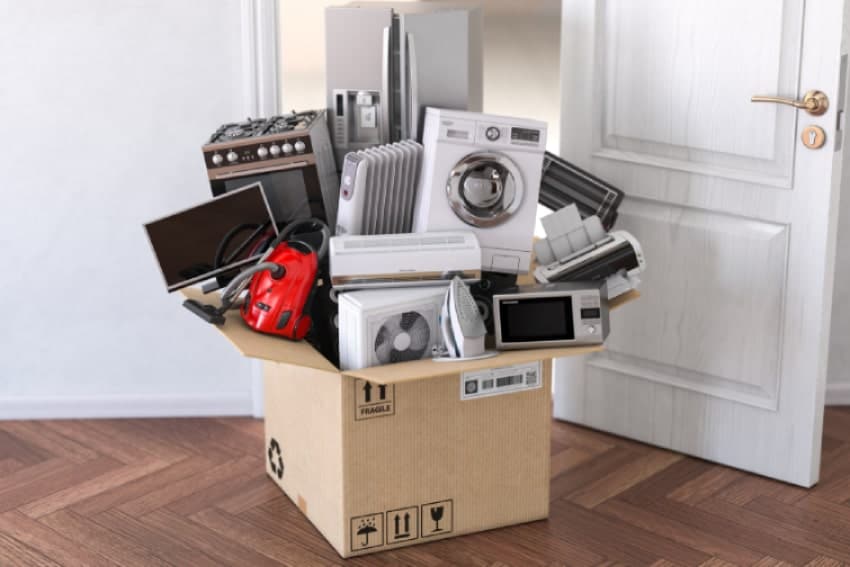
Image Source: wemovetheworld.com
Getting Ready for the Big Move: An Appliance Pre-Move Checklist
Moving appliances needs careful steps. A good plan prevents damage. It also makes your move easier. Think of it as a guide. This guide helps you get ready. It lists what to do. It also lists what you need.
Why a Checklist Matters
A checklist keeps you on track. It helps you remember every step. This stops you from forgetting things. It also saves time. A clear list lowers stress. It makes sure your appliances are safe. They will be ready for the road.
Key Steps Before Packing
Before you pack, do these things:
- Clean Everything: Dirt and food bits can cause issues. Clean all parts well. This includes inside fridges and ovens. Use gentle cleaners. Make sure items are dry.
- Defrost and Dry: If you have a freezer, defrost it. This takes time. Start at least a day before. Water turns to ice. Ice melts into water. Water can damage things. After defrosting, dry inside areas fully. Use towels to soak up all water.
- Secure Loose Parts: Drawers, shelves, and trays can move. They can break during transport. Take them out if you can. Wrap them well. If you cannot remove them, secure them. Use tape or bubble wrap. Make sure tape does not harm surfaces.
- Gather Your Supplies: You will need certain items. Get these before you start. This saves trips to the store. Having the right tools makes the job easier.
Here is a table of essential packing supplies:
| Item Type | Purpose | Key Uses |
|---|---|---|
| Boxes | For small items, parts, and cords | Strong cardboard boxes, various sizes |
| Bubble Wrap | For cushioning fragile parts | Wrapping glass shelves, small appliances |
| Packing Paper | For filling gaps, light wrapping | Protecting surfaces, wrapping internal components |
| Moving Blankets | For large appliance protection | Covering fridges, ovens, dishwashers |
| Packing Tape | For sealing boxes, securing wraps | Heavy-duty tape for strong seals |
| Stretch Wrap | For securing doors, protecting finishes | Keeping doors shut, covering appliance surfaces |
| Appliance Dolly | For moving heavy items easily | Rent or buy for large items like fridges, washers |
| Straps/Ropes | For securing appliances to dollies/trucks | Tie-downs for safe moving |
| Markers | For labeling boxes clearly | Labeling contents, “Fragile,” “Top Load” |
| Tool Kit | For disconnecting, minor disassembly | Wrenches, screwdrivers, pliers |
Big Appliances: Safe Transport
Moving large kitchen appliances is a big task. It needs care. These items are heavy. They can be hard to move. We will look at fridges, dishwashers, and ovens. Each needs a special way to pack. This helps ensure kitchen appliance protection. It also helps with large appliance transport.
The Refrigerator: Keeping It Cool on the Move
Moving a fridge is more than just pulling it out. It needs good preparation. This helps with refrigerator moving safety.
Emptying and Cleaning
- Remove All Food: Take out every food item. Throw away anything that spoils. Give away or eat other food. Do not leave even a tiny bit inside.
- Clean Inside Well: Use warm water and a mild soap. Wipe down all inner surfaces. Clean shelves and drawers. Rinse with clean water. Dry everything fully. A mix of baking soda and water can remove smells.
- Clean Outside: Wipe down the outside too. This includes handles and seals.
Defrosting and Drying
- Unplug First: Always unplug your fridge. Do this at least 24 hours before moving. This gives it time to defrost.
- Place Towels: Put towels on the floor. Place them inside the fridge too. They will catch melting ice. You can also use shallow pans.
- Speed Up Defrosting (Carefully): You can open the door. A fan can help air move. Never use sharp objects to chip ice. This can harm the fridge.
- Dry Completely: After defrosting, wipe every surface dry. Use clean, dry towels. Any moisture can cause mold. It can also cause bad smells. Leave the doors slightly ajar after drying. This lets air in. It keeps smells away.
Disconnecting Fridge Washer (If Combined)
Some fridges have water lines. These lines may go to an ice maker or a water dispenser. Some modern fridges also have small washer features for items.
- Turn Off Water: Find the water shut-off valve. It is usually behind the fridge. Turn the handle to stop the water.
- Disconnect Line: Use a wrench. Carefully loosen the nut that holds the water line. Be ready for some water to come out. Have a bucket or towel ready.
- Drain Line: Let any water in the line drain out.
- Secure Line: Coil the water line. Tape it neatly to the back of the fridge. This keeps it from snagging.
Securing Doors and Shelves
- Remove Loose Parts: Take out all shelves, drawers, and bins. Wrap them in bubble wrap or moving blankets. Box them separately. Label the box “Fridge Parts – Fragile.”
- Secure Non-Removable Parts: If a shelf cannot come out, secure it. Use painter’s tape or stretch wrap. Do not use strong tape directly on finishes. It can leave marks.
- Tape Doors Shut: Use strong packing tape or stretch wrap. Wrap it around the entire fridge. This keeps the doors from swinging open. Swing can damage hinges. It can also damage other items. It also makes moving safer.
Moving Safety Tips (Refrigerator Moving Safety)
- Use an Appliance Dolly: A refrigerator is very heavy. Use an appliance dolly. These dollies have straps. They help hold the fridge in place.
- Strap It Down: Secure the fridge to the dolly. Use the built-in straps. Make sure it is tight.
- Keep It Upright: Try to keep your fridge upright. Laying it down can harm its compressor. If you must lay it down, move it on its side. Wait a few hours before plugging it in. This lets oils settle. We will talk more about this later.
- Plan Your Path: Walk the path from the kitchen to the truck. Remove any obstacles. Open all doors wide. Protect floors with moving blankets.
- Lift with Legs: When lifting, bend your knees. Lift with your leg muscles. Do not lift with your back. Get help from others. Two people should always move a fridge.
The Dishwasher: Readying It for the Road
Dishwashers also need care. They have water lines. They also have moving racks. This dishwasher packing guide helps.
Draining Water
- Unplug and Turn Off Power: Find the power cord. Unplug it from the wall. If it is hardwired, turn off power at the circuit breaker.
- Turn Off Water Supply: Find the water supply valve. It is usually under the sink. Turn it off.
- Disconnect Drain Hose: The drain hose connects to the sink drain or a garbage disposal. Have a bucket ready. Water will drain out. Remove the hose clamp. Pull the hose off.
- Disconnect Water Supply Line: The water supply line brings water to the dishwasher. Disconnect it. More water may come out.
- Absorb Remaining Water: Use towels to soak up any water inside. Dry the tub area completely.
Securing Racks and Parts (Dishwasher Packing Guide)
- Remove Utensil Basket: Take out the basket for forks and spoons. Box it separately.
- Secure Racks: The racks inside can slide around. Pull them out a bit. Wrap them in bubble wrap. Push them back in. Secure them with packing tape. Make sure the tape does not touch parts that will show. You can use stretch wrap.
- Close and Secure Door: Close the dishwasher door. Use painter’s tape or stretch wrap. Wrap it around the door. This keeps it shut during the move.
Protecting the Exterior
- Wrap in Moving Blankets: Cover the entire dishwasher with moving blankets. Secure the blankets with tape or stretch wrap. This protects it from scratches and dents.
- Strap to Dolly: Use an appliance dolly. Strap the dishwasher firmly to the dolly. Move it carefully.
The Oven/Stove: Preparing for Relocation
Ovens and stoves can be gas or electric. Both need careful prep. This oven moving preparation is key.
Cleaning Thoroughly
- Clean Inside and Out: Remove all racks and grates. Clean them well. Clean the inside of the oven. Use oven cleaner if needed. Let it dry completely. Clean the stovetop. Clean all knobs and surfaces. Food bits can attract pests or smell bad.
- Remove All Residue: Make sure no food or grease remains.
Disconnecting Gas or Electric (Oven Moving Preparation)
For Gas Ovens:
* Turn Off Gas: Find the main gas shut-off valve. It is usually behind the stove. Turn it off. It is best to have a qualified person do this. Gas leaks are very dangerous.
* Disconnect Gas Line: A professional should disconnect the gas line. They have the right tools. They also know how to do it safely. Do not try this if you are unsure.
* Cap the Line: Once disconnected, the gas line must be capped. This stops any gas from escaping.
For Electric Ovens:
* Turn Off Power: Go to your home’s breaker box. Find the breaker for the oven. Turn it off. Mark it so you remember.
* Unplug or Disconnect Wires: Most electric ovens plug into a special outlet. Just unplug it. Some are hardwired. You will need to open a plate on the back. Then, carefully disconnect the wires. Be sure the power is off first! Tape the wires together if they are separate.
Securing Racks and Knobs
- Remove Racks and Grates: Take out all oven racks. Remove stovetop grates. Wrap them in packing paper. Box them securely.
- Secure Knobs: Remove any removable knobs. Put them in a bag. Label the bag. Tape the bag to the appliance. If knobs cannot be removed, tape them down. Use painter’s tape for this.
- Secure Oven Door: Use stretch wrap or painter’s tape. Wrap it around the oven door. This keeps it from opening.
Protecting Surfaces
- Wrap in Blankets: Cover the entire stove or oven with moving blankets. Secure them with tape or stretch wrap. This protects the finish. It stops scratches and dents.
- Use Appliance Dolly: Like fridges, ovens are heavy. Use an appliance dolly to move them. Strap them tightly to the dolly.
Washing Machines & Dryers: A Quick Note
While not kitchen appliances, washers and dryers share many packing needs.
- Drain Water: Just like dishwashers, drain all water. Disconnect water lines.
- Secure Drums: Use shipping bolts if you have them. These stop the drum from moving. If not, use blankets to cushion the drum.
- Disconnect: Unplug power. For gas dryers, a professional should disconnect the gas line. For electric, unplug or disconnect wires.
- Damage Prevention Appliance Moving: Wrap well in moving blankets. Use an appliance dolly. Keep them upright if possible.
Small Kitchen Appliances: Easy Boxing
Packing small kitchen appliances is easier. But it still needs care. These items can be fragile. They also have many parts. Proper small kitchen appliance boxing protects them. It helps with fragile kitchen item packing.
General Rules for Small Items
Follow these simple rules for all small appliances:
- Clean First: Always clean items before packing. Remove food bits or grease. Make sure they are dry.
- Original Boxes Best: If you have the original box, use it. These boxes fit the item best. They also have special foam inserts. These inserts protect the item well.
- Wrap Each Piece: Wrap each item separately. Use bubble wrap, packing paper, or foam sheets. Protect any glass parts or sharp blades.
- Fill Gaps: Use crumpled paper or packing peanuts. Fill any empty space in the box. This stops items from shifting. Shifting can cause damage.
- Label Clearly: Write “Fragile” on the box. Write what is inside (e.g., “Blender”). This helps movers be careful. It also helps you unpack.
Specific Examples
Let’s look at common small appliances:
Microwaves
- Clean Inside and Out: Wipe it down well.
- Remove Turntable: Take out the glass plate. Wrap it in bubble wrap. Place it in the same box. Or, box it separately if it is very delicate.
- Secure Cord: Coil the power cord. Use a twist tie or tape to secure it. Tape it to the microwave.
- Box It: Place the microwave in a sturdy box. Add crumpled paper around it.
Toasters, Blenders, Coffee Makers
- Clean and Dry: Make sure they are clean and dry. Empty water from coffee makers. Remove crumbs from toasters.
- Remove Parts: For blenders, take off the pitcher and blades. Wrap them separately.
- Secure Cords: Coil cords. Tape them to the appliance.
- Wrap and Box: Wrap each item in bubble wrap or paper. Place in a box. Fill empty spaces.
Food Processors, Stand Mixers
- Disassemble: Take apart all blades, bowls, and attachments. Wash and dry them.
- Wrap Each Part: Wrap each small part individually. Use bubble wrap for blades.
- Secure Main Unit: Wrap the main motor unit. Coil the cord and tape it down.
- Box Together: Put all parts for one appliance into one box. Or, use a separate box for very fragile parts. Fill gaps well.
Air Fryers, Slow Cookers
- Clean and Dry: Wash and dry removable parts.
- Secure Removable Parts: For slow cookers, take out the ceramic insert. Wrap it well.
- Wrap Main Unit: Wrap the main unit. Secure cords.
- Box It: Place in a sturdy box. Add padding around it.
Here is a quick guide for packing small appliances:
| Appliance Type | Key Steps | Protection Tips |
|---|---|---|
| Microwave | Clean, remove turntable, coil cord | Wrap turntable separately, box with padding |
| Blender | Clean, disassemble pitcher/blades, coil cord | Wrap each part, use original box if possible |
| Toaster | Clean crumbs, coil cord | Wrap in paper/bubble wrap, box securely |
| Coffee Maker | Empty water, clean, coil cord | Protect glass carafe, fill internal spaces with paper |
| Food Processor | Disassemble all parts, clean, coil cord | Wrap blades and bowls separately, keep parts together |
| Stand Mixer | Clean, remove attachments, coil cord | Wrap mixer well, bag small attachments, pad heavily |
| Air Fryer | Clean basket, coil cord | Pad basket well, protect exterior with wrap |
| Slow Cooker | Clean, remove ceramic insert, coil cord | Wrap ceramic insert heavily, pad main unit |
Key Strategies for Appliance Protection
Beyond individual appliance steps, some general rules apply. These rules help with kitchen appliance protection. They are about damage prevention appliance moving.
Using the Right Materials
- Strong Boxes: Use new, strong cardboard boxes. Old, weak boxes can break.
- Plenty of Cushioning: Do not skimp on bubble wrap or packing paper. The more padding, the better.
- Good Tape: Use high-quality packing tape. It should be strong enough to hold heavy boxes.
- Moving Blankets: These are crucial for large appliances. They offer a thick layer of protection.
Padding and Cushioning
- Wrap Individual Parts: Every loose part needs wrapping. This stops dings and scratches.
- Fill Empty Spaces: If a box has empty space, items will shift. Use crumpled paper, peanuts, or foam. This keeps items snug.
- Layer the Bottom: Put a layer of padding on the bottom of boxes. This absorbs shocks.
Securing Cords and Hoses
- Coil Neatly: Gather all cords and hoses. Coil them neatly.
- Use Ties: Use twist ties, zip ties, or tape. Secure the coiled cords. This stops tangles. It also keeps them from snagging.
- Attach to Appliance: Tape the coiled cord to the appliance. This way, it will not get lost. For very heavy cords, place them in a labeled bag. Put the bag in the box with the appliance.
Labeling Boxes
- Be Clear: Write what is inside on at least two sides of the box.
- Add Room Name: Write “Kitchen” on all appliance boxes.
- “Fragile” and “Top Load”: Mark boxes clearly. This tells movers to be gentle. It tells them how to stack boxes.
- Directional Arrows: For items that must stay upright, draw arrows. Write “This Side Up.”
Loading Tips (Damage Prevention Appliance Moving)
- Heavy First: Load the heaviest items first. Place them at the front of the moving truck.
- Secure Them: Use straps or ropes to tie down large appliances. They should not shift during travel.
- Pad Between Items: Put moving blankets or cardboard between appliances. This prevents rubbing and scratches.
- Distribute Weight: Spread the weight evenly in the truck. This makes driving safer.
Hiring Professionals Versus Doing It Yourself
Deciding to move appliances yourself or hire help depends on many factors.
When to Call for Help
- Very Heavy Items: Fridges, ovens, and washers are very heavy. If you lack strength or proper tools, hire movers.
- Complex Disconnections: Gas lines and hardwired electrics are tricky. A professional knows how to disconnect them safely.
- Lack of Proper Gear: If you do not have an appliance dolly, straps, or moving blankets, it adds cost. Movers have all these.
- Time Constraints: Moving is time-consuming. Movers can save you hours of work.
- Safety Concerns: Lifting heavy items can cause injury. Professionals are trained to lift safely.
Benefits of Professional Movers
- Experience: They know the best ways to pack and move appliances.
- Equipment: They have all the right tools. This includes dollies, straps, and ramps.
- Insurance: Most movers offer insurance. This protects your items if damage occurs.
- Efficiency: They can move items faster and more safely than you can.
- Peace of Mind: You do not have to worry about injury or damage.
Post-Move Tips
You have moved your appliances. Now what?
Unpacking and Reconnecting
- Check for Damage: Before unpacking fully, look for any new dents or scratches.
- Position Correctly: Place each appliance in its spot. Make sure it is level.
- Reconnect Safely: Follow the steps to reconnect water lines and power. If you are unsure, hire a pro. For gas appliances, always have a gas professional connect them.
- Clean Again: Give everything a quick wipe down before use.
Waiting Period for Fridges
This is very important. If you laid your fridge on its side for moving, you must wait.
- Why Wait? When a fridge lies down, oils in the compressor can move. They can get into the cooling lines. Plugging it in too soon can damage the compressor.
- How Long to Wait? Most experts say to wait at least 4 hours. Some recommend 24 hours. The longer, the safer. This lets the oils settle back into place.
Frequently Asked Questions (FAQ)
Can I lay my fridge down when moving?
It is best to move a fridge upright. This protects its inner workings. If you must lay it down, put it on its side. Never lay it on its back or front. If you lay it on its side, keep it there only for moving.
How long does a fridge need to sit after moving?
If you move your fridge upright, wait at least 4 hours before plugging it in. If you laid it on its side, wait 24 hours. This lets the oil in the compressor settle.
Do I need special tools to move appliances?
For large appliances, an appliance dolly is very helpful. It is designed to move heavy items. You will also need wrenches for hoses and screwdrivers for panels. Basic tools are usually enough.
Should I move appliances myself or hire movers?
It depends on the appliance and your comfort level. Small appliances are fine for DIY. Large ones are heavy. They can be dangerous to move alone. If you have no help, or are worried, hire professional movers. They have the right tools and training.
Conclusion
Packing kitchen appliances for a move needs careful planning. It needs good tools. Whether you move a fridge, oven, or small blender, take your time. Use this guide. Protect your items. Protect yourself. A little effort now means a smooth, safe move. Your appliances will be ready for your new home.