
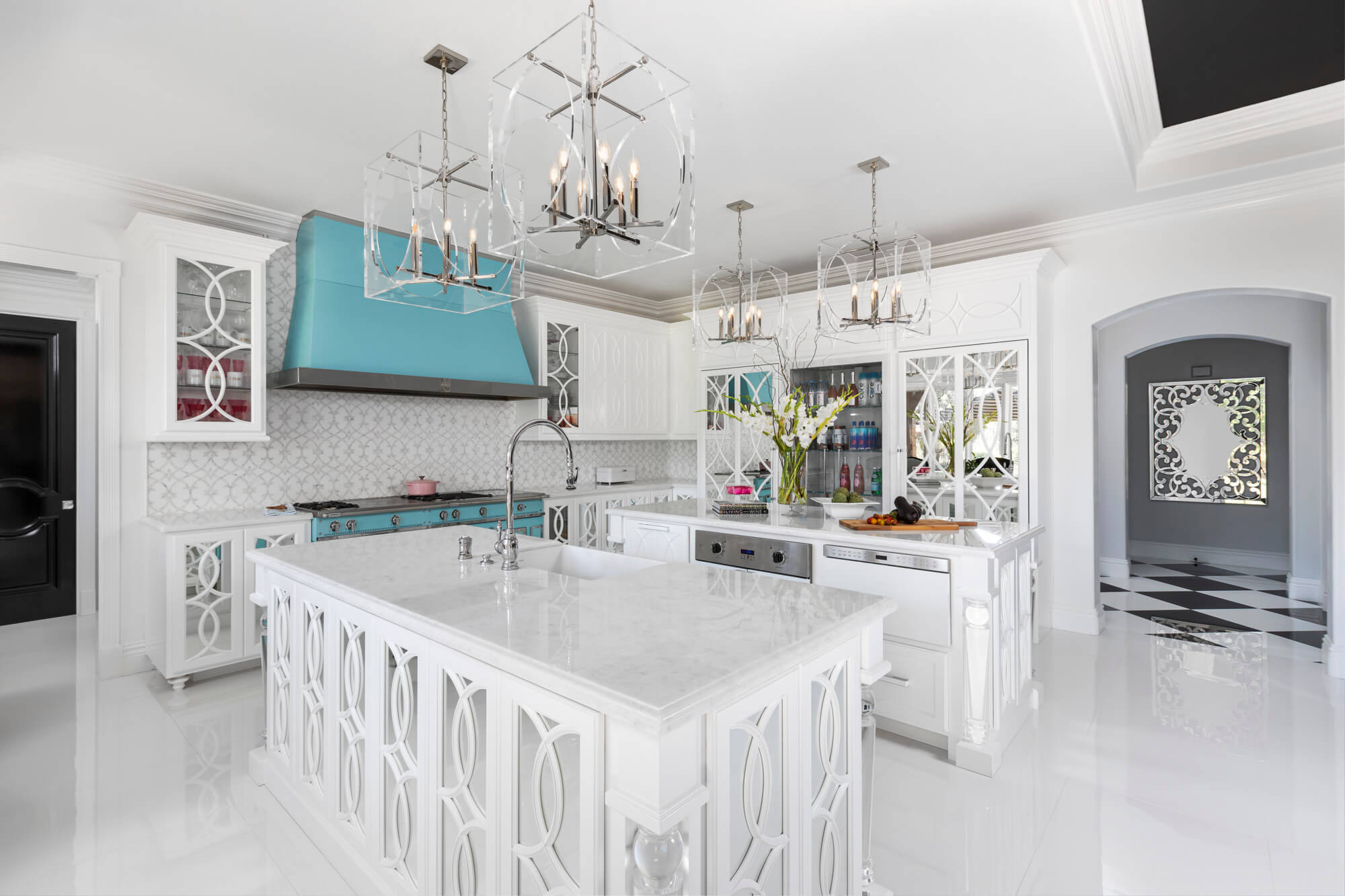
Image Source: www.seapointe.com
How Often Should You Remodel Your Kitchen: The Ultimate Guide
Many people ask, “How often should you remodel your kitchen?” Most kitchens last about 10 to 15 years before they need a big update. This is the general average kitchen remodel lifespan. But some parts, like appliances, might need changes sooner. Other parts, like well-made cabinets, can last much longer. This guide will help you decide when it is the right time for your kitchen. We will look at signs your kitchen needs work, how much it costs, and what return you might get on your money.
Grasping the Average Kitchen Remodel Lifespan
How long does a kitchen remodel really last? A well-done kitchen remodel can serve you well for 10 to 15 years. This is the average kitchen remodel lifespan. But how you use your kitchen matters. If you cook a lot or have many people in your home, things might wear out faster. Good quality materials also make a big difference. They last longer.
Think about how long different parts of your kitchen usually last:
- Appliances: 8-15 years.
- Countertops: 10-30 years (stone lasts longer than laminate).
- Cabinets: 20-50 years or more (
lifespan of kitchen cabinetscan be very long for good ones). - Flooring: 10-25 years (tile lasts longer than vinyl).
- Plumbing fixtures: 15-20 years.
A full remodel often includes new appliances, cabinets, and surfaces. When these start to fail, it is a sign that your kitchen’s useful life is ending. Fixing one thing often leads to fixing another. This is why many people choose a big update every 10 to 15 years. This ensures the whole kitchen works well and looks good.
Spotting the Signals: Signs Your Kitchen Needs an Update
Your kitchen will tell you when it needs a refresh. Knowing the signs your kitchen needs an update can help you plan. Look for these common problems:
Functional Problems
- Broken or old appliances: Your fridge hums too loud. Your oven heats unevenly. Appliances that do not work well waste energy. They also make cooking harder.
When to update kitchen appliancesis often when they stop working right. Or, when they are very old and use too much power. - Lack of space: Do you have enough counter space? Is there room to move around? If your kitchen feels too small or cluttered, it is a sign.
- Poor layout: Does the “work triangle” (sink, stove, fridge) make sense? If you walk too far or bump into things, your layout is bad. A new layout can make cooking much easier.
- Plumbing issues: Leaky faucets or slow drains are annoying. They can also cause water damage. Old pipes might need replacing.
- Storage issues: Are your cabinets overflowing? Can you find what you need easily? If not, you need more or better storage.
Aesthetic Problems
- Outdated look: Kitchen styles change. If your kitchen looks like it is from another decade, it might be time. Think about old colors, dark wood, or old linoleum floors.
Kitchen trends update cycleoften makes older kitchens feel very dated. - Wear and tear: Scratches on counters, chipped tiles, faded cabinet doors. These signs show heavy use. They make your kitchen look tired.
- Faded colors: Sunlight can fade cabinets and floors. This makes your kitchen look dull.
- Cracked surfaces: Cracked tiles or counters are not just ugly. They can also hold dirt and germs.
Lifestyle Changes
- Growing family: Do you need more seating? A bigger pantry? More prep space for family meals?
- New hobbies: Do you bake a lot now? Do you need a special coffee bar? Your kitchen should fit your life.
- Entertaining more: If you host many parties, you might want an open-plan kitchen. This helps people gather easily.
- Accessibility needs: As you age, you might need lower counters or wider pathways.
When you see many of these signs, it is probably time for a kitchen update.
Weighing the Investment: Cost vs Frequency Kitchen Remodel
How much does a kitchen remodel cost? And how often should you spend that money? This is the core of cost vs frequency kitchen remodel. There is no one right answer. It depends on your budget, your needs, and how long you plan to stay in your home.
You can do a small update or a big one:
- Minor Refresh (Light Remodel): This might mean new paint, cabinet refacing, new hardware, or a new sink. It costs less. You might do this every 5-7 years to keep things fresh.
- Mid-Range Remodel: This includes new appliances, new counters, new flooring, and perhaps new cabinet doors. This is a bigger cost. You might do this every 10-15 years.
- Major Overhaul: This changes the layout. It includes new everything: cabinets, appliances, counters, flooring, plumbing, and electrical. This is the most costly. This is typically done once every 15-20 years, or when you first buy an old home.
Consider this: spending a little bit more often on small updates can prevent a very large cost later. But a full remodel often gives the best change.
Here is a general idea of costs. These can change a lot based on where you live and the materials you pick.
| Remodel Type | What It Includes | Average Cost Range ($) |
|---|---|---|
| Minor Refresh | Paint, cabinet refacing, new hardware, fixtures. | $10,000 – $25,000 |
| Mid-Range Remodel | New appliances, counters, flooring, cabinet updates. | $25,000 – $75,000 |
| Major Overhaul | New layout, all new components, structural changes. | $75,000 – $150,000+ |
Choosing the right frequency means balancing your budget with your needs. If you plan to sell soon, a minor refresh might be enough to boost value. If you plan to stay for many years, a major overhaul makes more sense. It gives you the kitchen of your dreams for a long time.
Deciphering the Kitchen Renovation Timeline
A kitchen remodel does not happen overnight. Knowing the kitchen renovation timeline helps you plan. It also sets your hopes right. A full kitchen renovation usually takes several weeks to a few months. This depends on the size of your kitchen and how big the changes are.
Here are the main steps in a typical kitchen remodel and how long they might take:
1. Planning and Design (2-6 Weeks)
- Dreaming: Decide what you want. Look at pictures.
- Meeting with Pros: Talk to designers and contractors. Get ideas and quotes.
- Picking Materials: Choose cabinets, counters, flooring, and appliances. This takes time. Some items, like custom cabinets, have long wait times.
- Getting Permits: Big changes like moving walls need permits. This can take weeks.
2. Demolition (1-3 Days)
- This is when the old kitchen comes out. It is quick but messy.
3. Rough-Ins (1-2 Weeks)
- Plumbing: New pipes for sinks and dishwashers.
- Electrical: New wires for lights and outlets.
- HVAC: Moving vents if needed.
- Framing: Building new walls or opening up spaces.
4. Inspections (1-3 Days, spread out)
- Local officials check the rough-ins. This must happen before walls are closed up. There can be delays if things are not right.
5. Closing Up Walls and Painting (1-2 Weeks)
- New drywall goes up.
- Walls are taped, mudded, and sanded.
- Then comes the paint or wallpaper.
6. Installation (2-4 Weeks)
- Cabinets: New cabinets are put in first. This is a big step.
- Flooring: New floor goes in next.
- Countertops: Templates are made after cabinets are in. Then the counters are cut and installed. This can take a week or two by itself.
- Appliances: Dishwasher, fridge, stove, and microwave are put in.
- Fixtures: Sink, faucet, and lights are installed.
7. Finishing Touches (1-2 Weeks)
- Backsplash: Tiles are put on the walls.
- Punch List: Contractor fixes any small issues.
- Cleaning: The final clean-up.
Here is a simple table to show the timeline:
| Stage | Typical Timeframe | Key Activities |
|---|---|---|
| Planning & Design | 2 – 6 Weeks | Decide on layout, select materials, get permits. |
| Demolition | 1 – 3 Days | Remove old kitchen. |
| Rough-Ins (Plumbing, Electric) | 1 – 2 Weeks | Install new pipes, wires, and framework. |
| Inspections | 1 – 3 Days (as needed) | City officials check work. |
| Walls & Painting | 1 – 2 Weeks | Install drywall, paint walls. |
| Installation | 2 – 4 Weeks | Cabinets, flooring, countertops, appliances. |
| Finishing Touches | 1 – 2 Weeks | Backsplash, hardware, final cleaning. |
| Total Project Time | 6 – 12+ Weeks (Typical) | Varies greatly based on scope and material lead times. |
This how long does kitchen remodel last timeframe shows that patience is key. It is a big job.
Optimal Time for Kitchen Remodel: When to Start
Is there a optimal time for kitchen remodel? Yes, in some ways. Thinking about the best time can save you money and stress.
Best Season for Remodeling
- Late Winter/Early Spring: Many people think about home projects in spring. Contractors might be busy. But if you book early, you might get good deals.
- Fall: This is often a good time. Summer is over, and holidays are not here yet. Contractors may be less busy than in spring. You might get better prices. It is also good because you finish before the winter holidays.
- Summer: Can be busy for contractors. Also, it might be hot without a working kitchen. Dust can spread when windows are open.
- Winter: Can be slow for contractors, so you might get a better rate. But weather can cause delays. Also, it is hard to be without a kitchen during holidays.
Personal Timing
- Financial Readiness: Make sure you have the money saved. Or, you have a loan ready. Do not start a remodel if you are not ready to pay for it.
- Life Events: Are you having a baby? Moving soon? Plan your remodel around big life changes. You do not want extra stress during these times.
- Vacation: Some people start a remodel right before a vacation. This way, they are not home for the messy parts. But you need to trust your contractor fully.
Market Conditions
- Selling Your Home: If you plan to sell soon, remodel before putting your house on the market. A fresh kitchen can raise your home’s value. But do not overspend. Pick a remodel that fits your neighborhood.
- Buying an Older Home: If you just bought an older house, now is a great time. You can make it your own before you move all your things in.
There is no perfect time for everyone. But picking a time that fits your life and the market can make the process smoother.
Updating Appliances: When and Why
You do not always need a full kitchen overhaul to update kitchen appliances. Sometimes, just new appliances can make a big difference.
When to Update
- Age: Most appliances last 8 to 15 years. If yours are older, they might be ready for a change.
- Frequent Repairs: If you are calling for repairs often, it is time for new ones. Repair costs add up.
- Energy Use: Older appliances use more power. New models are much more energy-efficient. They can save you money on bills.
- Performance Issues: Your dishwasher does not clean well. Your fridge does not keep food cold enough. These are clear signs.
- Matching Look: If you are doing a small refresh, new appliances can make the whole kitchen look better. They can match your new style.
- Smart Features: New appliances have smart features. You can control them with your phone. This can be very handy.
How Appliances Affect Your Kitchen Remodel
- Size Matters: If you buy new appliances that are a different size, they might not fit. You might need to change cabinets or counters.
- Placement: Think about the best place for your new appliances. Does your current layout work for a bigger fridge?
- Budget: Appliances are a big part of the kitchen remodel cost. Plan for them in your budget.
Even if you do not do a full remodel, new appliances can make your kitchen feel new. They can save you money on energy. They can also make cooking and cleaning easier.
Navigating Kitchen Trends: The Update Cycle
Kitchen trends update cycle often. What is popular today might not be in 5 or 10 years. So, should you follow trends or stick to classic styles?
How Fast Do Trends Change?
- Colors and Finishes: These change often. Think of dark wood, then white, then gray, then two-tone cabinets. Brass hardware was out, now it is in again.
- Layouts: These change slower. Open concepts have been popular for a long time. But now some people like a separate pantry or a “messy kitchen” hidden away.
- Materials: Laminate counters were popular, then granite, then quartz. New materials come out all the time.
Timeless vs. Trendy Choices
- Timeless: Choose classic colors for big items like cabinets and counters. White, off-white, light gray, and natural wood tones often stay in style longer. Simple lines are also timeless. Stainless steel appliances are usually a safe bet.
- Trendy: Use trends for things that are easy and cheap to change. Think paint colors, light fixtures, cabinet hardware, or a backsplash. These can be swapped out without a full remodel.
Making Choices That Last
- Function First: A kitchen that works well will always be in style. Good layout and plenty of storage are key.
- Personal Taste: Your kitchen is for you. Pick things you love, not just what is popular.
- Mix and Match: Use some classic elements and some trendy ones. This gives you a fresh look that is not too “of the moment.”
- Durability: Choose materials that will last. A durable quartz counter might cost more now. But it will look good for 20 years. A trendy but flimsy counter might need replacing sooner.
Do not feel you need to remodel just because trends change. A full remodel every 10 to 15 years is more about function and wear. If you want to feel updated between big remodels, change small, trendy items.
Realizing the Gain: Return on Investment Kitchen Renovation
When you spend money on a kitchen remodel, you often get some of that money back when you sell your home. This is called return on investment kitchen renovation (ROI).
What is ROI?
ROI tells you how much value a project adds to your home. It is not always 100%. For example, if you spend $50,000, you might get $35,000 back in added home value. That is a 70% ROI.
ROI for Different Remodel Types
- Minor Kitchen Remodel: This usually gives the best ROI. You spend less, but the updates make a big difference. For example, refacing cabinets, new paint, new hardware, and new appliances. This can return 70-80% of the cost.
- Mid-Range Kitchen Remodel: This includes more new items. Think new semi-custom cabinets, new countertops, new flooring, and new appliances. The ROI can be around 50-70%.
- Major Kitchen Remodel: This is the most expensive. It changes the layout and everything is new. The ROI can be lower, often 40-60%. You spend a lot, and it is harder to get all that money back.
Here is a general look at ROI:
| Remodel Type | Average Cost Range ($) | Average ROI (%) |
|---|---|---|
| Minor Refresh | $10,000 – $25,000 | 70% – 80% |
| Mid-Range Remodel | $25,000 – $75,000 | 50% – 70% |
| Major Overhaul | $75,000 – $150,000+ | 40% – 60% |
Note: These are averages. Your ROI will depend on your home’s value, your neighborhood, and the quality of your remodel.
Factors Affecting ROI
- Location: Hot housing markets often see higher ROI.
- Home Value: The remodel should fit your home’s overall value. Do not put a $100,000 kitchen in a $200,000 home.
- Quality of Work: A good job always adds more value.
- Trends: A very trendy kitchen might not appeal to all buyers later. A timeless design has broader appeal.
- Market Demand: How many buyers are looking for homes in your area? If many, a good kitchen is a big plus.
A kitchen remodel is a big expense. But it can be a smart investment in your home’s value. It also improves your daily life.
Lifespan of Kitchen Cabinets: A Closer Look
The lifespan of kitchen cabinets varies a lot. Cabinets are a big part of your kitchen’s look and cost. Some cabinets last a lifetime. Others might need to be replaced sooner.
Types of Cabinets and Their Durability
- Stock Cabinets: These are ready-made. They are cheaper. They might last 10-15 years. Their lifespan depends on the material (often particle board) and how well they are made.
- Semi-Custom Cabinets: These are made to order, but from set sizes. They offer more choices than stock. They usually use better materials like plywood. They can last 20-30 years.
- Custom Cabinets: These are built exactly for your kitchen. They use the best materials and craftsmanship. They can last 50 years or even longer. They are the most expensive.
What Affects Cabinet Lifespan?
- Material: Solid wood lasts longest. Plywood is very good. Particle board is less durable and can swell with water.
- Finish: A strong, well-applied finish protects the wood. It stops scratches and moisture damage.
- Construction: How the pieces are joined matters. Dovetail joints are stronger than staples.
- Use: Heavy daily use, especially with kids, can wear cabinets out faster.
- Moisture: Water splashes or leaks can cause damage over time.
Extending Cabinet Life
- Clean Regularly: Wipe spills right away. Use gentle cleaners.
- Protect from Moisture: Fix leaks quickly. Do not let water sit on surfaces.
- Use Them Gently: Do not slam doors or drawers.
- Tighten Hardware: Screws can loosen over time. Tighten them to keep doors straight.
- Maintain Finish: If the finish wears, consider re-oiling or re-sealing them.
Refacing vs. Replacing
If your cabinet boxes are strong, but the doors and look are old, you can reface them. This means new doors, drawer fronts, and a new finish on the old boxes. It costs less than new cabinets. It also takes less time.
If your cabinets are falling apart, replacing them is the best choice. This ensures a strong, new structure.
Knowing about cabinet lifespan helps you decide if you need a full cabinet swap or just a facelift.
Making Your Kitchen Last: Tips for Longevity
You have spent time and money on your kitchen. Now, you want it to last as long as possible. Here are simple tips to help your kitchen stay in great shape for many years.
- Wipe Spills Fast: Water and food spills can damage surfaces. Wipe them up right away. This is extra important for wood floors and cabinet bases.
- Use Gentle Cleaners: Harsh chemicals can harm finishes on counters, cabinets, and appliances. Read the care instructions for your materials. Often, warm water and mild soap are all you need.
- Protect Surfaces: Use cutting boards. Do not cut directly on counters. Use trivets under hot pans. Put pads under heavy items to prevent scratches.
- Clean Appliances Often: Clean your oven after big messes. Wipe down your fridge. Clean the dishwasher filter. This helps them work better and last longer.
- Check for Leaks: Look under sinks and around the dishwasher often. Small leaks can turn into big problems. Fix them right away.
- Maintain Grout and Caulk: Grout between tiles and caulk around sinks can wear out. If you see cracks or mold, redo them. This keeps water out.
- Tighten Hardware: Screws on cabinet hinges and drawer slides can loosen. Tighten them once a year to keep things working smoothly.
- Use Range Hood: Turn on your range hood when cooking. This pulls out steam, grease, and smells. This keeps grease from building up on cabinets and walls.
- Address Issues Early: If something breaks, fix it quickly. A small problem can become a big, expensive one if you wait.
Following these simple steps can add years to your kitchen’s life. It will also keep it looking good. This means you do not need to remodel as often.
Deciding on Your Next Kitchen Update
Deciding when to remodel your kitchen is a big choice. It is not just about how old your kitchen is. It is about how it works for you, how it looks, and what your budget allows.
Think about these key points:
- Age and Wear: If your kitchen is 10-15 years old, or parts are breaking down often, it is likely time.
- Functionality: Does your kitchen work for your life? If the layout is bad or you lack space, a remodel can fix this.
- Aesthetics: Does your kitchen feel old and tired? A fresh look can make you love your home again.
- Cost vs. Benefit: Consider how much you can spend. Think about the value a remodel will add to your home. Also think about the value it will add to your daily life.
A kitchen is the heart of the home. A well-planned remodel can make it a place you truly enjoy. It can also be a smart investment. Take your time, plan well, and create a kitchen that fits your needs for years to come.
Frequently Asked Questions (FAQ)
H4: How long does a typical kitchen renovation timeline take?
A typical full kitchen renovation usually takes 6 to 12 weeks. This includes planning, demolition, installation, and finishing work. Small updates can be quicker. Major overhauls, especially with structural changes, can take longer.
H4: What is the average kitchen remodel lifespan before needing another update?
Most kitchen remodels last 10 to 15 years. Some parts, like appliances, might need replacing sooner (8-15 years). Well-made cabinets can last 20-50 years or more.
H4: What are the main signs your kitchen needs an update?
Key signs include broken or old appliances, a bad layout, not enough space, outdated styles, damaged surfaces, or if your kitchen no longer fits your family’s needs.
H4: How often should I update kitchen appliances?
Appliances usually need updating every 8 to 15 years. You should update them sooner if they break often, use too much energy, or do not work well.
H4: Does a kitchen remodel have a good return on investment (ROI)?
Yes, a kitchen remodel can have a good return on investment. Minor remodels often give the best ROI (70-80%). Mid-range remodels are good too (50-70%). Even major remodels add value, but often at a lower ROI (40-60%) compared to the cost.
H4: What is the lifespan of kitchen cabinets?
The lifespan of kitchen cabinets depends on their quality. Stock cabinets might last 10-15 years. Semi-custom cabinets can last 20-30 years. High-quality custom cabinets can last 50 years or even longer. Good care also helps them last.