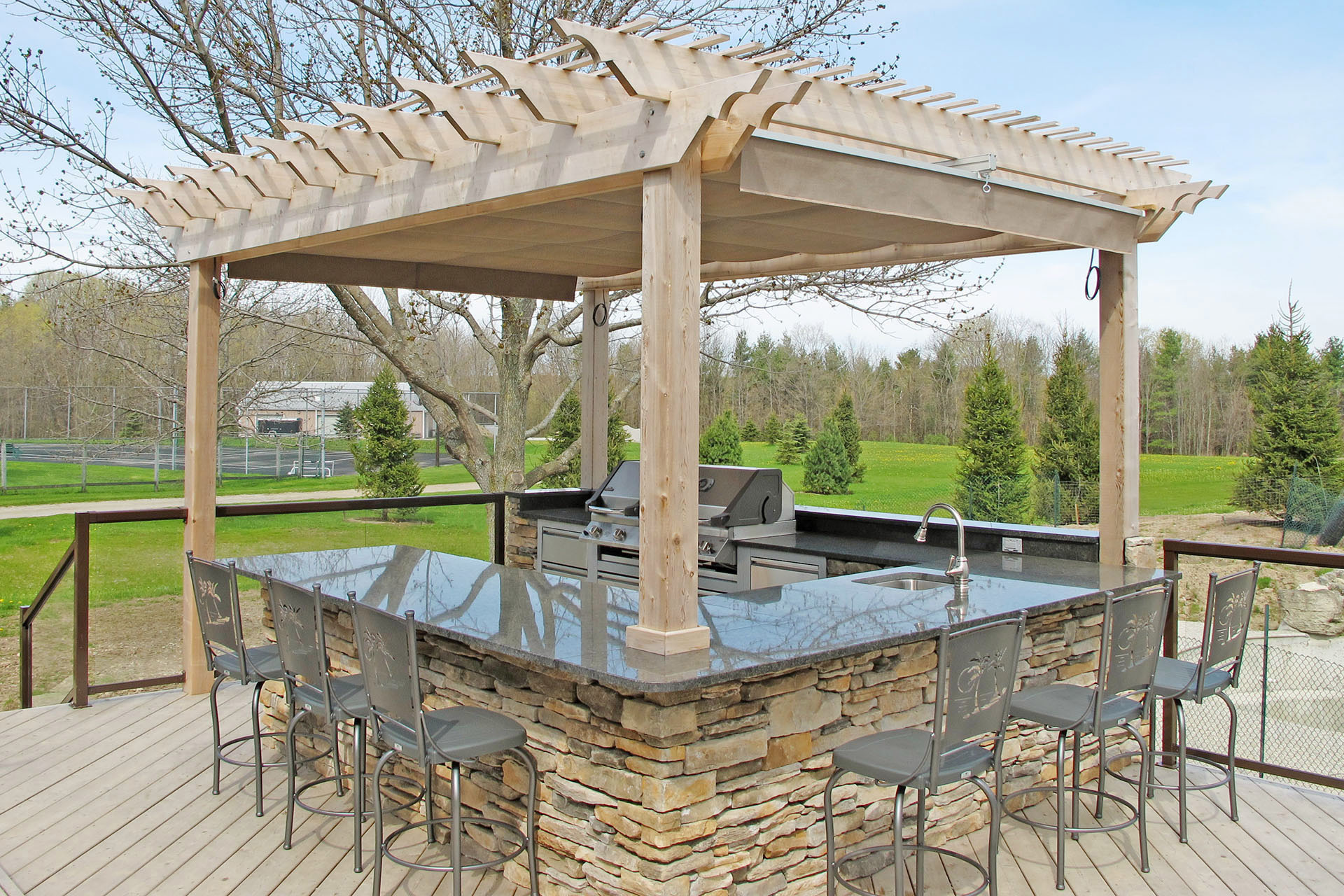
Image Source: shadefx.com
Canopy For Outdoor Kitchen: Options
What kind of canopy is best for an outdoor kitchen? The best canopy for your outdoor kitchen depends on your budget, desired style, and the level of protection you need from the sun and elements. Options range from simple awnings to fully enclosed structures.
Creating a functional and enjoyable outdoor kitchen space involves more than just installing a grill and countertops. Protection from the elements is crucial, and a well-chosen outdoor kitchen cover can make all the difference. This guide will explore the various canopy for outdoor kitchen options available, helping you find the perfect kitchen patio roof, kitchen shade structure, or outdoor cooking shelter to enhance your al fresco dining and entertaining experience. We’ll delve into materials, styles, and considerations to ensure your outdoor cooking oasis is both practical and beautiful.
Why a Canopy is Essential for Your Outdoor Kitchen
An outdoor kitchen, while a fantastic amenity, is exposed to the full force of nature. Sun, rain, wind, and even falling debris can impact its usability and longevity. A proper outdoor kitchen cover provides several key benefits:
- Weather Protection: This is the primary reason. It shields your cooking appliances (grill, side burners, refrigerator) from direct sunlight, which can cause materials to fade or crack. More importantly, it keeps them dry during rain, preventing rust and damage. It also offers a comfortable space for cooking and dining even during light showers.
- Enhanced Usability: Imagine trying to cook on a sweltering sunny day or when a sudden downpour hits. A canopy creates a shaded, comfortable environment, allowing you to use your outdoor kitchen more frequently and for longer periods.
- Appliance Longevity: By protecting your expensive outdoor kitchen equipment from harsh weather, you can significantly extend its lifespan. This includes protecting the electronics in smart grills and the finishes on stainless steel components.
- Comfort for Diners: Your guests will appreciate a comfortable space to eat, protected from sun glare and light rain. This makes your outdoor dining area more inviting and enjoyable.
- Aesthetic Appeal: A well-designed kitchen patio cover can become a focal point of your outdoor space, adding architectural interest and defining the kitchen area. It can tie together the entire look and feel of your backyard.
- Pest Deterrence: While not a complete solution, a roof can offer some protection from falling insects and bird droppings, keeping your cooking surfaces cleaner.
Exploring Your Canopy Options
When selecting a canopy for outdoor kitchen needs, you’ll find a diverse array of choices. Each offers unique advantages in terms of style, durability, cost, and the level of protection it provides.
1. Pergolas: Architectural Elegance and Partial Shade
A pergola for outdoor kitchen is a popular choice for its classic aesthetic and ability to provide partial shade. Pergolas are open structures with horizontal beams and rafters, often supported by posts.
Pergola Designs and Materials
- Wood Pergolas: These offer a natural, warm look and can be stained or painted to match your home’s exterior. Common wood types include cedar, redwood, and pressure-treated pine. They require regular maintenance to prevent weathering.
- Vinyl/PVC Pergolas: Low maintenance and durable, vinyl pergolas resist rot, insects, and fading. They come in various colors and styles, often mimicking the look of wood.
- Metal Pergolas: Aluminum and steel pergolas are very strong and can have modern or traditional designs. They are resistant to rust and require minimal upkeep.
- Composite Pergolas: Made from a blend of wood fibers and plastic, these offer the look of wood with enhanced durability and low maintenance.
Considerations for Pergolas
- Shade Level: Traditional pergolas offer dappled shade. For more protection, you can add a retractable canopy, shade sails, or a lattice roof.
- Structural Integrity: Ensure the pergola is robust enough to support any additional roofing material or overhead lighting you might add.
- Cost: Wood pergolas can be more affordable upfront, while vinyl and composite options may have a higher initial cost but lower long-term maintenance expenses.
2. Retractable Awnings: Flexibility and Sun Control
A kitchen awning is a fantastic option if you desire flexibility in controlling sunlight and shade. These are typically fabric coverings attached to your house, extending outwards over the cooking area.
Types of Retractable Awnings
- Manual Awnings: Operated by a hand crank, these are generally more affordable.
- Motorized Awnings: Controlled by a remote or switch, offering effortless operation. Many motorized awnings also come with wind sensors that automatically retract them in strong gusts.
Material and Durability
- Acrylic Fabric: The most common choice, acrylic is UV-resistant, water-repellent, and breathable, preventing mildew. It comes in a vast array of colors and patterns.
- Vinyl Fabric: More waterproof than acrylic, vinyl can be a good option for heavier rain protection but may be less breathable.
Pros and Cons of Awnings
- Pros: Excellent sun control, can be retracted when not needed, relatively easy to install, and can add a splash of color.
- Cons: Not suitable for heavy rain or strong winds, can be susceptible to damage from falling branches, and may require periodic fabric replacement.
3. Hardtop Covers: Robust Protection and Year-Round Use
For superior protection from sun, rain, and even light snow, a hardtop kitchen patio cover is an excellent investment. These structures have a solid roof, offering a more permanent and robust solution.
Common Hardtop Materials
- Aluminum: Lightweight, rust-resistant, and durable, aluminum is a popular choice for roofing panels. It can be finished in various colors.
- Steel: Stronger than aluminum, steel offers excellent durability but can be prone to rust if not properly coated or maintained.
- Polycarbonate: These clear or tinted panels allow light to pass through while blocking UV rays and providing rain protection. They are impact-resistant and lightweight.
- Composite Materials: Similar to those used in pergolas, these can offer a wood-like appearance with added weather resistance.
Structural Options for Hardtops
- Attached Roofs: These are extensions of your home’s existing roofline, seamlessly blending with your architecture. They offer excellent weatherproofing.
- Freestanding Roofs: These structures are supported by their own posts and can be placed anywhere in your yard, offering more design flexibility. They are a great option for covering a standalone outdoor kitchen island.
Advantages of Hardtop Covers
- Superior Weather Protection: Offers the most comprehensive protection against sun, rain, and wind.
- Durability: Built to last, with materials that can withstand harsh weather conditions.
- Increased Usability: Allows for cooking and dining in a wider range of weather conditions.
4. Gazebos: A Defined Outdoor Room
A kitchen gazebo provides a distinct, enclosed space for your outdoor kitchen, offering a charming and functional solution. Gazebos are typically octagonal or hexagonal structures with a pitched roof.
Gazebo Features
- Roofing Materials: Can include shingles (asphalt, wood, metal), metal panels, or polycarbonate.
- Side Panels: Some gazebos offer optional screens, solid walls, or decorative railings for added privacy and protection.
- Built-in Features: Higher-end gazebos might include built-in benches, lighting, or even electrical outlets.
Suitability for Outdoor Kitchens
A kitchen gazebo can effectively house your entire outdoor kitchen setup, creating a dedicated “room” in your backyard. Ensure adequate ventilation for your grill and proper clearance for safety.
5. Shade Sails: Modern and Versatile
Shade sails are a contemporary and cost-effective way to provide kitchen shade structure for your outdoor kitchen. They are made from durable, UV-resistant fabric and are typically suspended from poles or existing structures.
Shade Sail Designs
- Single Sails: A simple triangle or square of fabric.
- Multiple Sails: Combining several sails at different heights and angles creates a dynamic and visually appealing kitchen shade structure.
Benefits and Limitations
- Pros: Affordable, aesthetically pleasing, customizable, and easy to install and remove. They offer excellent sun protection.
- Cons: Primarily offer sun shade and light rain protection; they do not provide robust protection against heavy rain or strong winds.
6. Outdoor Kitchen Enclosures: Ultimate Protection
For the ultimate in protection, consider an outdoor kitchen enclosure. This is essentially a more permanent structure that can be fully or partially enclosed, offering protection from all elements.
Enclosure Options
- Screened Enclosures: These structures feature screens on all sides, keeping out insects while allowing airflow and some protection from light rain and sun.
- Partially Enclosed Structures: These might have solid walls on one or two sides for wind and rain protection, with open sides for an open-air feel.
- Fully Enclosed Rooms: These are essentially outdoor rooms with solid walls, doors, and windows, offering complete protection from the elements. These are often referred to as “outdoor rooms” rather than just canopies.
Considerations for Enclosures
- Ventilation: Crucial for safety when cooking. Ensure proper airflow, especially if you have a gas grill.
- Building Permits: Depending on the size and complexity of the enclosure, you may need to obtain building permits.
- Cost: Enclosures are typically the most expensive option but offer the highest level of protection and functionality.
Key Factors to Consider When Choosing Your Canopy
Beyond the different types of structures, several practical factors will influence your decision:
Material Durability and Maintenance
- Wood: Requires regular sealing and staining to prevent rot and insect damage.
- Metal (Aluminum, Steel): Generally low maintenance, but steel can rust if not properly treated.
- Vinyl/PVC: Very low maintenance, easy to clean.
- Fabric (Awnings, Sails): Needs to be cleaned periodically and may need replacement after several years of UV exposure. Retractable awnings require proper care to ensure smooth operation.
- Polycarbonate: Easy to clean and generally durable.
Budget Allocation
The cost of a canopy for outdoor kitchen can vary significantly.
| Canopy Type | Estimated Cost Range (Low to High) |
|---|---|
| Shade Sails | $100 – $500 |
| Basic Pergola Kit | $500 – $2,000 |
| Retractable Awning | $800 – $3,000+ |
| Hardtop Patio Cover | $2,000 – $10,000+ |
| Gazebo | $1,000 – $7,000+ |
| Outdoor Kitchen Enclosure | $5,000 – $25,000+ |
Note: These are estimated ranges and can vary based on size, materials, brand, and professional installation costs.
Climate and Local Weather Patterns
- High Winds: Opt for robust structures like hardtop covers or well-anchored pergolas. Retractable awnings should have wind sensors.
- Heavy Rain: A solid roof or a well-sloped, waterproof fabric is essential.
- Intense Sun: Look for UV-resistant materials and consider designs that offer significant shade.
Aesthetics and Style
Your canopy should complement the architecture of your home and the overall style of your backyard.
- Modern: Clean lines, metal pergolas, or sleek shade sails.
- Traditional: Wood pergolas, classic gazebos, or fabric awnings in muted colors.
- Rustic: Natural wood pergolas, possibly with a stone base.
Installation and DIY vs. Professional
- DIY: Shade sails, simple awnings, and basic pergola kits can often be installed by the homeowner with basic tools and skills.
- Professional Installation: For larger, more complex structures like hardtop covers, attached roofs, gazebos, and full enclosures, professional installation is highly recommended to ensure structural integrity and safety.
Local Building Codes and Permits
Always check with your local municipality regarding building codes, zoning regulations, and whether permits are required for your chosen kitchen patio cover or outdoor cooking shelter.
Enhancing Your Canopy with Additional Features
Once you’ve chosen your primary outdoor kitchen cover, consider these enhancements:
- Lighting: Integrated lighting in pergolas or along the edges of a patio cover can extend the usability of your outdoor kitchen into the evening.
- Fans: Ceiling fans mounted under a pergola or cover can significantly improve comfort on hot days.
- Heaters: Outdoor heaters can extend the season, allowing you to enjoy your outdoor kitchen even on cooler evenings.
- Gutters and Downspouts: For hardtop covers, gutters help manage rainwater runoff, preventing pooling around your kitchen area.
- Built-in Storage: Some structures can be designed with integrated storage for cushions, grilling tools, or firewood.
Frequently Asked Questions (FAQ)
Q1: Do I need a permit for a canopy for my outdoor kitchen?
A1: It depends on your local building codes. Larger, more permanent structures like hardtop covers, gazebos, and enclosures often require permits. It’s always best to check with your local building department before starting any construction.
Q2: How much shade will a pergola provide for my outdoor kitchen?
A2: A standard pergola with open rafters offers dappled shade. For more substantial shade, you can add a fabric canopy, retractable shade sails, or a lattice roof.
Q3: Can I grill under a kitchen awning?
A3: This depends on the awning material and proximity to the grill. Some fabric awnings may not be suitable for direct heat and smoke from a grill. It’s crucial to check the manufacturer’s specifications and maintain a safe distance. Hardtop covers are generally safer for grilling directly beneath them, provided there is adequate ventilation.
Q4: What is the most durable material for an outdoor kitchen cover?
A4: For long-term durability and protection against the elements, hardtop covers made from aluminum or polycarbonate are generally considered the most robust.
Q5: How do I maintain a wooden pergola for my outdoor kitchen?
A5: A wooden pergola requires regular cleaning, sanding, and resealing or staining (typically annually or bi-annually) to protect it from moisture, UV rays, and insects.
Q6: Can a kitchen gazebo protect my appliances from heavy rain?
A6: Yes, if the gazebo has a solid, waterproof roof, it will provide excellent protection from heavy rain. Ensure the structure is well-built and the roof is properly sealed.
Q7: Are shade sails a good option for rain protection?
A7: Shade sails primarily offer protection from sun and light rain. They are not designed to withstand heavy downpours or strong winds, as water can pool and cause the fabric to sag or tear.
Q8: What is the difference between an outdoor kitchen cover and an outdoor kitchen enclosure?
A8: An outdoor kitchen cover is typically a roof or canopy that provides overhead protection. An outdoor kitchen enclosure is a more complete structure, often with walls (solid or screened) that offer protection from wind and insects in addition to overhead coverage.
By carefully considering these options and factors, you can select the perfect canopy for outdoor kitchen to create a functional, comfortable, and beautiful space for all your outdoor culinary adventures. Whether you opt for the simple elegance of a pergola for outdoor kitchen, the flexibility of a kitchen awning, or the robust protection of a hardtop kitchen patio cover, the right kitchen shade structure will elevate your outdoor living experience.