
Can you reupholster a kitchen chair yourself? Yes, you absolutely can! Reupholstering your kitchen chairs is a fantastic way to refresh your dining space, save money, and unleash your creativity. It’s a rewarding DIY project that can transform tired-looking seats into stylish focal points for your kitchen chair makeover. This guide will walk you through the entire process, from picking the perfect fabric for kitchen chairs to finishing your beautiful DIY chair upholstery.
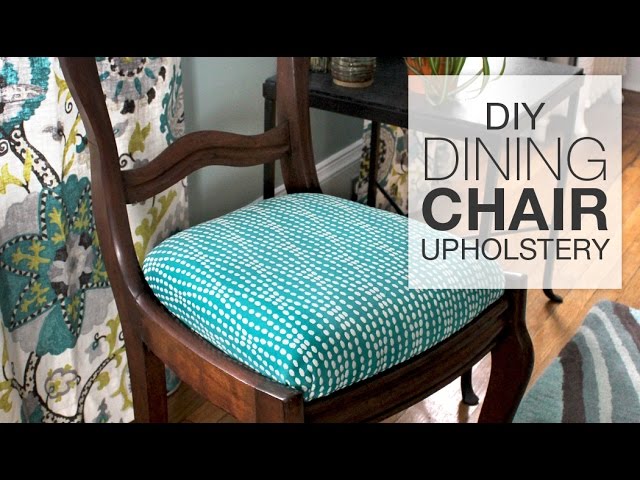
Image Source: i.ytimg.com
Why Reupholster Your Kitchen Chairs?
Over time, the upholstery on your kitchen chairs can become worn, stained, or simply out of style. Instead of buying new chairs, which can be a significant expense, reupholstering offers a cost-effective and environmentally friendly alternative. It’s also a great way to personalize your home and achieve a look that’s uniquely yours. Whether you’re dealing with a ripped seat, faded fabric, or just a desire for a change, this project is well within your reach.
Getting Started: What You’ll Need
Before you dive in, gather all your supplies. Having everything ready will make the process smoother and more enjoyable.
Essential Upholstery Tools and Materials
- New Fabric: Choose durable and washable fabric for kitchen chairs. Cotton blends, vinyl, or outdoor fabrics are good options as they are easy to clean.
- New Upholstery Foam or Batting: For comfort and a plump look. You might also consider chair seat padding for extra cushioning.
- Staple Gun and Staples: An electric or pneumatic staple gun is ideal for a clean finish, but a heavy-duty manual staple gun can also work.
- Screwdriver: To remove the chair seat from the base.
- Scissors: Sharp fabric scissors are essential for clean cuts.
- Utility Knife or Rotary Cutter: For trimming excess fabric and foam.
- Measuring Tape: For accurate fabric measurements.
- Pliers or Staple Remover: To carefully remove old staples.
- Gloves: To protect your hands.
- Dust Mask: To protect yourself from dust and debris.
- Optional: Tack Strip or Decorative Studs: For a more professional finish.
- Optional: Spray Adhesive: To secure foam to the seat base.
- Optional: Hot Glue Gun: For small fabric adjustments or securing edges.
Step-by-Step Guide to Reupholstering Your Kitchen Chair
This detailed guide will help you tackle replacing chair cushions with confidence.
Step 1: Dismantle the Chair Seat
The first step in dining chair seat repair is to carefully remove the seat from the chair frame.
- Turn the chair upside down.
- Locate the screws or bolts that attach the seat to the chair base. These are usually found on the underside of the seat.
- Use your screwdriver to remove these fasteners. Keep them in a safe place, perhaps in a small baggie taped to the underside of the seat for safekeeping.
- Once all fasteners are removed, lift the seat away from the chair frame.
Step 2: Remove the Old Upholstery
This is where you’ll uncover the original structure and potentially some old staples.
- Place the removed seat on a flat surface.
- Use pliers or a staple remover to carefully lift and pull out all the old staples. Work slowly and methodically to avoid damaging the seat base or making a mess.
- Once the staples are removed, peel away the old fabric. If there’s padding underneath, remove that too.
- Examine the seat base. If it’s damaged, you might need to repair it before proceeding.
Step 3: Prepare the New Seat Padding
Now it’s time to add new comfort and shape to your kitchen chair slipcover base.
- If your seat base is a solid piece of wood or plastic, you’ll want to add new padding. Foam is a popular choice. Measure the dimensions of your seat base and cut a piece of upholstery foam to match.
- You can use a utility knife or a sharp kitchen knife to cut the foam. Aim for clean, straight edges.
- If you want a slightly softer feel, you can add a layer of batting over the foam. Cut the batting to the same size as the foam.
- Some people prefer to use only batting if the original padding was thin and they want to maintain the original profile.
- For a more professional look and to create a smooth surface, you can wrap the foam and batting around the edges of the seat base. Secure the foam and batting to the underside of the seat base using a few staples, pulling the material taut as you go. A spray adhesive can also help keep the foam in place before you staple.
Step 4: Cut Your New Fabric
Accuracy is key when cutting your new fabric to ensure a good fit.
- Lay your chosen fabric for kitchen chairs flat on a large surface.
- Place the seat base with the new padding on top of the fabric.
- Center the seat base on the fabric.
- You need enough fabric to wrap around the sides and be secured underneath. A good rule of thumb is to add at least 4-6 inches of excess fabric on all sides.
- Use your measuring tape and scissors to cut the fabric, maintaining an even border around the seat.
Step 5: Staple the Fabric in Place
This is the core of the DIY chair upholstery process.
- Center the seat base, padding side up, onto the wrong side of your cut fabric.
- Flip the seat base over so the fabric side is down, and the padded side is facing upwards.
- Start by pulling the fabric taut over one edge of the seat base and securing it with a staple.
- Go to the opposite side of the seat. Pull the fabric tightly across the padding and staple it securely to the underside of the seat base. Pulling the fabric taut is crucial for a smooth, wrinkle-free finish.
- Now, move to the next side. Pull the fabric taut and staple it.
- Repeat on the final side, ensuring the fabric is evenly stretched and smooth.
- As you work your way around the seat, periodically check for any wrinkles or puckering. You may need to pull the fabric tighter or adjust the staples.
- When you reach the corners, you’ll need to fold the fabric neatly to create a clean finish.
Handling Corners: Tips for a Professional Finish
Corners can be tricky, but with a little care, you can make them look great.
- Pleat Method: For most square or rectangular seats, you’ll create a pleat at each corner. Pull the fabric taut on one side, fold the excess fabric neatly into a pleat, and staple it down. Then, pull the fabric from the adjacent side over the pleat and staple it securely.
- Mitering: For a very neat finish, you can ” તમને ” mitre the corners. This involves folding the fabric diagonally so that the raw edges lie flat against each other before stapling.
- Focus on Tension: No matter how you handle the corners, the key is to maintain even tension across the entire fabric surface to avoid sagging or bunching.
- Continue stapling along all edges, working opposite sides to ensure even tension. Space staples about 1-2 inches apart for a secure hold.
- Trim any excess fabric that hangs too far below the seat base with your utility knife or scissors.
Step 6: Reattach the Seat
Almost done with your furniture redoing project!
- Carefully place the newly upholstered seat back onto the chair frame.
- Align the screw holes.
- Use your screwdriver to reinsert the original screws or bolts. Tighten them securely, but be careful not to overtighten, which could strip the wood or crack the seat.
Step 7: Finishing Touches
Consider these optional steps to enhance the look and durability.
- Decorative Studs: You can add upholstery tacks or decorative studs around the edge of the seat for a more traditional or ornate look.
- Fabric Underlayment: Some people like to add a layer of thin fabric (like cambric or muslin) to the underside of the seat to cover the staples and give a cleaner finished look. You can staple this fabric on just like the main upholstery fabric.
- Spray Sealant: For certain types of fabric, a fabric sealant spray can help protect against stains and spills, which is especially useful for fabric for kitchen chairs.
Choosing the Right Fabric for Your Kitchen Chairs
The fabric you choose plays a huge role in the look, feel, and longevity of your reupholstered chairs.
Durability and Washability
Kitchen chairs see a lot of action. Spills, crumbs, and general wear and tear are common. Therefore, choosing a durable and easy-to-clean fabric is paramount.
- Cotton Blends: Offer a good balance of comfort, breathability, and durability. Look for blends with polyester or acrylic for increased stain resistance and easier cleaning.
- Vinyl: Extremely durable and easy to wipe clean. It’s a practical choice for high-traffic areas and can mimic the look of leather.
- Microfiber: Soft, durable, and often treated for stain resistance. It’s a popular choice for its comfort and practicality.
- Outdoor Fabrics: Many outdoor fabrics are designed to be fade-resistant, water-repellent, and stain-resistant, making them excellent options for kitchen chairs.
- Patterned Fabrics: Can hide minor stains and wear better than solid colors. Consider the scale of the pattern in relation to your chairs and dining room.
Fabric Weight and Feel
The weight of the fabric can affect how it drapes and how easily it’s worked with.
- Medium-weight fabrics are generally best for upholstery as they are sturdy enough to withstand regular use but not too bulky to work with.
- Consider the texture as well. A smooth fabric might be easier to wipe clean, while a textured fabric might offer more visual interest.
Quantity of Fabric Needed
- Standard Kitchen Chair Seat: Typically requires about ½ yard of fabric per chair if you buy it in a standard 54-inch width. It’s always best to buy a little extra to account for pattern matching or any mistakes.
- Measure Twice, Cut Once: Double-check your measurements before purchasing fabric. You can always ask for advice at the fabric store about yardage for your specific project.
Common Reupholstery Problems and Solutions
Even with the best intentions, you might encounter a few hiccups during your DIY chair upholstery.
Wrinkles and Puckering
- Cause: Insufficient tension when stapling, or the fabric isn’t smoothly laid over the padding.
- Solution: Carefully remove the staples from the problematic area. Pull the fabric tauter, smooth out the wrinkles, and re-staple. Ensure your padding is evenly distributed and not bunched up.
Uneven Edges
- Cause: Inconsistent pulling of the fabric or imprecise stapling.
- Solution: If the fabric is uneven, you can try to carefully remove staples and re-staple, adjusting the tension. For minor imperfections, a decorative trim or piping can hide them.
Staples Showing
- Cause: Staples were not fully driven into the wood, or the fabric is too thin.
- Solution: Gently tap any protruding staples down with a hammer or pliers. If the staples are very visible, consider covering them with decorative upholstery tacks.
Fabric Shrinkage
- Cause: If you use a fabric that hasn’t been pre-shrunk, it might shrink when cleaned.
- Solution: Always pre-wash your fabric according to the manufacturer’s instructions before cutting and upholstering, especially if you anticipate needing to clean the finished chairs.
Frequently Asked Questions (FAQ)
Q: How much fabric do I need for my kitchen chairs?
A: Typically, you’ll need about half a yard of fabric per chair, assuming a standard 54-inch wide fabric. It’s always a good idea to buy a little extra for mistakes or if you need to match a pattern.
Q: What type of foam is best for reupholstering chair seats?
A: High-density upholstery foam is recommended for its durability and comfort. You can also use batting for a softer look and feel, or a combination of both.
Q: Can I reupholster chairs without removing the seat?
A: It’s generally not recommended. Removing the seat allows you to properly staple the fabric to the underside, ensuring a tight and professional finish. Trying to staple while the seat is attached can be awkward and result in a less durable job.
Q: What if my chair seat is damaged?
A: If the seat base is cracked or broken, you’ll need to repair it before reupholstering. You can use wood glue and clamps for cracks, or replace the entire seat base with a new piece of plywood cut to size.
Q: How do I make sure the fabric is smooth and doesn’t wrinkle?
A: The key is to pull the fabric very taut as you staple. Start by stapling the center of one side, then the center of the opposite side, pulling firmly. Continue working from the center outwards to prevent wrinkles.
Q: Can I use a staple gun that isn’t specifically for upholstery?
A: A heavy-duty manual staple gun can work, but an electric or pneumatic staple gun will provide a cleaner, more consistent staple depth. If using a manual gun, ensure it’s powerful enough to drive staples into the chair’s wood frame.
Q: How often should I replace my chair upholstery?
A: This depends on the fabric you choose, how much the chairs are used, and how well they are maintained. High-quality, durable fabric in a busy household might last several years, while lighter fabrics might show wear sooner.
Beyond Simple Reupholstery: Customizing Your Kitchen Chairs
Once you’ve mastered the basics of replacing chair cushions, you can explore more advanced techniques to truly personalize your kitchen chair makeover.
Adding Piping or Cording
Piping, or welting, is a fabric-covered cord that is inserted into the seams of upholstery to add definition and a tailored look.
- Make or Buy Piping: You can buy pre-made piping at most fabric stores, or make your own by wrapping cording with a strip of your upholstery fabric.
- Staple or Glue: Attach the piping around the top edge of the seat base, just before you staple the main fabric. The raw edge of the piping should be aligned with the edge of the seat base.
- Sewing Chair Covers: If you’re experienced with sewing, you can create fitted sewing chair covers with piping for a completely different look.
Upholstery Tacks and Decorative Studs
For a touch of vintage charm or a more finished appearance, consider using decorative upholstery tacks.
- Placement: Decide on a pattern for your tacks. They can be placed evenly around the perimeter of the seat, or in a more decorative design.
- Installation: Hammer them in gently with a small hammer. You can use a tack strip to help keep them aligned.
Painting or Refinishing the Chair Frame
While you’re at it, why not give the chair frame a new look?
- Preparation: Lightly sand the chair frame to remove any old varnish or paint. Clean off the dust.
- Painting: Apply a good quality furniture paint in your desired color. You might need a primer for best results.
- Staining/Varnishing: If you prefer a wood finish, apply stain and then a protective coat of varnish or polyurethane.
This comprehensive approach to furniture redoing ensures your kitchen chairs will be a stylish and inviting addition to your home for years to come. Enjoy your beautifully refreshed kitchen chairs!