
Do you want to know how to get rid of small kitchen roaches? You can eliminate small roaches by combining thorough cleaning, strategic baiting, and blocking entry points. This article will guide you through effective kitchen pest removal and roach infestation treatment to keep your home roach-free.
Seeing small roaches scurrying across your kitchen counter is a disheartening experience. These unwelcome guests aren’t just a nuisance; they can spread germs and trigger allergies. If you’re wondering how to get rid of small kitchen roaches for good, you’re in the right place. Tackling a roach problem requires a multi-pronged approach that focuses on eliminating current infestations and preventing future ones. This guide will delve into comprehensive kitchen cockroach control strategies, from understanding why roaches are attracted to your kitchen in the first place to employing the best roach killers and natural cockroach deterrents.
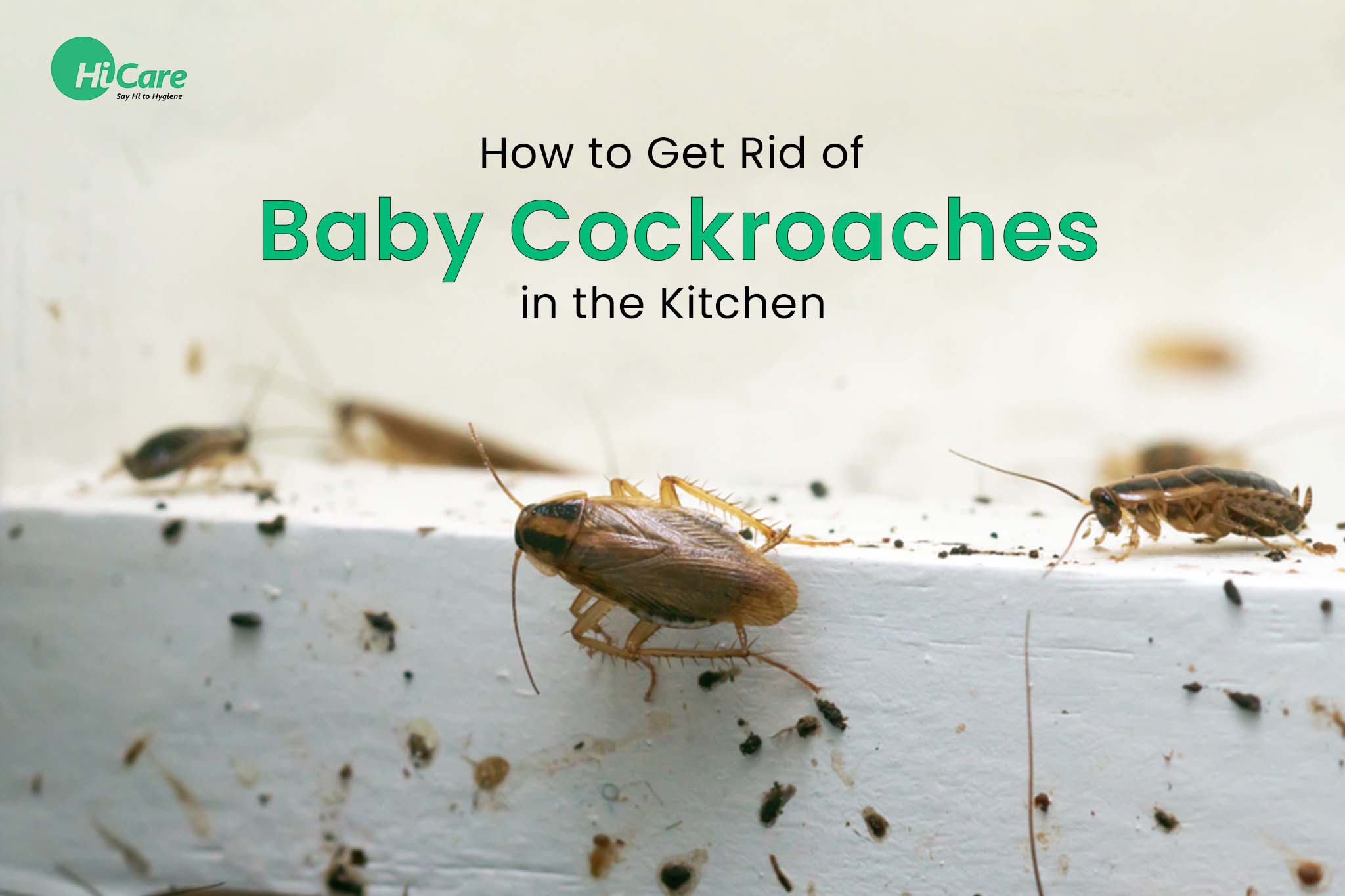
Image Source: hicare.in
Why Roaches Invade Your Kitchen
Before we can effectively eliminate small roaches, it’s crucial to grasp why they choose your kitchen as their habitat. Roaches are primarily drawn to places that offer food, water, and shelter. Your kitchen is a prime buffet for them.
The Allure of Food Sources
Even the smallest crumbs can be a feast for a determined roach.
- Leftover Food: Uncovered food, spills, and dirty dishes are an open invitation.
- Grease Buildup: The sticky residue around stoves and ovens is a favorite delicacy.
- Garbage Cans: Open or improperly sealed trash bins are a treasure trove.
- Pet Food: Leftover pet food, especially overnight, attracts roaches.
The Necessity of Water
Roaches need water to survive, just like us. Leaky pipes, dripping faucets, and damp sponges provide essential moisture.
- Leaky Pipes: Under sinks or behind appliances, slow drips can go unnoticed but are a vital water source.
- Damp Sponges and Dish Rags: Leaving these wet overnight creates a perfect watering hole.
- Condensation: Poor ventilation can lead to condensation on pipes and surfaces.
The Comfort of Shelter
Roaches love dark, warm, and humid places to hide and breed. They can squeeze through incredibly tiny cracks and crevices.
- Cracks and Crevices: Gaps in walls, around pipes, and behind cabinets are ideal hiding spots.
- Cardboard Boxes: Roaches often hitchhike into homes on cardboard packaging and can hide within it.
- Clutter: Piles of newspapers, mail, or unorganized items provide ample hiding places.
Identifying the Culprits: What Kind of Roaches Are You Dealing With?
To effectively combat a roach problem, knowing which species you’re facing can be helpful. While all roaches are unwelcome, different species might have slightly different preferences and behaviors. The most common culprits in kitchens are:
- German Cockroaches: These are small, light brown roaches with two dark stripes on their backs. They are prolific breeders and are often found in kitchens and bathrooms, especially near food and water sources. They are the most common household pest in many regions.
- American Cockroaches: These are larger, reddish-brown roaches. While they prefer warmer, more humid environments like basements and sewers, they can venture into kitchens seeking food and water.
- Oriental Cockroaches: These are dark brown to black and are often found in damp, cool areas like basements, drains, and under sinks. They can also infest kitchens, especially in lower levels of buildings.
- Brown-banded Cockroaches: Similar in size to German cockroaches, they have two pale bands across their wings. They are more likely to infest drier areas of the home, including kitchens and pantries.
Knowing the species helps tailor your kitchen pest removal strategy. For instance, German cockroaches are particularly adept at hiding in small cracks and are very resilient to pesticides, requiring persistent kitchen cockroach control.
Your Step-by-Step Plan to Eliminate Small Kitchen Roaches
Getting rid of small roaches requires a systematic approach. It’s not just about killing the ones you see, but about eradicating the entire population and making your kitchen an unwelcoming environment.
Step 1: Deep Clean Your Kitchen – The Foundation of Roach Control
This is non-negotiable. A clean kitchen is your first and most powerful weapon against roaches.
Daily Kitchen Hygiene for Roaches
- Wipe Down Surfaces: After every meal, thoroughly clean countertops, tables, and stovetops. Pay attention to grease splatters.
- Wash Dishes Promptly: Never leave dirty dishes in the sink overnight. Wash them immediately or place them in a dishwasher and run it.
- Sweep and Mop Floors: Remove crumbs and spills daily. Pay close attention to areas under appliances and cabinets.
- Empty Trash Regularly: Use a trash can with a tight-fitting lid and empty it daily, especially if it contains food scraps. Clean the trash can itself periodically.
- Store Food Properly: Keep all food, including pet food, in airtight containers made of glass, metal, or sturdy plastic. Roaches can chew through cardboard and thin plastic.
Deep Cleaning Tasks
- Clean Appliances: Pull out refrigerators, stoves, and dishwashers to clean behind and underneath them. Grease and food debris accumulate here, providing a feast for roaches.
- Empty and Clean Pantry: Remove all food items. Wipe down shelves, vacuum up any crumbs, and check for any signs of infestation in the packaging.
- Declutter: Get rid of old newspapers, magazines, empty boxes, and anything else that can serve as a hiding place.
- Clean Drains: Pour boiling water or a mixture of baking soda and vinegar down drains to remove grease and food particles.
Step 2: Seal Entry Points – Denying Access
Roaches can enter your home through tiny openings. Sealing these is crucial for preventing new infestations and containing existing ones.
Common Entry Points
- Cracks and Gaps: Inspect walls, baseboards, windowsills, and door frames for any cracks or holes.
- Around Pipes and Wires: Seal openings where pipes and wires enter your home, particularly under sinks.
- Vents: Ensure vent covers are intact and mesh screens are in good condition.
Sealing Methods
- Caulking: Use a good quality caulk to seal small cracks and gaps in walls, baseboards, and around pipes.
- Steel Wool: For larger gaps around pipes, steel wool can be effective as roaches cannot chew through it easily. Seal it with caulk or expanding foam.
- Weatherstripping: Ensure doors and windows have proper weatherstripping to prevent entry.
Step 3: Strategic Baiting – The Most Effective Roach Killers
Baits are often the most effective way to eliminate a roach infestation because they target the roaches directly and are carried back to their hiding places, often killing other roaches.
How Roach Baits Work
Roach baits contain an insecticide mixed with an attractive food source for roaches. When a roach eats the bait, it dies. Other roaches can then eat the poisoned roach (a behavior called necrophagy), spreading the insecticide through the population. This is key for roach infestation treatment.
Types of Roach Baits for Kitchens
- Gel Baits: These are applied in small dots or lines in areas where roaches are seen or suspected to hide. They are highly effective due to their attractive formulation and targeted application. Look for cockroach baits for kitchens that are specifically designed for this purpose.
- Bait Stations: These are small plastic containers holding a bait. They are safer around children and pets than exposed gels and are effective for trapping roaches.
- Liquid Baits: Similar to gels, these are placed in small containers or applied directly to bait stations.
Where to Place Baits
- Dark, Warm, and Humid Areas: Under sinks, behind appliances (refrigerator, stove, dishwasher), inside cabinets and drawers, in cracks and crevices.
- Near Water Sources: Roaches need water, so areas with moisture are prime locations.
- Along Baseboards and Corners: Roaches tend to travel along edges.
Important Note: Always follow the product instructions carefully. Avoid spraying insecticides near baits, as this can deter roaches from eating the bait.
Step 4: Insect Growth Regulators (IGRs) – Disrupting the Life Cycle
Insect Growth Regulators are not traditional roach killers; instead, they disrupt the roach life cycle by preventing young roaches from maturing or causing reproductive failure in adults. This is a crucial part of long-term kitchen cockroach control.
How IGRs Work
IGRs mimic juvenile hormones. When roaches are exposed to an IGR, they cannot molt properly, or their reproductive capabilities are severely impaired. This breaks the breeding cycle, leading to a gradual decline in the roach population.
Where to Use IGRs
- In areas where roaches hide and breed: Inside cabinets, behind appliances, and in cracks and crevices.
- Often used in conjunction with baits: This combination provides both immediate knockdown and long-term population control.
Step 5: Insecticide Sprays and Dusts – Targeted Application
While baits are preferred for overall infestation treatment, targeted application of insecticides can be useful for immediate knockdown or reaching inaccessible areas.
Insecticide Sprays
- Contact Sprays: These kill roaches on contact. They are useful for visible roaches but have little residual effect.
- Residual Sprays: These leave a residue that can kill roaches for weeks or months. They should be applied to areas where roaches travel and hide, not on food preparation surfaces.
Insecticide Dusts
- Borax and Diatomaceous Earth: These are natural options. Borax is a chemical compound that is toxic to roaches if ingested, dehydrating them. Diatomaceous earth (food-grade) is made of fossilized aquatic organisms; its sharp edges scratch the roach’s exoskeleton, causing dehydration.
- Application: Dusts should be applied in thin layers in dry, undisturbed areas like wall voids, under appliances, and in electrical outlets (using a bulb duster for safety).
Caution: Always use insecticides in well-ventilated areas and follow label instructions precisely. Keep children and pets away from treated areas until they are dry.
Step 6: Natural Cockroach Deterrents and Home Remedies for Roaches
For those who prefer less chemical-intensive methods, several natural cockroach deterrents and home remedies can supplement your overall kitchen cockroach control strategy.
Effective Natural Options
- Boric Acid: Similar to borax, boric acid is a natural mineral that is toxic to roaches when ingested. It acts as a stomach poison and abrasive.
- Application: Sprinkle a thin layer in dry areas like under cabinets, behind appliances, and in cracks. Keep it away from food and pets.
- Vinegar: The strong scent of vinegar can deter roaches. A mixture of equal parts white vinegar and water can be used to clean surfaces, potentially deterring them.
- Essential Oils: Peppermint, eucalyptus, and tea tree oil have strong scents that can repel roaches. Mix a few drops with water and spray around entry points or wipe down surfaces.
- Cucumber Peels: Some people report that roaches dislike the smell of cucumber. Placing peels in infested areas might help, though it’s generally considered a less potent deterrent.
- Bay Leaves: Placing bay leaves in pantries and cabinets is thought to deter roaches due to their strong aroma.
Limitations of Natural Remedies
While natural options can be helpful, they are generally less effective for severe infestations compared to professional treatments or potent chemical baits. They are often best used as preventative measures or in conjunction with other methods.
Preventing Kitchen Roaches: Long-Term Strategies
Once you’ve successfully eliminated the existing roach population, preventing their return is paramount.
Ongoing Kitchen Hygiene
- Maintain Consistent Cleaning: Stick to your daily and weekly cleaning routines. Don’t let food scraps or clutter build up.
- Secure Food Storage: Continue to use airtight containers for all food items.
- Manage Waste: Keep trash cans sealed and empty them frequently. Clean bins regularly.
Moisture Control
- Fix Leaks: Repair any leaky pipes or faucets immediately.
- Ventilate: Ensure good ventilation in the kitchen, especially around the sink and dishwasher, to reduce humidity.
- Dry Surfaces: Wipe down sinks and counters at the end of the day. Don’t leave wet sponges or cloths out overnight.
Regular Inspections
- Check for New Entry Points: Periodically inspect your kitchen for new cracks or gaps that roaches could use to enter.
- Monitor for Signs: Be vigilant for any early signs of roach activity, such as droppings (small black specks resembling pepper) or egg cases (oothecae).
Professional Help
If you have a persistent or severe roach infestation that you can’t get under control, consider calling a professional pest control service. They have access to more potent treatments and the expertise to deal with difficult infestations.
Best Roach Killers: A Quick Comparison
Choosing the right products is crucial for effective kitchen cockroach control. Here’s a look at some of the best roach killers available:
| Product Type | How it Works | Pros | Cons | Best For |
|---|---|---|---|---|
| Gel Baits | Attracts roaches to eat poison, carried back to nests | Highly effective, targets nests, long-lasting residual | Can be messy if over-applied, requires careful placement | Severe to moderate infestations, reaching hidden roaches |
| Bait Stations | Roaches enter to eat bait, die, and are eaten by others | Safe for children/pets, contained, easy to use | May be less attractive to some roaches, slower to show results | Homes with children and pets, targeted placement |
| Insect Growth Regulators (IGRs) | Disrupts roach life cycle, prevents breeding | Prevents future generations, long-term control | Doesn’t kill adult roaches immediately, requires time to work | Breaking the breeding cycle, used in conjunction with other treatments |
| Insecticide Sprays (Residual) | Kills roaches on contact or through residual effect | Quick knockdown, can treat larger areas | Can be harmful if misused, roaches can develop resistance | Spot treatment, treating cracks and crevices |
| Insecticide Dusts (Borax, DE) | Dehydrates or poisons roaches upon ingestion | Natural options, long-lasting in dry areas | Can be messy, requires careful application to dry areas | Void treatment, under appliances, hard-to-reach dry spaces |
Common Questions About Kitchen Cockroaches
Q1: How quickly can I get rid of small kitchen roaches?
The speed of elimination depends on the size of the infestation and the methods used. With aggressive baiting and thorough cleaning, you might see a significant reduction in a few weeks. However, completely eliminating a roach population, especially German cockroaches, can take several months as it requires breaking their breeding cycle.
Q2: Are home remedies for roaches as effective as chemical treatments?
Home remedies like essential oils or cucumber peels can act as deterrents and may help in very minor cases or as a supplementary measure. However, for an active infestation, they are generally not as effective as scientifically formulated baits or insecticides.
Q3: Can I use a fogger or bug bomb to kill kitchen roaches?
While foggers might kill roaches they come into direct contact with, they are generally not recommended for roach infestation treatment. Roaches are masters at hiding in tiny cracks and crevices that foggers cannot penetrate. Furthermore, foggers can scatter roaches, making them harder to control with baits, and they often leave a residue that can be problematic.
Q4: What are the signs of a roach infestation?
Common signs include:
* Seeing live roaches: Especially at night.
* Roach droppings: Small, dark specks resembling black pepper or coffee grounds. You’ll often find them along baseboards, in drawers, or on countertops.
* Egg cases (oothecae): Small, dark brown or reddish-brown capsules.
* A musty odor: Large infestations can produce a distinct, unpleasant odor.
* Shed skins: Roaches shed their exoskeletons as they grow.
Q5: How do I choose the best roach killers for my kitchen?
Consider the severity of your infestation, whether you have children or pets, and your preference for chemical versus natural solutions. For severe infestations, targeted cockroach baits for kitchens (gels and stations) are highly recommended. Combining these with an Insect Growth Regulator (IGR) is an effective long-term strategy.
By following these comprehensive steps, you can effectively tackle and eliminate small kitchen roaches, ensuring a cleaner, healthier, and more comfortable home. Consistent kitchen hygiene for roaches and diligent preventing kitchen roaches are your best defenses against these persistent pests.