
The standard kitchen counter height in most homes is 36 inches from the finished floor to the top of the countertop. This measurement serves as the foundation for much of kitchen design and functionality.
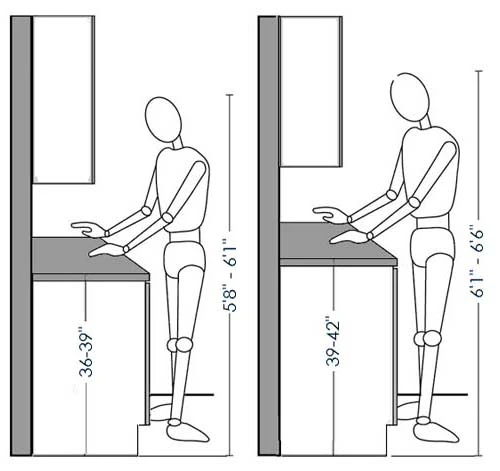
Image Source: www.regattaexports.com
Determining the Ideal Countertop Elevation
Choosing the right kitchen design counter height is more than just following a rule; it’s about creating a comfortable and efficient workspace tailored to the people who use it most. While 36 inches is the norm, several factors can influence whether this standard measurement is the best fit for your kitchen.
The Reign of the 36-Inch Standard
The typical kitchen counter height of 36 inches didn’t become standard by accident. It evolved over time to accommodate the average adult user. This height allows for comfortable food preparation, cooking, and cleanup without excessive bending or reaching for most people. It also aligns with the height of most standard base cabinetry, which typically measures 34.5 inches before a countertop is added. When you add a standard 1.5-inch thick countertop, you arrive at the ubiquitous 36-inch mark.
This consistent countertop height dimensions promotes a harmonious and ergonomic kitchen layout. It ensures that appliances like dishwashers and ovens, which are often designed to fit under standard counters, will integrate seamlessly. Furthermore, it sets a comfortable workspace height for activities like chopping vegetables, kneading dough, or simply resting your arms while talking over the day’s events.
Factors Influencing Counter Height Decisions
While the 36-inch standard is a great starting point, it’s not a one-size-fits-all solution. Here’s what to consider when deciding on your kitchen counter height:
User Anthropometrics
The most significant factor is the height of the primary users of the kitchen.
- Average Height Individuals: For those who fall within the average height range (generally 5’4″ to 6’0″), the 36-inch counter height will likely feel natural and comfortable.
- Taller Individuals: If the primary cooks in your household are significantly taller than average, a higher counter can reduce strain on their backs and shoulders. Raising the counter by even a couple of inches can make a noticeable difference in comfort during extended periods of use.
- Shorter Individuals: Conversely, if the main users are on the shorter side, a standard 36-inch counter might feel too high, leading to awkward posture and discomfort. Lowering the counter can improve ergonomics.
Specific Tasks
Different kitchen tasks benefit from slightly different heights:
- Food Preparation: Most general food prep, like chopping and mixing, is comfortable at 36 inches.
- Baking: Some bakers prefer a slightly lower counter (around 30-32 inches) for tasks like rolling out dough, as it allows for more leverage and a natural downward motion.
- Washing Dishes: While most sinks are integrated into the standard counter height, the depth of the sink itself can impact the perceived working height.
Accessibility and Special Needs
For kitchens designed with accessibility in mind, counter height is crucial.
- Wheelchair Accessibility: ADA (Americans with Disabilities Act) guidelines suggest a minimum counter height of 30 inches and a maximum of 34 inches for seated users, with ample knee space underneath.
- Other Mobility Issues: Individuals with certain physical limitations may benefit from custom counter heights that reduce reaching or bending.
Kitchen Design Aesthetic
Sometimes, the desired look of the kitchen can also play a role. While ergonomics should usually take precedence, a slightly varied counter height can add visual interest, especially in larger kitchens or on islands.
Exploring Counter Height Variations
Beyond the standard 36 inches, various counter height dimensions cater to specific needs and design preferences. These variations often appear in kitchen island height or dedicated zones within the kitchen.
The Kitchen Island: A Multifunctional Hub
Kitchen islands have become a staple in modern kitchen design, often serving as more than just a prep surface. They can incorporate dining areas, additional storage, and even specialized workstations. This versatility lends itself to varied counter heights.
- Standard Height Islands: Many islands mimic the standard kitchen counter height of 36 inches, providing a seamless extension of the main kitchen workspace.
- Bar Height Counter: A popular variation is the bar height counter, which typically measures 40-42 inches. This height is ideal for a casual dining or bar seating area, allowing guests to comfortably stand or sit on bar stools while interacting with the cook or enjoying a meal. When an island incorporates both a prep area and a seating area, you might see a stepped design, with one section at 36 inches and another at 42 inches.
- Counter Height vs. Bar Height: It’s important to distinguish between counter height (36 inches) and bar height (40-42 inches). The difference is significant for seating and usability. Bar stools are designed for the higher bar height counter, while counter stools are made for the 36-inch counter height dimensions.
Other Height Considerations
- Lowered Workspaces: As mentioned, a slightly lower workspace height, perhaps around 30-32 inches, can be beneficial for specific tasks like baking or for shorter individuals.
- Raised Workspaces: For very tall individuals, increasing the cabinetry height by a few inches before adding the countertop can create a more comfortable working level.
Counter Depth and Its Impact
While height is paramount, counter depth also plays a crucial role in kitchen functionality.
- Standard Counter Depth: The standard countertop dimensions for depth are typically 24 inches for base cabinets. This depth provides ample space for most appliances, such as standard ranges and dishwashers, and offers a good working surface.
- Increased Depth: Some kitchens opt for deeper counters, such as 30 inches or even more. This can provide a more generous workspace, especially on kitchen islands, and can accommodate larger sinks or specialized appliances. Deeper counters also have a more substantial visual presence.
When considering the overall counter height dimensions, the interplay between height and depth contributes to the ergonomic success and aesthetic appeal of the kitchen.
Material Matters: How Thickness Affects Height
The material chosen for your countertop will have a direct impact on the final height.
-
Common Materials and Their Thickness:
- Laminate: Typically 1.5 inches thick.
- Granite/Quartz/Marble: Often available in 2cm (approx. 0.75 inches) or 3cm (approx. 1.2 inches) thickness. Thicker slabs are common for a more substantial look.
- Butcher Block: Can vary significantly, from 1.5 inches to 4 inches or more.
- Concrete: Can be poured to various thicknesses, commonly 1.5 to 2 inches.
- Stainless Steel: Usually 1.5 inches thick, often with a plywood or particleboard core.
-
Calculating Final Height: Remember that the cabinetry height (usually 34.5 inches for standard base cabinets) plus the countertop thickness will determine the final workspace height. If you have 34.5-inch cabinets and a 1.5-inch thick countertop, you get the standard 36-inch counter height dimensions. If you choose a thicker 3cm granite (1.2 inches), your total height will be 35.7 inches, slightly less than the standard. If you opt for a very thick butcher block, say 4 inches, on standard cabinets, your total height would be 38.5 inches, creating a much higher workspace.
Designing for Ergonomics: Beyond the Standard
Creating a truly functional kitchen involves more than just hitting the standard kitchen counter height. It’s about designing a space that works for you.
Ergonomic Principles in Kitchen Design
Applying ergonomic principles ensures that your kitchen is comfortable, safe, and efficient.
- The Work Triangle: While a bit dated, the concept of the work triangle (sink, refrigerator, stove) still holds value in placing key work zones. However, modern kitchens often feature multiple workstations, so thinking about workflow between these zones is more critical.
- Reach and Stature: Consider the reach of the shortest and tallest users. Ensure frequently used items are within easy reach from various counter heights.
- Task-Specific Zones: Designate areas for specific tasks. A baking station might benefit from a slightly lower counter, while a serving area on an island could be at bar height counter for guest convenience.
- Knee Space: For areas where users might sit (e.g., at an island breakfast bar), adequate knee space is essential. This typically means extending the countertop beyond the base cabinets.
Customization for Comfort
Don’t be afraid to deviate from the norm if it leads to a more comfortable and functional kitchen.
- Split-Level Counters: In larger kitchens or on islands, a split-level design can offer different working heights for different tasks. For example, a lower section for prep work and a higher section for serving or casual dining.
- Adjustable Height Counters: For ultimate flexibility, consider adjustable height counters, though these are less common and can be more expensive.
- Specialty Appliances: The height of built-in appliances like wall ovens or steam ovens should also be factored into the overall kitchen design counter height to ensure comfortable operation.
Frequently Asked Questions about Kitchen Counter Height
Q1: What is the standard kitchen counter height?
A1: The standard kitchen counter height is 36 inches from the finished floor to the top of the countertop.
Q2: Can I make my kitchen counters taller or shorter than 36 inches?
A2: Yes, absolutely. While 36 inches is the typical kitchen counter height, you can customize it based on the height of the primary users, the tasks performed, and aesthetic preferences. Taller individuals might opt for 37-38 inches, while shorter individuals might prefer 34-35 inches.
Q3: What is the difference between counter height and bar height?
A3: Counter height is typically 36 inches, while bar height counter measures around 40-42 inches. This difference dictates the type of seating used (counter stools vs. bar stools).
Q4: How does countertop material thickness affect the final height?
A4: The thickness of your chosen countertop material is added to the height of your base cabinetry (usually 34.5 inches for standard cabinets). A 1.5-inch laminate countertop on 34.5-inch cabinets results in the standard 36-inch height. Thicker materials like a 4-inch butcher block will result in a significantly higher finished counter.
Q5: Is 36 inches the best height for everyone?
A5: No, 36 inches is the average. It’s crucial to consider the anthropometrics of the people who will be using the kitchen. If the primary cooks are significantly taller or shorter than average, adjusting the workspace height can greatly improve comfort and reduce strain.
Q6: What is the recommended counter depth?
A6: The standard countertop dimensions for depth are typically 24 inches for base cabinets. However, deeper counters (e.g., 30 inches) can provide a more expansive workspace, especially on islands.
Q7: How do I determine the right counter height for my kitchen island?
A7: Consider the primary function of the island. If it’s mainly for prep, 36 inches is ideal. If it includes a seating area, you might opt for a bar height counter (40-42 inches) or a split-level design with both heights.
Q8: What are the accessibility guidelines for kitchen counter height?
A8: For wheelchair accessibility, ADA guidelines suggest a minimum counter height of 30 inches and a maximum of 34 inches, with adequate knee space underneath.
Conclusion: Crafting Your Perfect Kitchen Height
The standard kitchen counter height of 36 inches is a well-established benchmark for good reason, providing a comfortable and efficient workspace height for a wide range of users. However, it’s merely a starting point. By carefully considering the physical needs of the kitchen’s occupants, the types of tasks that will be performed, and the overall aesthetic goals, you can tailor your counter height dimensions to create a truly bespoke and functional culinary space. Whether you’re designing from scratch or undertaking a remodel, prioritizing personalized ergonomics will ensure your kitchen is a joy to work and live in for years to come. Remember to factor in cabinetry height, counter depth, and material thickness to achieve your ideal kitchen design counter height.