
Can you add a pantry to a kitchen that doesn’t have one? Absolutely! Adding a pantry to a kitchen without one is a fantastic way to boost kitchen storage solutions and improve kitchen organization. It’s a common goal for homeowners looking to maximize their living space and create a more functional cooking environment. This guide will walk you through various methods, from simple conversions to more involved renovations, to bring the convenience of a pantry into your kitchen.
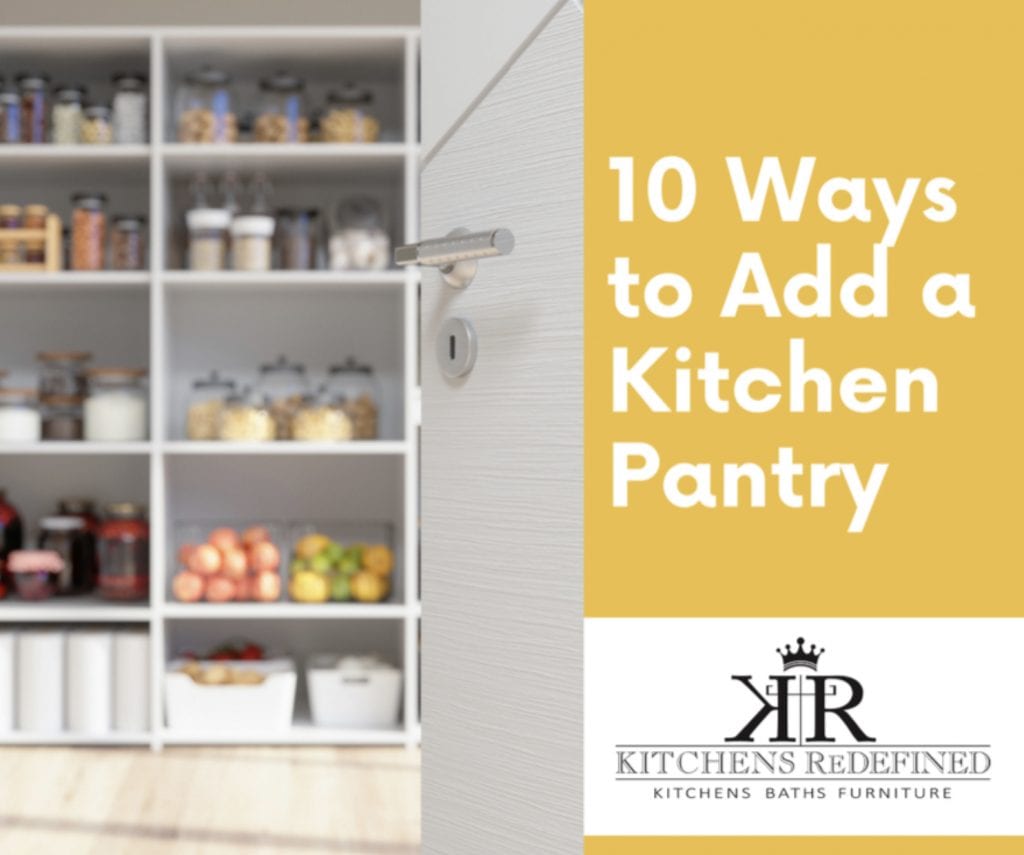
Image Source: www.kitchensredefined.com
Why Add a Pantry?
A pantry is more than just a place to store food. It’s a dedicated space that brings order and efficiency to your kitchen. It allows you to:
- Keep Food Fresh: Proper storage helps maintain the quality and longevity of your groceries.
- Organize Better: Grouping similar items makes meal prep quicker and less stressful.
- Free Up Cabinet Space: Move bulky appliances and seldom-used items out of your main cabinets.
- Reduce Clutter: A tidy pantry means a tidier kitchen overall.
- Simplify Grocery Shopping: Easily see what you have and what you need.
- Improve Kitchen Aesthetics: A well-designed pantry can be a beautiful and functional part of your kitchen.
Assessing Your Kitchen Space
Before you can add a pantry, you need to figure out where it can go. This involves a thorough assessment of your current kitchen layout and any unused or underutilized spaces.
Identifying Potential Locations
Look for areas that might be overlooked:
- Underutilized Corners: Often, corners of a kitchen are wasted space.
- Dead Space: Think about areas near doorways or awkward nooks.
- Adjacent Closets: If you have a small closet in or near your kitchen, it could be a prime candidate.
- Unused Wall Space: Even a shallow section of wall can be transformed.
- Reclaimed Room Space: If you’re doing a kitchen renovation, you might be able to carve out space from a larger room.
Measuring and Planning
Once you have a few potential spots in mind, grab your tape measure. Accurate measurements are crucial for any successful pantry addition. Consider:
- Dimensions: Width, depth, and height of the potential space.
- Obstructions: Note any radiators, pipes, electrical outlets, or windows that might affect your design.
- Doorway Access: Will a standard door fit? Or will you need a sliding door or open shelving?
Pantry Types and How to Add Them
There are several ways to add a pantry, ranging in complexity and cost. The best option for you depends on your budget, DIY skills, and the available space.
1. Cabinet Pantry Conversion: The Easiest Approach
This is often the simplest and most cost-effective way to gain pantry-like storage. It involves repurposing existing cabinets or installing new ones to function as a pantry.
How to Do It:
- Choose Suitable Cabinets: Look for deep, tall cabinets. Base cabinets with adjustable shelves are great for canned goods and smaller items. Tall pantry cabinets are ideal for larger storage needs.
- Modify Existing Cabinets:
- Remove Doors: If you have upper cabinets that are too high or awkwardly placed, removing the doors can create an open shelving system, similar to a butler’s pantry.
- Add Shelving: Install adjustable shelves within existing cabinets to maximize vertical space. Use shelf pins for easy adjustments.
- Install Pull-Out Shelves: These are game-changers for accessibility. They bring items from the back of the cabinet to the front, making everything easy to reach.
- Install New Pantry Cabinets: If you have an open wall space, you can purchase freestanding pantry cabinets or have custom ones built.
Benefits:
- Quick and easy.
- Minimal disruption.
- Can be done on a relatively small budget.
Considerations:
- Limited storage capacity compared to walk-in or built-in pantries.
- May require careful planning to ensure shelves are deep enough for your needs.
2. Built-in Pantry: Seamless Integration
A built-in pantry is designed to fit perfectly into your kitchen’s architecture, often utilizing wall cavities or alcoves. This creates a sleek, integrated look and maximizes storage without protruding into the room.
How to Do It:
- Framing a New Wall: If you have sufficient depth (at least 24 inches), you can frame a shallow wall to create a pantry space. This often involves building a stud wall within your existing kitchen.
- Utilizing Alcoves or Niches: If your kitchen has a natural recess or alcove, this is an ideal location for a built-in pantry. You might need to add shelving and a door.
- Enclosing a Non-Load-Bearing Wall Section: In some renovations, a small section of a non-load-bearing wall can be removed to create a deeper pantry.
- Adding Doors: You can install standard cabinet doors, bifold doors, or even a pocket door to conceal the pantry.
Benefits:
- Maximizes storage within the existing footprint.
- Looks seamless and intentional.
- Can be customized to your exact specifications.
Considerations:
- Requires more construction and potentially professional help.
- Can be more expensive than cabinet conversions.
- May involve temporary disruption to your kitchen.
3. Walk-in Pantry: The Ultimate Storage Solution
A walk-in pantry offers the most generous storage space, essentially a small room dedicated to food and kitchen essentials.
How to Do It:
- Repurposing a Room: If you have an underutilized guest room, mudroom, or even a large closet adjacent to your kitchen, converting it into a walk-in pantry is a great option.
- Creating a New Space: During a major kitchen renovation, you can often reconfigure walls to create a new walk-in pantry space. This might involve shrinking an adjoining room or repurposing a larger footprint.
- Adding a Doorway: You’ll need to create an opening and install a door.
- Shelving Design: The key to a functional walk-in pantry is smart shelving. Consider deep shelves for bulk items, shallower shelves for spices and smaller jars, and even specialized shelving for wine or appliances.
Walk-in Pantry Ideas:
- Shelving Layouts:
- U-shaped: Offers maximum accessibility and storage along three walls.
- L-shaped: Good for corner spaces or when you need an entry point on one side.
- Galley Style: Two parallel walls of shelving for efficient use of space.
- Adjustable Shelving: Use a track system for maximum flexibility as your storage needs change.
- Drawer Storage: Integrate drawers for root vegetables, linens, or smaller items.
- Lighting: Essential for visibility. Install overhead lights and perhaps task lighting under shelves.
- Flooring: Durable and easy-to-clean flooring like tile or vinyl is recommended.
- Doors: Consider a barn door, pocket door, or a simple swing door.
Benefits:
- Vast storage capacity.
- Excellent for bulk buying and meal planning.
- Can store appliances, serving dishes, and more.
Considerations:
- Requires significant space.
- Most involved and costly option.
- Requires careful planning of shelving and accessibility.
4. Shallow Pantry / Wall Pantry: Maximizing Narrow Spaces
Even a narrow wall or a shallow depth can yield a functional pantry. These are often called “spice racks on steroids” or “butler’s pantries” in a more compact form.
How to Do It:
- Shallow Cabinet Installation: Install shallower depth cabinets (e.g., 12-18 inches deep) along a wall.
- Open Shelving Units: Freestanding or wall-mounted open shelves are a great solution.
- Pegboard or Magnetic Strips: Utilize vertical wall space for hanging utensils, spices, or small items.
- Pull-Out Pantry Units: These are specialized narrow cabinets that pull out from the wall, perfect for spices or narrow jars.
Benefits:
- Fits into very tight spaces.
- Can be surprisingly functional for smaller kitchens.
Considerations:
- Limited depth means smaller items are best stored here.
- May require creative DIY pantry shelves solutions.
Smart Storage Solutions and Organization Tips
Once your pantry space is created, the real magic happens with smart food storage systems and excellent kitchen organization.
Maximizing Vertical Space
- Adjustable Shelving: The cornerstone of any good pantry. Ensure your shelves can be moved up or down to accommodate different-sized items.
- Shelf Risers and Stackable Bins: These double your shelf space, allowing you to store more items vertically.
- Under-Shelf Baskets: Clip-on baskets that attach to the underside of shelves are perfect for small items like spice packets or tea bags.
Improving Accessibility
- Lazy Susans (Turntables): Ideal for corners or deep shelves, these make it easy to access items in the back. Use them for spices, oils, vinegars, or jars.
- Pull-Out Baskets and Drawers: As mentioned, these bring items to you, preventing items from getting lost at the back.
- Clear Containers: Use clear, airtight containers for dry goods like pasta, rice, flour, and sugar. This keeps food fresh, deters pests, and allows you to easily see what you have. Label them clearly.
Creative Storage Ideas
- Door Organizers: Mount organizers on the inside of the pantry door for spices, cleaning supplies, or small pantry staples.
- Can Organizers: Tiered can dispensers ensure you see all your canned goods at a glance and make rotation easier.
- Baskets and Bins: Use various sizes of baskets and bins to group similar items (e.g., breakfast items, baking supplies, snacks). This creates visual order and makes it easy to pull out a category of items.
- Labeling: Don’t underestimate the power of labels! Label shelves, bins, and containers so everyone in the household knows where things belong.
Sample Pantry Layouts for Different Spaces
Let’s visualize how these solutions can work.
Table 1: Pantry Solution Matcher
| Kitchen Type/Space | Ideal Pantry Addition | Key Features & Storage Solutions |
|---|---|---|
| Small Apartment Kitchen | Cabinet Pantry Conversion | Tall, narrow cabinets; adjustable shelves; door-mounted spice racks; stackable clear containers. Focus on verticality. |
| Standard Family Kitchen | Built-in Pantry (Shallow) | Utilize an alcove or frame a shallow wall; adjustable shelves; pull-out drawers for produce; baskets for snacks and meal ingredients; good lighting. |
| Large Home with Renovation | Walk-in Pantry | U-shaped or L-shaped shelving; deep bottom shelves for appliances; adjustable upper shelves; drawers for linens; good lighting; dedicated zones for baking, breakfast, etc. |
| Kitchen with Odd Nook | Shallow Wall Pantry / Nook | Custom-built shallow shelves or a narrow pull-out unit; ideal for spices, oils, smaller jars; pegboard for utensils. |
DIY Pantry Shelves: A Hands-On Approach
If you’re feeling handy, building your own pantry shelves can be a rewarding and cost-effective project.
Materials You Might Need:
- Wood: Plywood or solid wood boards (pine is common and affordable).
- Shelf Brackets or Support System: Metal brackets, L-brackets, or a cleat system.
- Screws and Anchors: For securely attaching shelves to the wall.
- Tape Measure and Level: Essential for accurate placement.
- Saw: To cut wood to size if not pre-cut.
- Drill: For pilot holes and driving screws.
- Sandpaper: To smooth edges.
- Paint or Stain: To finish the shelves.
Basic Steps for DIY Shelving:
- Measure and Plan: Determine the desired height and spacing of your shelves.
- Cut Wood: Cut your shelves to the required width and depth.
- Install Support:
- Cleat System: Attach a horizontal piece of wood (a cleat) to the wall studs at the desired shelf height. Then, rest the shelf on the cleat and secure it from underneath. Repeat for each shelf.
- Bracket System: Mark the wall for bracket placement using a level. Screw the brackets securely into the wall studs or use appropriate wall anchors. Place shelves on brackets and secure.
- Sand and Finish: Smooth all edges and apply your chosen paint or stain.
- Install Shelves: Place and secure the shelves onto their supports.
Integrating Your Pantry into a Kitchen Renovation
If you’re planning a full kitchen renovation, adding a pantry can be a central part of the design.
Design Considerations During Renovation:
- Flow and Accessibility: Position the pantry door so it doesn’t obstruct kitchen traffic. Consider pocket doors or sliding doors for tight spaces.
- Proximity to Prep Areas: Ideally, the pantry should be close to your main food preparation zones.
- Lighting and Ventilation: Ensure adequate lighting. If it’s a small, enclosed space, consider a small vent or ensure good air circulation.
- Electrical Outlets: If you plan to store small appliances like a stand mixer or microwave in the pantry, plan for electrical outlets.
- Material Choices: Select durable and easy-to-clean materials for flooring and shelving.
Custom Pantry Design
For a truly tailored experience, consider a custom pantry design. This allows you to:
- Optimize every inch: Design the layout precisely to your needs, including specific shelf depths, heights, and widths for your common pantry items.
- Incorporate specialized storage: Add wine racks, pull-out appliance shelves, or dedicated spaces for specific items.
- Match your kitchen’s aesthetic: Choose finishes, hardware, and styles that complement your overall kitchen decor.
Frequently Asked Questions About Adding a Pantry
Q1: How much does it cost to add a pantry?
The cost varies significantly depending on the type of pantry and whether you do it yourself or hire professionals.
* Cabinet Pantry Conversion: $100 – $1,000 (DIY to professionally installed cabinets).
* Built-in Pantry: $500 – $3,000 (depending on framing, shelving, and door choices).
* Walk-in Pantry: $2,000 – $10,000+ (especially if it involves structural changes or building a new room).
Q2: What is the minimum depth for a pantry?
For a functional pantry where you can stand inside (walk-in), a minimum depth of 4 feet is recommended to allow for shelving on one or two sides and comfortable movement. For a standard built-in pantry with shelves, a minimum depth of 24 inches is needed for deep shelves. Shallow pantries can be as little as 12-18 inches deep for storing smaller items or spices.
Q3: Can I add a pantry without a major kitchen renovation?
Yes! Cabinet pantry conversions and adding shelving to existing closets or awkward spaces can be done independently of a larger renovation.
Q4: What are the best materials for pantry shelves?
* Plywood: Durable, strong, and can be finished with paint or stain.
* Solid Wood (Pine, Poplar): Aesthetically pleasing, but can be more expensive.
* Melamine or Laminate: Affordable and easy to clean, but less durable than wood.
* Wire Shelving: Good for air circulation, but items can fall through and it’s less sturdy for heavier items.
Q5: How do I make my pantry look more organized?
* Use clear, airtight containers.
* Group similar items together.
* Utilize baskets and bins.
* Label everything.
* Keep shelves tidy and decluttered.
* Maximize vertical space with risers and stackable bins.
Adding a pantry is a rewarding project that significantly enhances your kitchen’s functionality and kitchen organization. By carefully assessing your space, choosing the right type of pantry, and implementing smart storage solutions, you can transform your kitchen into a more efficient, clutter-free, and enjoyable place to be. Whether you opt for a simple cabinet conversion or a grand walk-in pantry ideas project, the benefits of a dedicated pantry space are undeniable.