
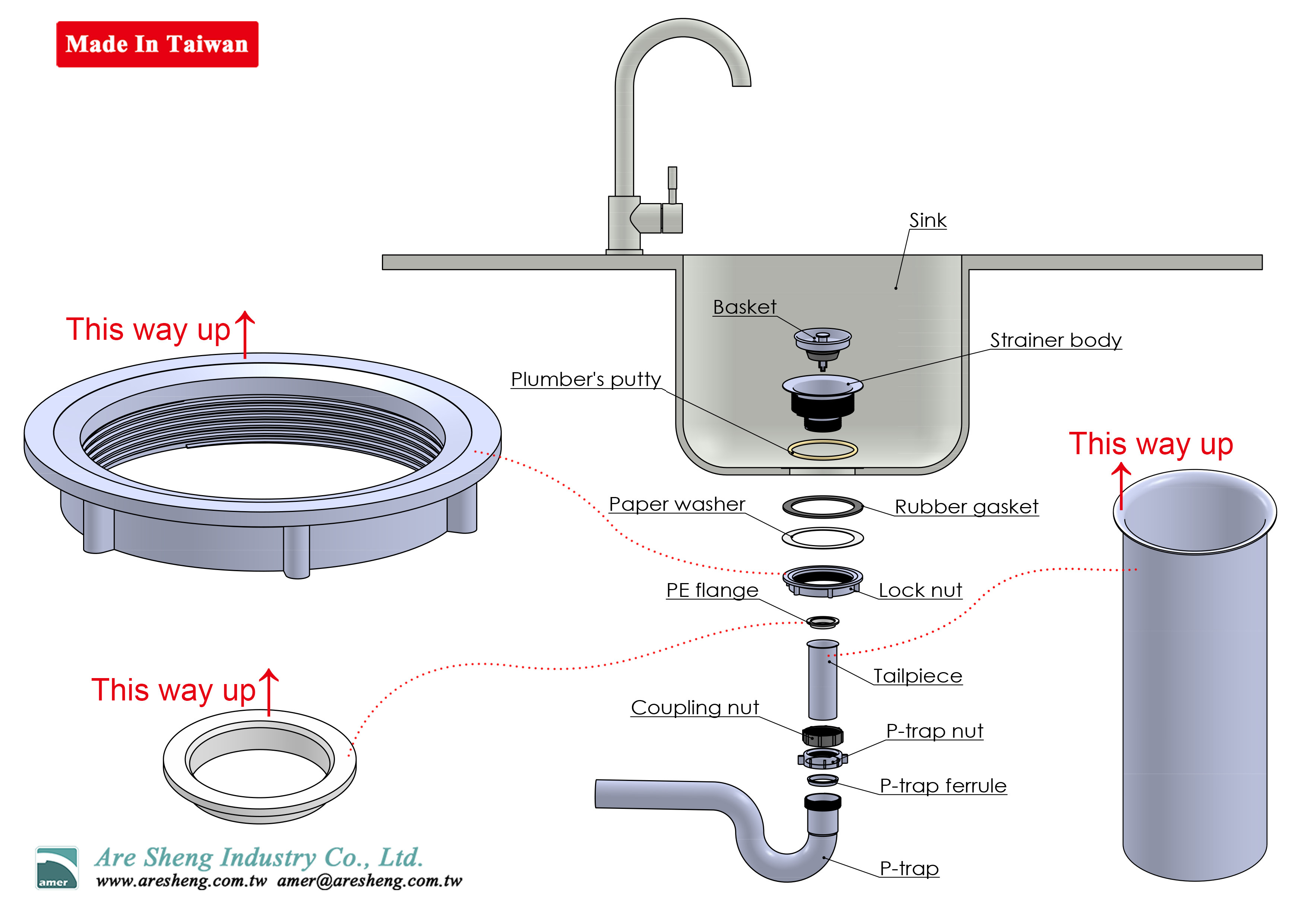
Image Source: www.aresheng.com.tw
How To Replace Kitchen Sink Strainer: Step-by-Step for a Quick DIY Fix
Can you replace a kitchen sink strainer yourself? Yes, you absolutely can! Replacing a kitchen sink strainer is a manageable DIY project that can save you money and tackle common issues like leaks or a worn-out look. This guide will walk you through the entire process, from identifying the problem to installing your new sink strainer, ensuring a smooth and successful repair.
Is it hard to replace a sink strainer? Not at all! With the right tools and a little patience, anyone can learn how to replace a kitchen sink strainer. Whether you’re dealing with a leaky sink strainer or simply want to refresh your kitchen’s appearance, this step-by-step tutorial will equip you with the knowledge needed to tackle this common plumbing task. Let’s dive into how to replace your kitchen sink strainer.
Why Replace Your Kitchen Sink Strainer?
A kitchen sink strainer is a small but vital part of your sink’s plumbing system. It keeps food scraps and other debris from entering your drain pipes, preventing clogs. Over time, strainers can wear out, become damaged, or simply look unsightly. Here are some common reasons you might need to replace yours:
- Leaks: A common issue is a leaky sink strainer, often caused by a worn-out rubber seal or a loose connection. This can lead to water pooling around your sink base or dripping into your cabinet.
- Corrosion or Rust: Metal strainers can rust or corrode over time, especially in areas with hard water. This can not only look bad but also weaken the strainer’s integrity.
- Damage: The strainer basket itself can become bent or broken, making it difficult to use or seal properly.
- Aesthetics: Sometimes, you might just want to update the look of your sink with a new, modern strainer.
- Loose Fit: If your current strainer basket no longer fits snugly or is easily dislodged, it’s time for a replacement.
What You’ll Need: Gathering Your Tools and Materials
Before you begin, it’s essential to gather all the necessary tools and materials. Having everything on hand will make the process much smoother and faster.
Essential Tools:
- Adjustable Wrench or Pipe Wrench: For loosening and tightening the large nut holding the strainer assembly.
- Plumber’s Putty or Silicone Sealant: To create a watertight seal between the new strainer and the sink.
- Screwdriver (Phillips and Flathead): May be needed for some strainer designs.
- Bucket or Towels: To catch any residual water in the pipes.
- Gloves: To protect your hands.
- Safety Glasses: To protect your eyes from debris.
- Rag or Sponge: For cleaning up.
- Pliers (optional): Can be helpful for gripping small parts.
- Putty Knife or Scraper: To remove old plumber’s putty.
Essential Materials:
- New Sink Strainer Assembly: Ensure it’s compatible with your sink and drain pipe size. This often includes the strainer body, locknut, and rubber gaskets. You might be looking to replace just the strainer basket, or the entire sink drain assembly.
- New Sink Basket (if only replacing the basket): Make sure it’s the correct size and type for your existing strainer body.
Step-by-Step Guide to Replacing Your Kitchen Sink Strainer
Replacing a kitchen sink strainer is a straightforward process. Here’s a detailed breakdown to guide you through each step:
Step 1: Clearing the Area and Preparing for Removal
Start by emptying the cabinet beneath your sink. Remove all cleaning supplies, trash cans, and anything else that might be in the way. Lay down some old towels or a bucket underneath the drain assembly to catch any water that might spill out. This is a good time to inspect the surrounding plumbing for any other issues, such as a leaky sink strainer that you might want to address simultaneously.
Step 2: How to Remove a Kitchen Sink Strainer
This is the most crucial part of the process. You need to disconnect the existing strainer from the sink and the drainpipe.
2a. Detaching the Strainer from the Drainpipe
- Locate the Locknut: Look up under your sink where the strainer body connects to the drainpipe. You’ll see a large nut (the locknut) that holds the strainer assembly in place against the bottom of the sink.
- Loosen the Locknut: Use your adjustable wrench or pipe wrench to turn the locknut counter-clockwise. It might be a bit tight due to mineral buildup or old plumber’s putty. You may need to apply steady pressure.
- Remove the Locknut and Washers: Once loosened, unscrew the locknut completely. You’ll also find a rubber gasket (or two) and a metal washer or friction ring. Remove these as well. Keep them organized as you’ll need to work around them.
2b. Removing the Old Strainer from the Sink
- Push the Old Strainer Up: With the locknut and washers removed from below, go back to the sink basin. You should be able to push the old strainer basket and its flange upwards, out of the sink drain opening.
- Deal with Stubborn Putty: If the old strainer is stuck due to dried plumber’s putty or sealant, you might need to gently tap around the edge of the flange from above with a rubber mallet or the handle of your screwdriver. From below, you can use a putty knife or scraper to carefully chip away at the old putty around the edge of the strainer body. Be careful not to scratch your sink.
- Remove the Old Strainer Body: Once free, pull the old strainer assembly down and out from under the sink.
Step 3: Cleaning the Sink Drain Opening
This step is critical for ensuring a good seal with your new strainer.
- Scrape Away Old Putty: Use your putty knife or scraper to carefully remove all traces of old plumber’s putty or sealant from both the underside of the sink where the strainer flange sat and the drain opening itself.
- Clean the Surface: Wipe the area down with a damp rag to remove any dust or debris. A clean, smooth surface is essential for a watertight connection.
Step 4: Installing the New Sink Strainer
Now it’s time to install your new kitchen sink strainer. This process will be the reverse of removal, ensuring a secure and leak-free fit.
4a. Preparing the New Strainer
- Check the Parts: Lay out all the components of your new sink strainer assembly. Typically, you’ll have the strainer body, a rubber gasket, a metal washer/friction ring, and a locknut. If you’re just looking to replace a sink basket, ensure the new one fits your existing strainer body.
- Apply Plumber’s Putty: Take a generous amount of plumber’s putty and roll it into a snake-like rope, about ½ inch thick. Press this rope evenly around the underside of the lip of the new strainer flange. This putty will act as the seal between the strainer and the sink. Alternatively, you can use silicone sealant if specified by the manufacturer, though plumber’s putty is more common for this application.
4b. Positioning and Securing the New Strainer
- Insert the Strainer: From the top of the sink, carefully press the new strainer flange down into the sink drain opening, ensuring the plumber’s putty makes good contact all around.
- Align and Attach from Below: Reach under the sink and place the rubber gasket onto the threaded end of the strainer body that extends through the sink. Follow this with the metal washer or friction ring, and then screw on the locknut.
- Tighten the Locknut: Hand-tighten the locknut as much as you can. Then, use your adjustable wrench or pipe wrench to tighten it an additional quarter to half turn. Be careful not to overtighten, as this can crack the sink or damage the strainer. The goal is to compress the plumber’s putty enough to create a seal without crushing the assembly.
- Remove Excess Putty: Once the locknut is snug, look up inside the sink basin. You’ll see excess plumber’s putty that has squeezed out around the flange. Use your finger (wear a glove!) or a putty knife to gently wipe away this excess putty.
4c. Installing the Strainer Basket (if applicable)
If you’re just replacing the sink basket, now that the strainer body is secured, simply place the new basket into the strainer flange. Many baskets are designed to sit loosely, while others have a mechanism to lock them in place. Refer to the manufacturer’s instructions if unsure.
Step 5: Testing for Leaks
This is the final and most important step to ensure your DIY fix is successful.
- Plug the Drain: Place the sink stopper in the drain opening.
- Fill the Sink: Fill the sink with a few inches of water.
- Observe for Leaks: Watch carefully under the sink. Look for any drips or moisture around the locknut, the strainer body, or the connections to the drainpipe.
- Check the Stopper Seal: Also, check if the stopper is creating a good seal and if water is draining from the sink when you remove it.
- Tighten if Necessary: If you notice any leaks, try tightening the locknut a little more. If the leak persists, you may need to drain the sink, remove the strainer, reapply plumber’s putty, and reassemble. This could indicate that the putty didn’t create a complete seal, or the locknut wasn’t tightened sufficiently.
Step 6: Final Touches and Cleanup
- Wipe Down: Wipe down all the newly installed parts and the surrounding area.
- Replace Items: Put back all the items you removed from the under-sink cabinet.
- Run Water: Run hot water down the drain for a minute or two to help flush out any remaining debris and to test the water flow.
Troubleshooting Common Issues
Even with careful work, you might encounter a few snags. Here’s how to address them:
How to Fix a Leaky Sink Strainer:
- Tighten the Locknut: The most common fix for a leak is to slightly tighten the locknut holding the strainer assembly.
- Reapply Plumber’s Putty: If tightening doesn’t work, the seal might be compromised. You’ll need to remove the strainer, clean off the old putty thoroughly, reapply a fresh rope of plumber’s putty around the flange, and reassemble. Ensure the putty is evenly distributed.
- Check Gaskets: Make sure the rubber gasket(s) under the sink are properly seated and in good condition. A cracked or worn gasket can also cause leaks.
- Inspect for Cracks: Examine the strainer body and the sink itself for any hairline cracks that might be allowing water to escape.
When to Replace the Entire Sink Drain Assembly:
While replacing a sink strainer is common, sometimes the entire sink drain assembly might be beyond repair. This includes the tailpiece, the P-trap, and the connections. If you notice:
- Extensive Corrosion: If the metal pipes are heavily corroded or pitted.
- Cracked or Damaged Pipes: Physical damage to the pipes.
- Persistent Leaks: If leaks continue to occur even after replacing the strainer and checking other components.
- Outdated Plumbing: If the existing plumbing is very old and showing signs of wear and tear.
Replacing the entire sink drain assembly is a more involved process, but still manageable for a DIYer. It involves disconnecting all the P-trap components and reassembling with new parts.
What to Look for in New Sink Strainer Parts
When you’re shopping for a new sink strainer or sink drain parts, consider these factors:
- Material: Strainers come in various materials like stainless steel, brass, and plastic. Stainless steel is durable and rust-resistant, brass offers excellent durability, and plastic is a more budget-friendly option.
- Type of Strainer:
- Basket Strainer: The most common type, featuring a removable basket to catch debris.
- Strainer with Stopper: Some strainers have a built-in stopper mechanism.
- Strainer Basket Replacement: If your current strainer body is fine, you can often just replace the basket.
- Sink Compatibility: Ensure the strainer is designed for your sink’s thickness and material. Most standard kitchen sink strainers fit sinks between 1/2 inch and 1 1/4 inches thick.
- Drain Pipe Connection: Verify the size and threading of the strainer body’s outlet to ensure it will connect correctly to your existing plumbing, typically a 1 1/2 inch drainpipe.
Frequently Asked Questions (FAQ)
Q1: How often should I replace my kitchen sink strainer?
A: There’s no set schedule. Replace it when it shows signs of wear, such as leaks, rust, or if the basket is damaged. Many strainers can last for many years.
Q2: Can I use regular silicone caulk instead of plumber’s putty?
A: While some modern strainers might suggest silicone, plumber’s putty is the traditional and generally recommended sealant for sink strainers. It remains pliable longer than some silicones, allowing for adjustments during installation. Always check the manufacturer’s instructions for your specific product.
Q3: My sink strainer is very old. Should I replace the whole drain assembly?
A: If the rest of your drain pipes (tailpiece, P-trap) appear to be in good condition and are not showing signs of corrosion or leaks, you can likely just replace the strainer. However, if the older plumbing is significantly corroded or you’re experiencing multiple leaks, it might be a good idea to replace the entire sink drain assembly.
Q4: How do I clean a clogged sink strainer basket?
A: Most strainer baskets are removable. Lift the basket out, clear away any visible debris, and then you can rinse it under running water. For tougher clogs, you can use an old toothbrush or a mild degreaser. If the clog is further down the drain, you may need a drain snake or a plunger.
Q5: What is the difference between a sink strainer and a sink stopper?
A: The sink strainer is the component permanently installed in the drain opening that catches food particles. The sink stopper is the removable plug that fits into the strainer to block the drain, allowing you to fill the sink with water. Some kitchen sink parts combine both functions, but generally, they are distinct.
By following these steps, you can successfully replace your kitchen sink strainer, ensuring a clean, functional, and leak-free sink. This DIY fix is a rewarding project that can quickly refresh your kitchen’s look and prevent more significant plumbing issues down the line.