
Yes, you can paint kitchen floor tiles. It is a smart way to update your kitchen. It costs less than new tiles. It can give your floor a fresh new look. But it needs good work and care to last. This guide will show you how to do it right. We will talk about lasting power and how to keep it looking good.
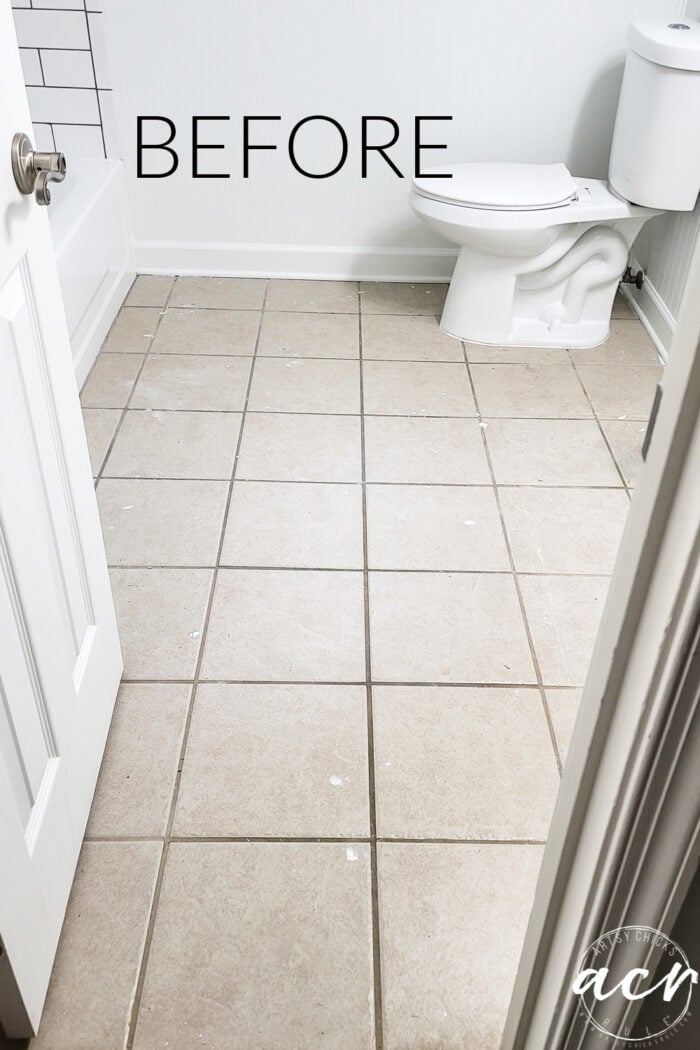
Image Source: www.artsychicksrule.com
Grasping the Possibility: Painting Your Kitchen Floor Tiles
Many people dream of a new kitchen. But new floor tiles cost a lot. Painting your floor tiles is a great choice. It saves money. It lets you change the look fast. You can pick any color. This makes your kitchen feel brand new.
Why People Paint Their Tiles
- Save money: New tiles and labor cost much more. Paint is cheaper.
- Quick update: You can change your floor’s look in a few days.
- New style: Pick a color or design that fits your home.
- DIY friendly: Many people can do this work themselves.
What Kinds of Tiles Can You Paint?
You can paint most common kitchen floor tiles. Ceramic and porcelain tiles are best. These tiles are smooth. But they can hold paint well with the right steps. Stone tiles, like marble or slate, are harder to paint. They need special care and primers. For this guide, we will focus on ceramic and porcelain.
Crucial Steps: Floor Tile Painting Prep
Good prep is key. It makes your painted tiles last. If you skip steps, the paint will chip or peel. Take your time here. This part is very important for tile paint durability.
Deep Cleaning and Repairing
First, clean your floor very well. Use a strong cleaner. Get rid of all dirt, grease, and grime. A TSP (trisodium phosphate) solution works great. It cuts through grease. Rinse the floor many times. Make sure no cleaner is left. Let the floor dry fully.
Next, check for damage.
* Fix any loose tiles. Use tile glue to set them firm.
* Fill any cracks or chips. Use a good epoxy filler. Make the surface smooth.
* Repair painted grout lines if they are damaged or messy. This ensures a clean base.
Scuffing the Surface
Tiles are smooth. Paint needs something to stick to. You must scuff the tile surface. Use a medium-grit sandpaper (like 120-grit). Lightly sand the whole floor. Do not press too hard. You just want to make the surface dull. This makes tiny scratches. The paint will grip these scratches.
After sanding, clean the dust. Use a vacuum. Then wipe the floor with a damp cloth. A tack cloth works best. It picks up all fine dust. The floor must be very clean and dry.
Priming for Adhesion
This step is vital. A good primer helps paint stick. It also blocks stains. It makes the paint color true. Use a primer made for slick surfaces. Look for “bonding primer” or “adhesion primer.” Oil-based primers often work best for tiles. They stick very well.
Apply the primer in thin, even coats. Use a roller for large areas. Use a brush for edges and grout lines. Let the primer dry completely. Check the primer can for drying times. Some primers need many hours. Some need a full day. Do not rush this step. Proper primer drying boosts tile paint durability.
Choosing the Best Paint for Ceramic Tiles
Not all paints are right for floors. Floors get heavy use. You need strong, tough paint. This is where best paint for ceramic tiles comes in.
Top Paint Options for Floor Tiles
- Epoxy Paint: This is a top choice. Epoxy paint is very hard. It resists water and chemicals. It lasts a long time. It is great for high-traffic areas. You mix two parts just before painting. This makes it very strong. It gives great tile paint durability.
- Chalk Paint: People love chalk paint for furniture. You can use it on tiles too. But it is not as tough as epoxy. It needs a very strong sealer. Without a good seal, it will not last on a floor.
- Acrylic Latex Paint (with specific additions): You can use high-quality acrylic latex paint. But it must be for floors. And it must have a strong bonding primer under it. It also needs a very strong topcoat sealer. This paint type is easier to use than epoxy. But it may not last as long.
- Specialty Tile Paints: Some brands make paint just for tiles. These paints often have built-in primers or sealers. They are made to stick to smooth surfaces. Read their labels carefully. See if they are good for floors and heavy use.
What Makes Paint Good for Floors?
Look for these features in floor paint:
* Strong Adhesion: It must stick well to the primer and tile.
* Durability: It must resist scratches, chips, and wear. This directly impacts tile paint durability.
* Water Resistance: Kitchen floors get wet. The paint must handle water well. Look for waterproof tile floor paint if possible. While no paint is truly 100% waterproof forever, some offer very high resistance.
* Easy to Clean: You want to clean your floor easily.
* Low VOCs: This means fewer bad fumes. It is better for your health.
For kitchen floors, epoxy is often the best choice for lasting power. If you choose another type, make sure it is for floors and has a very tough topcoat.
Getting Lasting Results: Tile Paint Durability
How long will your painted floor last? It depends on many things. Good work means it lasts longer.
Factors That Affect How Long Your Paint Lasts
- Prep Quality: This is the biggest factor. Clean tiles, good sanding, and a strong primer make paint stick. If prep is poor, paint will peel fast.
- Paint Type: Epoxy paint lasts longest. Other paints need more care.
- How You Paint: Thin, even coats work best. Many thin coats are better than one thick coat.
- Floor Traffic: A busy kitchen entrance wears faster. A low-use pantry floor lasts longer.
- Sealing: A good sealer protects the paint. It adds a hard layer. This is vital.
- Maintenance: How you clean and care for the floor matters.
With good prep and the right paint, your painted kitchen floor can last for several years. Some people see 5-10 years of good wear. Others may need touch-ups sooner. It is a good idea to repaint every few years to keep it fresh.
The Painting Process: Step-by-Step
Once prep is done, painting is the fun part.
Gathering Your Tools and Supplies
Before you start, get everything ready:
* Painter’s tape (for edges)
* Drop cloths (to protect other areas)
* Paint trays
* Rollers (short nap for smooth finish)
* Paintbrushes (for edges and corners)
* Paint stir stick
* Safety gear (gloves, mask, eye protection)
* Your chosen primer, paint, and sealer.
Applying the Primer
You already put on the first coat of primer. If the can says two coats, put on the second one now. Let each coat dry fully. Read the can for drying times. This is often 4-24 hours per coat.
Applying Paint Coats
- Start painting: Begin at the back of the room. Work your way to the exit.
- Cut in edges: Use a brush to paint along baseboards and corners. Do about a 6-inch wide strip.
- Roll the floor: Use a roller for the main floor. Apply thin, even coats. Avoid thick spots. Roll in one direction. Then roll lightly in the other. This makes it smooth.
- Paint painted grout lines****: Some people paint the grout the same color as the tiles. Others use a small brush to paint the grout lines a contrasting color first. Then they paint the tiles. If you want uniform color, just paint over the grout with the roller. The grout lines will show through the paint.
- Drying between coats: Let each coat dry completely. This is very important. Again, check the paint can for exact times. It could be 4-6 hours or more.
- Second coat: Apply a second coat of paint. Most floors need two or three coats for full coverage and good tile paint durability.
- Final drying: Let the last coat of paint dry completely. This is often 24-48 hours before you walk on it lightly.
Protecting Your Investment: Sealing Painted Kitchen Tiles
Sealing is the final layer of protection. It makes your painted floor tough. It keeps the paint from chipping and wearing. This is a must for sealing painted kitchen tiles.
Why Sealing Is Essential
- Adds Durability: A sealer forms a hard, clear layer. It protects the paint from scratches and wear.
- Resists Water: It helps the floor shed water. This stops water from hurting the paint.
- Easy to Clean: A sealed surface is smoother. It is easier to wipe clean.
- Enhances Look: Some sealers add a nice sheen to the floor.
Types of Sealers for Painted Tiles
- Polyurethane (Water-Based): This is a popular choice. It is easy to use. It has low odor. It dries fast. It offers good protection. It comes in different finishes (matte, satin, gloss).
- Polyurethane (Oil-Based): This type is very strong. It is more durable than water-based. But it has a strong smell. It takes longer to dry. It can yellow over time.
- Epoxy Topcoats: If you used epoxy paint, you can use an epoxy topcoat. This creates the strongest, most durable finish. It is very resistant to chemicals and heavy traffic.
Applying the Sealer
- Make sure paint is fully dry: The paint must be fully cured. This can take 3-7 days. Check your paint can. Walking on it too soon or sealing too soon will cause problems.
- Apply thin coats: Use a roller for large areas. Use a brush for edges. Apply thin, even coats.
- Multiple coats: Most sealers need two or three coats.
- Dry between coats: Let each coat dry fully. This can take 2-6 hours for water-based. Oil-based takes longer.
- Full cure time: The sealer needs time to fully harden. This is called curing. It can take 7 days or even more for full hardness. Avoid heavy use during this time. Put pads under furniture legs. Do not drag heavy things.
Keeping It Fresh: Kitchen Tile Paint Maintenance
Once your floor is painted and sealed, keep it looking good. Good kitchen tile paint maintenance makes it last longer.
Daily Cleaning Routines
- Sweep or vacuum often: Dust and grit can scratch the paint. Clean daily if your kitchen is busy.
- Use gentle cleaners: Clean spills right away. Use mild soap and water. Or use a floor cleaner made for sealed floors. Do not use harsh chemicals. No bleach, ammonia, or abrasive cleaners. These will hurt the sealer and paint.
- Avoid standing water: Wipe up spills quickly. Water left sitting can harm the paint over time, even with good waterproof tile floor paint.
Protecting Your Floor
- Use rugs: Put rugs in high-traffic areas. This includes in front of the sink or stove. This protects the paint from wear.
- Furniture pads: Put felt pads under table and chair legs. This stops scratches when furniture moves.
- Be careful with heavy items: Do not drag heavy appliances or furniture across the floor. Lift them if you can.
Fixing Small Issues: Chipping Floor Paint Repair
Even with the best care, small chips can happen. Do not worry. They are easy to fix.
- Clean the spot: Clean the chipped area very well. Make sure it is dry.
- Lightly sand: Gently sand the edges of the chip. This makes it smooth.
- Apply touch-up paint: Use a small brush. Apply a thin layer of your floor paint.
- Let it dry: Let the paint dry fully.
- Seal the spot: Apply a small amount of your sealer over the repaired spot.
- Let it cure: Give the sealer time to cure.
Quick fixes stop small chips from getting bigger. They keep your floor looking great.
Counting the Pennies: Cost to Paint Tile Floors
Painting your floor tiles is much cheaper than replacing them. Let’s look at the cost to paint tile floors.
DIY Cost Breakdown
Here is what you might pay for materials:
* Cleaner/Degreaser: $10 – $20
* Sandpaper/Sanding block: $5 – $15
* Primer: $20 – $50 per gallon (you might need 1-2 gallons for an average kitchen)
* Tile Paint: $30 – $70 per gallon (you might need 1-2 gallons)
* Sealer/Topcoat: $30 – $60 per gallon (you might need 1 gallon)
* Rollers, Brushes, Trays, Tape: $20 – $50
* Total DIY Cost: Roughly $115 – $265. This is for a medium-sized kitchen (around 100-150 sq ft). Your cost may change based on brand and size.
Cost Comparison: Paint vs. New Tiles
Look at how painting stacks up against other choices:
| Option | Pros | Cons | Average Cost (100 sq ft) |
|---|---|---|---|
| Painting Tiles | Low cost, quick update, DIY-friendly | Less durable than new tiles, needs maintenance, color can wear | $115 – $265 (DIY) |
| New Tile Install | Very durable, long-lasting, many styles | High cost, long work time, needs pro help | $1000 – $3000+ (materials + labor) |
| LVP Overlay | Good durability, easy to clean, many looks | Higher cost than paint, may raise floor height slightly | $500 – $1000 (materials + DIY install) |
Painting is clearly the most budget-friendly choice. It is great for a quick change without a big cost.
Other Options: Alternatives to Painting Floor Tiles
Painting is a good choice. But it is not the only one. Here are some alternatives to painting floor tiles:
- Regrouting: If your tiles are fine but the grout is bad, you can just regrout. This freshens the look. It makes your floor clean again. It is cheaper than new tiles.
- Tile Stickers/Decals: These are like large stickers you put over tiles. They are very easy to use. They come in many designs. They are good for a very temporary change. But they might not last long on a kitchen floor. They can peel up with heavy use or water.
- Luxury Vinyl Plank (LVP) Overlay: You can put LVP right over your old tiles. LVP is tough. It is waterproof. It looks like wood or stone. It is a bit more costly than paint. But it gives a very durable floor. It is a good DIY project.
- New Tile Installation: This is the most work and cost. But it gives you a brand new, very durable floor. You pick new tiles. A pro installs them. This lasts for many, many years.
- Tile Resurfacing (Professional): Some pros can resurface your tiles. They apply a strong new coating. It is like a very tough paint job done by experts. This costs more than DIY paint. But it is usually less than new tiles. It offers good durability.
Each choice has its own pros and cons. Think about your budget, how much work you want to do, and how long you want it to last.
Frequently Asked Questions (FAQ)
Can I paint bathroom floor tiles too?
Yes, you can paint bathroom floor tiles. The steps are the same as for kitchen tiles. Make sure to use a high-quality, water-resistant paint and a good sealer. Bathrooms have more moisture, so proper sealing is even more important. Good ventilation is key during painting.
How long does painted tile last?
With proper prep, quality paint, and good sealing, painted kitchen floor tiles can last 2-5 years or even longer. High-traffic areas might show wear sooner. Regular cleaning and care help extend its life. Small touch-ups can fix chips.
Can I paint over existing painted tiles?
Yes, you can often paint over existing painted tiles. But you must prepare the surface well. Clean it deeply. Lightly sand the old paint layer. Then apply primer and new paint coats. If the old paint is peeling or badly damaged, you might need to strip it first.
Is painted tile slippery?
Painted tiles can be slippery, especially when wet. To make them safer, use a paint with a satin or matte finish. High-gloss finishes are often more slippery. You can also add a non-slip additive to your final clear sealer coat. This grit makes the surface less slick.
Can I use regular wall paint on floor tiles?
No, you should not use regular wall paint on floor tiles. Wall paint is not made for floor traffic. It will chip, scratch, and wear away very quickly. Always use a paint made for floors, like epoxy or a durable floor-specific acrylic, along with a strong primer and sealer. This ensures tile paint durability.