
Yes, you absolutely can replace just the doors on your kitchen cabinets. This is a very popular and often affordable way to update your kitchen’s look without the expense and disruption of a full renovation. If your cabinet boxes are in good shape but the doors are worn, outdated, or you simply want a change, a kitchen cabinet door swap is a smart solution.
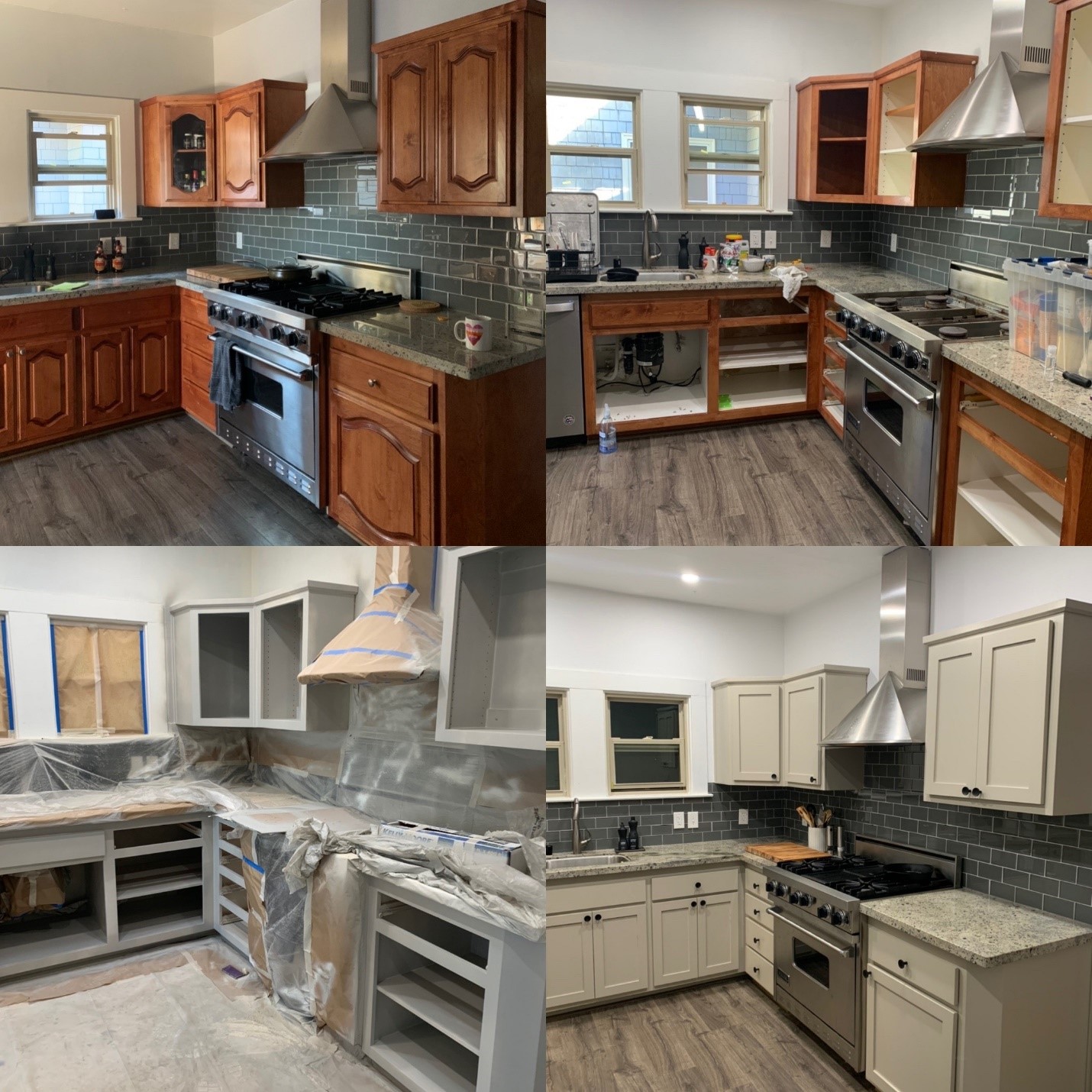
Image Source: cdn11.bigcommerce.com
The Allure of Cabinet Door Replacement
Has your kitchen started to feel a little tired? Do your cabinets seem dated, chipped, or just not your style anymore? You’re not alone. Many homeowners face this dilemma. The good news is that a complete cabinet overhaul isn’t always necessary. Cabinet door replacement offers a powerful and often budget-friendly way to completely transform your kitchen’s aesthetic. Instead of a full gut renovation, you can achieve a fresh, modern look by simply swapping out the doors. This approach is not only cost-effective but also significantly less disruptive to your daily life. You can update kitchen cabinets with a new style, color, or material, breathing new life into your cooking space.
Why Choose Door Replacement Over Full Cabinet Replacement?
There are several compelling reasons why opting for cabinet refacing doors or simply replacing doors is a smart move:
- Cost Savings: Replacing just the doors is significantly cheaper than replacing entire cabinets. New cabinet boxes involve demolition, new cabinet construction, installation, and often structural work.
- Reduced Disruption: You can continue using your kitchen for the most part while new doors are being made and installed. There’s no need to move out or drastically alter your daily routine.
- Faster Project Timeline: The process of replacing doors is much quicker than a full cabinet replacement.
- Environmental Friendliness: By keeping the existing cabinet boxes, you reduce waste. This is a more sustainable choice.
- Flexibility in Design: You have a vast array of styles, colors, and materials to choose from for your new doors, allowing for a highly personalized look.
When is Door Replacement the Right Option?
Consider cabinet door replacement when:
- The existing cabinet boxes (the frames) are structurally sound and in good condition.
- The internal drawer mechanisms and shelving are still functional and meet your needs.
- You want to change the style or color of your kitchen without a major renovation.
- You are looking for an affordable cabinet doors solution.
- You’re interested in a kitchen cabinet door swap to refresh your space.
If your cabinet boxes are damaged, water-stained, or structurally compromised, then a full cabinet replacement might be the only viable option.
Exploring Your Options for New Cabinet Doors
When you decide to replace your kitchen cabinet doors, you’ll find a world of possibilities. The variety of materials, styles, and finishes available ensures you can achieve almost any look you desire. Whether you’re going for a sleek modern vibe or a cozy traditional feel, there’s a door style for you.
Materials for Cabinet Doors
The material of your cabinet doors significantly impacts their durability, appearance, and cost.
-
Solid Wood:
- Types: Oak, Maple, Cherry, Birch, Alder, Hickory.
- Pros: Durable, beautiful natural grain, can be stained or painted, classic appeal.
- Cons: Can be more expensive, susceptible to warping with extreme humidity changes.
- Best For: Traditional, transitional, and rustic kitchens.
-
MDF (Medium-Density Fiberboard):
- Pros: Smooth, consistent surface ideal for painting, stable, less prone to warping than solid wood, generally more affordable.
- Cons: Not as durable as solid wood against dents and scratches, cannot be stained, requires a good quality paint finish for moisture protection.
- Best For: Modern, minimalist kitchens, or when a painted finish is desired.
-
Plywood:
- Pros: Strong, stable, resistant to warping and cracking.
- Cons: Edges need to be finished (edge banding or face frames), can be more expensive than MDF.
- Best For: Modern slab doors, and situations where durability is paramount.
-
Thermo-foil:
- Pros: Durable, easy to clean, water-resistant, wide variety of colors and finishes (including wood grain looks), cost-effective.
- Cons: Can be susceptible to heat damage (e.g., from ovens or toasters), difficult to repair if chipped or peeled.
- Best For: High-traffic kitchens, budget-conscious renovations.
-
Laminate:
- Pros: Highly durable, scratch-resistant, easy to clean, wide range of styles and finishes, good for modern looks.
- Cons: Can look less premium than wood, edges are a critical point for durability.
- Best For: Modern and contemporary kitchens.
Popular Cabinet Door Styles
The style of your cabinet doors is a major factor in your kitchen’s overall aesthetic.
-
Shaker:
- Description: Characterized by a raised center panel and a flat border. Simple, clean lines.
- Versatility: Fits well in traditional, transitional, and even modern farmhouse styles.
- Why it’s popular: Its timeless design makes it a safe and stylish choice for many kitchens.
-
Slab (Flat Panel):
- Description: A single, flat panel.
- Versatility: Ideal for modern, minimalist, and contemporary designs.
- Why it’s popular: Offers a sleek, uncluttered look that is easy to clean.
-
Raised Panel:
- Description: Features a center panel that is raised or has a beveled edge, creating depth and a more traditional look.
- Versatility: Best suited for traditional and formal kitchen styles.
- Consideration: Can sometimes be harder to clean due to the intricate design.
-
Recessed Panel:
- Description: Similar to Shaker, but the center panel is recessed or inset, giving a slightly different visual depth.
- Versatility: Versatile, fitting well with Shaker-style aesthetics.
-
Beadboard:
- Description: Features vertical grooves, resembling beadboard paneling.
- Versatility: Great for farmhouse, cottage, and casual kitchen styles.
- Consideration: The grooves can trap grease and grime, requiring more frequent cleaning.
Finishes and Colors
- Paint: Offers endless color possibilities. White, gray, and navy are popular choices for a modern look.
- Stain: Enhances the natural beauty of wood grain. Light stains can create a bright, airy feel, while dark stains offer a rich, sophisticated look.
- Varnish/Clear Coat: Protects the wood while maintaining its natural color and grain.
- Glazes: Applied over paint or stain to add depth, antiquing, or highlight details.
Measuring and Ordering Your New Doors
Accurate measurements are crucial for a successful cabinet door swap. If your measurements are off, your new doors won’t fit correctly, leading to frustration and potential extra costs.
How to Measure Your Existing Doors
Measure your current cabinet doors carefully. There are two primary methods:
-
Measure the Existing Door: This is the most common method for standard cabinets.
- Measure the width of the door from edge to edge.
- Measure the height of the door from edge to edge.
- Important: Measure in a few places for both width and height, as doors can sometimes be slightly irregular. Use the smallest measurement for each dimension.
-
Measure the Cabinet Opening (for inset doors): If your current doors are inset into the cabinet frame, you’ll need to measure the opening itself.
- Measure the width of the opening.
- Measure the height of the opening.
- Important: For inset doors, you typically need to subtract a small amount (e.g., 1/8 inch) from both measurements to allow for clearance. Check with your door supplier for their specific recommendations.
For Framed Cabinets:
If your cabinets have a face frame (a visible wooden frame around the opening), you’ll be ordering doors that are larger than the opening to overlay the frame. Measure the outside dimensions of the face frame opening.
For Frameless (European) Cabinets:
If your cabinets are frameless, the doors usually cover the entire cabinet box. Measure the exact width and height of the cabinet box.
What Else to Measure?
- Drawer Fronts: Measure drawer fronts the same way you measure doors.
- Overlay: This refers to how much the door or drawer front covers the cabinet frame. Most modern cabinets have a full overlay, where the doors cover almost the entire frame. Partial overlay is more traditional. Knowing your overlay is essential when ordering doors for framed cabinets.
- Hinge Type: Note the type of hinges your current doors use. Most new doors come undrilled for hinges, but some suppliers can drill them for you if you provide precise measurements. You might also be replacing hinges as part of a cabinet hardware replacement project.
Ordering Custom Cabinet Doors vs. Stock Doors
- Stock Doors: These are pre-made doors available in standard sizes. They are generally affordable cabinet doors and quicker to obtain. However, they might not fit all cabinet openings perfectly, requiring adjustments or compromises.
- Custom Cabinet Doors: These are made to your exact specifications.
- Pros: Perfect fit, wide range of styles, materials, and finishes.
- Cons: More expensive and have a longer lead time.
- Best For: Achieving a seamless, professional look, or when standard sizes won’t work.
DIY Cabinet Doors are also an option for those with woodworking skills, but this requires significant time, tools, and expertise.
What Information to Provide When Ordering:
- Door style
- Material
- Finish (paint color, stain, etc.)
- Exact dimensions (width and height) for each door and drawer front
- Hinge boring specifications (if applicable)
- Drilling for hardware (if applicable)
The Installation Process: A Step-by-Step Guide
Once you have your new cabinet doors, it’s time for installation. This is often a manageable DIY project, but taking your time and being precise is key.
Tools and Materials You’ll Need:
- New cabinet doors and drawer fronts
- New hinges (if replacing)
- Screwdriver (Phillips head and possibly a flathead)
- Drill/driver with appropriate bits
- Measuring tape
- Level
- Pencil
- Painter’s tape (for marking)
- Cabinet door jig (highly recommended for hinge boring)
- Safety glasses
- Gloves
- Possibly a helper, especially for larger doors
Step-by-Step Installation:
- Prepare Your Workspace: Clear the area around your cabinets. Lay down drop cloths to protect your floors.
- Remove Old Doors and Drawer Fronts:
- For each door, open it and locate the hinges attached to the cabinet frame.
- Unscrew the hinges from the cabinet frame. You may want to label each door and its corresponding location with painter’s tape (e.g., “Upper Left Fridge”).
- Carefully remove the old doors.
- For drawer fronts, locate the screws from the inside of the drawer box that attach the front. Unscrew these and remove the old drawer front.
- Prepare New Doors/Drawer Fronts:
- If your new doors are undrilled for hinges, this is where you’ll need to do it.
- Hinge Boring: This is the most precise part. Use a cabinet door jig to ensure the hinge cup holes are drilled at the correct depth and location. Follow the jig’s instructions carefully. Measure from the top and side of the door to the center of the hinge placement.
- Hardware Drilling: If you haven’t already ordered them drilled for handles or knobs, measure and drill the holes for your cabinet hardware replacement. Use a template or jig for accuracy. It’s best to drill from the front to avoid chipping the back surface.
- Install Hinges on New Doors:
- If your new hinges come in two parts (one for the door, one for the cabinet), attach the door portion of the hinge to the new door.
- Attach New Doors to Cabinet Frames:
- Hold a new door in place against the cabinet frame.
- If you are reusing existing hinge mounting plates on the cabinet frame, align the hinges on the door with these plates.
- Screw the hinges to the mounting plates (or directly to the cabinet frame if applicable).
- Repeat for all doors.
- Adjust Hinges for Proper Alignment:
- Most cabinet hinges have adjustment screws. These allow you to move the door up/down, left/right, and in/out.
- Close the doors and check the gaps between them and the surrounding cabinets.
- Make small adjustments to the screws until all doors hang straight, close properly, and have even gaps. This can take some patience.
- Install New Drawer Fronts:
- Align the new drawer front with the existing drawer box.
- From the inside of the drawer box, screw the new front into place.
- Check for alignment and adjust if necessary.
- Install New Hardware:
- Attach your new knobs or pulls to the doors and drawer fronts using the pre-drilled holes.
- Clean Up: Remove any protective films, clean off fingerprints, and admire your updated kitchen!
Enhancing Your Update: Hardware and Other Considerations
While new cabinet doors are the star of the show, don’t forget the supporting cast! Cabinet hardware replacement is a simple yet impactful way to further enhance your kitchen’s new look.
The Impact of Cabinet Hardware
Knobs and pulls are like jewelry for your cabinets. Changing them can dramatically alter the style and feel of your kitchen.
- Modern: Sleek bar pulls, matte black finishes, geometric shapes.
- Traditional: Ornate knobs, brushed nickel or antique brass finishes, cup pulls.
- Farmhouse: Matte black, brushed brass, ceramic knobs, bin pulls.
Considerations when selecting hardware:
- Finish: Match or complement other finishes in your kitchen (faucets, lighting).
- Style: Ensure the hardware aligns with your chosen door style and overall kitchen aesthetic.
- Ergonomics: Choose hardware that is comfortable to grip and use.
- Hole Spacing: For pulls, measure the distance between the screw holes (center to center).
Other Enhancements to Consider
As part of your kitchen cabinet door swap, you might also think about:
- New Hinges: If your old hinges are worn or you’re changing door styles significantly, new hinges might be necessary. Consider soft-close hinges for a premium feel.
- New Drawer Slides: If your drawers are sticky or saggy, replacing the slides can make a huge difference in functionality.
- Cabinet Lighting: Installing under-cabinet lighting can add ambiance and improve task lighting.
- Interior Accessories: Consider adding organizers, pull-out shelves, or lazy Susans inside your cabinets.
Budgeting for Your Cabinet Door Replacement Project
One of the main attractions of replacing cabinet doors is the cost savings. Let’s break down the potential expenses.
Cost Factors for New Cabinet Doors
- Material: Solid wood is generally the most expensive, followed by MDF, thermo-foil, and laminate.
- Style: More intricate door styles (like raised panels) or custom designs will cost more than simple slab or Shaker doors.
- Finish: Painted doors, especially custom colors, can be more costly than stained or clear-coated doors.
- Size: Larger doors naturally require more material and will cost more.
- Supplier: Prices can vary significantly between custom cabinet shops, online retailers, and big-box stores.
- Customization: Any special features, like hinge boring or specific finishes, can add to the cost.
Estimating Your Project Costs
| Item | Typical Cost Range (per door/drawer front) | Notes |
|---|---|---|
| Stock Doors | $30 – $100 | Standard sizes, limited styles/finishes. |
| Custom Doors | $75 – $300+ | Made-to-order, wide variety of options. |
| Drawer Fronts | $25 – $150+ | Typically slightly less expensive than doors of comparable size. |
| Hinges | $3 – $15 per pair | Standard vs. soft-close; finish options. |
| Cabinet Hardware | $2 – $20 per piece | Knobs vs. pulls; material and brand. |
| Jigs/Tools (if DIY) | $30 – $100+ | One-time purchase, reusable. |
| Professional Install | $50 – $150 per hour or per cabinet | Varies by region and complexity. |
Example Scenario:
For a moderately sized kitchen with 20 cabinet doors and 5 drawer fronts, opting for mid-range Shaker-style MDF doors with a painted finish:
- 20 Doors @ $90/door = $1,800
- 5 Drawer Fronts @ $50/front = $250
- New Hinges (2 per door, 2 per drawer) = 50 hinges @ $5/pair = $125
- Hardware (e.g., 20 knobs @ $4/each) = $80
- Total Estimated Cost (DIY): $2,255
This is a rough estimate, and actual costs can vary. Getting quotes from multiple suppliers is highly recommended. Remember to factor in the cost of potential mistakes if you’re doing it yourself.
Frequently Asked Questions About Replacing Kitchen Cabinet Doors
Q1: Can I replace just the cabinet doors if my cabinet boxes are old?
Yes, as long as the cabinet boxes are structurally sound and free from significant damage like water rot or pest infestation, you can replace just the doors. The internal structure and the exterior frame of the cabinets are what matter most for this type of renovation.
Q2: What is the cheapest way to update kitchen cabinets?
The cheapest ways typically involve painting existing cabinet doors and frames, or replacing just the doors with affordable options like thermo-foil or a basic MDF Shaker style. New hardware can also provide a significant visual impact for a low cost.
Q3: How do I know if my cabinet boxes are good enough to keep?
Inspect your cabinet boxes for any signs of damage. Look for water stains, mold, warping, or peeling laminate. Check if the frames are still square and solid. If the boxes are sturdy and not visibly compromised, they are likely suitable to keep.
Q4: Do I need to replace my hinges when I replace my doors?
It’s often a good idea to replace your hinges, especially if they are old, worn, or if you’re changing the style of your doors significantly. New hinges can ensure your doors hang properly and operate smoothly. You might also want to upgrade to soft-close hinges.
Q5: Can I paint over existing cabinet doors and drawer fronts?
Yes, you can paint existing cabinet doors and drawer fronts, but proper preparation is key. This involves cleaning, degreasing, sanding, priming, and applying multiple thin coats of high-quality cabinet paint. This is a great DIY cabinet doors option if you’re on a tight budget.
Q6: How much does it cost to replace kitchen cabinet doors?
The cost varies widely depending on material, style, finish, and whether you buy stock or custom doors. You could spend anywhere from $30-$100 per door for basic stock options to $75-$300+ per door for custom solid wood doors.
Q7: What is a good material for kitchen cabinet doors that are durable and affordable?
MDF with a high-quality paint finish is often a good balance of durability and affordability, especially for modern kitchens. Thermo-foil is also a budget-friendly and durable option, though it can be susceptible to heat damage.
Conclusion: A Smart Way to Refresh Your Kitchen
Replacing your kitchen cabinet doors is a fantastic strategy for achieving a refreshed and updated look without the hefty price tag and extensive disruption of a full kitchen remodel. Whether you opt for beautiful solid wood, sleek modern laminates, or cost-effective painted MDF, the ability to replace cabinet fronts allows for significant personalization. By carefully measuring, choosing the right materials and styles, and perhaps even tackling the installation yourself as a DIY cabinet doors project, you can transform your kitchen into a space you truly love. Don’t underestimate the power of a kitchen cabinet door swap combined with updated cabinet hardware replacement to breathe new life into your home.