
Image Source: www.worldcoppersmith.com
Mastering Airflow: How Much Cfm For Kitchen Hood Guide
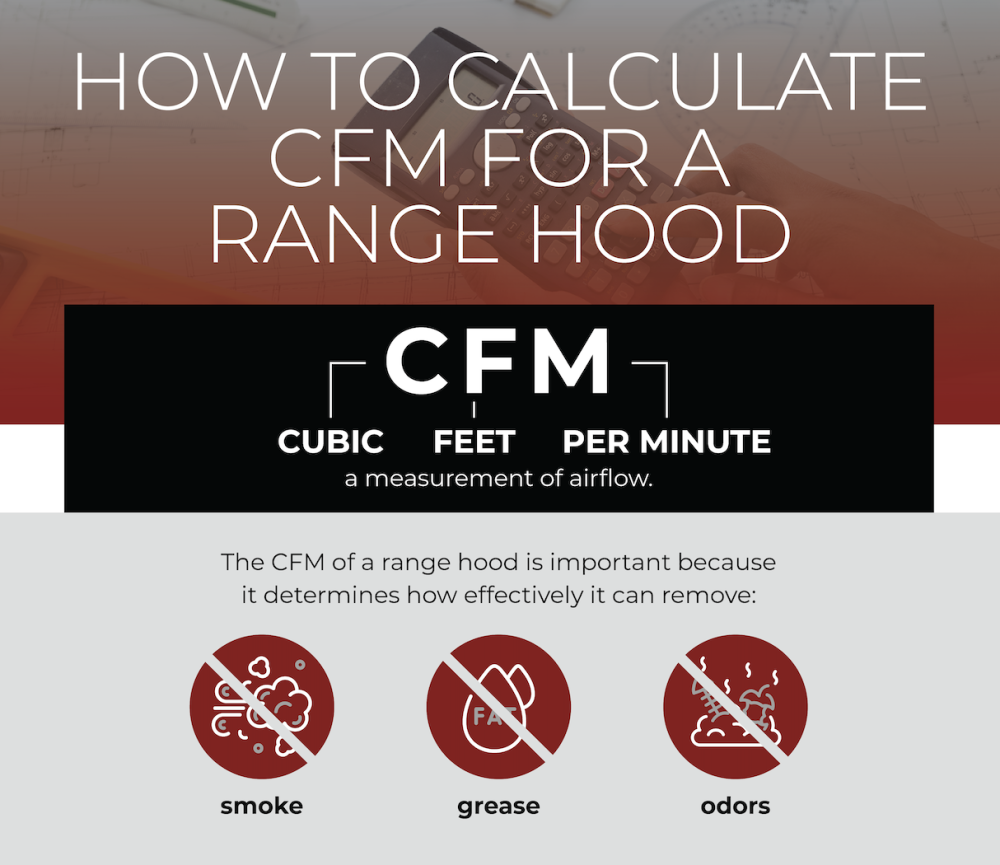
How much CFM do you need for a kitchen hood? The right CFM depends on many things. It changes with your cooking style. It also depends on your stove type. Even your kitchen’s size matters. Picking the right kitchen exhaust fan CFM ensures clean air. It also keeps your home free of cooking smells. This guide helps you choose the perfect range hood CFM requirements for your home.
Why a Strong Kitchen Hood Matters
A good kitchen hood does more than just look nice. It pulls out smoke. It grabs grease. It takes away cooking smells. This keeps your kitchen air clean. It stops grime from building up. It makes cooking more pleasant.
A strong hood helps in many ways:
- Cleaner Air: It removes harmful fumes. These fumes come from cooking. They can be bad for your health.
- Less Grease and Grime: Grease turns into sticky film. This film settles on your cabinets and walls. A good hood stops this.
- Better Smells: Onion smells or fish smells can linger. A good hood clears them fast.
- More Comfort: It removes heat and steam from cooking. This makes your kitchen cooler. It feels better to cook in.
- Safer Home: It can help prevent carbon monoxide buildup. This is very important for gas stoves.
Key Factors in Picking CFM
Many things affect how much CFM you need. Knowing these helps you pick the best hood.
Deciphering Your Stove Type and Cooking Habits
Your stove type is a big factor. Electric stoves make less heat. Gas stoves make a lot more. Gas stoves need more airflow. They make more heat and fumes.
- Electric Stoves: These usually need less CFM. They do not release as many harmful gases. A lower CFM can still work well.
- Gas Stoves: These need more power. They burn gas. This creates moisture and fumes. They also release more heat. For this reason, gas range hood CFM needs are higher. We will talk about BTU to CFM conversion later. This helps you figure out the exact number.
Also, think about how you cook:
- Light Cooking: Do you just boil water? Or mostly use a microwave? You might need less CFM.
- Medium Cooking: Do you cook a few times a week? Do you fry or stir-fry sometimes? You will need a standard amount.
- Heavy Cooking: Do you cook every day? Do you often fry, grill, or use a wok? You will need high CFM. This is key for powerful kitchen ventilation CFM.
Assessing Kitchen Size and Layout
Is your kitchen open to other rooms? Or is it a small, closed space? Open kitchens might need more power. They need to move air from a bigger area.
- Open Concept Kitchens: Air spreads easily in these spaces. A stronger hood helps clear fumes faster. This stops smells from going into living areas.
- Enclosed Kitchens: These can sometimes use a bit less CFM. The air is contained. But you still need enough power to clear it quickly.
Grasping Ductwork’s Role
The pipes that move air matter a lot. Wide, straight ducts work best. Small or twisty ducts slow air down. This lowers your hood’s power. We will look at duct size for range hood CFM in more detail later.
Considering Hood Size and Placement
Your hood should cover your cooking surface well. A wider hood catches more fumes. This helps it work better. We will talk about hood size CFM recommendation.
- Hood Width: Your hood should be at least as wide as your stove. It is even better if it is wider. This helps capture all rising smoke.
- Hood Depth: The hood should cover the front burners well. These are often used the most.
- Height Above Stove: Follow the maker’s guide. Too high, and it misses fumes. Too low, and it gets in the way.
Calculating Your CFM Needs
Figuring out the right CFM is not hard. We use a few simple rules. These rules help you choose a good hood. This is how to do a CFM calculation for range hood.
The BTU Method for Gas Ranges
Gas stoves need more power. We use BTUs (British Thermal Units). This measures the heat your stove makes. For every 10,000 BTUs, you need 100 CFM. This is a good general rule for BTU to CFM conversion.
Steps to Calculate for Gas Stoves:
- Find Total BTUs: Look at your stove’s manual. Or check the stove’s label. Add up the BTUs for all burners. Include the oven’s BTU if it is also gas.
- Example: Your gas range has four burners: 10,000 BTU, 12,000 BTU, 8,000 BTU, and 5,000 BTU. The oven is 20,000 BTU.
- Total BTUs = 10,000 + 12,000 + 8,000 + 5,000 + 20,000 = 55,000 BTUs.
- Calculate CFM: Divide the total BTUs by 10,000. Then multiply by 100 CFM.
- Calculation: (55,000 BTUs / 10,000) * 100 CFM = 5.5 * 100 CFM = 550 CFM.
- So, for this stove, you need at least 550 CFM.
Here is a quick reference table for common gas stove BTUs and needed CFM:
| Total Gas Stove BTUs | Recommended CFM (Rough Estimate) |
|---|---|
| 30,000 | 300 CFM |
| 40,000 | 400 CFM |
| 50,000 | 500 CFM |
| 60,000 | 600 CFM |
| 70,000 | 700 CFM |
| 80,000 | 800 CFM |
The Linear Foot Method for Electric Stoves
Electric stoves usually make less heat and fumes. A basic rule for them is 100 CFM for every linear foot of stove width.
Steps to Calculate for Electric Stoves:
- Measure Stove Width: Get the width of your stove in inches.
- Example: Your electric stove is 30 inches wide.
- Convert to Feet: Divide the inches by 12.
- Calculation: 30 inches / 12 inches/foot = 2.5 feet.
- Calculate CFM: Multiply the width in feet by 100 CFM.
- Calculation: 2.5 feet * 100 CFM/foot = 250 CFM.
- So, for a 30-inch electric stove, you need at least 250 CFM.
The Air Changes Per Hour (ACH) Method
Another way to figure CFM is by kitchen size. This method looks at how often air in your kitchen should change. Most experts suggest changing kitchen air 15 times an hour. This is good for healthy air.
Steps to Calculate Using ACH:
- Find Kitchen Volume: Measure your kitchen’s length, width, and height. Multiply them together.
- Example: Your kitchen is 10 feet long, 12 feet wide, and 8 feet high.
- Volume = 10 ft * 12 ft * 8 ft = 960 cubic feet (cu ft).
- Calculate Air Changes per Hour: Multiply the volume by 15 (desired air changes per hour).
- Calculation: 960 cu ft * 15 ACH = 14,400 cubic feet per hour (CFH).
- Convert to CFM: Divide the CFH by 60 (minutes in an hour).
- Calculation: 14,400 CFH / 60 minutes/hour = 240 CFM.
- This method gives a good minimum for general kitchen ventilation CFM.
Combining Methods
If you have a gas stove, the BTU method is usually best. It accounts for the higher heat output. But also consider the ACH method. It makes sure your whole kitchen gets fresh air. Pick the higher CFM number from your calculations. This ensures you have enough power. This leads to optimal range hood CFM.
Types of Range Hoods and Their CFM Needs
Different hood types fit different kitchens. They also have different airflow paths. This affects their power and best use.
- Under-Cabinet Hoods: These fit neatly under your upper cabinets. They are common. Many can be ducted or ductless. Their CFM can range from 200 CFM to 600 CFM. They are good for smaller kitchens or less heavy cooking.
- Wall-Mount Chimney Hoods: These hoods attach to the wall. They are very stylish. They often have higher CFM options. They can go from 400 CFM to 1200 CFM or more. They are great for active cooks.
- Island Hoods: These hang from the ceiling over a kitchen island. They need powerful motors. This is because smoke can spread in all directions. Their CFM ranges from 600 CFM to 1500 CFM or higher. They are often needed for open kitchen layouts.
- Downdraft Hoods: These rise from behind your cooktop when you need them. They pull smoke down into the floor. They are less common. They need higher CFM to work well. This is because hot air naturally rises. They often need 600 CFM to 1200 CFM.
The Critical Role of Makeup Air
When a powerful hood pulls air out, new air must come in. This new air is “makeup air.” It balances the air pressure. If no new air comes in, your house becomes a vacuum. This is a very important part of kitchen ventilation CFM.
Why Makeup Air is Essential
Without makeup air, bad things can happen:
- Poor Hood Performance: Your hood may not work well. It might struggle to pull air. It will not reach its full power.
- Backdrafting: It can pull air from other places in your home. This might be from a water heater or furnace. These appliances vent out dangerous gases like carbon monoxide. A powerful hood can pull these fumes inside your home. This is called backdrafting. It is very dangerous.
- Increased Noise: Your hood may become louder. It strains to move air against high pressure.
- Drafts and Comfort Issues: Cold air can be pulled in from cracks. This creates uncomfortable drafts. It can make heating bills higher.
When Makeup Air is Required
Many building codes require makeup air. This is true for hoods over 400 CFM. Some codes say 600 CFM. Always check your local rules. Ignoring these rules can be costly. It can also be a safety risk. This is why makeup air for kitchen hood is so important.
Solutions for Makeup Air
- Passive Vents: These are simple vents. They open to let outdoor air in. They are usually not enough for high CFM hoods.
- Dedicated Makeup Air Systems: These are the best choice for powerful hoods. They bring fresh outdoor air in. They can warm or cool it if needed. This keeps your home comfy. It also makes your hood work as it should. They are often tied into your home’s heating or cooling system.
Ductwork’s Impact on CFM
Your hood’s power is only as good as its ducts. Ducts are the pipes that carry air outside. The right duct size helps air flow freely. This lets your hood work at its best. This is a crucial part of range hood CFM requirements.
Diameter Matters
Wider ducts are better. For most hoods, 6-inch, 8-inch, or 10-inch ducts are common.
- Small Ducts (e.g., 4-inch): These should be avoided. They greatly limit airflow. A small duct makes your hood work harder. It makes more noise. It also moves much less air.
- Larger Ducts (e.g., 8-inch or 10-inch): These allow air to flow easily. This lets your hood run quieter. It also lets it move air more efficiently. Always use the duct size the hood maker recommends. Or go even bigger if possible. This is key for duct size for range hood CFM.
Length and Bends Count
Keep ducts short and straight. Every turn and every extra foot slows air down.
- Shortest Path: Plan the shortest route for your ducts. Go straight out a wall if you can. Or straight up through the roof.
- Fewer Bends: Each 90-degree bend is like adding many feet of duct. For example, a 90-degree elbow might reduce CFM by 25-50 CFM. A 45-degree elbow is less restrictive. Aim for as few bends as possible. Two 45-degree bends are better than one 90-degree bend.
- Duct Run: If your duct run is very long, you will need a higher CFM hood. This helps overcome the air resistance.
Material Choice
Smooth metal ducts are best.
- Rigid Metal: Use smooth, rigid galvanized steel or aluminum ducts. These offer the least airflow resistance.
- Flexible Ducts: Avoid flexible ducts if you can. They often have ridges. These ridges trap air. They make airflow worse. They are harder to clean. If you must use flexible duct, use the smooth kind. And keep it as short as possible.
Choosing the Optimal Range Hood CFM
Finding the perfect CFM means finding a balance. You want enough power to clear your air. But you don’t want a hood that is too loud. This ensures optimal range hood CFM.
Balancing Power and Noise
Powerful hoods can be noisy. Noise is measured in Sones. Lower Sones mean a quieter hood.
- Good Sones: Look for hoods that are 2-3 Sones on low speed. This is like a quiet fridge hum.
- High Sones: 7 Sones or more is like a normal conversation. This can be annoying.
- CFM vs. Sones: Higher CFM usually means higher Sones. But good design can lower noise. Some hoods have a remote blower. The motor is outside your house. This makes the hood much quieter.
Considering Overall Kitchen Ventilation
Your range hood is the main part of your kitchen ventilation. But good general airflow helps too. Open a window slightly. This can help with makeup air. It also helps move general kitchen air.
Features That Matter
- Multiple Speeds: Many hoods offer multiple fan speeds. This lets you choose the right power. You don’t always need max power. A low speed for simmering is quiet. A high speed for searing is powerful.
- Filters:
- Baffle Filters: These are good for heavy grease. They are made of metal. They capture grease well. They are easy to clean in a dishwasher.
- Mesh Filters: These are common. They are good for lighter cooking. They need to be cleaned often. They can clog easily.
- Lighting: Good lighting helps you see what you are cooking. LED lights are energy efficient. They last a long time.
- Heat Sensors: Some hoods turn on automatically when they sense high heat. This is a nice safety feature.
- Delay Shut-Off: This feature lets the hood run for a few minutes after you finish cooking. It clears any lingering fumes.
Hood Size CFM Recommendation
Generally, your hood should be wider than your cooktop.
- Same Width: If your cooktop is 30 inches, a 30-inch hood is the minimum.
- Wider Hood: A 36-inch hood over a 30-inch cooktop is better. It captures more smoke. This is especially true for island hoods. They need a wider capture area.
The wider the hood, the less CFM it might need per linear foot. A wider hood means the air spread is better. So, it can catch more with less direct pull.
Installation Tips for Peak Performance
Even the best hood needs proper installation. This helps it work at its best.
- Right Height: Install your hood at the right height. Too high, and it won’t catch fumes. Too low, and it gets in the way. Follow the maker’s guide. This is usually 24-30 inches above electric cooktops. It is 27-36 inches above gas cooktops.
- Seal Ducts: Seal all duct connections. Use metal tape or duct mastic. Leaks let air escape. This wastes power. It lowers your effective CFM.
- Clean Filters: Clean your filters often. Dirty filters block airflow. They make your hood work harder. They also become fire risks. Clean filters mean better performance. Most baffle filters can go in the dishwasher.
- Check Vents: Make sure the outside vent flap opens freely. It should not be blocked by anything.
Frequently Asked Questions (FAQ)
Is Higher CFM Always Better?
Not always. Higher CFM means more power. But it can also mean more noise. It can also cost more. It might also need a makeup air system. This adds to the cost and complexity. Choose a CFM that fits your cooking habits. Choose one that fits your stove and kitchen size.
Can a Hood Be Too Strong?
Yes, a hood can be too strong. If it pulls out too much air too fast, it creates low pressure in your home. This can lead to:
- Backdrafting: Pulling dangerous fumes from other appliances.
- Discomfort: Cold drafts.
- Noise: A very loud fan.
- Energy Loss: Your heating or cooling system works harder.
This is why balancing CFM with makeup air and needs is important.
What If I Don’t Have Ducts?
If you cannot install ducts, you can use a recirculating (ductless) hood.
- How They Work: These hoods filter the air. They remove grease and odors. Then, they send the cleaned air back into your kitchen.
- Effectiveness: They are not as effective as ducted hoods. They do not remove heat or moisture. But they are better than nothing.
- Maintenance: Their filters need to be replaced often. This includes charcoal filters for odors.
How Often Should I Clean the Filters?
This depends on how much you cook.
- Light Cooking: Clean filters every 2-3 months.
- Medium Cooking: Clean filters once a month.
- Heavy Cooking/Frying: Clean filters every 2-3 weeks.
Clean filters help your hood work at its best. They also reduce fire risks from grease buildup.
How Do I Know If My Current Hood Has Enough CFM?
You can test it.
- Tissue Test: Turn on your hood to high. Hold a tissue under it. If the tissue sticks firmly to the hood, it is likely working well. If it falls, your hood might be too weak.
- Smoke Test: If you cook something smoky, watch the smoke. Does it all get pulled into the hood? Or does some escape? Escaping smoke means you need more CFM.
- Lingering Smells: If cooking smells stay in your kitchen for a long time, your hood may not be strong enough.
Choosing the right kitchen hood CFM is an important step. It makes your cooking space more enjoyable. It also keeps your home safer and cleaner. By using these guides, you can select the perfect hood for your needs.