
The ideal space around a kitchen island is at least 36 inches (91 cm) for basic walkways, but 42-48 inches (107-122 cm) is much better for comfort and workability, especially if you have more than one person using the kitchen or if you want seating.
Getting the space right around your kitchen island is super important for how well your kitchen works and how nice it feels to be in. It’s not just about how big the island is; it’s also about how much room you have to move around it. Too little space can make your kitchen feel cramped and unsafe. Too much space can make it feel awkward to use. This guide will help you figure out the best spacing for your kitchen.
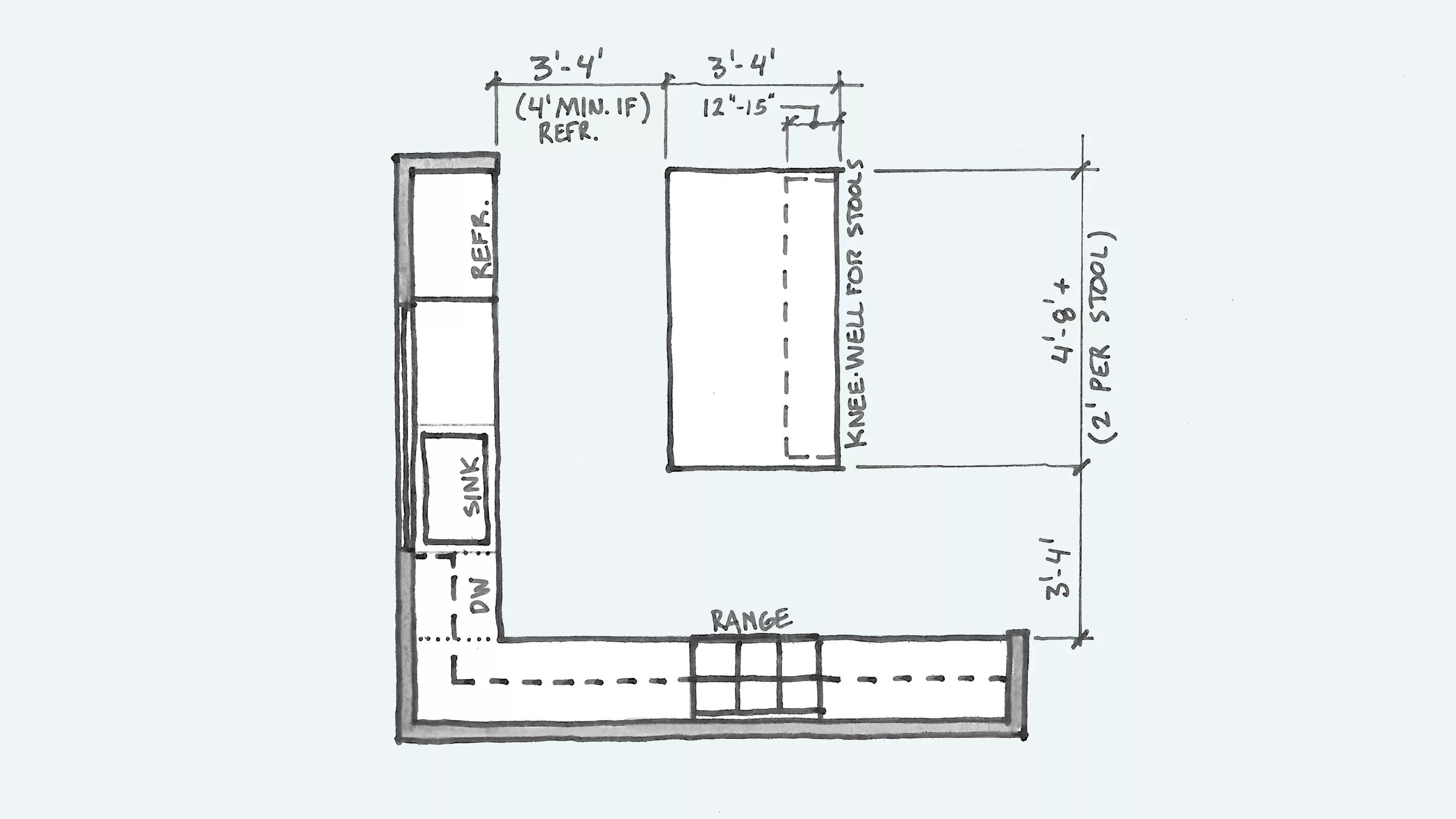
Image Source: www.boardandvellum.com
Why Island Spacing Matters
Think of your kitchen island as the heart of your kitchen. Everyone will be gathered around it, cooking, eating, or just chatting. The space around it affects:
- Safety: You need enough room to move without bumping into things or dropping hot food.
- Usability: Can you open drawers and appliances? Can you walk around comfortably while someone else is cooking?
- Flow: Does the kitchen feel easy to navigate? Can people move from the fridge to the sink to the island without feeling blocked?
- Comfort: Does it feel cramped or spacious when people are using it?
Let’s break down the different spacing needs.
The Importance of Kitchen Island Clearance
Kitchen island clearance is the space between the island and other surfaces like countertops, cabinets, or appliances. This clearance is key to a functional kitchen.
- Minimum Kitchen Island Spacing: The absolute minimum for a walkway around island is 36 inches (91 cm). This allows one person to walk past the island. However, this can feel tight, especially if someone is standing at the island or opening a cabinet.
- Comfortable Kitchen Island Spacing: For a more comfortable and functional kitchen, aim for 42 to 48 inches (107 to 122 cm). This allows for two people to pass each other or for one person to work at the island while another walks behind them.
- Optimal Kitchen Island Clearances: In busy kitchens or those with multiple cooks, 48 inches (122 cm) or even more is ideal. This provides ample room for easy movement and multitasking.
Island to Counter Distance: The Working Triangle
The island to counter distance is a crucial part of the kitchen’s work triangle (or work zones). This is the space between the island and the main kitchen counters or appliances.
- Working Space: You need enough space to open refrigerator doors, oven doors, and dishwasher drawers without them hitting the island.
- Traffic Flow: This gap is often a main pathway. If it’s too narrow, it will create a bottleneck.
Table 1: Recommended Island to Counter Distances
| Clearance Type | Minimum | Recommended | Ideal for Busy Kitchens |
|---|---|---|---|
| Island to Countertop | 36 inches | 42-48 inches | 48+ inches |
| Island to Refrigerator | 40 inches | 44-48 inches | 48+ inches |
| Island to Oven/Dishwasher | 42 inches | 48+ inches | 50+ inches |
Note: These measurements are from the island’s edge to the edge of the counter or the appliance door when fully opened.
Factors Influencing Your Ideal Spacing
The “ideal” space isn’t one-size-fits-all. It depends on several things:
Kitchen Size and Layout
A larger kitchen can accommodate a larger island and more generous clearances. In a smaller kitchen, you might need to be more strategic to avoid making the space feel cluttered.
- Galley Kitchens: Islands in galley kitchens need careful planning. You’ll want enough space for two people to pass comfortably, so 42-48 inches is a must.
- Open-Concept Kitchens: These often have more space, allowing for larger islands and wider walkways. This is great for entertaining and creates a more inviting feel.
- L-Shaped or U-Shaped Kitchens: The island will be positioned within these layouts. Ensure the island doesn’t block access to the main workspace or create awkward corners.
How You Use Your Kitchen
- Casual Cooking: If you mostly do simple meal prep, 36-42 inches might be enough.
- Serious Cooking/Baking: If you often have multiple people in the kitchen, or if you do a lot of baking that requires spreading out ingredients, you’ll need more space. Aim for 48 inches or more.
- Entertaining: If your kitchen is a hub for gatherings, generous clearances are essential for guests to mingle without getting in the way.
Island Functionality
- Seating Around Island Space: If you plan to have seating at your island, this changes the required space.
- Seating on One Side: You’ll need at least 48 inches of clearance on the seating side for guests to get in and out of their seats comfortably. This means the total space around the island would be: 48 inches (walkway) + island width + 48 inches (seating space).
- Seating on Multiple Sides: If seating is on two sides, you’ll need to ensure there’s enough clearance between seating areas and walkways.
- Legroom: Each person seated at an island needs about 24-30 inches of width. They also need about 15-18 inches of depth for their legs. So, the island itself needs to be deep enough for comfortable seating.
- Appliance Integration: If your island has a cooktop, sink, or dishwasher, you’ll need to consider the workflow and clearance around these items, just as you would with your main kitchen counters.
- Cooktops: Need clearance in front for cooking and space for utensils.
- Sinks: Need clearance for someone to stand and wash dishes, and space for drying racks or dish towels.
- Dishwashers: Need the door to open fully without hitting anything.
Practical Considerations for Kitchen Island Placement Guidelines
When you’re deciding where to put your island, think about these points:
Creating Functional Work Zones
A well-placed island can enhance your kitchen’s work zones. It can act as a prep area, a serving buffet, or a casual dining spot.
- Prep Zone: Placing the island between the sink and the refrigerator is ideal for food prep.
- Cooking Zone: If your island has a cooktop, make sure there’s a safe distance from flammable materials and easy access to other cooking tools.
- Cleaning Zone: If the island has a sink or dishwasher, ensure there’s a clear path to the trash and drying areas.
Appliance Door Clearance
This is a common oversight. Make sure appliance doors, like refrigerators, ovens, and dishwashers, can open all the way without hitting the island.
- Refrigerator Doors: Typically swing out. Measure the width of the door and how far it opens.
- Oven Doors: Some swing to the side, others open downwards.
- Dishwasher Doors: Most open upwards. The space needed depends on how far the door opens and if you have people walking behind it.
Drawer and Cabinet Access
Can you easily open all drawers and cabinets on the island and the surrounding counters without them bumping into each other? This is especially important for appliance garages or deep drawers.
Traffic Flow and Walkway Around Island
A walkway around island is essential. Imagine two people trying to cross paths in the kitchen.
- Main Walkways: These are the paths you’ll use most often, connecting the kitchen to other rooms or appliances. Aim for at least 42 inches here.
- Secondary Walkways: Areas where you might occasionally pass through. 36 inches is the absolute minimum.
Seating Around Island Space Requirements
If your island includes seating, this adds another layer of space needs.
- Stool Clearance: Allow at least 12 inches (30 cm) of knee space under the overhang.
- Passing Room: If people are seated, you need space for them to get up and move without being squeezed against the island or a wall. This means the walkway behind seated guests should be at least 42 inches.
Table 2: Space Needed for Island Seating
| Seating Area Type | Recommended Clearance Behind Seating | Recommended Knee Space |
|---|---|---|
| Stools | 42 inches | 12-18 inches |
Island Size and Kitchen Island Dimensions
The size of your island is directly related to how much space you have around it.
- Small Kitchens: A small, mobile cart or a narrow island (24-36 inches wide) might be best. Clearances of 36-42 inches are usually sufficient.
- Medium Kitchens: A standard island (around 36-48 inches wide) can work well. Aim for 42-48 inches of clearance.
- Large Kitchens: You can opt for a larger island (48+ inches wide) and still maintain generous clearances of 48 inches or more.
Other Island Features
- Island with Sink or Cooktop: These often require slightly more clearance around them for safety and ease of use. For instance, a cooktop might need more buffer space.
- Island with Storage: Deep drawers or cabinets on the island require clear space in front of them to open fully.
Common Mistakes to Avoid
- Forgetting Appliance Doors: Not allowing enough space for refrigerator, oven, or dishwasher doors to open is a very common mistake.
- Too Little Walkway: Squeezing an island into a space that’s too small creates a constant tripping hazard and makes the kitchen feel claustrophobic.
- Ignoring Seating Needs: If you want island seating, you must factor in the space people need to sit and get up comfortably.
- Blocking Key Pathways: Placing an island in a way that makes it hard to get from the pantry to the fridge, or from the dining room to the sink, disrupts the kitchen’s flow.
- Overcrowding with Furniture: In open-concept spaces, don’t let other furniture (like dining chairs or sofas) infringe on the essential kitchen island clearances.
Designing Your Ideal Kitchen Island Space
Here’s a step-by-step approach to planning your island’s placement and surrounding space:
1. Measure Your Kitchen Accurately
Measure the length and width of your kitchen. Also, note the location of windows, doors, and existing appliances.
2. Determine Your Island’s Purpose and Size
- Will it be a prep station, a dining area, or both?
- What kitchen island dimensions are you considering? Sketch out a few options.
3. Draft Layouts on Paper or Digitally
Use graph paper or online kitchen planning tools. Place your desired island size and shape in different spots.
4. Map Out the Clearances
Draw in the required clearances around the island. Mark the swing arcs of appliance doors. See how your island placement affects the main walkways.
5. Test with Cardboard Mock-ups (Optional but Recommended)
Cut out cardboard to the size of your island and place it in your kitchen. You can also use painter’s tape to mark out the walkway areas. Live with it for a day or two. See how it feels to move around. Open your appliance doors.
6. Consider the Overall Kitchen Flow
Imagine yourself cooking a meal. Where do you need to go? Is the path clear? Can someone else comfortably pass by?
Frequently Asked Questions (FAQ)
Q1: What is the absolute minimum aisle width for a kitchen island?
A1: The absolute minimum aisle width for a kitchen island is 36 inches (91 cm). However, this is only suitable for very light use and tight spaces, and it’s not recommended for areas where two people might need to pass.
Q2: Can I have less than 42 inches around my kitchen island if my kitchen is small?
A2: While you might be tempted, it’s best to stick as close to 42 inches as possible. If you absolutely cannot achieve 42 inches, ensure you have at least 36 inches and be mindful of appliance door swings and traffic flow. A smaller island might be a better solution than forcing a large one into a tight space.
Q3: How much space do I need if I want seating at my island?
A3: For comfortable seating around island space, you’ll need at least 42-48 inches of clearance behind the seated guests to allow them to get in and out of their seats and for others to pass. This is in addition to the clearance on other sides of the island.
Q4: What is the ideal island to counter distance?
A4: The ideal island to counter distance is 42-48 inches (107-122 cm) for good workflow and comfortable movement. This ensures you can open cabinets and appliances easily and have space to work.
Q5: What are the best kitchen island placement guidelines for a busy family kitchen?
A5: For a busy family kitchen, prioritize ample kitchen island clearance. Aim for at least 48 inches (122 cm) on all sides. Ensure clear pathways between the island and other key work zones (sink, fridge, oven) and allow plenty of space for multiple people to move and work simultaneously.
Q6: What kitchen island dimensions should I consider for a medium-sized kitchen?
A6: For a medium-sized kitchen, a common and versatile kitchen island dimension is around 3 feet by 6 feet (91 cm by 183 cm). This size provides a good workspace and dining area without overwhelming the space, provided you maintain adequate clearance around it (ideally 42-48 inches).
Q7: How much space is needed between an island and a refrigerator?
A7: You need enough space for the refrigerator door to open fully. Typically, this means at least 40 inches from the island to the refrigerator, with 44-48 inches being more comfortable, especially if the refrigerator is in a main walkway.
Conclusion: Making Space Work for You
The right amount of space around your kitchen island transforms a functional space into a truly enjoyable and efficient one. Prioritizing kitchen island clearance isn’t just about following rules; it’s about creating a safer, more pleasant, and more practical kitchen for everyone who uses it.
By carefully considering your kitchen’s size, how you use it, and the specific features of your island, you can achieve those optimal kitchen island clearances that make all the difference. Remember to focus on walkway around island, island to counter distance, and seating around island space to create a kitchen that flows beautifully and works perfectly for your needs. Don’t be afraid to use mock-ups to truly feel the space before making final decisions. Happy planning!