
What can I use to clean my kitchen drain pipes? You can use natural ingredients like baking soda and vinegar, or hot water, or commercially available drain cleaners.
A clogged kitchen sink can be a frustrating problem. Food scraps, grease, and other debris can build up over time, leading to slow draining or a complete blockage. Knowing how to clean drain pipes in your kitchen is essential for maintaining a hygienic and functional living space. This comprehensive guide will walk you through various methods, from simple DIY solutions to more involved techniques, helping you tackle that stubborn kitchen sink unclog and prevent future kitchen pipe blockage issues.
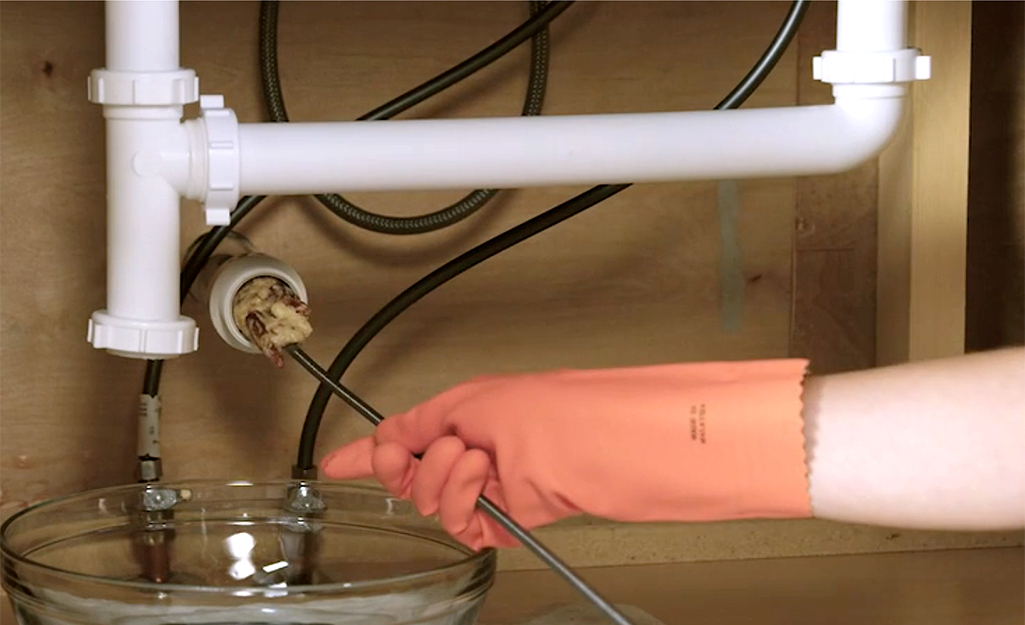
Image Source: contentgrid.homedepot-static.com
Why Kitchen Drains Clog
Before diving into the cleaning methods, it’s helpful to understand what causes kitchen drains to clog. The most common culprits are:
- Grease and Oil: When hot grease and oil are poured down the drain, they cool and solidify as they travel through the pipes, sticking to the walls and creating a sticky barrier.
- Food Scraps: Small particles of food, like coffee grounds, eggshells, rice, pasta, and vegetable peels, can accumulate and form a dense blockage.
- Soap Scum: Over time, soap residue can combine with mineral deposits in the water, creating a tough build-up that narrows the pipe’s opening.
- Foreign Objects: Accidental drops of small objects, like bottle caps, small toys, or twist ties, can get lodged in the pipes.
Regular kitchen drain maintenance is key to preventing these blockages and ensuring your pipes function smoothly.
Easy DIY Kitchen Drain Cleaning Methods
There are several effective kitchen drain cleaning methods you can try at home using common household items. These methods are generally safer for your pipes and the environment compared to harsh chemical cleaners.
Method 1: Baking Soda and Vinegar
This classic combination is a powerful natural cleaner. The reaction between baking soda and vinegar creates fizzing that can help loosen grime and debris.
Steps:
- Pour Boiling Water: Start by carefully pouring a pot of boiling water down the drain. This helps to soften any grease or sludge that might be present.
- Add Baking Soda: Pour about half a cup to a full cup of baking soda directly into the drain. Try to get as much of it down the opening as possible.
- Pour Vinegar: Immediately follow the baking soda with about one cup of white vinegar. You’ll see a foaming and bubbling reaction.
- Cover the Drain: Place a drain stopper or a damp cloth over the drain opening to keep the fizzing reaction contained within the pipes.
- Let it Sit: Allow the mixture to work for at least 30 minutes, or even longer for tougher clogs (an hour is good).
- Flush with Hot Water: After the waiting period, pour another pot of boiling water down the drain to flush away the loosened debris.
This is a great kitchen drain cleaner DIY option for minor clogs and for general kitchen sink pipe cleaning.
Method 2: Salt and Baking Soda
Salt can act as an abrasive to help scrub away build-up.
Steps:
- Mix Ingredients: Combine half a cup of baking soda with half a cup of salt in a bowl.
- Pour into Drain: Pour this mixture down the drain.
- Add Hot Water: Pour about half a cup of hot water (not necessarily boiling) into the drain to help activate the mixture.
- Let it Rest: Let the mixture sit for about 15-30 minutes.
- Flush: Flush the drain with hot water.
This is another gentle yet effective kitchen drain maintenance technique.
Method 3: Boiling Water Alone
Sometimes, the simplest solution is the most effective, especially for grease build-up.
Steps:
- Boil Water: Fill a kettle or pot with water and bring it to a rolling boil.
- Pour Slowly: Carefully and slowly pour the boiling water directly down the drain. Do this in stages, allowing a few seconds between pours.
- Repeat if Necessary: If the water drains slowly, repeat the process a couple of times.
Caution: While effective for grease, avoid using boiling water if you have PVC pipes that are older or in poor condition, as extreme heat can potentially damage them. Always check your plumbing’s compatibility if you’re unsure. This method is particularly useful for preventing kitchen drain water backup.
Method 4: Dish Soap and Hot Water
Dish soap is designed to cut through grease, making it an excellent tool for cleaning kitchen pipes.
Steps:
- Add Dish Soap: Squirt a generous amount of liquid dish soap (about a quarter cup) down the drain.
- Follow with Hot Water: Pour a pot of very hot, but not necessarily boiling, water down the drain.
- Let it Sit: Allow the soap to work for about 30 minutes.
- Flush: Flush the drain with more hot water.
This method is excellent for tackling kitchen drain odor removal as well as minor clogs.
When DIY Isn’t Enough: Tools for Clearing Kitchen Drains
If the DIY methods don’t fully resolve the issue, you might need some simple tools to help you how to clear kitchen drain blockages.
Using a Plunger
A plunger is a classic tool for creating suction to dislodge clogs. For a kitchen sink, a cup plunger is usually sufficient.
Steps:
- Create a Seal: Ensure there’s enough water in the sink to cover the rubber cup of the plunger. If your sink has a double basin, block off the other drain with a wet cloth or stopper to create a better seal.
- Position the Plunger: Place the plunger firmly over the drain opening, ensuring a tight seal.
- Plunge Vigorously: Push and pull the plunger handle up and down rapidly and forcefully for about 15-20 seconds.
- Check for Drainage: Lift the plunger and see if the water drains. You may need to repeat the plunging process several times.
- Flush: Once the water drains, flush the pipe with hot water.
This is a crucial step in kitchen plumbing unclogging and can often resolve immediate kitchen drain water backup.
Using a Drain Snake (Auger)
A drain snake, also known as a plumber’s snake or auger, is a flexible cable that can be fed into the drain to break up or retrieve clogs.
Steps:
- Insert the Snake: Carefully feed the end of the drain snake into the drain opening.
- Advance the Cable: Push the cable further into the pipe until you meet resistance, indicating a clog.
- Work the Clog: Once you encounter the blockage, twist the handle of the snake. This will either break up the clog, allowing water to flow, or snag it so you can pull it out.
- Retrieve and Clean: If you snagged the clog, slowly pull the snake back out, bringing the debris with it. Clean the end of the snake.
- Flush: Run hot water down the drain to clear any remaining debris.
Using a drain snake is a very effective way to handle a stubborn kitchen pipe blockage and is a key technique for how to clear kitchen drain when other methods fail.
Cleaning the P-Trap
The P-trap is the U-shaped pipe under your sink. It’s designed to hold water, preventing sewer gases from entering your home, but it’s also a common place for clogs to form.
Steps:
- Prepare: Place a bucket or large bowl directly under the P-trap to catch any water and debris that will spill out.
- Loosen Fittings: Most P-traps have slip nuts that can be loosened by hand or with pliers. Loosen them carefully.
- Remove the Trap: Gently detach the P-trap from the pipes.
- Clean the Trap: Empty the contents of the trap into the bucket. Use a brush or a coat hanger to clean out any gunk, grease, or debris from inside the pipe.
- Check Adjacent Pipes: While the trap is off, inspect the adjoining pipes for any visible blockages.
- Reassemble: Reattach the P-trap, ensuring the slip nuts are tightened securely.
- Test: Run water down the sink to check for leaks and proper drainage.
Cleaning the P-trap is a direct approach to kitchen sink unclog and a crucial part of kitchen drain maintenance.
Chemical Drain Cleaners: When and How to Use Them
While natural methods are often preferred, sometimes a more aggressive approach is needed. Commercial chemical drain cleaners are available, but they should be used with caution.
Types of Chemical Drain Cleaners:
- Caustic Cleaners: Contain lye (sodium hydroxide) or potassium hydroxide. They work by generating heat and breaking down grease, hair, and other organic matter.
- Oxidizing Cleaners: Contain bleach or hydrogen peroxide. They work by releasing oxygen to break down organic waste.
- Acidic Cleaners: Contain strong acids like sulfuric or hydrochloric acid. These are very powerful but also the most dangerous and should generally be avoided in household plumbing unless specifically recommended by a professional.
Safety Precautions:
- Read the Label: Always read and follow the manufacturer’s instructions precisely.
- Ventilation: Ensure good ventilation in the area by opening windows and turning on exhaust fans.
- Protective Gear: Wear rubber gloves and eye protection to protect your skin and eyes from splashes.
- Never Mix Cleaners: Do not mix different types of chemical drain cleaners, or use them in conjunction with other cleaning agents (like bleach and ammonia), as this can create toxic fumes.
- Avoid for Complete Blockages: Chemical cleaners are often less effective on solid blockages and can sometimes make the situation worse by hardening grease. They are better for slow drains.
- Pipe Material: Be aware of your pipe material. Harsh chemicals can damage older pipes or those made from certain plastics.
How to Use Chemical Drain Cleaners:
- Remove Standing Water: If possible, remove as much standing water from the sink as you can.
- Pour Carefully: Slowly pour the recommended amount of cleaner directly into the drain opening.
- Wait: Allow the cleaner to sit for the time specified on the product label.
- Flush: Flush the drain thoroughly with cold water (usually recommended over hot water for chemical cleaners to prevent excessive heat and fuming).
Using chemical cleaners is a last resort for kitchen plumbing unclogging and should be done with extreme care. If you are unsure, it is always best to call a plumber.
Preventing Future Kitchen Drain Issues
The best way to deal with a clogged drain is to prevent it from happening in the first place. Implementing good habits for kitchen drain maintenance can save you a lot of hassle.
Preventative Measures:
- Scrape Plates: Scrape all food scraps from plates and utensils into the trash or compost bin before rinsing them.
- Use a Drain Strainer: Place a mesh drain strainer in your sink to catch larger food particles, coffee grounds, and other debris. Empty the strainer regularly into the trash.
- Never Pour Grease Down the Drain: Collect used cooking oil, grease, and fat in a container (like an old can or jar) and dispose of it in the trash once it has cooled and solidified.
- Avoid Coffee Grounds and Eggshells: These can be particularly problematic. Coffee grounds don’t break down easily, and eggshells have a slimy membrane that can adhere to pipes and attract other debris.
- Run Hot Water Regularly: After washing dishes, run hot water for a minute or two to help flush away any residual grease and prevent build-up.
- Monthly Maintenance: Pouring a cup of baking soda followed by a cup of vinegar down the drain once a month, followed by hot water, can help keep pipes clear and combat kitchen drain odor removal.
These simple practices are crucial for maintaining the health of your kitchen plumbing and preventing kitchen drain water backup.
Addressing Kitchen Drain Odor Removal
A lingering unpleasant smell from the kitchen sink is often a sign of decaying organic matter trapped in the pipes or the P-trap.
Odor Removal Techniques:
- Baking Soda and Vinegar: As mentioned earlier, this combination is excellent for cleaning and deodorizing. The fizzing action helps to dislodge trapped particles that cause odors.
- Lemon Peels: After using a lemon, don’t throw away the peels. Grind them up in a garbage disposal if you have one, or simply run them down the drain with hot water. The citrus oils help to break down grease and leave a fresh scent.
- Boiling Water with Citrus: Boil water with lemon, lime, or orange peels. Pouring this scented hot water down the drain can help clean and deodorize.
- Commercial Drain Deodorizers: Look for enzyme-based drain cleaners specifically designed to break down organic waste and eliminate odors. These are generally safer than harsh chemical cleaners.
Consistent kitchen drain maintenance will significantly reduce the chances of experiencing kitchen drain odor removal issues.
When to Call a Professional Plumber
While many kitchen sink clogs can be handled with DIY methods, there are times when it’s best to call a professional plumber.
Signs You Need a Plumber:
- Persistent Clogs: If you’ve tried multiple methods and the drain is still clogged, it might be a more serious issue further down the line.
- Multiple Fixtures Affected: If you notice slow draining or backups in other drains in your house (like toilets or bathroom sinks), it could indicate a blockage in your main sewer line.
- Foul Odors and Gurgling Sounds: Persistent foul smells or loud gurgling noises from drains can signal a more significant plumbing problem.
- Water Backup: If you experience water backing up into your sink when flushing a toilet or using another fixture, this is a serious sign of a main line clog.
- Lack of Confidence: If you’re not comfortable performing any of the above steps, or if you have old or delicate plumbing, it’s always safer to hire a professional.
A plumber has specialized tools and expertise to diagnose and fix complex kitchen pipe blockage issues efficiently and safely, ensuring your kitchen plumbing is in good working order.
Frequently Asked Questions About Kitchen Drain Cleaning
Q: How often should I clean my kitchen drains?
A: It’s recommended to perform some form of maintenance monthly. This could involve the baking soda and vinegar treatment. For general cleaning and to prevent odors, running hot water after use and using a drain strainer are good daily practices.
Q: Can I use bleach to clean my kitchen drain?
A: While bleach can help sanitize and deodorize, it’s not very effective at breaking down grease and food particles, which are common causes of kitchen clogs. Furthermore, mixing bleach with other cleaners or acids can create dangerous toxic fumes. It’s generally better to use baking soda and vinegar or specialized drain cleaners.
Q: My drain is clogged with grease. What’s the best way to clear it?
A: For grease clogs, starting with boiling water is often effective as it can melt the solidified grease. Follow up with the baking soda and vinegar method. If that doesn’t work, a drain snake can physically break up or pull out the greasy build-up.
Q: Is it safe to use a chemical drain cleaner on my garbage disposal?
A: Most manufacturers advise against using chemical drain cleaners on garbage disposals, as they can damage the grinding components and seals. It’s better to use mechanical methods or enzyme-based cleaners for disposals.
Q: What is the purpose of the U-shaped pipe under my sink?
A: That U-shaped pipe is called a P-trap. Its primary purpose is to hold a small amount of water, which acts as a seal to prevent unpleasant sewer gases from rising up through the drain and entering your kitchen. It’s also a common spot for clogs to form.
By understanding the causes of drain clogs and employing these various kitchen drain cleaning methods, you can keep your kitchen sink flowing freely and avoid the hassle of a blocked drain. Regular kitchen drain maintenance is key to a happy and healthy home.