
Can you disassemble a Moen kitchen faucet yourself? Yes, you absolutely can disassemble a Moen kitchen faucet yourself. This guide will walk you through the process step-by-step, making DIY repairs and maintenance achievable for most homeowners. Whether you’re facing a persistent drip, a stiff handle, or just want to perform routine Moen faucet maintenance, knowing how to take it apart is the first crucial step. This guide will cover everything from Moen faucet handle removal to identifying and replacing Moen faucet parts and Moen kitchen faucet parts, ensuring you can tackle most common issues.
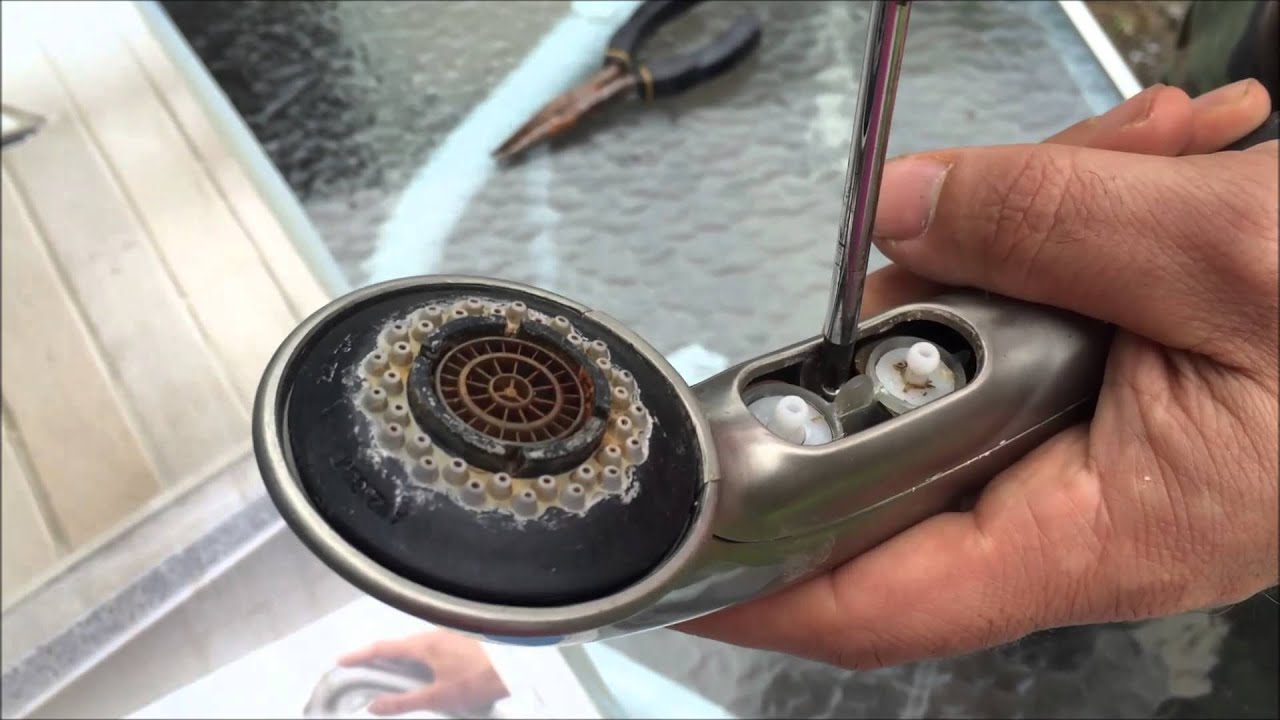
Image Source: i.ytimg.com
Why Disassemble Your Moen Faucet?
Moen faucets are known for their durability and quality. However, like any plumbing fixture, they can eventually develop issues. Common reasons for disassembling a Moen faucet include:
- Leaks: A leaky faucet is not only annoying but also wastes water and money. Often, a simple worn-out O-ring or a faulty Moen faucet cartridge is the culprit.
- Stiff or Hard-to-Move Handles: Over time, mineral buildup or dried-out O-rings can make faucet handles difficult to operate.
- Low Water Pressure: A clogged Moen faucet aerator or a problem within the cartridge can restrict water flow.
- Replacing Parts: If a specific component is damaged or worn out, you’ll need to disassemble the faucet to replace it. This might involve Moen faucet replacement of the entire cartridge or other internal parts.
- Cleaning and Descaling: Regular cleaning can prevent future problems and keep your faucet looking its best.
Essential Tools for Disassembly
Before you start, gather the necessary tools. Having everything ready will make the process smoother and prevent frustration.
Tool Checklist:
- Adjustable Wrench: For loosening and tightening nuts and fittings.
- Phillips Head Screwdriver: For removing screws, often found under decorative caps.
- Flathead Screwdriver: Useful for prying off caps or levers if necessary.
- Allen Wrench (Hex Key) Set: Many Moen faucets use small set screws that require specific Allen wrench sizes. These are often included with new faucets or can be purchased as a set.
- Pliers (Needle-nose and Slip-joint): For gripping small parts or holding components in place.
- Bucket or Towels: To catch any residual water when you disconnect parts.
- Rag or Cloth: For wiping down components and protecting surfaces.
- Penetrating Oil (Optional but Recommended): For loosening stubborn or corroded parts.
- New O-rings or Cartridge (if applicable): Have your replacement Moen faucet parts ready if you know what needs replacing.
Preparing for Disassembly
Safety and preparedness are key to a successful DIY project.
Pre-Disassembly Steps:
- Turn Off the Water Supply: This is the most critical step. Locate the shut-off valves beneath the sink. They are usually small, oval-shaped handles attached to the hot and cold water lines leading to the faucet. Turn them clockwise until they stop. If you can’t find or turn these valves, you’ll need to shut off the main water supply to your house.
- Test the Water Shut-Off: After turning off the valves, turn on the faucet to ensure the water is completely shut off and to release any remaining pressure in the lines.
- Protect Your Sink: Place a towel or rag in the sink drain to prevent small parts from falling down. You might also want to lay down a towel or mat around the faucet base to protect the sink’s finish.
- Identify Your Moen Faucet Model: This step is incredibly helpful for ordering the correct Moen faucet parts or replacement cartridges. Look for a model number on the underside of the spout, on the faucet body itself, or check your original purchase documentation. If you can’t find a visible model number, take clear pictures of your faucet and visit the Moen website or a local plumbing supply store for assistance. Knowing your model will greatly simplify Moen faucet repair.
Disassembling a Typical Moen Kitchen Faucet: Step-by-Step
While Moen offers many faucet styles, the basic disassembly process for most single-handle and some two-handle models shares common steps. This guide focuses on the common single-handle design, which is prevalent in many kitchens.
Step 1: Removing the Faucet Handle
This is often the first step and can vary slightly depending on the faucet design.
H4: Locating the Handle Screw
- Decorative Cap: Many Moen faucets have a small decorative cap on the front or side of the handle. This cap often hides the screw. Gently pry this cap off using a small flathead screwdriver or even your fingernail.
- Set Screw: The handle is typically secured by a set screw. This screw is usually located on the underside or back of the handle. It might be visible or hidden behind the decorative cap.
- Allen Wrench Access: If you see a small hexagonal hole, you’ll need an Allen wrench (hex key) to loosen the set screw. Insert the appropriate size Allen wrench and turn it counter-clockwise. You don’t usually need to remove the screw completely; just loosen it enough so the handle can be pulled off.
H4: Removing the Handle
- Once the set screw is loosened, grip the handle firmly and pull it straight up or away from the faucet body.
- If the handle is stuck, try wiggling it gently or applying a bit of penetrating oil around the set screw area and letting it sit for a few minutes. Avoid excessive force, as this can damage the handle or the internal components. Sometimes, a gentle tap with a rubber mallet can help dislodge a stubborn handle.
Step 2: Removing the Decorative Trim or Cap
After the handle is off, you’ll likely see a decorative trim piece or cap covering the internal workings.
H4: Loosening the Trim Piece
- Threaded Cap: Most decorative caps are threaded onto the faucet body. They can usually be unscrewed by hand, turning counter-clockwise.
- Stubborn Caps: If the cap is difficult to turn, you might need to use your adjustable wrench. Wrap the cap with a cloth or rag to protect its finish and then gently grip it with the wrench to unscrew it.
Step 3: Accessing the Cartridge
This is where you’ll find the heart of the faucet – the Moen faucet cartridge. This component controls the flow and temperature of the water.
H4: Removing the Cartridge Retaining Clip or Nut
Moen faucets use different methods to secure the cartridge:
- Retaining Clip: Many Moen cartridges are held in place by a small metal clip. This clip is often U-shaped or a thin metal bar. You’ll need needle-nose pliers to carefully pull this clip straight out. Note the orientation of the clip so you can reinsert it correctly during reassembly. This is a common point of failure for Moen faucet repair, as the clip can sometimes break.
- Retaining Nut: Some models have a threaded retaining nut that screws over the cartridge. You’ll use your adjustable wrench to unscrew this nut counter-clockwise. Again, protect the finish with a cloth.
Step 4: Removing the Moen Faucet Cartridge
With the retaining clip or nut removed, the cartridge should now be accessible.
H4: Pulling Out the Cartridge
- Cartridge Removal Tool: Moen often recommends using a specific cartridge removal tool for their newer cartridges. This tool fits into slots on the side of the cartridge and allows you to grip and pull it out. These tools are relatively inexpensive and can be found at hardware stores or online. They are highly recommended for newer Moen faucets.
- Pliers Method (Use with Caution): For older models or if you don’t have the specific tool, you can try gripping the top of the cartridge with pliers and pulling it straight up. Be very careful not to damage the faucet body or the cartridge bore. If the cartridge is old and brittle, it might break apart.
- Wiggling and Pulling: Gently wiggle the cartridge side-to-side while pulling upwards. Mineral deposits can sometimes make it stick.
H4: Inspecting the Cartridge
Once the cartridge is out, inspect it for any signs of wear, cracks, or mineral buildup. If you’re experiencing leaks or flow issues, this is often the part that needs replacement. You can purchase a new Moen faucet cartridge based on your faucet model number.
Step 5: Inspecting and Replacing Other Moen Faucet Parts
While the faucet is disassembled, it’s a good time to check other components.
H4: O-rings and Seals
- Around the base of the cartridge and within the faucet body, you’ll find rubber O-rings and seals. These are critical for preventing leaks.
- Carefully remove any old O-rings using a small pick or screwdriver.
- Clean the areas where the O-rings sit.
- Install new O-rings of the correct size. You can often buy O-ring kits specifically for Moen faucets, which contain a variety of common sizes.
H4: Spout and Aerator
- Spout Removal: If your spout is leaking from its base, you might need to remove it. The spout is often held in place by a threaded collar or a retaining clip underneath. Once removed, inspect the O-rings at the base of the spout.
- Aerator Cleaning: The Moen faucet aerator is the small screen at the tip of the spout where water comes out. It can get clogged with mineral deposits, reducing water flow. You can usually unscrew the aerator by hand or with pliers (use a rag to protect the finish). Soak it in vinegar to dissolve mineral buildup, then clean it with a brush and reassemble. This is a simple part of Moen faucet maintenance that can significantly improve performance.
Reassembling Your Moen Faucet
Reassembly is essentially the reverse of disassembly. Take your time and ensure each part is correctly seated.
Reassembly Steps:
- Install the New Cartridge: If you replaced the cartridge, insert the new Moen faucet cartridge into the faucet body, making sure it’s oriented correctly. The notches on the cartridge should align with any corresponding slots in the faucet body.
- Secure the Cartridge: Reinstall the retaining clip or thread the retaining nut back into place. Hand-tighten the nut, then give it a quarter turn with a wrench if needed, but don’t overtighten. Ensure the clip is fully seated.
- Reattach the Trim Piece: Screw the decorative trim cap back onto the faucet body by hand.
- Reinstall the Handle: Slide the handle back onto the faucet stem. Tighten the set screw using the Allen wrench.
- Replace the Decorative Cap: Snap the decorative cap back into place if your faucet has one.
- Turn On the Water Supply: Slowly turn the water shut-off valves back on.
- Check for Leaks: Turn on the faucet and check thoroughly for any leaks around the handle, spout base, and connections. Also, check underneath the sink for any drips.
Common Moen Faucet Repair Scenarios
Knowing how to disassemble is the first step. Here are some common problems and how disassembly helps:
H3: Fixing a Leaky Faucet
A common Moen faucet leak fix involves replacing the Moen faucet cartridge. When you disassemble the faucet, remove the old cartridge and examine it. If it looks worn, cracked, or has brittle seals, a replacement cartridge is likely the solution. Replacing the O-rings around the spout base or cartridge seat can also resolve leaks.
H3: Improving Water Pressure
If your Moen kitchen faucet has low water pressure, the first place to check after disassembly is the Moen faucet aerator. Unscrewing and cleaning it can often restore good flow. If that doesn’t help, a clogged or faulty Moen faucet cartridge might be restricting water.
H3: Dealing with a Stiff Handle
A stiff handle usually means the O-rings inside the faucet body are dry or have mineral buildup. After removing the handle and cartridge, clean all internal components and lubricate the O-rings with plumber’s grease before reassembly. This is a simple but effective part of Moen faucet maintenance.
Advanced Moen Faucet Maintenance and Troubleshooting
Sometimes, the issue might be more complex, or you might be looking to perform more in-depth Moen faucet maintenance.
H4: Replacing the Entire Faucet
If your Moen faucet is very old, corroded, or the damage is extensive, you might consider a complete Moen faucet replacement. This involves disconnecting the water supply lines, unscrewing the mounting nuts from underneath the sink, and lifting the old faucet out. Then, you’ll follow the instructions for Moen faucet installation for your new unit.
H4: Identifying Specific Moen Faucet Parts
When you’ve disassembled your faucet and identified a worn part, knowing the exact name or part number for your Moen kitchen faucet parts is crucial for purchasing replacements. Referencing your faucet model number on the Moen website or with a plumbing supplier will help you find precise Moen faucet parts. Common parts include the cartridge, O-rings, handle screws, decorative caps, and the aerator assembly.
H4: Dealing with Hard Water Buildup
Hard water can wreak havoc on faucets. Regular disassembly for cleaning is beneficial. When you take the faucet apart, soak metal components in a 50/50 solution of white vinegar and water for a few hours or overnight to dissolve mineral deposits. Ensure all parts are thoroughly rinsed and dried before reassembly. This is excellent proactive Moen faucet maintenance.
Frequently Asked Questions (FAQ)
Q1: How often should I perform Moen faucet maintenance?
A1: Regular visual checks and cleaning the aerator can be done every few months. More thorough disassembly for cleaning or replacing parts is typically only needed when you notice a problem, like a leak or reduced water pressure.
Q2: What if I can’t find the exact Moen faucet parts I need?
A2: If you have your faucet’s model number, you can visit the Moen website’s support section or contact their customer service. They can help you identify and locate the correct Moen kitchen faucet parts.
Q3: Can I use WD-40 to loosen stuck Moen faucet parts?
A3: While WD-40 can help with stuck metal parts, it’s not ideal for parts that require lubrication for sealing (like O-rings). For O-rings, use a silicone-based plumber’s grease. For stuck metal components, penetrating oil is generally preferred.
Q4: Is it difficult to reinstall a Moen faucet?
A4: Moen faucet installation is a manageable DIY task if you follow the instructions carefully. The main challenges are working in tight spaces under the sink and ensuring all connections are watertight.
Q5: My Moen faucet handle is loose, even after tightening the set screw. What could be wrong?
A5: If the set screw is tight but the handle is still loose, the stem the handle attaches to might be worn, or the internal splines on the handle itself may be stripped. This would require replacing the handle or the cartridge stem assembly.
By following these detailed steps, you can confidently disassemble and reassemble your Moen kitchen faucet for effective Moen faucet repair and routine Moen faucet maintenance. This DIY approach saves you money and empowers you to keep your kitchen running smoothly.