
What can you put in the space above kitchen cabinets? You can fill this often-unused area with storage, decorative items, lighting, or even additional cabinetry to enhance your kitchen’s functionality and aesthetic appeal.
The space between your kitchen cabinets and the ceiling can feel like a design challenge. It’s an area that often collects dust and can make a kitchen feel unfinished. But what if you could transform this often-overlooked spot into a functional and stylish extension of your kitchen? This extensive guide explores smart ideas for filling in space above kitchen cabinets, helping you achieve a more cohesive, organized, and visually appealing kitchen. We’ll cover everything from practical storage solutions to elegant decorative touches, offering inspiration for both seasoned DIYers and those looking for simple upgrades.
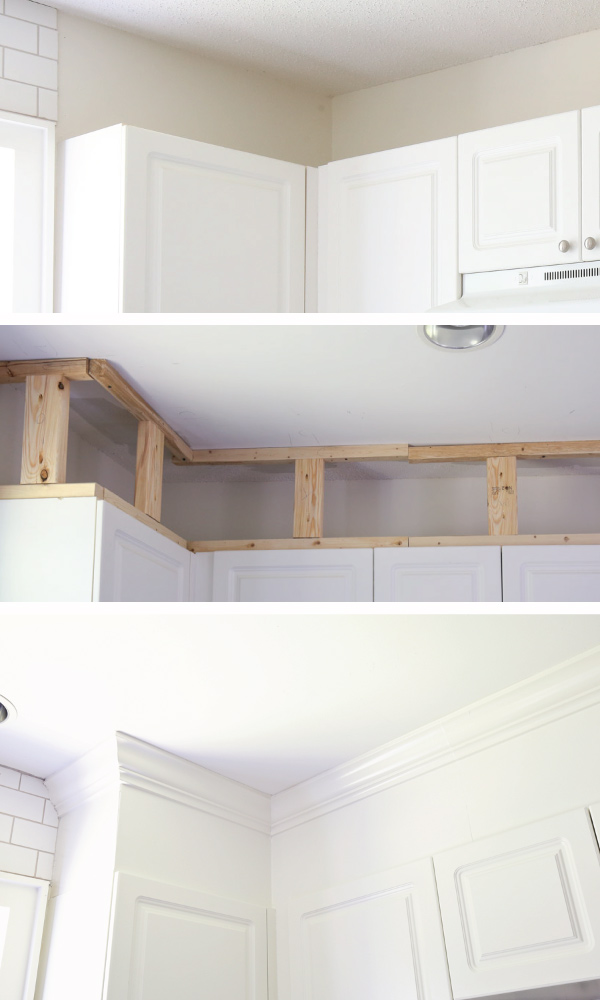
Image Source: angelamariemade.com
Maximizing Kitchen Space: Beyond the Cabinets
Many kitchens suffer from a lack of adequate storage and counter space. The area above your cabinets, while seemingly a small gap, presents a significant opportunity for maximizing kitchen space. Instead of letting it become a dust-collecting void, think of it as prime real estate. Properly utilizing this vertical space can reduce clutter on your countertops and provide easy access to frequently used or infrequently used items. It’s about making every inch count, especially in smaller kitchens where space is at a premium. This strategic approach to kitchen renovation ideas can have a dramatic impact on your kitchen’s overall functionality.
Practical Storage Solutions for the Space Above Cabinets
One of the most common and practical uses for the space above kitchen cabinets is for storage. This is especially beneficial for items you don’t use daily but still want to keep accessible.
Hidden Storage with Cabinet Extensions
A popular and seamless way to utilize this space is by adding cabinet extensions. This involves installing additional cabinet boxes or kitchen cabinet filler pieces that reach the ceiling.
Benefits of Cabinet Extensions:
- Increased Storage: Provides a significant amount of concealed storage.
- Cohesive Look: Creates a uniform and professional appearance, making your kitchen look larger and more integrated.
- Reduces Dust: Eliminates the collection of dust and grime that occurs on top of standard cabinets.
- Customization: Can be designed to match your existing cabinetry perfectly.
These extensions can be built to house a variety of items, from seldom-used appliances like slow cookers and stand mixers to seasonal dishes, large serving platters, or even pantry staples in bulk.
Open Shelving for Accessibility
For a more accessible storage solution, consider installing open shelving. This is a great way to display decorative items or store frequently used kitchen essentials.
Ideas for Open Shelving Above Cabinets:
- Display Cookbooks: Keep your favorite recipes within easy reach.
- Showcase Kitchenware: Store attractive pottery, glassware, or vintage pieces.
- Functional Storage: Place baskets or bins to neatly store smaller items like snacks, teas, or spices.
- Herb Garden: A small indoor herb garden can add life and freshness to your kitchen.
When opting for open shelving, maintaining a tidy appearance is key. Using attractive containers and regularly decluttering will ensure the space looks intentional and not just cluttered.
Utilizing Baskets and Bins
For a more casual yet effective storage solution, use decorative baskets or bins on top of your existing cabinets. This is a simpler DIY kitchen project that can be done quickly.
Basket and Bin Considerations:
- Material: Woven wicker, fabric bins, or metal baskets can add texture and style.
- Size: Choose containers that fit the space well and are proportionate to the cabinets.
- Contents: Use them for storing items like extra linens, less frequently used gadgets, or even children’s art supplies.
- Aesthetics: Select colors and styles that complement your kitchen’s decor.
This method is less permanent than cabinet extensions and offers a flexible way to store items while adding a decorative element.
Decorative Touches to Enhance Your Kitchen
Beyond pure storage, the space above cabinets offers a fantastic canvas for decorative elements that can elevate your kitchen’s overall design.
Above Cabinet Molding and Trim
Adding above cabinet molding is a classic and effective way to bridge the gap between your cabinets and the ceiling. Molding adds architectural detail, a sense of completeness, and can make your cabinets appear taller and more custom.
Types of Molding:
- Crown Molding: Offers a traditional and elegant look.
- Simple Trim: A more modern and minimalist option.
- Picture Frame Molding: Can create a sophisticated, layered look.
Choosing the right molding style is crucial. It should complement the existing style of your kitchen cabinets and the overall architecture of your home. This is a project that can range from a straightforward DIY to a professional installation, depending on the complexity.
Decorative Shelves and Niches
Instead of purely functional storage, you can install decorative shelves or small niches to display a curated collection of items.
Display Ideas:
- Ceramic Plates: Vintage or hand-painted plates can add a splash of color.
- Small Sculptures or Figurines: Personal touches that reflect your personality.
- Art Pieces: Small framed prints or artwork.
- Potted Plants: Greenery can liven up the space.
These decorative elements draw the eye upward, creating visual interest and making the kitchen feel more personalized and inviting.
Lighting Solutions to Brighten the Space
Lighting can dramatically change the ambiance of your kitchen. Installing under cabinet lighting or uplighting above the cabinets can create a warm and inviting glow.
Lighting Options:
- LED Strip Lights: Flexible and easy to install, they can be hidden along the top edge of cabinets.
- Puck Lights: Small, discrete lights that can be placed strategically.
- Recessed Lighting: For a more integrated and professional look, consider small recessed fixtures aimed upwards.
Uplighting can highlight architectural features, create a softer mood in the evenings, and make the ceiling appear higher. This is a fantastic addition for any kitchen renovation ideas.
Wallpaper or Paint Accents
For a bolder statement, consider applying wallpaper or a contrasting paint color to the wall space above your cabinets.
Accent Ideas:
- Bold Patterned Wallpaper: Adds a pop of color and personality.
- Metallic Paint: Creates a subtle shimmer and sophisticated look.
- Chalkboard Paint: Ideal for leaving notes, recipes, or a family message board.
This approach turns the often-ignored space into a feature wall, adding depth and character to your kitchen.
Addressing the “Bulkhead” Issue
Sometimes, the space above cabinets is created by a bulkhead filling – a structural element that can’t be removed. Even with a bulkhead, there are ways to make the space look intentional and attractive.
Camouflaging Bulkheads
- Matching Cabinetry: Extend your cabinets to meet the bulkhead, creating a seamless look.
- Molding: Use molding to frame the bulkhead, integrating it with the cabinet design.
- Decorative Panels: Install decorative panels or tiles on the bulkhead itself.
Incorporating the Bulkhead into the Design
- Integrated Lighting: Install lighting within the bulkhead itself to create a soft glow.
- Open Shelves: If the bulkhead allows, incorporate open shelves into the design that wrap around or integrate with the structure.
Even structural elements can become design features with a little creativity.
Creative and Unexpected Ideas
Thinking outside the box can lead to truly unique and functional solutions for the space above your kitchen cabinets.
Faux Cabinets or Decorative Panels
A false cabinet can be installed to mimic the look of real cabinetry, adding visual balance and symmetry. These can be purely decorative or designed with a hidden door for discreet storage.
False Cabinet Applications:
- Mirror Panels: Reflect light and make the space feel larger.
- Glass-Fronted Panels: Display decorative items behind a glass surface.
- Wood Panels: Match existing wood tones for a consistent look.
These false cabinets can be a cost-effective way to achieve the look of taller cabinets without the expense of full custom builds.
Displaying Artwork or Collectibles
If you have a collection of art or unique items, the space above cabinets can be a gallery.
Display Considerations:
- Scale: Choose items that are proportionate to the space.
- Lighting: Use subtle spotlights to highlight your pieces.
- Theme: Curate a collection that complements your kitchen’s style.
This is a more personal approach, turning your kitchen into a reflection of your interests.
Chalkboards or Whiteboards
For a functional and fun addition, install a chalkboard or whiteboard.
Uses:
- Family Message Board: Leave notes for family members.
- Recipe Holder: Keep your current recipe visible.
- Grocery List: A convenient spot for jotting down items.
This is a particularly useful idea for busy families and can be a fun DIY kitchen project.
DIY vs. Professional Installation
Many of these solutions can be tackled as DIY kitchen projects. However, for more complex installations like custom cabinetry or intricate molding, professional help might be advisable.
DIY Considerations:
- Skill Level: Assess your comfort with tools and building techniques.
- Time Commitment: Factor in the time required for planning, purchasing materials, and execution.
- Budget: DIY can often save money, but mistakes can be costly.
Professional Installation Benefits:
- Expertise: Ensures a clean, precise, and durable finish.
- Efficiency: Professionals can complete the job quickly and effectively.
- Customization: They can help design and build bespoke solutions tailored to your needs.
Frequently Asked Questions (FAQ)
Here are some common questions about filling the space above kitchen cabinets:
Q1: Is it better to fill the space above kitchen cabinets or leave it open?
This depends on your priorities. Filling the space with storage or decorative elements can make your kitchen look more finished, increase functionality, and reduce cleaning. Leaving it open is a simpler choice but can lead to dust accumulation and a less cohesive look.
Q2: How much does it cost to fill the space above kitchen cabinets?
Costs vary significantly. Simple DIY solutions like adding baskets or trim can be relatively inexpensive (under $100). Installing cabinet extensions or custom molding can range from a few hundred to several thousand dollars, depending on materials and labor.
Q3: Can I put plants above my kitchen cabinets?
Yes, you can put plants above your kitchen cabinets, but consider the lighting and watering needs. Small, low-maintenance plants like succulents or snake plants often do well in these spaces. Be mindful of watering, as spills can be difficult to clean up.
Q4: How do I clean the space above kitchen cabinets if I don’t fill it?
Regular dusting is essential. Use a long-handled duster or a vacuum cleaner with a brush attachment. If there’s grease buildup, a degreaser solution can be used, but be cautious with surrounding surfaces.
Q5: What kind of lighting is best for above kitchen cabinets?
LED strip lights or puck lights are popular choices. They are energy-efficient, long-lasting, and easy to install. Consider warm white bulbs for a cozy ambiance.
By thoughtfully considering these options, you can transform the often-neglected space above your kitchen cabinets into a stylish and functional part of your home, enhancing both its beauty and practicality. Whether you choose a practical storage solution, a decorative accent, or a combination of both, you’ll be maximizing kitchen space and elevating your kitchen’s overall design.