
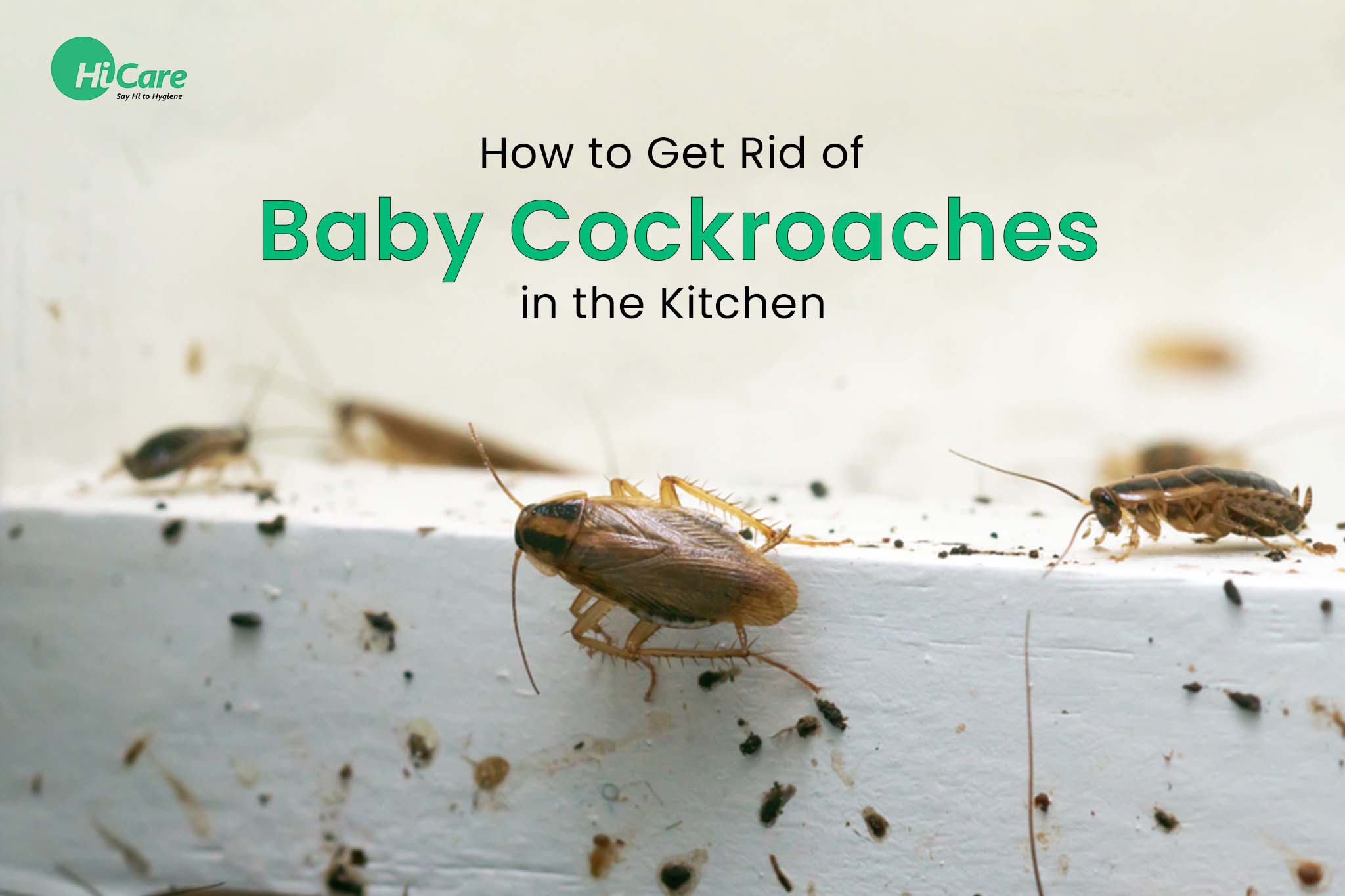
Image Source: hicare.in
How To Get Rid Of Tiny Roaches In Kitchen Fast
Can you get rid of tiny roaches in your kitchen quickly? Yes, you can! A swift and effective approach involves a combination of immediate cleaning, targeted treatments, and consistent preventative measures.
Tiny roaches in your kitchen can be incredibly frustrating and unhygienic. Often mistaken for baby roaches or a different species altogether, these small invaders can signal the start of a significant kitchen cockroach infestation. Spotting small roaches in cabinets is a clear indicator that action is needed. This comprehensive guide will walk you through how to eliminate kitchen roaches, from identifying the problem to implementing fast and lasting solutions. We’ll explore effective DIY roach killer kitchen options, discuss natural roach repellent kitchen strategies, and highlight crucial kitchen sanitation for roaches.
Spotting the Early Signs of Roaches in Your Kitchen
Before you can effectively combat roaches, you need to know the signs of roaches in kitchen areas. The earlier you detect them, the easier it will be to get rid of them.
Common Indicators of a Roach Problem:
- Actual Sightings: The most obvious sign is seeing the roaches themselves, especially during daylight hours, which can indicate a heavier infestation. Even seeing a few baby roaches in kitchen spaces is a cause for concern.
- Droppings: Roach droppings are small, dark, and often resemble black pepper or coffee grounds. You’ll commonly find these in cabinets, drawers, and along countertops.
- Egg Cases (Oothecae): Female roaches carry their eggs in protective cases called oothecae. These are often found in dark, hidden spaces.
- Musty Odor: A heavy infestation can produce a distinct, unpleasant, musty odor. This smell is often described as stale and oily.
- Smears: If roaches travel across surfaces where there is moisture or grease, they can leave behind dark, greasy smears.
- Damaged Items: Roaches can sometimes damage food packaging, books, and even wallpaper.
Why Are There Tiny Roaches in My Kitchen?
The presence of tiny roaches, whether they are young roaches from a larger species or a specific small species, typically points to a few key issues in your kitchen environment.
Key Factors Attracting Tiny Roaches:
- Food Sources: Roaches are scavengers and are attracted to crumbs, spills, grease, and any accessible food particles. Even tiny amounts can sustain them.
- Water Sources: A constant supply of moisture is essential for roaches. Leaky pipes, damp sponges, condensation, and pet water bowls can all provide this.
- Shelter: Roaches prefer dark, warm, and humid environments. Cracks, crevices, and clutter provide them with ideal hiding places.
- Entry Points: Roaches can enter your home through small gaps in foundations, utility lines, or even by hitchhiking on groceries or appliances.
What Kills Tiny Roaches Instantly?
When you need to act fast, several methods can effectively kill tiny roaches on contact or provide quick knockdown.
Immediate Roach Killers:
- Direct Spraying with Soapy Water: A simple mixture of dish soap and water in a spray bottle can kill roaches. The soap breaks down their outer shell, causing dehydration. This is a safe and readily available DIY roach killer kitchen option.
- Rubbing Alcohol: Spraying rubbing alcohol directly onto roaches can also kill them.
- Commercial Insecticides (Contact Sprays): Many over-the-counter aerosol sprays are designed for quick knockdown. Be sure to follow label instructions carefully and ventilate the area well.
How to Eliminate Kitchen Roaches: A Multi-Pronged Attack
Getting rid of small roaches in cabinets and throughout your kitchen requires a systematic approach. You need to address the current infestation and prevent future ones.
Step 1: Deep Kitchen Sanitation for Roaches
This is the most crucial step in preventing kitchen roaches and eliminating existing ones. Roaches need food, water, and shelter. Removing these will make your kitchen far less appealing.
Thorough Cleaning Procedures:
- Clear the Clutter: Remove any unnecessary items from countertops, tables, and inside cabinets. Roaches love to hide in organized messes.
- Wipe Down Surfaces: Clean all countertops, tables, and stovetops thoroughly. Pay special attention to removing any grease buildup.
- Clean Appliances: Pull out refrigerators, stoves, and dishwashers to clean behind and underneath them. Grease and food debris often accumulate in these hard-to-reach areas.
- Empty and Clean Trash Cans: Use trash cans with tight-fitting lids. Empty them regularly and wash the cans themselves to remove any residue.
- Wash Dishes Promptly: Never leave dirty dishes in the sink overnight. Wash them immediately or at least rinse them thoroughly and place them in a dishwasher with the door closed.
- Sweep and Mop Floors: Clean floors daily, paying attention to corners and under cabinets where crumbs can collect.
- Check Pantry Items: Inspect all food items for damage or signs of roach activity. Store dry goods in airtight containers.
- Address Moisture: Fix any leaky faucets or pipes. Dry out any damp areas. Don’t leave pet water bowls full overnight if possible, or clean them regularly.
Step 2: Targeted Treatments for Small Roaches in Cabinets and Beyond
Once your kitchen is clean, you can implement targeted treatments to eliminate the roaches that remain or are still active.
Effective DIY Roach Killer Kitchen and Treatment Methods:
- Boric Acid: This is a highly effective DIY roach killer kitchen solution. Boric acid works as a stomach poison and abrasive. Roaches ingest it when they groom themselves after walking through it.
- Application: Apply a thin layer of boric acid powder in dry, out-of-the-way areas where roaches are seen, such as behind appliances, under sinks, inside cabinet voids, and along baseboards. Do not apply it on countertops or where food is prepared.
- Safety: Keep boric acid away from children and pets.
- Diatomaceous Earth (Food Grade): This natural powder is made from fossilized aquatic organisms. It has sharp edges that damage the roach’s exoskeleton, causing them to dehydrate and die.
- Application: Apply a light dusting in cracks, crevices, and harborage areas.
- Safety: Use food-grade diatomaceous earth and avoid inhaling the dust.
- Bait Stations: These contain a slow-acting poison that roaches eat and then carry back to their nests, killing other roaches.
- Placement: Place bait stations in areas where you’ve seen roach activity, especially near food and water sources, and in dark, hidden spots like under sinks, behind appliances, and inside cabinets.
- Effectiveness: Baits are often more effective than sprays for long-term control because they target the source of the infestation.
- Sticky Traps: These can help you monitor the extent of your infestation and catch roaming roaches. Place them along walls, under sinks, and in corners.
Step 3: Natural Roach Repellent Kitchen Strategies
If you prefer to avoid chemical treatments, several natural roach repellent kitchen methods can help deter roaches.
Natural Deterrents:
- Essential Oils: Many essential oils have properties that repel insects.
- Peppermint Oil: Mix a few drops of peppermint oil with water in a spray bottle and mist it around entry points and known roach areas.
- Tea Tree Oil: Similar to peppermint oil, tea tree oil can be used in a diluted spray.
- Eucalyptus Oil: This oil also has repellent qualities.
- Bay Leaves: Roaches are said to dislike the smell of bay leaves. Place dried bay leaves in cabinets, drawers, and pantry corners.
- Cucumber Peels: Some believe roaches are repelled by cucumber peels. Place them in areas where you’ve seen roaches. While not a killing method, it can help deter them.
- Vinegar: While not strictly a repellent, a vinegar and water solution can be used for cleaning to remove scent trails that attract roaches.
Step 4: Sealing Entry Points
Preventing kitchen roaches also means blocking their access to your home.
Sealing Methods:
- Caulk Cracks and Crevices: Use caulk to seal any gaps around pipes, windows, doors, and baseboards.
- Repair Damaged Screens: Ensure window and door screens are intact.
- Check Incoming Items: Inspect grocery bags, boxes, and appliances before bringing them into your kitchen.
What Kills Tiny Roaches: A Deeper Dive into Effective Agents
When considering what kills tiny roaches, it’s helpful to understand the mechanisms behind different treatments.
How Roach Killers Work:
- Contact Poisons: These kill roaches on direct contact. Examples include many aerosol sprays and soapy water.
- Stomach Poisons: Roaches ingest these while feeding or grooming. Boric acid and baits fall into this category.
- Desiccants: These substances, like diatomaceous earth, damage the roach’s exoskeleton, leading to dehydration.
- Repellents: These don’t kill but deter roaches from entering or staying in an area. Essential oils are a prime example.
Dealing with a Persistent Kitchen Cockroach Infestation
If you’ve tried DIY methods and are still struggling with small roaches in cabinets or a widespread kitchen cockroach infestation, it may be time to consider professional help.
When to Call a Professional:
- Heavy Infestations: If you see roaches during the day or in large numbers, professional pest control is often necessary.
- Failed DIY Attempts: If your efforts haven’t reduced the roach population after a few weeks, professionals have access to stronger, more targeted treatments.
- Recurring Problems: If roaches keep returning, a professional can help identify and address the root cause.
Preventing Kitchen Roaches: Long-Term Strategies
Once you’ve successfully eliminated roaches, ongoing vigilance is key to preventing kitchen roaches.
Maintaining a Roach-Free Kitchen:
- Regular Cleaning: Continue with strict kitchen sanitation for roaches. This includes daily sweeping, wiping down surfaces, and washing dishes promptly.
- Proper Food Storage: Keep all food in airtight containers.
- Waste Management: Use sealed trash cans and empty them frequently.
- Moisture Control: Address any leaks or damp areas immediately.
- Regular Inspections: Periodically check for signs of roaches, especially in less frequently used areas.
- Seal Entry Points: Continue to maintain any seals around your home.
Table: Comparing DIY Roach Killer Kitchen Options
| Method | How it Works | Effectiveness | Safety Concerns | Application Areas |
|---|---|---|---|---|
| Boric Acid | Stomach poison, abrasive | High | Toxic if ingested; keep from pets/kids | Cracks, crevices, behind appliances, under sinks |
| Diatomaceous Earth | Desiccant (dehydrates) | Moderate-High | Irritant if inhaled; use food-grade | Dry cracks, crevices, voids, harborage areas |
| Soapy Water Spray | Contact poison (breaks shell) | Low-Moderate | Safe, but temporary | Visible roaches on surfaces |
| Essential Oils | Natural repellent | Low-Moderate | Generally safe, but can irritate skin/eyes | Entry points, corners, cabinets (diluted spray) |
| Bait Stations | Stomach poison (slow-acting) | High | Keep from pets/kids; may be toxic if ingested | Along walls, under sinks, behind appliances, in cabinets |
| Sticky Traps | Mechanical trap | Low | Safe | Along walls, under furniture, near suspected entry points |
Frequently Asked Questions About Tiny Kitchen Roaches
Q1: What are those tiny, fast-moving bugs in my kitchen?
A1: If they are very small, pale, and have long antennae, they are likely baby cockroaches (nymphs) of common species like German cockroaches. They can also be a different species of small cockroach.
Q2: How do I get rid of baby roaches in my kitchen?
A2: The best way to get rid of baby roaches is through thorough cleaning to remove food and water sources, followed by targeted treatments like boric acid, diatomaceous earth, or cockroach baits in their hiding places.
Q3: Can I use essential oils to eliminate roaches permanently?
A3: Essential oils are primarily natural repellents and can help deter roaches, but they are unlikely to eliminate an established infestation on their own. They are best used as a supplementary method alongside cleaning and other treatments.
Q4: Are roach baits safe to use if I have pets or children?
A4: Many cockroach baits are designed with safety in mind, often in tamper-resistant stations. However, it’s crucial to read and follow the product label instructions carefully. Place baits in areas inaccessible to children and pets. If you have significant concerns, consider professional pest control or strictly mechanical methods like sticky traps.
Q5: How long does it take to get rid of roaches?
A5: The time it takes to eliminate roaches can vary depending on the severity of the infestation and the methods used. With consistent cleaning and effective treatments, you should see a significant reduction in roaches within a few days to a couple of weeks. However, complete elimination and prevention require ongoing effort.
Q6: What is the most effective DIY roach killer kitchen solution?
A6: Boric acid is widely considered one of the most effective DIY roach killer kitchen solutions when used properly. It targets roaches that ingest it while grooming after walking through the powder. Diatomaceous earth is also a strong contender for its natural desiccant properties.
By combining meticulous kitchen sanitation for roaches with targeted treatments and consistent preventative measures, you can effectively get rid of tiny roaches in cabinets and reclaim your kitchen. Remember, vigilance and cleanliness are your greatest allies in the fight against these persistent pests.