
Many dog owners ask, “Why do dogs go into the kitchen?” or “Can I stop my dog from going into the kitchen?” Dogs often go into the kitchen because they smell food, like dropped crumbs, or simply want to be near their family. Yes, you can stop your dog from going into the kitchen. This guide will show you easy steps to keep your dog out, making your kitchen a safer and cleaner place for everyone.
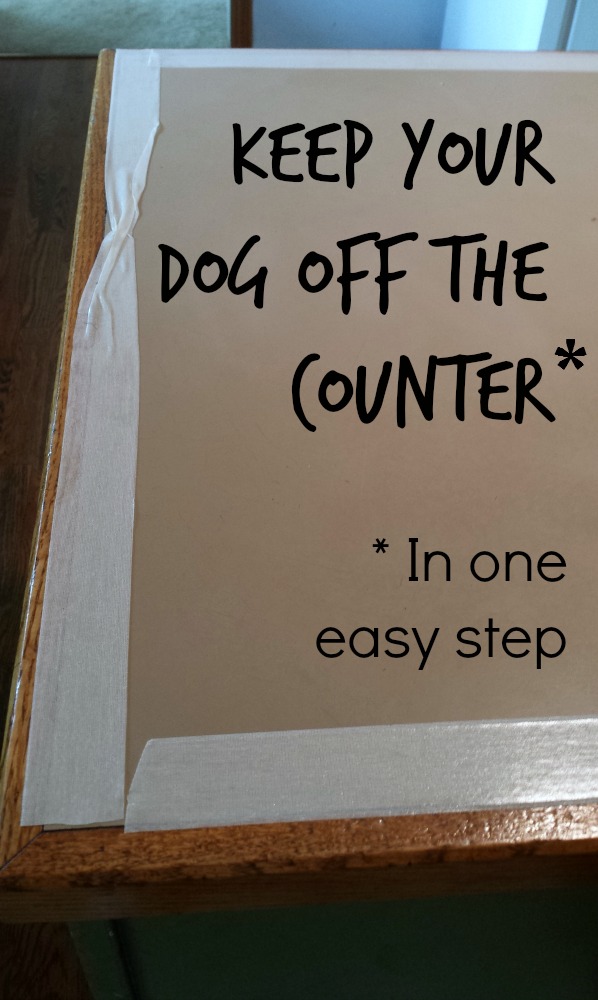
Image Source: www.makesomethingdaily.com
Why Dogs Love the Kitchen (And Why It’s a Problem)
Your dog sees the kitchen as a place of many good things. It is often the heart of the home. This makes it a very tempting spot for them. However, it can also be a risky place for your furry friend.
The Pull of Temptation: Food Scents
The kitchen is a world of smells for a dog. They can sniff out the tiniest food crumbs. Leftover dinner on the counter or even a bit of dropped food on the floor is like a siren call. Dogs are natural scavengers. They use their strong sense of smell to find food. This makes managing food temptation dogs a big job. A dog will quickly learn that the kitchen often has tasty treats. They will keep coming back to check for more. This behavior is normal for dogs but can be a problem in your home.
Comfort and Companionship
Dogs are social animals. They love to be near their family. If you spend a lot of time cooking or eating in the kitchen, your dog wants to be there too. They might lie on the floor or follow you around. They simply want to be part of what you are doing. This desire for closeness is sweet. But it can also lead to issues in the kitchen space.
Safety Concerns for Your Pet and Family
A kitchen holds many dangers for a curious dog. Hot stoves, sharp knives, and heavy pots can hurt them. Cleaning supplies are often stored low, where a dog can reach them. These items can be very poisonous if eaten. Also, if a dog is underfoot while you cook, you might trip and fall. This can cause harm to both you and your pet. It is important to think about kitchen pet proofing to keep everyone safe. Making the kitchen a dog-free zone helps prevent accidents. Pet safety gates are a great way to start this proofing.
Setting Clear Boundaries: Training Your Dog
Training is key to keeping your dog out of the kitchen. It teaches them what you expect. It helps them learn good habits. Consistency is very important for success.
Starting Early: Puppy Training
It is best to start training when your dog is a puppy. Young dogs learn very fast. Teach them rules from the start. This prevents bad habits from forming. If you have an older dog, don’t worry. Old dogs can learn new tricks. It just takes more time and patience. Start small. Reward good choices.
The “Stay” or “Wait” Command
Teaching your dog “stay” or “wait” is very helpful. Practice this command often. Start in a quiet area. Ask your dog to “stay.” Walk a short distance away. If they stay, give them a treat and praise. Slowly add more time and distance. Then, practice near the kitchen door. Tell them “wait” or “stay” before you go into the kitchen. This builds dog training boundaries. It helps them understand where they should and should not go.
Using a Threshold Line
A “threshold” is the line at the bottom of a doorway. You can use this line as a visual cue for your dog. Teach them that they cannot cross this line without your permission.
Here’s how to do it:
* Stand at the kitchen doorway.
* Hold a treat.
* When your dog tries to step over the line, block them with your body.
* Say “no” or “off” firmly but gently.
* When they stop and stay on their side of the line, reward them.
* Repeat many times. Soon, they will learn the line is a barrier.
You can even put a piece of tape on the floor. This makes the line more visible. This helps them learn their dog training boundaries.
Positive Reinforcement: Rewards for Good Choices
Positive reinforcement training for dogs is the best way to train. It means you reward your dog for doing what you want. This makes them want to do it again.
* Use treats: Give a tasty treat when your dog stays out of the kitchen.
* Give praise: Say “Good dog!” in a happy voice.
* Offer toys: A favorite toy can be a great reward.
* Pet them: A gentle pat or scratch behind the ears works too.
Never scold or punish your dog for going into the kitchen. This can make them scared or confused. They might not understand what they did wrong. Instead, just redirect them. Gently lead them out of the kitchen. Then, reward them when they are in the right spot. This approach helps with dog behavior modification over time.
Correcting Unwanted Kitchen Visits
When your dog enters the kitchen without permission, act quickly but calmly.
1. Interrupt Gently: Do not yell or chase them. Say “outside” or “off” in a firm voice.
2. Lure Them Out: Hold a treat or toy outside the kitchen. Guide them out.
3. Reward Outside: As soon as they are out, give the treat or praise.
4. Repeat: Do this every time they enter without permission.
The goal is to teach them that good things happen outside the kitchen. Bad things (like no treats) happen inside when they are not allowed. This helps change their behavior gently. This is a core part of dog behavior modification.
Physical Barriers: Creating a Safe Divide
Sometimes, training alone is not enough. Or you need a way to keep your dog out when you are busy. Physical barriers are a great tool. They create a clear boundary.
Pet Safety Gates: Your First Line of Defense
Pet safety gates are very effective. They are like baby gates but for pets. They block off an area. You can put one in the kitchen doorway.
There are different types of gates:
* Pressure-mounted gates: These push against the door frame. They are easy to install and move. But some strong dogs can push them down. They are good for smaller dogs or temporary use.
* Hardware-mounted gates: These screw into the wall. They are very sturdy and secure. They are best for strong dogs or long-term use. They are safer for high-traffic areas.
* Extra-tall gates: Some dogs can jump over standard gates. Taller gates are needed for these jumpers.
* Walk-through gates: These gates have a small door that opens. This lets people pass through easily without stepping over the gate.
Choose a gate that fits your doorway well. Make sure it is tall enough that your dog cannot jump over it. These gates are an excellent way to start your kitchen pet proofing.
| Gate Type | Pros | Cons | Best For |
|---|---|---|---|
| Pressure-Mounted | Easy to install, portable | Less secure, can be pushed down by strong dogs | Small dogs, temporary barriers |
| Hardware-Mounted | Very secure, permanent | Requires drilling, not easily moved | Large or strong dogs, long-term use |
| Extra-Tall | Prevents jumping | Can be bulky, harder to step over | Jumpers, large breeds |
| Walk-Through | Easy for people to use | May have a small step, can be more expensive | Busy households, frequent kitchen access needed |
Indoor Dog Barriers: Beyond the Gate
Sometimes a gate is not quite enough. Or maybe you have an open floor plan. Then you might need other indoor dog barriers.
* Freestanding gates: These gates stand on their own. They do not need to be attached to a wall. They are good for wider openings. They can be moved around easily. But some dogs can push them over.
* Room dividers/pet pens: These are larger barriers. They can create a bigger dog-free zone. Or they can make a special safe place for your dog outside the kitchen. This helps create designated dog zones. Your dog can have a comfy bed and toys in their own space.
When using barriers, make sure they are stable. Make sure your dog cannot get hurt by them. Always supervise your dog when barriers are first put in place.
Designated Dog Zones: A Cozy Alternative
Giving your dog a special place can help keep them out of the kitchen. This is their designated dog zone. It should be comfy and inviting. Put their bed, water bowl, and favorite toys there. This spot should be somewhere else in the house. Perhaps a living room corner or a quiet hallway.
When you go into the kitchen, tell your dog to go to their zone. Reward them when they go there. Give them a special chew toy or treat when they are in their zone. This teaches them that good things happen in their zone. It gives them a pleasant place to be when they cannot be in the kitchen. Make sure this zone feels safe and happy. Never use it as a punishment area.
Addressing Specific Kitchen Behaviors
Dogs can have specific behaviors that make the kitchen a problem. Knowing these behaviors helps you address them directly.
Counter Surfing Prevention: Keeping Paws Off Counters
Counter surfing prevention is about stopping your dog from putting their paws (or nose) on your kitchen counters. This is a common and risky behavior. Dogs are often drawn to counters by food smells.
* Clear the Counters: This is the easiest step. Do not leave any food, dirty dishes, or crumbs on counters. Put everything away immediately. If there is nothing to find, your dog has no reason to “surf.”
* Train “Off”: Teach your dog the “off” command. When they put paws on the counter, calmly say “off.” Then, use a treat to lure their paws down. As soon as their paws are on the floor, reward them.
* Make Counters Unappealing: Some people use gentle deterrents. Placing crinkly aluminum foil on the counter can make a noise dogs dislike. Sticky mats designed for training can also make the surface feel odd. Use these with care. The goal is to make the counter less fun, not to scare your dog. Never use anything that could hurt your dog.
* Manage Expectations: Understand that if food is left out, dogs will try to get it. It is natural for them. The best solution is to change your habits.
Managing Food Temptation: Securing Edibles
Managing food temptation dogs means making it impossible or very hard for your dog to get food they should not have.
* Secure Trash Cans: Use a trash can with a tight-fitting lid or one that locks. Dogs are very good at tipping over open bins.
* Put Food Away: After cooking, put all food in containers or in the fridge. Do not leave leftovers on the stove or counter to cool.
* Child Locks on Cabinets: If your dog opens low cabinets, use child-proof locks. This stops them from getting into food or cleaning supplies.
* Clean Up Spills Fast: Even tiny crumbs are tempting. Wipe up spills right away. Sweep or vacuum the floor after cooking or eating.
These steps remove the reward for going into the kitchen. If there is no food to get, the kitchen becomes less interesting.
Discouraging Persistent Intruders: Gentle Deterrents
For dogs that are very stubborn, gentle deterrents can help. But use them with great care.
* Spray Deterrents for Pets: Some spray deterrents for pets contain a bitter taste. You can spray them on items you do not want your dog to chew. You could spray a light mist on a kitchen mat or low cupboard. Make sure the spray is safe for pets and surfaces. Always test a small area first. These sprays are meant to taste bad, not to hurt your dog.
* Motion-Activated Air Sprays: These devices release a quick, harmless puff of air when they sense movement. They make a soft hiss. The sound and air burst can surprise a dog. This makes them move away. Place them near the kitchen entrance. They teach the dog that entering causes a sudden, mild surprise. This works without you being there.
* Sound Deterrents: Some devices emit a high-pitched sound only dogs can hear. When a dog enters a forbidden area, the sound activates. This can be annoying to the dog, making them leave.
When using any deterrent, watch your dog closely. Make sure they are not overly scared. The goal is to make the kitchen less appealing, not to cause fear or stress. Always combine deterrents with positive training. This teaches them where they should be.
Consistency and Patience: Key to Success
Training a dog takes time. It needs a lot of patience. Do not get discouraged if you have setbacks. Every dog is different.
Everyone on Board: Family Rules
For training to work, everyone in your home must follow the same rules. If one person lets the dog in the kitchen, it confuses the dog. They will not know what is allowed.
* Hold a family meeting.
* Explain the kitchen rules clearly.
* Make sure everyone knows how to use the gates.
* Agree on what commands to use.
* Agree on how to reward good behavior.
* Ensure everyone knows not to leave food out.
Consistency from all family members is vital for good dog behavior modification.
Don’t Give Up: Setbacks Are Normal
There will be days when your dog slips up. They might sneak into the kitchen. Do not get angry. Just calmly redirect them. Go back to basics. Praise and reward them when they get it right.
* Practice Short Sessions: Keep training sessions short and fun.
* Review Rules: Go over the kitchen rules often.
* Stay Calm: Your dog can feel your stress. Stay calm and positive.
Patience is your best friend in dog training. With time, your dog will learn.
Seeking Professional Help
If you are struggling, do not hesitate to get help. A certified dog trainer or a veterinary behaviorist can offer expert advice. They can watch your dog’s behavior. They can give you a custom training plan. They can help with tougher problems. This can make the process much easier and more effective. Sometimes, a dog’s behavior is tied to deeper issues. A professional can help find these.
Frequently Asked Questions (FAQ)
Q1: Can an old dog learn new tricks?
A1: Yes! Old dogs can definitely learn new tricks and change their behavior. It might take a bit more time and patience than with a puppy. But with consistent positive reinforcement, older dogs can learn to stay out of the kitchen.
Q2: How long does it take to train a dog to stay out of the kitchen?
A2: The time it takes varies for each dog. Some dogs learn in a few weeks. Others might take a few months. Consistency is the most important factor. If everyone in the house follows the rules every time, training will be faster.
Q3: Are spray deterrents safe for dogs?
A3: Most commercial spray deterrents for pets are made to be safe for dogs. They often use bitter apple or other unpleasant but non-toxic tastes. Always read the label carefully. Make sure it is meant for pet use. Never use harsh chemicals or sprays not designed for pets. Always test a small area first. Use them as a tool, not a punishment. Combine them with positive training.
Conclusion
Keeping your dog out of the kitchen makes your home safer and cleaner. It is a big step in kitchen pet proofing. Start with clear dog training boundaries. Use basic commands like “stay” and “wait.” Always use positive reinforcement training for dogs. This rewards good behavior.
Set up physical barriers like pet safety gates or indoor dog barriers. Create designated dog zones where your dog feels happy and safe outside the kitchen. Take steps for counter surfing prevention. Be good at managing food temptation dogs by putting food away. For tough cases, gentle spray deterrents for pets can help, but use them wisely.
Remember, consistency and patience are key. Get your whole family involved. Do not give up. With these tips, you can teach your dog to respect the kitchen boundary. This creates a happier, safer home for your whole family, furry members included.