
Yes, you can replace an undermount kitchen sink yourself, though it requires careful work and attention to detail. This guide will walk you through the entire process of undermount sink removal and replacement, from shutting off the water to sealing the new sink.
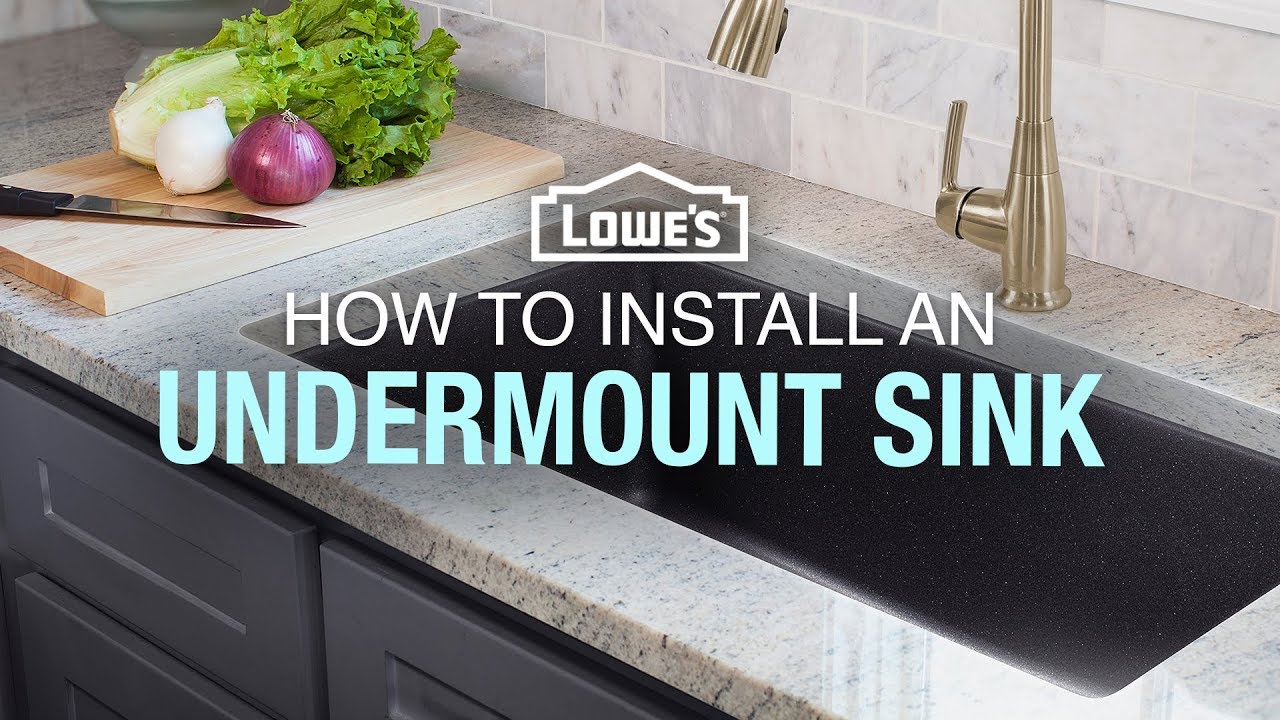
Image Source: i.ytimg.com
How to Replace an Undermount Kitchen Sink
Replacing an undermount kitchen sink might seem daunting, but with the right tools, a bit of patience, and this step-by-step guide, you can successfully tackle this DIY project. An undermount sink, which sits beneath the countertop, offers a sleek, modern look and makes counter cleanup a breeze. However, when it’s time for a change or your old sink is showing its age, knowing how to approach the undermount sink installation or replacement is key.
Gathering Your Tools and Materials
Before you begin the process of an undermount sink removal, ensure you have all the necessary tools and materials. Having everything ready will make the job much smoother and prevent frustrating interruptions.
Here’s a comprehensive list:
- New Undermount Sink: The star of the show! Ensure it’s compatible with your countertop cutout.
- Plumber’s Putty or Silicone Sealant: Essential for creating a watertight seal between the sink rim and the underside of the countertop. For undermount sinks, silicone sealant for undermount sink applications is often preferred due to its flexibility and strong adhesion.
- Caulking Gun: For applying the silicone sealant neatly.
- Adjustable Wrenches (Pipe Wrenches): For loosening and tightening plumbing connections.
- Basin Wrench: A specialized tool perfect for reaching faucet nuts and supply line connections in tight spaces under the sink.
- Screwdriver Set (Phillips and Flathead): For various screws, including those on mounting clips.
- Utility Knife or Scraper: To cut through old sealant and adhesive.
- Safety Glasses: Protect your eyes from debris and splashing water.
- Work Gloves: Keep your hands clean and protected.
- Bucket or Towels: To catch any residual water from the pipes.
- Pliers: Useful for gripping and turning small parts.
- Drop Cloth or Old Sheets: To protect your cabinet base from scratches and spills.
- Denatured Alcohol or Acetone: For cleaning the countertop edge before applying new sealant.
- Clamps (Optional but Recommended): To hold the new sink in place while the adhesive or sealant cures.
- Masking Tape: To create a clean line for sealant application.
- New Supply Lines (Recommended): It’s often a good idea to replace old supply lines when installing a new sink.
- Drain Assembly: If your new sink doesn’t come with one, or if you want to upgrade.
- Mounting Hardware/Clips: Ensure you have the correct undermount sink mounting hardware or clips that came with your new sink.
Step-by-Step Guide to Undermount Sink Replacement
Let’s break down the process into manageable steps.
Step 1: Shut Off the Water Supply
This is the most crucial first step.
- Locate the hot and cold water shut-off valves beneath the sink. These are usually small oval or round handles attached to pipes coming from the wall.
- Turn both handles clockwise until they are snug. Do not overtighten.
- Turn on the faucet to drain any remaining water in the lines and to confirm that the water is indeed shut off. Leave the faucet open.
Step 2: Disconnect the Plumbing
Now, you’ll disconnect the water supply lines and the drainpipe.
Disconnecting Supply Lines:
- Place a bucket or towels directly under the connections to catch any dripping water.
- Using an adjustable wrench or a basin wrench, carefully loosen the nuts connecting the supply lines to the faucet tails.
- Once loose, unscrew them by hand.
- Disconnect the other end of the supply lines from the shut-off valves in the wall using an adjustable wrench.
Disconnecting the Drainpipe:
- Locate the P-trap, the U-shaped section of pipe under the drain.
- Place your bucket underneath the P-trap to catch water and debris.
- Loosen the slip nuts on either side of the P-trap by hand or with pliers if they are tight.
- Carefully remove the P-trap and any other connected drain pieces.
- If you have a garbage disposal, disconnect its electrical connection (ensure the power is off at the breaker box for safety) and then disconnect the disposal from the sink’s drain flange.
Step 3: Detach the Undermount Sink
This is where you’ll actually detach undermount sink from its secured position. Undermount sinks are typically held in place by a combination of adhesive and specialized mounting clips.
- Locate the Mounting Clips: Look for metal clips or brackets attached to the underside of the countertop and the rim of the sink. These are the undermount sink mounting clips.
- Remove the Clips: Use a screwdriver or wrench to loosen and remove the screws holding these clips in place. Sometimes, these clips might be integrated into a frame or support system. You might need to use a basin wrench if access is very limited.
- Cut Through the Sealant/Adhesive: The sink will likely be sealed to the countertop with silicone or a similar adhesive. Use a sharp utility knife or a scraper to carefully cut through this seal all around the perimeter of the sink. Be patient; you might need to make several passes. Try to cut as close to the sink edge as possible without damaging the countertop.
- Apply Gentle Pressure: Once all clips are removed and the sealant is cut, the sink should start to loosen. You might need to gently push up on the sink from inside the cabinet or carefully pry it down from the top if it’s still stubborn. Be cautious not to scratch or damage the countertop.
- Support the Sink: As you loosen the sink, be prepared for its weight. It’s best to have a helper at this stage to support the sink as it comes free, preventing it from falling and potentially damaging the cabinet or floor. You can also place a thick towel or piece of wood on the cabinet floor to cushion its descent.
Step 4: Clean the Countertop Edge
After the old sink is removed, you’ll have residue from the old adhesive or sealant and possibly some grime on the underside of the countertop where the sink was attached. Thorough cleaning is essential for a good seal with the new sink.
- Use your utility knife or scraper to remove any large chunks of old sealant or adhesive.
- Apply a sealant remover or denatured alcohol to a clean cloth and wipe down the entire edge of the countertop opening. This helps break down any remaining residue.
- You can use a plastic putty knife or a razor blade scraper (held at a shallow angle to avoid scratching the countertop) to gently remove stubborn bits.
- Wipe the area clean with a dry cloth. The surface must be completely dry and free of debris for the new sealant to adhere properly.
Step 5: Prepare and Install the New Undermount Sink
Now it’s time for the install new undermount sink phase.
- Test Fit the New Sink: Carefully place your new undermount sink into the countertop opening from underneath. Ensure it fits snugly and the drain holes align correctly with your plumbing. Check that the sink’s rim sits flush against the underside of the countertop.
- Install the Drain Assembly: If your sink didn’t come with a drain, or if you’re replacing the old one, install the new drain assembly into the sink’s drain opening according to the manufacturer’s instructions. Use plumber’s putty or the provided gasket to create a watertight seal.
- Apply Sealant: Apply a continuous bead of high-quality silicone sealant for undermount sink applications around the entire rim of the sink where it will meet the countertop. Use a caulking gun for a clean, even application. Aim for a bead that is about 1/4 to 1/2 inch thick. This sealant is your primary defense against water leaks. Some prefer to apply a bead of undermount sink adhesive as well, especially for heavier sinks, before applying the silicone.
- Position the Sink: Carefully lift the new sink and position it into the countertop opening, pressing it firmly against the sealant. Ensure it is centered and aligned correctly.
- Secure the Sink: Now, you’ll reattach the undermount sink mounting hardware or clips. Reinstall the mounting clips that came with your sink, tightening them securely. These clips will hold the sink in place while the adhesive and sealant cure. Do not overtighten, as this can crack the countertop or damage the sink. Ensure the clips are evenly distributed around the sink perimeter for consistent pressure.
- Clean Up Excess Sealant: Immediately after positioning the sink and securing it, use a damp cloth or paper towel to wipe away any excess sealant that has squeezed out around the edges. You can also use masking tape to create a clean, straight line of sealant if desired, and then peel it away once the sealant is slightly set.
Step 6: Reconnect the Plumbing Hookups for Undermount Sink
With the new sink in place and secured, it’s time to reconnect the plumbing. This involves the plumbing hookups for undermount sink.
- Reconnect Supply Lines: Attach the new (or old, if in good condition) flexible supply lines to the faucet tails. Use an adjustable wrench to tighten the nuts, but be careful not to overtighten. Then, connect the other ends of the supply lines to the shut-off valves. Again, tighten securely but avoid overtightening.
- Reconnect the Drainpipe: Reassemble the drainpipes, including the P-trap. Make sure all slip nuts are hand-tightened first, then give them a final snug turn with pliers if needed. Ensure all gaskets are properly seated. If you reinstalled a garbage disposal, reconnect its electrical connection.
Step 7: Test for Leaks
This is a critical step to ensure your countertop sink replacement was successful and watertight.
- Turn on the Water: Slowly turn the hot and cold water shut-off valves back on by turning them counter-clockwise.
- Check Faucet and Supply Lines: Turn on the faucet and let the water run for a few minutes. Check all connections at the faucet tails and the shut-off valves for any drips or leaks. Tighten any fittings slightly if you see any signs of leakage.
- Test the Drain: Fill the sink with a few inches of water by plugging the drain. Then, unplug it and let the water drain. Carefully inspect all drain connections, including the P-trap, tailpiece, and any connections to the wall or disposal, for leaks.
Step 8: Final Curing and Inspection
Allow the silicone sealant or adhesive to cure completely according to the manufacturer’s instructions. This can take anywhere from 12 to 24 hours, or sometimes longer, depending on the product and humidity. Avoid using the sink during this curing period. Once cured, give everything one last thorough inspection for any leaks.
Tips for a Successful Undermount Sink Replacement
- Read the Manufacturer’s Instructions: Always refer to the specific installation instructions provided with your new sink and any included undermount sink mounting hardware.
- Consider Countertop Material: Be extra cautious with fragile countertop materials like natural stone or delicate laminates. Use appropriate tools and gentle pressure.
- Get a Helper: Having a second person can make handling the sink and aligning it much easier and safer.
- Take Pictures: Before you start disconnecting anything, take pictures of the existing plumbing setup. This can be a lifesaver if you get confused during reassembly.
- Check the Cutout Size: Double-check that the new sink’s dimensions are compatible with your existing countertop cutout. An improper fit can make installation difficult or impossible.
- Cleanliness is Key: A clean surface ensures the best adhesion for your sealant.
- Don’t Rush: Take your time with each step. Rushing can lead to mistakes and leaks.
Frequently Asked Questions (FAQ)
Q1: How long does it take to replace an undermount kitchen sink?
A1: The process typically takes between 3 to 6 hours for an experienced DIYer. If it’s your first time, allow a full day to ensure you don’t have to rush.
Q2: What is the best sealant for an undermount sink?
A2: A high-quality 100% silicone sealant designed for kitchens and bathrooms is generally recommended. Look for products specifically labeled for sink installation or use.
Q3: Can I replace an undermount sink without removing the countertop?
A3: Yes, the entire point of this guide is to show you how to replace an undermount sink while keeping your countertop in place.
Q4: Do undermount sinks need special mounting hardware?
A4: Yes, undermount sinks rely on specialized undermount sink mounting clips or a bracket system that attaches to the underside of the countertop to support the sink’s weight securely. These are usually supplied with the sink.
Q5: What if my new sink doesn’t fit the existing cutout?
A5: If the cutout is too small, you may need to have it professionally enlarged, which can be costly. If it’s too large, you might need a countertop fabricator to add a supporting piece or consider a different sink model. Always measure carefully before purchasing a new sink.
Q6: How much weight can an undermount sink hold?
A6: The weight capacity depends on the sink material, the quality of the undermount sink adhesive and sealant used, and the strength of the undermount sink mounting hardware. Generally, they are designed to hold the weight of the sink itself, water, and everyday kitchen items.
Replacing an undermount kitchen sink is a rewarding project that can update the look and functionality of your kitchen. By following these detailed steps and taking your time, you can achieve a professional-looking result and enjoy your updated kitchen.