
What is the best way to sand kitchen cabinets? The best way to sand kitchen cabinets involves a thorough preparation, the right tools and materials, and a methodical approach to achieve a smooth, clean surface ready for refinishing.
Refinishing your kitchen cabinets can dramatically transform the look of your entire kitchen. But before you can apply that fresh coat of paint or stain, you need to do the crucial work of sanding. Properly sanding your kitchen cabinets isn’t just about making them look good; it’s about ensuring your new finish adheres well and lasts for years. This guide will walk you through every step of how to sand kitchen cabinets perfectly.
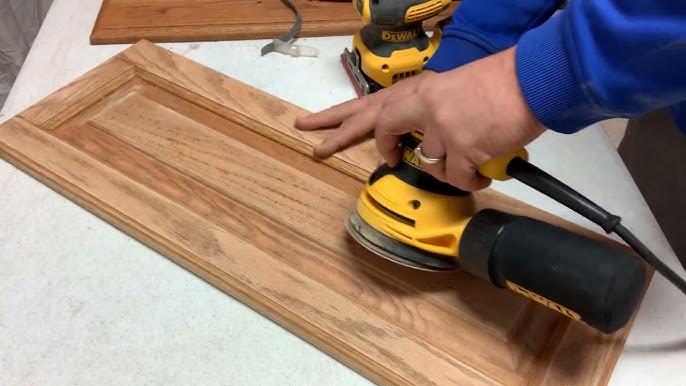
Image Source: i.ytimg.com
Preparing Cabinets for Paint: Why Sanding is Key
Many people wonder if preparing cabinets for paint truly requires sanding. The answer is a resounding yes! Sanding serves several vital purposes:
- Removing the Old Finish: If your cabinets have an existing paint, varnish, or sealant, sanding is necessary to take it off. This process is called removing old finish from cabinets. Without this step, the new paint or stain might not adhere properly, leading to peeling or chipping down the line.
- Creating a Smooth Surface: Even if you’re not removing an old finish, sanding smooths out any imperfections, bumps, or rough spots on the sanding wood cabinets. A smooth surface is essential for a flawless final look.
- Providing Adhesion: A sanded surface provides “tooth” for the new finish to grip. Think of it like adding a gentle roughness that allows paint or stain to stick better, creating a more durable and long-lasting result.
- Cleaning: Sanding also helps to clean away any lingering grease, dirt, or grime that might have built up on your cabinets over time.
Gathering Your Sanding Supplies
Having the right tools makes all the difference when you’re sanding kitchen cabinet surfaces. Here’s what you’ll need:
Essential Tools and Materials:
- Sandpaper: This is your primary tool. You’ll need a range of grits.
- Coarse Grit (e.g., 80-100 grit): For initial stripping of old finishes or rough sanding.
- Medium Grit (e.g., 120-150 grit): For general smoothing and removing imperfections.
- Fine Grit (e.g., 180-220 grit): This is crucial for creating a super-smooth surface, often referred to as fine grit sandpaper for cabinets, and is ideal for preparing cabinets for paint.
- Extra-Fine Grit (e.g., 320-400 grit): For a super-smooth finish between coats of paint or for a very fine-grained stain.
- Sanding Sponges: These are flexible and great for reaching corners, edges, and curved surfaces. They come in various grits, just like sandpaper.
- Orbital Sander (Optional but Recommended): For larger, flat surfaces like cabinet doors and frames, an orbital sander can save a lot of time and effort.
- Sanding Block: A simple block of wood or rubber to wrap sandpaper around. This helps apply even pressure and prevents you from oversanding in one spot.
- Tack Cloth: A sticky cloth used to pick up fine dust particles after sanding. This is a critical step for a dust-free finish.
- Vacuum Cleaner with Brush Attachment: For removing loose dust and debris before tack-clothing.
- Screwdriver: To remove cabinet doors and hardware.
- Putty Knife or Scraper: For removing stubborn old finishes or filling small imperfections.
- Wood Filler: For filling holes (like sanding cabinet hardware holes) or cracks.
- Safety Gear:
- Dust Mask or Respirator: Essential to protect your lungs from fine wood dust.
- Safety Glasses: To protect your eyes from dust and debris.
- Gloves: To protect your hands.
The Step-by-Step Guide to Sanding Cabinets
This guide breaks down the process into manageable steps, covering everything from dismantling to the final dust-off.
Step 1: Dismantle and Prepare
The first step in how to sand kitchen cabinets is to prepare the work area and the cabinets themselves.
- Remove Cabinet Doors and Drawers: Take all sanding cabinet doors and drawer fronts off their hinges and slides. This allows you to work on a flat surface and reach all edges.
- Remove Hardware: Unscrew all hinges, handles, and knobs. It’s a good idea to place them in a labeled bag so you know exactly where each piece goes when you reassemble. If you plan to reuse the existing holes, you’ll want to address them during sanding.
- Clean the Cabinets: Even though you’re sanding, a good initial clean is important. Use a degreaser or a mixture of mild soap and water to remove any grease or grime. Let them dry completely.
- Protect Your Workspace: Lay down drop cloths to protect your floors and surrounding countertops from dust and debris.
Step 2: Removing the Old Finish (If Necessary)
If your cabinets have a thick layer of old paint, varnish, or polyurethane, you might need to use a chemical stripper or a coarser grit sandpaper first.
- Chemical Strippers: Apply the stripper according to the manufacturer’s instructions. Once it has softened the finish, use a scraper or putty knife to gently remove the old coating. Wear appropriate safety gear, as these chemicals can be harsh.
- Coarse Grit Sandpaper: If you’re not using a stripper, start with an 80 or 100-grit sandpaper to aggressively remove the old finish. Work with the grain of the wood.
Step 3: The Sanding Process
This is where the magic happens. The goal is to achieve a smooth, uniform surface.
Sanding Cabinet Doors and Drawer Fronts
- Start with Medium Grit: Begin with a 120 or 150-grit sandpaper. If you used a coarse grit to remove the finish, move up to this grit to smooth out any scratches left behind.
- Work with the Grain: Always sand in the direction of the wood grain. Going against the grain will create visible scratches that are hard to remove.
- Even Pressure: Apply consistent, light to medium pressure. If you’re using an orbital sander, let the tool do the work. If you’re using a sanding block, move it in long, even strokes.
- Corners and Edges: Use sanding sponges or fold sandpaper around a small block to get into corners and along edges. Be careful not to over-sand edges, as this can round them off too much.
- Inspect and Refine: After sanding with the medium grit, wipe away the dust with a dry cloth or brush. Inspect the doors for any missed spots or unevenness.
Sanding Cabinet Frames
The process for the cabinet frames is similar, but you might encounter more intricate areas.
- Access: For the main cabinet boxes, ensure you can access all surfaces. If they are installed, you’ll need to work carefully around them.
- Tool Choice: An orbital sander can be used on the larger flat panels. For tighter areas and corners, switch to a sanding block or sanding sponge.
- Detail Work: Use folded sandpaper or sanding sponges for areas around hinges, drawer slides, and inside corners.
Sanding Wood Cabinets for Refinishing
Whether you’re painting or staining, the goal is a smooth surface for optimal adhesion.
- Progress Through Grits: After the initial sanding with medium grit (120-150), move to fine grit sandpaper for cabinets (180-220 grit). This step is crucial for sanding for refinishing cabinets. It removes the scratches left by the coarser grits and creates a surface that paint and stain will adhere to beautifully.
- Smoothness Check: Run your hand over the surface. It should feel smooth, with no rough patches or visible scratches from the previous grit.
- Optional Extra-Fine Grit: For an exceptionally smooth finish, especially if you’re painting, you can do a final light sanding with 320 or 400-grit sandpaper. This is especially good for high-gloss finishes.
Sanding Cabinet Hardware Holes
When sanding cabinet hardware holes, you want to smooth out the edges and remove any dried finish that might be around them.
- Small Sanding Tools: A dowel rod wrapped in sandpaper, a pencil eraser, or a small dowel sander can be used to gently sand inside and around the holes.
- Smooth Edges: Ensure the edges of the holes are smooth so that new hardware sits flush. If you’re filling old holes, sand them flat with the surrounding surface.
Step 4: Cleaning Away the Dust – The Most Important Step
This is arguably the most critical step for a professional-looking finish. Dust left behind will ruin your paint job or stain.
- Vacuuming: Start by thoroughly vacuuming all cabinet surfaces with a brush attachment. Get into all the nooks and crannies.
- Tack Cloth Application: Once vacuumed, use a tack cloth. Gently wipe down every surface. The tack cloth’s sticky nature will pick up the ultra-fine dust that vacuuming misses. You may need several tack cloths. Don’t scrub; a gentle wipe is all that’s needed.
- Repeat if Necessary: If you see any remaining dust, vacuum again and use a fresh tack cloth.
- Wear Clean Clothes: When handling the cabinets after cleaning, wear clean clothes to avoid transferring lint or dust back onto the surface.
Common Sanding Mistakes to Avoid
Even with the best intentions, mistakes can happen. Here are common pitfalls to steer clear of:
- Skipping Grit Levels: Jumping from coarse to fine grit without intermediate steps leaves deeper scratches.
- Sanding Against the Grain: This creates visible, unsightly marks.
- Uneven Pressure: Leads to an uneven surface.
- Oversanding Edges: Can round them off too much, affecting the appearance.
- Not Cleaning Thoroughly: The biggest culprit for a poor finish. Dust is the enemy of paint and stain.
- Using Damp Cloths: Water can raise the wood grain, creating more work. Use dry methods for dust removal before applying a finish.
Frequently Asked Questions About Sanding Cabinets
Here are answers to some common questions about the process.
Q: How long does it take to sand kitchen cabinets?
A: The time it takes can vary greatly depending on the size of your kitchen, the type of finish on the cabinets, and whether you’re using power tools or sanding by hand. A typical kitchen might take anywhere from 8 to 20 hours for sanding alone.
Q: Can I use a sanding sponge for the entire job?
A: While sanding sponges are excellent for detail work and curved surfaces, they are less efficient for large, flat areas like sanding cabinet doors. It’s best to use them in conjunction with other tools for optimal results.
Q: What grit sandpaper should I use for priming?
A: After your main sanding, a light scuff-sand with 220-grit sandpaper is usually sufficient before priming. If your primer recommends a different grit, follow those instructions.
Q: Do I need to sand between coats of paint?
A: Yes, it’s highly recommended, especially for a smooth, professional finish. Use very fine grit sandpaper (320-400 grit) or a fine sanding sponge to lightly scuff the surface between coats. This removes any dust nibs or slight imperfections and provides a better grip for the next coat.
Q: What if my cabinets are laminate or thermofoil?
A: Laminate and thermofoil cabinets are different. They are typically not sanded in the same way as wood. For these materials, you usually need to use a specialized bonding primer after a thorough cleaning. Sanding these surfaces can often damage the material itself. Always test a small, inconspicuous area first.
Q: How do I deal with knots in wood cabinets?
A: If you have visible knots and plan to stain, you might need to seal them with a knot sealer before sanding and staining to prevent the resin from bleeding through the finish. If painting, you can often sand them smooth, but a stain-blocking primer is a good idea.
Q: Can I skip sanding if I’m using a chalk paint or milk paint?
A: While some “no-prep” paints exist, a light scuff-sand is almost always beneficial, even for these types of paints. It ensures better adhesion and a more durable finish. A light pass with 180 or 220-grit sandpaper is usually enough.
Q: What is the best way to sand cabinets with a lot of detail?
A: For cabinets with intricate details, profiles, and moldings, sanding sponges are your best friend. You can also use small dowels wrapped in sandpaper, brass or nylon brushes (for gentle cleaning and light de-glossing), or even old toothbrushes for very tight spots. Patience is key here.
Conclusion: The Foundation for a Beautiful Finish
Mastering how to sand kitchen cabinets is the foundational step to a stunning cabinet refinish. By taking your time, using the right tools and grit levels, and meticulously cleaning away dust, you set yourself up for a durable and beautiful result. Whether you’re sanding cabinet doors, frames, or dealing with sanding cabinet hardware holes, a systematic approach ensures your sanding wood cabinets efforts pay off with kitchen cabinets that look brand new. Remember, proper preparing cabinets for paint or stain through thorough sanding is an investment that guarantees the longevity and aesthetic appeal of your kitchen’s focal point. Happy sanding!