What is the French word for kitchen? The most common and straightforward way to say kitchen in French is la cuisine. Can I use it for a kitchen in a house or an apartment? Yes, la cuisine refers to the room where food is prepared in any dwelling.
Learning how to say “kitchen” in French opens up a world of culinary exploration and cultural immersion. Whether you’re planning a trip to Paris, dreaming of cooking French food, or simply want to expand your vocabulary, knowing la cuisine is a fundamental step. This guide will break down the word, its nuances, and how it fits into the broader French art culinaire. We’ll also touch on related terms that will help you navigate conversations about food and home.
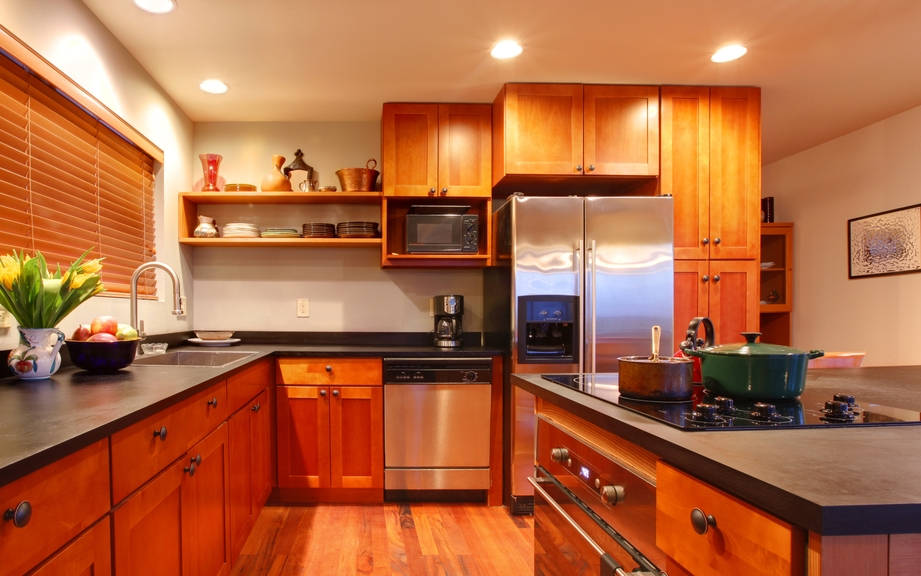
Image Source: www.ouinolanguages.com
The Heart of the Home: La Cuisine
La cuisine isn’t just a room; it’s often considered the heart of the home in French culture, much like in many others. It’s where families gather, stories are shared, and delicious repas (meals) are prepared. From the morning petit-déjeuner (breakfast) to the evening dîner (dinner), the cuisine is the central hub of daily life.
Pronunciation Made Simple
The pronunciation of la cuisine might seem a little tricky at first, but with a little practice, you’ll get it.
- La: This is pronounced like the English word “la” – a simple, open “ah” sound.
- Cuisine: The “cui” sounds like the English word “kwee.” The “sine” part sounds like “seen.” So, it’s pronounced roughly as “kwee-seen.”
When you say it together, it flows nicely: “la kwee-seen.”
Beyond the Room: The Art of Cooking
Interestingly, the word cuisine in French also refers to the style of cooking. For example, you might hear about “la cuisine française” (French cuisine) or “la cuisine italienne” (Italian cuisine). This dual meaning highlights how deeply intertwined the physical space and the act of cooking are in French culture. When you talk about French cuisine, you’re talking about the techniques, ingredients, and traditions that make French food so famous worldwide.
When to Use “La Cuisine”
You’ll use la cuisine in many everyday situations:
- “I am in the kitchen.” – Je suis dans la cuisine.
- “The kitchen is clean.” – La cuisine est propre.
- “We are going to cook in the kitchen.” – Nous allons cuisiner dans la cuisine.
Exploring Related French Vocabulary
Knowing la cuisine is just the beginning. To truly immerse yourself in the French culinary world, here are some essential related terms:
Rooms in the House
While la cuisine is key, you might also encounter other room names:
- La salle à manger: This means “the dining room.” It’s the room where you might enjoy a formal repas away from the cooking area.
- Le salon: This is the living room or lounge.
- La chambre: This is the bedroom.
- La salle de bain: This is the bathroom.
It’s important not to confuse la cuisine with la salle à manger. While they are both spaces within a home, they serve very different purposes. One is for preparing food, the other for eating it.
Cooking and Food Terms
These words will help you talk about the food and the process of making it:
- Cuisiner: This is the verb “to cook.” So, la cuisine is the place, and cuisiner is the action.
- Un repas: This means “a meal.” You can have petit-déjeuner, déjeuner (lunch), or dîner.
- Un plat: This means “a dish” (as in a specific prepared food item).
- Une recette: This means “a recipe.” If you want to learn how to make something, you’ll need une recette.
- Les ustensiles de cuisine: This is the plural term for “kitchen utensils” or “kitchenware.” This includes everything from spatulas to pots and pans.
- Un chef: This is the word for a professional cook, especially one who is in charge of a kitchen. A chef is a master of the art culinaire.
Daily Meals
French mealtimes are important, and knowing the words for them is very useful:
- Le petit-déjeuner: Breakfast. Typically lighter in France than in some other countries, often including pastries, bread, jam, and coffee.
- Le déjeuner: Lunch. Often the main repas of the day in France, though in modern times, a lighter lunch is also common, especially for those working.
- Le goûter: This is a traditional afternoon snack, especially for children, but enjoyed by adults too. It’s a little treat between lunch and dîner.
- Le dîner: Dinner. Usually the lighter repas of the day in France.
Describing the Kitchen
You might want to describe la cuisine:
- Grande: Big
- Petite: Small
- Moderne: Modern
- Ancienne: Old/Antique
- Lumineuse: Bright
- Bien équipée: Well-equipped
Example Sentence: La cuisine de ma grand-mère est petite mais très bien équipée avec tous les ustensiles de cuisine nécessaires. (My grandmother’s kitchen is small but very well-equipped with all the necessary kitchen utensils.)
Common Phrases with “La Cuisine”
Here are some practical phrases you might use:
- Où est la cuisine ? (Where is the kitchen?)
- J’aime cuisiner dans ma cuisine. (I like to cook in my kitchen.)
- Il y a tout ce qu’il faut dans cette cuisine. (There is everything needed in this kitchen.)
- Le chef prépare le dîner dans la cuisine. (The chef is preparing dinner in the kitchen.)
- Nous allons chercher une nouvelle recette pour le déjeuner. (We are going to look for a new recipe for lunch.)
Cultural Insights into the French Kitchen
In France, la cuisine is more than just a place to cook. It’s a space that reflects the family’s personality and their relationship with food. It’s where the bounty of French markets – fresh vegetables, cheeses, and meats – are transformed into delicious repas. The French approach to food is often described as an art culinaire, and la cuisine is its studio.
The Role of the “Chef” at Home
While there are professional chefs, every home cook is a chef in their own right within their cuisine. The passion for creating a good repas is evident, and many French families take great pride in their culinary skills. Sharing a meal in the salle à manger after preparing it in la cuisine is a cherished ritual.
From Petit-Déjeuner to Dîner
The cycle of meals in a French household starts with petit-déjeuner. Then comes déjeuner, which historically was the main repas. Many people still enjoy a substantial lunch, often with multiple courses. The afternoon might involve a goûter, and then the day concludes with dîner, which is typically lighter. The preparation for each repas happens in la cuisine, with careful attention to recette and the quality of ustensiles de cuisine.
Practicing French Kitchen Vocabulary
To really cement these words, try practicing them in different contexts. Imagine you’re describing your dream kitchen in French, or discussing what you’ll cook for your next repas.
Imagining Your Ideal Kitchen
- Ma cuisine idéale est grande et lumineuse. (My ideal kitchen is big and bright.)
- J’ai besoin de nouveaux ustensiles de cuisine. (I need new kitchen utensils.)
- J’adore suivre une recette détaillée pour préparer un bon repas. (I love following a detailed recipe to prepare a good meal.)
Talking About Meals
- Qu’est-ce qu’on mange pour le petit-déjeuner ? (What are we eating for breakfast?)
- Je vais préparer un déjeuner rapide aujourd’hui. (I am going to prepare a quick lunch today.)
- Le dîner sera prêt à 19 heures. (Dinner will be ready at 7 PM.)
Common Mistakes to Avoid
While la cuisine is straightforward, here are a few things to keep in mind:
- Gender: Remember that la cuisine is feminine. This means you’ll use feminine articles (like “la”) and adjective agreements.
- Confusion with “cuisine” (cooking style): Be aware that cuisine can also mean the style of cooking. Context will usually make this clear. If you want to talk specifically about the room, “la pièce de la cuisine” is more precise, but “la cuisine” alone is very common and usually understood.
- “Kitchen” vs. “Kitchenette”: The word “kitchenette” in English refers to a small, basic kitchen. In French, you might use “une petite cuisine” or “une cuisinette” for this.
Summary Table of Key Terms
Here’s a quick reference table to help you remember the most important words:
| English Term | French Term | Pronunciation (Approx.) | Notes |
|---|---|---|---|
| Kitchen | La cuisine | la kwee-seen | The room for preparing food. Also, cooking style. |
| Dining room | La salle à manger | la sal ah mahn-zhay | Room for eating meals. |
| To cook | Cuisiner | kwee-zee-nay | The action of preparing food. |
| Meal | Un repas | uh ruh-pah | Any instance of eating food. |
| Recipe | Une recette | oon ruh-set | Instructions for preparing food. |
| Kitchen utensils | Les ustensiles de cuisine | layz oo-stahn-seel de kwee-zeen | Tools used in the kitchen. |
| Breakfast | Le petit-déjeuner | luh puh-tee day-zhuh-nay | The first meal of the day. |
| Lunch | Le déjeuner | luh day-zhuh-nay | The midday meal. |
| Dinner | Le dîner | luh dee-nay | The evening meal. |
| Chef | Un chef | uh shef | A professional cook or head cook. |
| Culinary art | L’art culinaire | lar koo-lee-nair | The art and practice of cooking. |
Frequently Asked Questions
Q1: Is “la cuisine” the only way to say kitchen in French?
A1: While la cuisine is the most common and universally understood term for the room where food is prepared, there might be regional or colloquial variations. However, for learning purposes and general conversation, la cuisine is the standard and best term to use.
Q2: Can “la cuisine” refer to a restaurant kitchen?
A2: Yes, la cuisine can also refer to the kitchen area of a restaurant. For example, you might hear “Le chef est dans la cuisine” (The chef is in the kitchen), referring to the professional kitchen environment.
Q3: How do I ask someone to pass me something in the kitchen?
A3: You can say something like: “Peux-tu me passer le sel, s’il te plaît ?” (Can you pass me the salt, please?). If you want to be more specific about the location: “Peux-tu me passer le sel qui est sur la table dans la cuisine ?” (Can you pass me the salt that is on the table in the kitchen?).
Q4: What’s the difference between “la cuisine” and “la salle à manger”?
A4: La cuisine is the room where food is prepared, containing appliances like stoves, refrigerators, and sinks, as well as ustensiles de cuisine. La salle à manger is the room where meals are eaten, typically furnished with a dining table and chairs.
Q5: How can I describe a modern kitchen in French?
A5: You can say: “C’est une cuisine très moderne.” (It’s a very modern kitchen.) or “La cuisine est toute équipée et a un design moderne.” (The kitchen is fully equipped and has a modern design.)
Q6: If I want to learn French cooking, what should I search for?
A6: You would search for “recettes françaises” (French recipes) or “cours de cuisine française” (French cooking classes). This will lead you to resources about French art culinaire.
Mastering la cuisine and its related terms will significantly enhance your ability to communicate about food and home life in French. Whether you are planning to cook a French repas, read a recette, or simply navigate your way around a French home, this guide provides the foundational vocabulary and cultural context to help you succeed. Enjoy your journey into the heart of French culture – your cuisine!