Starting a cloud kitchen means opening a food business that operates solely for delivery, without a dine-in area. Can you start a cloud kitchen with limited capital? Yes, it’s often more affordable than a traditional restaurant. Who is a cloud kitchen for? It’s ideal for entrepreneurs, existing restaurants looking to expand their reach, and chefs wanting to test new concepts.
The world of food is changing fast. More people want delicious meals delivered right to their doors. This is where a cloud kitchen, also known as a ghost kitchen setup or delivery-only kitchen, comes in. It’s a smart way to run a food business in today’s world. Let’s dive into how you can start your own successful virtual restaurant business.
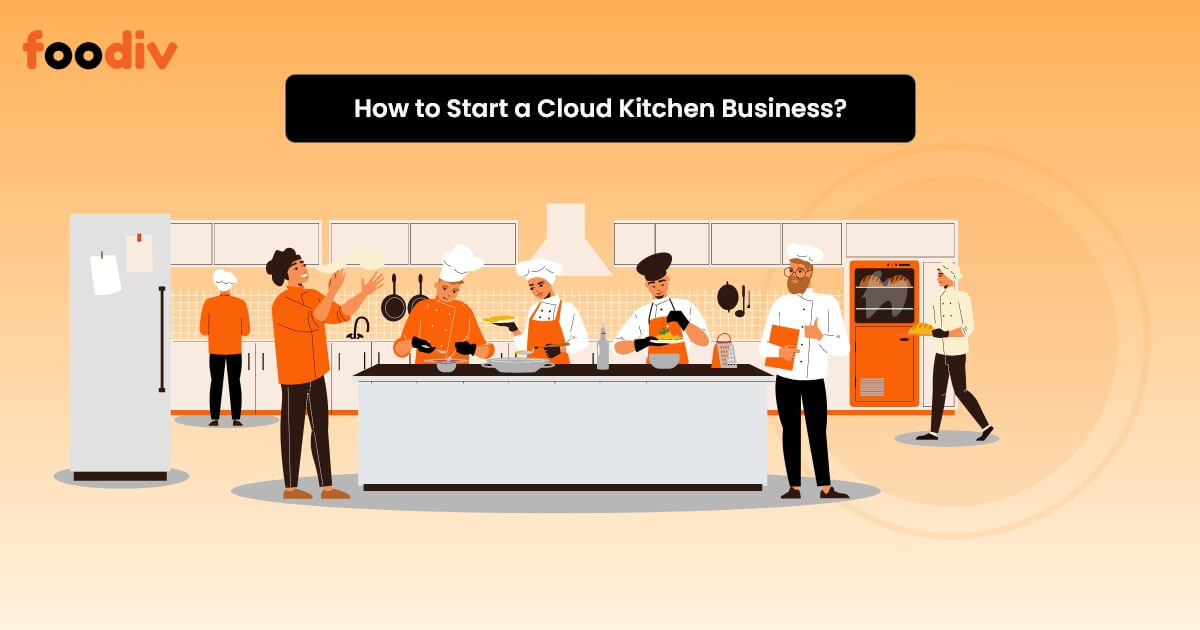
Image Source: www.foodiv.com
What You Need to Know About Cloud Kitchens
A cloud kitchen is a professional food preparation and cooking facility set up for the preparation of delivery-only meals. You don’t have customers coming in to eat. Everything is made to be sent out for delivery. This model is also sometimes called a dark kitchen or virtual kitchen.
The Rise of the Cloud Kitchen
Why are they so popular?
* Lower Costs: No need for expensive storefronts, dining areas, or front-of-house staff.
* Flexibility: You can easily test new menus or brands from one location.
* Wider Reach: Access customers across a larger delivery radius.
* Technology Driven: Relies heavily on online platforms and efficient delivery.
Planning Your Cloud Kitchen Venture
Success starts with careful planning. Think about what you want to offer and who you want to serve.
1. Market Research and Concept Development
Before you do anything else, figure out what food people in your area want.
* What’s missing? Look for cuisines or specific dishes that are in high demand but not widely available for delivery.
* Who are your customers? Are they busy professionals, students, families? This will shape your menu and marketing.
* Competitor Analysis: See what other delivery kitchens are doing well and where they fall short.
Your virtual restaurant menu is key. It needs to be:
* Delivery-friendly: Foods that travel well and stay delicious.
* Profitable: Ingredients and pricing must lead to cloud kitchen profitability.
* Appealing: High-quality photos and clear descriptions are vital for online menus.
2. Legal and Regulatory Hurdles
Every food business must follow rules. Cloud kitchens are no exception.
* Business Registration: Register your business name and structure.
* Food Service Licenses: Obtain all necessary permits from local health departments. This includes food handler permits for staff and inspections for your kitchen.
* Health and Safety Standards: Adhere to strict hygiene and food safety regulations. This is crucial for customer trust and preventing issues.
* Zoning Laws: Ensure your chosen location is zoned for commercial kitchen operations, even without a public-facing storefront.
It’s wise to consult with legal experts to ensure you meet all cloud kitchen regulations.
3. Choosing Your Location
The location of your ghost kitchen setup is important, but for different reasons than a traditional restaurant.
* Accessibility: Easy access for delivery drivers is essential.
* Delivery Radius: Choose a spot that allows you to cover your target customer areas efficiently.
* Cost-Effectiveness: Look for areas with lower rent that still meet your delivery needs.
* Shared Kitchens: Consider renting space in a shared commercial kitchen facility. This can significantly reduce your initial setup costs.
4. Setting Up Your Kitchen
This is where your ghost kitchen setup comes to life. You need efficient workflow and the right equipment.
* Kitchen Layout: Design a layout that allows for smooth food preparation, cooking, and packaging. Think about the flow from ingredient storage to order fulfillment.
* Essential Equipment:
* Commercial ovens and stovetops
* Refrigeration units (walk-in coolers, freezers)
* Prep tables and cutting boards
* Storage shelves and containers
* Dishwashing equipment
* Packaging supplies (eco-friendly options are a plus!)
* Point of Sale (POS) system that integrates with online orders
5. Technology and Online Presence
Your online presence is your storefront.
* Online Food Ordering Platform: You absolutely need to be on major online food ordering platforms like DoorDash, Uber Eats, Grubhub, and others relevant to your region.
* Website/App: Consider creating your own branded website or app for direct orders. This can save on platform commission fees and build customer loyalty.
* POS System: A good POS system will help manage orders, inventory, and sales data. Ensure it can integrate with your chosen delivery platforms.
Building Your Brand and Menu
Your menu is the heart of your business, and your brand is how customers perceive you.
Crafting Your Virtual Restaurant Menu
Your virtual restaurant menu should be designed with delivery in mind.
* Durability: Choose dishes that hold up well during transit. Avoid items that get soggy or lose their texture quickly.
* Variety: Offer a good range of options to appeal to different tastes.
* Profitability: Calculate food costs carefully for each dish to ensure good margins. Your cloud kitchen profitability depends on smart menu engineering.
* Photos: Invest in professional photography for your menu items. Great visuals drive orders.
Menu Item Examples for Delivery:
| Cuisine Type | Popular Delivery Dishes | Why They Work Well |
|---|---|---|
| Italian | Pasta Dishes (e.g., Spaghetti Carbonara) | Holds heat well, minimal texture change. |
| Mexican | Burritos, Tacos | Easy to package, flavorful. |
| Asian | Stir-fries, Curries | Flavors develop, travel well in containers. |
| American | Gourmet Burgers | Still appealing when slightly cooled, good for customization. |
| Healthy | Grain Bowls, Salads | Fresh ingredients, customizable. |
Developing Your Brand Identity
- Name and Logo: Choose a memorable name and a professional logo.
- Brand Story: What makes your food special? Share your passion.
- Packaging: Branded, sturdy, and functional packaging is crucial. It’s your physical touchpoint with the customer. Consider eco-friendly packaging to appeal to environmentally conscious consumers.
Marketing Your Cloud Kitchen
Getting noticed in the crowded online food space requires a solid marketing strategy. This is where ghost kitchen marketing shines.
Digital Marketing Strategies
- Social Media Marketing:
- Engage with customers on platforms like Instagram, Facebook, and TikTok.
- Share enticing food photos and videos.
- Run targeted ads to reach potential customers in your delivery area.
- Encourage user-generated content by asking customers to tag you.
- Search Engine Optimization (SEO): Optimize your website and online listings so people can find you easily when searching for food delivery.
- Email Marketing: Build an email list and send out promotions, new menu item announcements, and loyalty rewards.
- Influencer Marketing: Collaborate with local food bloggers or social media influencers to review your food.
- Online Promotions: Offer discounts, combo deals, or free delivery specials to attract new customers and encourage repeat business.
Optimizing for Delivery Platforms
- High Ratings and Reviews: Encourage satisfied customers to leave positive reviews. Respond to all reviews, both positive and negative.
- Platform Promotions: Utilize any promotional tools offered by the delivery platforms (e.g., featured listings, discounts).
- Menu Optimization: Ensure your menu items are well-described and priced competitively on the platforms.
Managing Cloud Kitchen Operations
Efficient cloud kitchen operations are vital for customer satisfaction and cloud kitchen profitability.
Staffing and Training
- Hire Smart: Look for skilled cooks and reliable kitchen staff.
- Train Thoroughly: Ensure staff are proficient in food preparation, hygiene, packaging, and customer service (even if it’s just for drivers).
- Teamwork: Foster a positive and efficient work environment.
Inventory Management
- Track Stock: Keep a close eye on ingredient levels to avoid shortages or wastage.
- Supplier Relationships: Build strong relationships with reliable food suppliers.
- FIFO (First-In, First-Out): Use older stock first to maintain freshness.
Order Fulfillment and Quality Control
- Accuracy: Double-check every order before it leaves the kitchen.
- Speed: Aim for quick preparation and handover to delivery drivers.
- Quality: Ensure the food is consistently high quality and packaged to arrive in good condition.
Delivery and Logistics
Getting food to customers efficiently is paramount for a delivery-only kitchen. This is where food delivery logistics become critical.
Delivery Models
- Third-Party Delivery Services: Partnering with companies like DoorDash, Uber Eats, and Deliveroo.
- Pros: Access to a large customer base and delivery fleet, handles logistics.
- Cons: High commission fees, less control over the delivery experience.
- In-House Delivery: Hiring your own drivers and managing your own delivery fleet.
- Pros: More control over delivery quality and customer experience, potentially lower costs per delivery long-term, customer data ownership.
- Cons: Higher upfront investment in vehicles, insurance, and driver management; requires significant logistical planning.
- Hybrid Model: Using third-party services for some orders or areas and in-house for others.
Optimizing Delivery Efficiency
- Route Planning: If using in-house delivery, optimize routes to minimize delivery times and fuel costs.
- Driver Management: Train drivers on food handling, customer interaction, and timely deliveries.
- Communication: Maintain clear communication between the kitchen, drivers, and customers.
- Packaging for Travel: Use insulated bags and secure containers to keep food at the right temperature and prevent spills.
Achieving Cloud Kitchen Profitability
Cloud kitchen profitability is about managing costs and maximizing revenue.
Key Financial Considerations
- Startup Costs: Kitchen equipment, initial inventory, licenses, technology setup.
- Operating Costs: Rent, utilities, staff wages, ingredient costs, packaging, marketing, platform commissions.
- Pricing Strategy: Price your menu items to cover all costs and leave a healthy profit margin.
- Cost Control: Regularly review expenses and look for areas to save without compromising quality.
Strategies for Boosting Profitability
- Menu Engineering: Focus on high-profit margin items.
- Reduce Waste: Implement strict inventory management and portion control.
- Negotiate with Suppliers: Secure better rates for ingredients.
- Direct Orders: Encourage customers to order directly through your website or app to avoid platform fees.
- Bundling and Upselling: Offer meal deals or add-ons to increase average order value.
- Data Analysis: Use sales data to identify popular dishes, peak times, and customer preferences to optimize operations and marketing.
The Future of Cloud Kitchens
Cloud kitchens are more than just a trend; they are a fundamental shift in how food businesses operate. As technology advances and consumer habits evolve, we can expect to see even more innovation in this space.
- Technology Integration: AI-powered demand forecasting, automated kitchen systems.
- Specialization: More niche cloud kitchens focusing on specific diets or cuisines.
- Sustainability: Increased focus on eco-friendly practices in packaging and operations.
- Ghost Kitchen Hubs: Larger facilities housing multiple brands, sharing resources.
Frequently Asked Questions (FAQ)
Q1: What is the biggest challenge when starting a cloud kitchen?
A1: The biggest challenge is often standing out in a crowded market and managing the complexities of food delivery logistics and online food ordering platform dependence. Building a strong brand and marketing effectively is crucial.
Q2: Can I operate a cloud kitchen from my home?
A2: In most regions, you cannot legally operate a commercial food business from a residential kitchen. You will need a dedicated commercial kitchen space that meets health department standards. This is a key difference from simple home baking businesses.
Q3: How much does it cost to start a cloud kitchen?
A3: Costs vary widely based on location, equipment, and business model. However, it’s generally significantly less than opening a brick-and-mortar restaurant. You could potentially start with a few thousand dollars for basic setup in a shared kitchen, or tens of thousands for a dedicated ghost kitchen setup.
Q4: How do cloud kitchens make money?
A4: Cloud kitchens make money by selling food directly to consumers for delivery. Their cloud kitchen profitability comes from efficient operations, smart pricing, and effective marketing, offsetting lower overheads compared to traditional restaurants.
Q5: Is a virtual restaurant business profitable?
A5: Yes, a virtual restaurant business can be highly profitable if managed correctly. Key factors include a well-designed virtual restaurant menu, efficient cloud kitchen operations, strong ghost kitchen marketing, and careful management of food delivery logistics and costs.
Q6: What are the essential cloud kitchen regulations I need to be aware of?
A6: You need to comply with food safety and hygiene standards set by your local health department, obtain all necessary business and food service licenses, and adhere to zoning laws for commercial kitchens.
By following this comprehensive guide, you’ll be well-equipped to navigate the exciting world of cloud kitchens and build a successful delivery-only kitchen business. Good luck!