
Can you store kitchen appliances in a damp basement? No, you should not store kitchen appliances in a damp basement because moisture can damage their electrical components and lead to rust. Proper appliance storage is crucial for their longevity and functionality. This guide will walk you through smart tips for storing all types of kitchen appliances, from your favorite toaster to your bulky stand mixer. We’ll cover everything from appliance organization to safe appliance storage to ensure your kitchen tools are protected and ready when you need them.
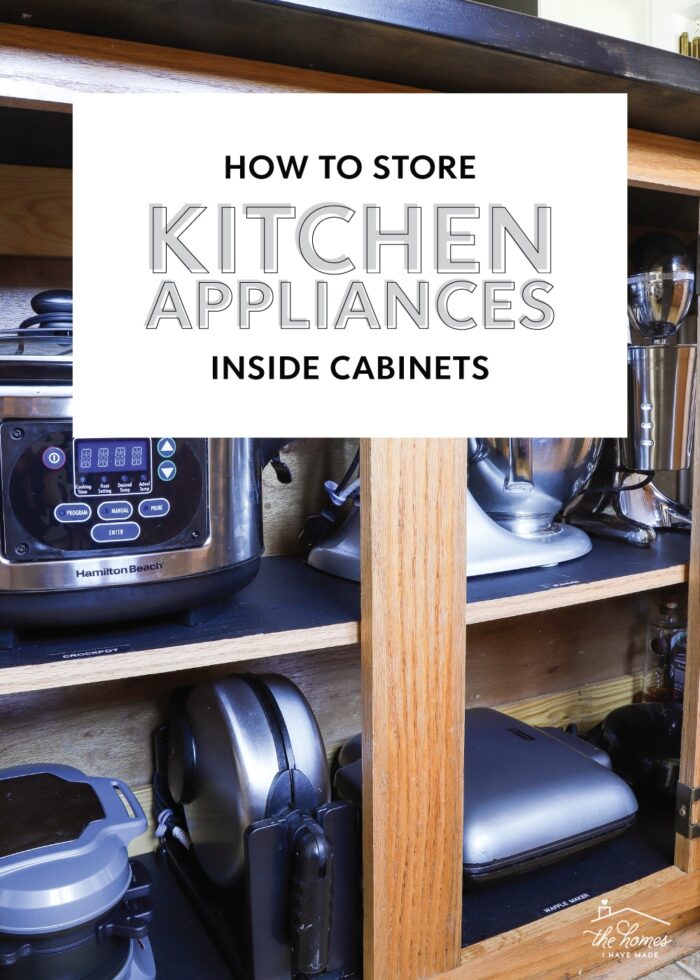
Image Source: thehomesihavemade.com
Preparing Appliances for Storage
Before you tuck away that blender or food processor, a little preparation goes a long way. This step is vital for proper appliance storage and preventing future issues.
Cleaning and Drying
- Thorough Cleaning: Wash all removable parts of appliances like blenders, food processors, and juicers. Pay attention to nooks and crannies where food particles might hide. For appliances with heating elements, like toasters or waffle makers, ensure they are completely cool and free of crumbs.
- Complete Drying: This is non-negotiable. Even a tiny bit of moisture can lead to mold growth or corrosion over time. Use clean towels to dry all parts thoroughly. If an appliance has many parts, air dry them completely before reassembling or storing.
Inspecting for Damage
- Check Cords: Examine power cords for any fraying, cuts, or damage. Damaged cords are a safety hazard. If a cord is damaged, it’s best to get it repaired by a professional or consider replacing the appliance if the repair cost is high.
- Look for Rust or Wear: Inspect the appliance body for any signs of rust, especially on metal parts. Note any dents or damage that might have occurred during use.
Securing Loose Parts
- Detachable Components: For appliances like stand mixers or food processors, detach accessories such as whisks, dough hooks, or blades.
- Wrap and Secure: Wrap loose parts in soft cloth or bubble wrap to prevent them from scratching the appliance itself or other items. Some appliances come with storage cases for their accessories; use these if available.
- Cord Management: Don’t just leave cords dangling. Wrap them neatly around the appliance base or use cable ties. This prevents tangling and reduces the risk of cord damage.
Storing Small Kitchen Appliances
Small appliance storage often requires creative solutions to maximize space and keep things organized.
Countertop Appliance Organization
While often used daily, sometimes you need to clear your countertops.
Designated Shelves or Cabinets
- Clear the Clutter: If you have items you use less frequently, consider moving them off the counter.
- Accessible Locations: Store appliances that get daily or weekly use in easily accessible cabinets or on lower shelves. This makes grabbing them quick and simple.
Utilizing Vertical Space
- Tiered Shelving: Use tiered shelves within cabinets to stack items like toasters or smaller blenders. This doubles your storage capacity in a single cabinet.
- Wall-Mounted Racks: For items like knife blocks or spice racks, wall-mounted solutions can free up counter and cabinet space.
Cabinet Appliance Storage
Cabinets are the go-to for many, but cabinet appliance storage can become chaotic without a plan.
Grouping Similar Items
- By Function: Store all baking appliances together (e.g., hand mixer, electric griddle), all smoothie-making appliances together (e.g., blender, juicer), etc.
- By Frequency of Use: Keep frequently used items at the front and easily reachable. Less-used items can go in the back or higher shelves.
Using Organizers
- Shelf Risers: These create extra levels within cabinets, perfect for stacking smaller appliances or their accessories.
- Turntables (Lazy Susans): Ideal for corner cabinets or deep shelves, turntables allow you to easily access items without having to reach to the back. This is great for spice grinders or small food processors.
- Drawer Dividers: If you have dedicated drawers for appliances, dividers keep them from sliding around and getting damaged.
Pantry Appliance Storage
The pantry can be a treasure trove for pantry appliance storage, especially for seasonal items.
Clear Bin or Basket Usage
- Containment is Key: Store appliances like ice cream makers, waffle irons, or seasonal blenders in clear bins or sturdy baskets. This keeps them together and prevents them from getting lost among other pantry items.
- Labeling: Clearly label each bin so you know exactly what’s inside without having to open multiple containers.
Shelf Height Considerations
- Adjustable Shelving: If your pantry has adjustable shelves, use them to create the best fit for your appliances, preventing wasted vertical space.
- Heavier Items Lower: Always store heavier appliances, like a stand mixer if it fits in your pantry, on lower, sturdier shelves.
Storing Large Kitchen Appliances
Large appliance storage presents different challenges, mainly due to size and weight. Whether it’s a temporary move or storing an appliance you don’t use year-round, these tips are essential.
Temporary Storage Solutions
- Protect from Dust: Cover the appliance with a breathable fabric cover (like a cotton sheet) or the original packaging if available. Avoid plastic sheeting, which can trap moisture.
- Secure Transport: If moving a large appliance, ensure it’s securely strapped down to prevent movement and damage during transport.
- Level Placement: Once in its temporary location, ensure the appliance is placed on a level surface to avoid undue stress on its components.
Long-Term Storage Best Practices
- Climate-Controlled Environment: The ideal place for long-term storage is a climate-controlled area. This means avoiding garages or sheds prone to extreme temperature fluctuations and humidity. Basements can also be problematic if they are damp.
- Elevate if Necessary: If storing on a concrete floor, consider placing a pallet or a piece of wood underneath to elevate the appliance. This helps prevent moisture absorption.
- Disconnect and Clean: Ensure all appliances are thoroughly cleaned and dried, and any detachable cords are safely stored with the unit.
Safe Appliance Storage Strategies
Safe appliance storage focuses on preventing damage, ensuring safety, and maintaining functionality.
Protecting Electrical Components
- Keep Away from Water: This seems obvious, but it bears repeating. Never store appliances where they could be exposed to leaks, spills, or high humidity.
- Avoid Extreme Temperatures: Rapid temperature changes can cause condensation inside appliances, which can damage electronics.
- Secure Cords: As mentioned before, damaged cords are a fire hazard. Ensure cords are not pinched, frayed, or tightly coiled in a way that stresses them.
Preventing Physical Damage
- Padding and Protection: Use bubble wrap, moving blankets, or thick towels to protect appliances from bumps and scratches, especially during moves or when stacking.
- Stable Positioning: Ensure appliances are stored in a stable position where they won’t tip over.
- Avoid Overcrowding: Don’t cram too many appliances into a small space. Give each item enough room to prevent damage from rubbing against other items.
Pest Prevention
- Seal Thoroughly: Appliances, especially those with nooks and crannies, can attract pests. Ensure all openings are sealed as best as possible. If storing in a pantry, this also helps keep pests away from food items.
- Cleanliness is Key: Thoroughly cleaning the appliance before storing removes any food residue that might attract pests.
Decluttering Kitchen Appliances
Before you organize and store, decluttering kitchen appliances is a crucial step to simplify your kitchen.
Evaluating Your Needs
- Usage Frequency: Be honest about how often you actually use each appliance. If you haven’t used it in over a year, it might be time to let it go.
- Redundancy: Do you have multiple appliances that do the same thing? For example, do you need both a regular blender and a personal blender if you rarely use the larger one?
- Performance: Is the appliance still working well? If it’s broken or performs poorly, it’s often not worth storing.
Disposal and Donation Options
- Donation: Gently used, working appliances can be donated to local charities, shelters, or community centers.
- Selling: Appliances in good condition can be sold online or at a yard sale.
- Recycling: For broken or irreparable appliances, look for local e-waste recycling centers. Many municipalities have specific drop-off points for electronics.
Appliance Organization Systems
Creating an organized system makes it easier to find what you need and keeps your kitchen functional.
Zone-Based Storage
- Baking Zone: Keep stand mixers, hand mixers, measuring tools, and baking pans together.
- Morning Routine Zone: Store toasters, coffee makers, and blenders in an easily accessible area.
- Prep Zone: Place food processors, immersion blenders, and chopping attachments in drawers or cabinets near your main prep counter.
Vertical Storage Solutions
- Shelf Risers: As mentioned, these are invaluable for doubling cabinet space.
- Pull-Out Shelves: For heavy appliances like stand mixers, pull-out shelves make them much easier to access and use.
- Wall-Mounted Racks: Think about appliances that can be hung or stored on specialized racks, like electric skillets or slow cookers.
Drawer and Cabinet Maximizers
- Stackable Bins: Use stackable bins for smaller appliances or their accessories to keep them contained and organized.
- File Dividers: Sometimes, appliance manuals or accessories can be organized using file dividers in drawers.
Specific Appliance Storage Tips
Let’s look at some common kitchen appliances and how to store them best.
Toasters and Toaster Ovens
- Keep Clear: Ensure the crumb tray is emptied and cleaned.
- Cord Management: Wrap the cord neatly.
- Storage Location: Store on a shelf or in a cabinet. Avoid storing anything directly on top of a toaster oven if it has vents, as this can block airflow.
Blenders and Food Processors
- Disassemble: Detach the jar/bowl, lid, and blades.
- Protect Blades: Wrap blades carefully to prevent them from cutting or damaging other items.
- Base Unit: Store the base unit upright.
- Accessories: Keep accessories in a separate bag or bin, or inside the blender jar if it fits without strain.
Stand Mixers
- Clean and Dry: Ensure the bowl and attachments are clean and dry.
- Attachment Storage: Store attachments in their designated bags or boxes.
- Location: Stand mixers are heavy. Store them on sturdy lower shelves or dedicated rolling carts if possible. Some people store them on the counter if they use them frequently, but ensure the area is clear.
Coffee Makers and Espresso Machines
- Empty and Clean: Remove the water reservoir, clean the carafe, and descale if necessary.
- Dry Thoroughly: Allow all parts to air dry completely.
- Cord Storage: Wrap the cord.
- Storage Location: Store in a dry cabinet. If storing a coffee grinder, ensure it’s clean of all coffee grounds.
Waffle Makers and Griddles
- Cool and Clean: Ensure they are completely cool and wiped clean.
- Cord Wrap: Wrap the power cord.
- Storage: Store flat if possible. Some have folding designs that make storage easier.
Maintaining Appliances in Storage
Even when stored, a little care ensures they’re ready when you need them.
Periodic Checks
- Visual Inspection: If storing for extended periods (over six months), periodically check for any signs of damage, pests, or moisture.
- Test Before Heavy Use: Before relying on a stored appliance for a critical task, plug it in and test it for a minute or two to ensure it’s functioning correctly.
Environmental Control
- Avoid Basements: As highlighted, damp basements are a major no-no.
- Stable Temperatures: Aim for a location with relatively stable temperatures. Attics can also be problematic due to extreme heat.
- Ventilation: While you want to protect from dust, complete airtight sealing can sometimes trap residual moisture. Ensure the storage area has some minimal air circulation.
Table: Appliance Storage Guide
| Appliance Type | Key Preparation Steps | Recommended Storage Location | Storage Tips |
|---|---|---|---|
| Small Appliances | Clean, dry, inspect cords. | Cabinets, pantry shelves, drawers. | Use bins, turntables, shelf risers for organization. Group by function. |
| Countertop Appliances | Clean, dry, manage cords. | Designated shelves, lower cabinets. | Clear space or use organizers to free up counter areas. |
| Large Appliances | Clean, dry, protect with breathable cover. | Climate-controlled room, garage (if dry and temp stable). | Elevate from floor, secure during transport, cover with breathable material. |
| Baking Appliances | Clean, dry, store attachments separately and protected. | Baking zone cabinets, dedicated drawers. | Keep mixers, scales, and specialty tools together. |
| Grinders/Mills | Empty and clean thoroughly of all residue. | Pantry, cabinets. | Store with clear labeling to avoid confusion. |
| Specialty Appliances | Clean, dry, follow manufacturer instructions. | Pantry, upper cabinets, dedicated storage bins. | Consider seasonal use; store away when not in use to declutter. |
Frequently Asked Questions (FAQ)
What is the best way to store kitchen appliances that I don’t use often?
The best way to store infrequently used kitchen appliances is in a clean, dry, and climate-controlled environment. Group them using bins or baskets for easy retrieval. Ensure they are thoroughly cleaned and dried before storage to prevent mold, rust, or pest infestation. Consider storing them on upper shelves or in a dedicated storage closet if counter or cabinet space is limited.
Can I store kitchen appliances in my garage?
You can store kitchen appliances in your garage, but only if it is a dry and climate-controlled space. Garages are often subject to extreme temperature fluctuations and humidity, which can damage electrical components and cause rust. If your garage is not well-insulated and climate-controlled, it’s best to find an alternative storage location.
How should I store the cords for my kitchen appliances?
Proper cord storage prevents damage and tangles. Wrap the cords neatly around the appliance base, using a Velcro strap or cable tie if needed. Avoid tightly coiling or creasing the cords, as this can damage the internal wires. Never wrap the cord around a hot appliance.
What if my appliance has a glass component, like a blender jar?
Glass components should be stored carefully to prevent breakage. Ensure the glass is completely dry. You can wrap it in a soft cloth or bubble wrap before placing it in a bin or cabinet. Store it upright or in a way that prevents it from falling or being crushed by heavier items. Some appliance manuals suggest storing the blender jar on the base unit if it fits securely, but ensure this doesn’t put strain on the jar or the base.
Is it okay to store appliances in their original boxes?
Storing appliances in their original boxes can be beneficial for protection and organization, especially for items you might sell or move later. However, ensure the boxes are not damaged or compromised. If the original boxes are bulky or made of flimsy material, consider using sturdy plastic bins or fabric covers for better protection and space efficiency. Always make sure the appliance is completely dry before boxing it up.
How do I prevent pests from getting into my stored appliances?
Thorough cleaning of the appliance before storage is the first step. Remove any food residue that might attract pests. Store appliances in sealed plastic bins or airtight containers. If storing in a pantry, ensure the pantry itself is pest-free. Using natural deterrents like bay leaves or peppermint oil near stored items can also help, but ensure they don’t come into direct contact with the appliances.
What are the best kitchen storage solutions for small kitchens?
For small kitchens, prioritize vertical space and multi-functional items. Use shelf risers within cabinets, install wall-mounted racks for pots, pans, or utensils, and consider pull-out shelves or drawers for easier access to appliances. Invest in drawer organizers and turntables for cabinets. Decluttering kitchen appliances is also key – get rid of anything you don’t use. Re-evaluate your needs regularly to maintain an organized space.
How do I manage countertop appliances to keep my kitchen tidy?
Countertop appliance organization is about strategic placement and regular tidying. Only keep the appliances you use daily or weekly on the counter. Use a tray or mat to group them and create a designated zone. When not in use, wipe them down and consider storing less-used items in nearby cabinets to free up valuable counter space.
What are the key considerations for safe appliance storage?
Safe appliance storage prioritizes preventing electrical hazards, physical damage, and pest issues. Ensure all electrical cords are in good condition and stored properly. Keep appliances away from moisture and extreme temperatures. Protect delicate parts like glass or blades. Ensure appliances are stored stably to prevent tipping. Finally, thorough cleaning before storage is paramount for both safety and longevity.
What if I need to store a very large appliance, like a refrigerator or dishwasher?
Large appliances like refrigerators or dishwashers typically need professional handling for moves and storage. If storing them temporarily, ensure they are thoroughly cleaned and dried. Leave refrigerator doors slightly ajar to prevent mold growth from trapped moisture. For long-term storage, consult the manufacturer’s guidelines or a professional appliance mover for the safest and most effective methods. Always protect them from the elements and ensure they are stored in a stable, level position.