
The ideal width for a kitchen island changes. It depends on your kitchen size. It also depends on how you use the island. Most kitchen islands are between 24 and 48 inches wide. Some can be wider. How wide should a kitchen island be for seating? Each person needs about 24 inches of space. This is for comfort. So, for two people, you need at least 48 inches. Can a kitchen island be too wide? Yes, it can. If an island is too wide, it makes it hard to clean the middle. It also blocks pathways. The minimum width for a kitchen island is often 24 inches. This is for basic function.
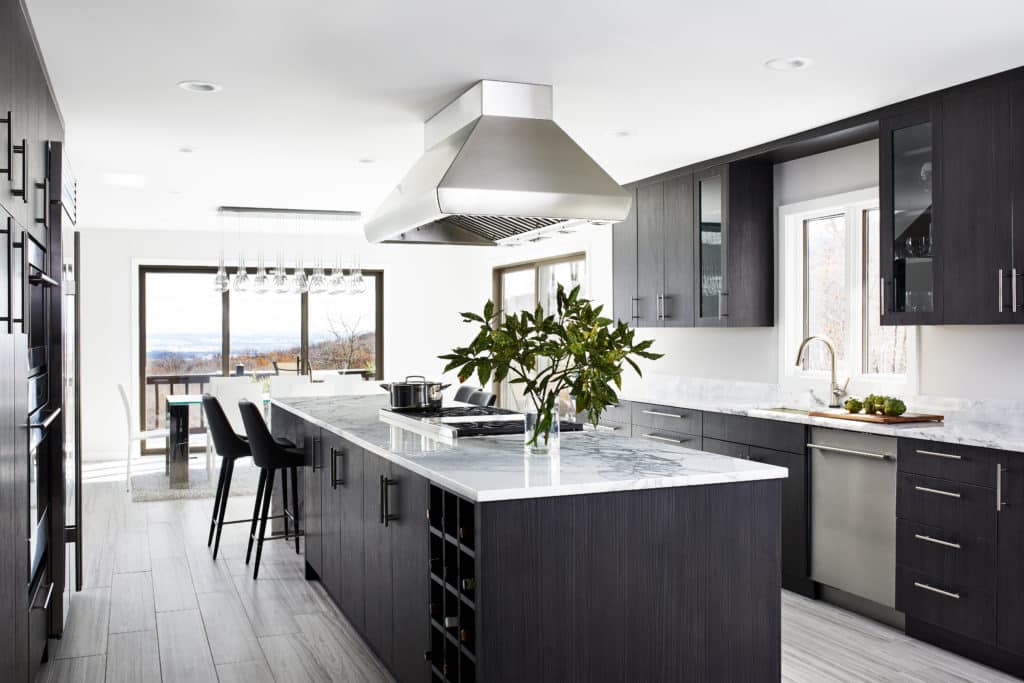
Image Source: jackrosen.com
The Heart of the Home: Why Island Width Matters
A kitchen island is more than just a big counter. It is a workhorse in your kitchen. It offers extra space. You can prep food there. You can store things there. It can also be a place to eat. The right width makes your kitchen work well. It also makes your kitchen look good. A wrong width can make your kitchen feel small. It can make it hard to move around. So, picking the right width is very important.
It helps with how people move. It helps with how you cook. It even helps with how you clean. Think about your family. Think about your cooking style. Think about your kitchen size. All these things help pick the best island width.
Finding the Right Fit: Standard Kitchen Island Widths
Most kitchen islands follow common sizes. These sizes work well in many homes. Knowing these sizes helps you start. It gives you a good idea. A standard kitchen island width often starts at 24 inches. It can go up to 48 inches or more. This range fits many needs.
The average kitchen island dimensions are usually around 36 to 48 inches wide. This allows for good counter space. It also lets people move around easily. Islands also have a depth. This is how deep they are front to back. Standard depth is often 24 to 36 inches.
Here are some common width sizes:
- Small Island: 24 inches wide. This is good for tight spaces. It offers basic counter space.
- Medium Island: 30 to 36 inches wide. This is a common size. It gives more room for tasks.
- Large Island: 42 to 48 inches wide. This is great for bigger kitchens. It can have a sink or stovetop.
- Extra Large Island: Over 48 inches wide. These are for very big kitchens. They offer maximum space.
Here is a quick look at common island widths and depths:
| Island Size | Typical Width (inches) | Typical Depth (inches) | Main Use |
|---|---|---|---|
| Small | 24 – 30 | 24 – 36 | Prep space, light storage |
| Medium | 30 – 36 | 24 – 36 | Prep, some storage, informal eating |
| Large | 36 – 48 | 36 – 48 | Prep, cooking, sink, seating, storage |
| Extra Large | 48+ | 48+ | Multiple uses, large entertaining space |
These are just common numbers. Your kitchen is unique. You might need a special size.
Beyond the Basics: Minimum Island Widths
You might have a small kitchen. You still want an island. What is the smallest it can be? The minimum island width is often 24 inches. This width is like a narrow cabinet. It gives you some counter space. It can hold a small microwave. Or it can hold a few drawers.
A 24-inch wide island does not offer much work space. It also does not allow for seating. If you need seating, you need more width. For seating, the island must be wider. You need enough space for knees under the counter.
When space is very tight, even 18 inches might seem possible. But this is very small. It becomes less useful. It might not be worth the cost. Always think about how you will use it. Even a small island can add a lot. Make sure it adds enough to be helpful.
Crafting Your Space: Ideal Kitchen Island Size
What is the ideal kitchen island size? It is the size that works best for your home. It meets all your needs. It lets your kitchen flow well. It feels right in the room. There is no one-size-fits-all answer.
To find your ideal size, think about these:
- Your Kitchen’s Size: Measure your kitchen. Leave enough space around the island.
- Your Needs: Will you prep food? Eat meals? Do homework? Store dishes?
- Traffic Paths: How do people walk through your kitchen? Do they go around the island?
- Appliances: Will you have a sink or stovetop in the island? These need space.
- Seating: How many people will sit there? How much room do they need?
Start by drawing your kitchen layout. Use graph paper. Or use an online tool. Draw the cabinets and appliances. Then draw the island. Try different sizes. See how they fit. This helps you see the space.
A good ideal island is big enough for tasks. It is not so big that it crowds the room. It lets you open appliance doors fully. It allows two people to pass each other easily.
More Than Just Width: Island Depth Matters Too
We talk a lot about width. But island depth considerations are just as vital. Depth is the measurement from the front edge to the back edge. A standard base cabinet is 24 inches deep. This is often the starting point for an island’s working side.
If you have a sink or stovetop, you might need more depth. These appliances often need more room. They need space for plumbing or wiring. An island with a sink might be 36 to 48 inches deep. This gives room behind the sink. It also gives space for seating on the other side.
If you plan to have seating, depth is key. You need enough knee room. This means the counter must extend past the cabinet. This is called an overhang. We will talk about this more later.
Here’s why depth matters:
- Work Space: More depth means more counter space. You can spread out.
- Appliance Fit: Sinks and cooktops need a certain depth.
- Storage: Deeper islands can have deeper cabinets or drawers.
- Seating Comfort: Enough depth makes seating pleasant. No one likes bumping their knees.
Think about how you use your counters. Do you use large cutting boards? Do you have many small appliances? More depth might be better for you.
Sitting Pretty: Recommended Island Seating Width
An island often doubles as a casual eating spot. If you plan to eat at your island, seating width is crucial. Recommended island seating width is about 24 inches per person. This allows enough elbow room. It stops people from bumping into each other.
If you plan for three people, you need 72 inches of seating width. This is 24 inches times 3. This space makes dining comfortable. It also makes moving in and out easy.
Consider the type of seating, too:
- Stools: Need less floor space. Good for quick meals.
- Chairs: Need more floor space. Can be more comfortable for longer meals.
The depth of the island also plays a part here. You need enough overhang for knees. We will look at overhang next.
Here is a table showing seating width:
| Number of People | Minimum Seating Width Needed (inches) |
|---|---|
| 1 | 24 |
| 2 | 48 |
| 3 | 72 |
| 4 | 96 |
Remember, these are minimums. More space is always better if you have it.
Moving Around: Kitchen Island Clearance
This is very, very important. Kitchen island clearance means the open space around your island. It is the distance from the island to other cabinets or walls. Good clearance makes your kitchen safe. It makes it easy to use. Without enough space, your kitchen feels cramped. It can even be a fire hazard.
The National Kitchen and Bath Association (NKBA) offers guidelines. They suggest certain clearances.
- Minimum Walkway: At least 36 inches (3 feet) of clear space around the island. This allows one person to walk by.
- Work Aisle: For a main work area, like between an island and a counter with a sink or stove, you need more. Aim for at least 42 inches (3.5 feet). This lets one person work and another pass.
- Two-Cook Kitchen: If two people often cook, aim for 48 inches (4 feet) of clearance. This allows two people to work back-to-back.
Do not forget appliance doors. Refrigerator doors need space to open fully. Dishwasher doors also need to open. Make sure the island does not block them. This applies to oven doors too. Measure these fully open. Then make sure you have enough walk space.
Here are the clearance guidelines:
| Area Type | Recommended Clearance (inches) | What it Means |
|---|---|---|
| Walkway (one person) | 36 | Basic path for one person to move easily. |
| Work Aisle (one cook) | 42 | Space for one person to work and others to pass by. |
| Work Aisle (two cooks) | 48 | Space for two people to work comfortably back-to-back. |
| Appliance Front | 42 – 48 | Space in front of appliances (fridge, oven, dishwasher) to open doors fully and stand. |
Keep these numbers in mind. They are key to a functional kitchen.
Adding Style and Function: Island Counter Overhang
An island counter overhang is the part of the counter that sticks out. It goes beyond the base cabinets. Overhangs have many uses.
- Seating Comfort: This is the main reason for seating. It provides knee space. For comfortable seating, an overhang of at least 12 inches is recommended. Some prefer 15 inches for more legroom.
- Protection: It protects the cabinet fronts. Spills from the counter fall on the floor. Not on the cabinet.
- Aesthetics: An overhang can make an island look more finished. It can be a design feature.
- Extra Work Space: Even a small overhang gives a little more counter space.
For islands without seating, a small overhang is still common. About 1 inch is typical. This gives a nice finish. It also protects the cabinets a little.
If your island has an appliance, like a stovetop, consider overhang carefully. You want enough space in front. You also want space for pots and pans.
Making It Your Own: Custom Kitchen Island Dimensions
Standard sizes work well for many. But sometimes, custom kitchen island dimensions are the best choice. This is true if you have a unique kitchen. Or if you have very specific needs.
Reasons to go custom:
- Odd-shaped kitchen: Your kitchen might be narrow, long, or L-shaped. A custom island can fit perfectly.
- Specific function: You might want a built-in pet feeding station. Or a special baking area.
- Unique appliances: You have a special wine fridge. Or a very large professional cooktop.
- Exact match: You want the island to match existing cabinets perfectly.
- Maximizing space: You want to use every inch possible in a small kitchen. Or fill a large kitchen wisely.
A custom island means you work with a designer or cabinet maker. They will measure your space. They will draw up plans. This ensures your island fits your home and your life. It can cost more. But it often gives the best result.
Designing for Success: Optimal Island Design Guidelines
Bringing all these points together helps you design the best island. Following optimal island design guidelines means thinking about every detail.
Here is a checklist for a great island:
- Size it right: Does it fit your kitchen? Is it too big or too small?
- Think about purpose: What will you do at your island? Prep, cook, eat, store?
- Clearance is key: Is there enough room to walk around? Can appliance doors open?
- Seating comfort: If you have seating, is there enough width and knee space?
- Depth for tasks: Is the island deep enough for your activities?
- Storage needs: Do you need drawers, cabinets, or open shelves?
- Power outlets: Are there enough outlets for small appliances? This is often forgotten.
- Lighting: Is there good lighting above the island?
- Materials: Will the counter material hold up to use? Is it easy to clean?
- Workflow: Does the island improve your kitchen’s “work triangle” (sink, stove, fridge)?
An island should make your kitchen better. It should not make it harder to use. Take your time with planning. It pays off in the end.
Key Factors Affecting Island Width
Many things shape the right island width for you. Let’s look at them.
Kitchen Size and Layout
The size and shape of your kitchen are the first things to think about.
- Small Kitchens: In a small kitchen, a narrow island might be the only option. It could be 24-30 inches wide. It offers extra counter space without blocking movement.
- Medium Kitchens: Many homes have a medium-sized kitchen. Here, a 36-inch wide island often fits well. It gives good space for cooking. It can also have light seating.
- Large Kitchens: A large kitchen can handle a bigger island. This could be 48 inches wide or more. You can fit a sink, stovetop, and seating easily.
- Layout: An L-shaped or U-shaped kitchen might suit a central island. A galley kitchen might only fit a narrow, movable island.
Always measure your total kitchen space first.
Island Purpose
What will your island do? Its job directly affects its width.
- Main Work Station: If it is your main spot for chopping and mixing, you need good width. At least 36 inches is helpful.
- Eating Area: If you plan family meals there, width for seating is vital. Remember 24 inches per person.
- Cooking Zone: If you put a stovetop in it, it needs more width. You need space on both sides of the burners. This is for safety and prep.
- Sink Area: If it has a sink, you need space for drying dishes. You also need space for food prep around the sink.
- Storage Only: If it is mainly for storage, you can have a narrower island. It might just be cabinets.
One island can do many things. This often means it needs to be wider.
Traffic Flow
How do people move in and out of your kitchen? How do they move around the island? Good traffic flow makes a kitchen easy to use. Bad flow makes it frustrating.
- Main Pathways: If your island is in a main pathway, you need wide clearance. People should not have to squeeze.
- Entry/Exit: Make sure the island does not block doors or exits.
- Between Appliances: If the island is between your fridge and stove, make sure you have room. You need to open doors. You need to move hot pans.
Think about how many people live in your home. Do you entertain often? More people mean you need more space.
Appliance Placement
Putting appliances in your island changes its needed width.
- Dishwashers: A dishwasher is 24 inches wide. It needs space to open its door. You also need space to stand in front of it. This affects clearance.
- Cooktops: A cooktop needs space on both sides. This is for safety. It is also for pots and pans. A 30-inch cooktop usually needs an island at least 42-48 inches wide.
- Sinks: A sink needs space around it. You need room for prep. You need room for dirty dishes. This means the island must be wider and deeper than the sink itself.
- Under-Counter Fridges/Freezers: These are like small fridges. They need clearance for their doors.
Always check the specs for your chosen appliances. Make sure your island design allows them to work well.
Seating Needs
If your island will have seats, this is a big factor.
- Number of Seats: Each seat needs its own width.
- Comfort: Do you want just a quick breakfast spot? Or a place for long chats? More comfort means more space.
- Chair Type: Bar stools take up less room than full chairs. This affects how much an island can stick out.
Plan the seating area carefully. It should be inviting, not cramped.
Putting It All Together: Planning Your Island Project
Designing your island is an exciting step. Follow these steps for the best results.
- Measure Your Space: Get exact measurements of your kitchen. Include walls, windows, and existing cabinets. Measure appliance door swings.
- Draw It Out: Use graph paper or online tools. Draw your kitchen to scale. Add current appliances. Then, try drawing islands of different widths and depths. See how they affect walkways.
- Think About Flow: Imagine yourself in the kitchen. Walk from the fridge to the sink. Then to the stove. Does the island get in the way?
- Consider Your Budget: Custom islands cost more. Standard sizes are more budget-friendly.
- Seek Expert Help: A kitchen designer can be very helpful. They see things you might miss. They know all the rules and best practices. They can help you pick the perfect width.
A well-planned island will make your kitchen a joy to use.
Frequently Asked Questions (FAQ)
Q: Can a narrow island work in a small kitchen?
A: Yes, a narrow island can work. Islands as narrow as 24 inches wide can fit. They offer extra counter space. They can also provide storage. But they may not offer seating. They also limit space for built-in appliances.
Q: How wide should an island be if it has a sink?
A: An island with a sink needs to be at least 36 to 42 inches wide. This allows for the sink itself. It also gives you prep space on either side of the sink. It provides space for dirty dishes. The depth also matters here. You need enough depth for the sink bowl. You also need a comfortable working space in front of it.
Q: What is the average depth of a kitchen island?
A: The average depth of a kitchen island is typically 24 to 36 inches. If it has seating on one side, it might be 42 to 48 inches deep. This extra depth gives the needed knee room for people sitting at the island.
Q: Is 30 inches wide enough for a kitchen island?
A: Yes, 30 inches wide can be enough for a kitchen island. It works well for prep space. It can also offer good storage. However, it is usually not wide enough for comfortable seating. It might also be too narrow for a stovetop or a larger sink. It’s a good choice for smaller kitchens where every inch counts.
Q: How much space do you need behind an island for stools?
A: For island seating, you need at least 36 inches of clear space behind the stools. This allows people to pull out their stools and sit down comfortably. It also lets others walk behind them. If there’s a main walkway, aim for 42 to 48 inches. This allows people to move past someone who is seated.