
Why are there ants in my kitchen? Ants come into your kitchen looking for food, water, and shelter. They often find these things because of spills, crumbs, or food left out. They want easy meals and a safe place to live. Knowing what they want and stopping them is the best way to keep your kitchen free of ants.
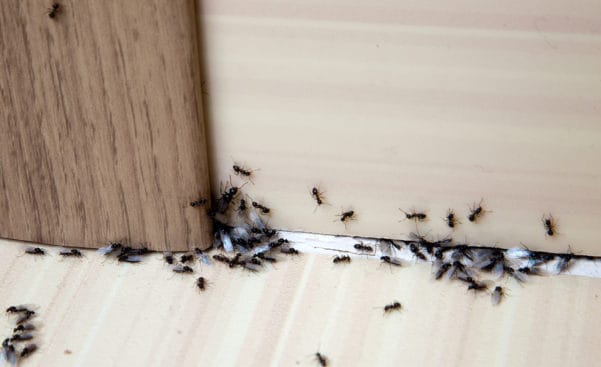
Image Source: www.callnorthwest.com
The Main Reasons Ants Invade Your Kitchen
Ants do not just show up by chance. They are always on the hunt. Your kitchen is a prime spot for them. It has everything they need to live and grow their colony.
Food Scraps and Spills
This is the biggest reason ants come inside. Ants need to eat. They are very good at finding food.
- Sweet Treats: Ants love sugar. A tiny drop of soda, a speck of jam, or a crumb of a cookie is like a feast for them.
- Grease and Oils: Many ants also like fats. Grease on your stovetop or food bits under the fridge can bring them in.
- Pet Food: Your pet’s food bowl is a magnet for ants. Dry kibble and wet food leftovers are easy targets.
- Unsealed Food: Open bags of cereal, sugar, or pasta are welcome mats for ants. They can get into almost anything.
- Trash Cans: Trash cans often have food bits. If your trash can lid is not tight, ants will find it.
Water Sources
Ants need water to live. If they find water easily, they will stay.
- Leaky Faucets: A small drip from a faucet is a perfect water source for ants.
- Condensation: Water drops on pipes or windows can give ants a drink.
- Pet Water Bowls: Just like pet food, pet water bowls are easy for ants to reach.
- Damp Areas: Wet sponges, damp dishcloths, or puddles under the sink are places ants can find water.
Shelter and Warmth
Ants also look for a safe place to live. They want a home away from the weather outside.
- Cracks in Walls: Small cracks are like front doors for ants. They can hide inside walls.
- Under Appliances: Areas under the fridge, stove, or dishwasher are warm and dark. These spots are perfect for ants.
- Warmth in Winter: When it gets cold outside, ants seek warmth. Your kitchen is often one of the warmest rooms.
- Moisture-Damaged Wood: Some ants, like carpenter ants, like to nest in wet or rotting wood.
Spotting the Enemy: Ant Infestation Signs
How do you know if you have an ant problem? It is not just about seeing one or two ants. Look for these signs of a real ant invasion. Knowing these signs helps you act fast.
Ant Trails
This is the clearest sign. Ants do not travel alone. They leave scent trails for others to follow.
- Lines of Ants: You will see a line of ants marching. They follow each other in a row.
- From Food to Hiding Spot: The trail will usually lead from a food source to a crack or hole. This crack is their way back to the nest.
- Common Paths: Look for trails along baseboards, countertops, windowsills, or pipes.
Live Ants
Seeing a few ants is normal. Seeing many is a problem.
- Many Ants: If you see many ants at once, it means they are looking for food. It also means their nest is nearby.
- Different Sizes: Some trails might have ants of different sizes. This can help you tell what kind of ant it is.
- In Food: Finding ants in your sugar, cereal, or pet food is a clear sign.
Ant Nests
Sometimes you can see the nest itself. This is less common indoors.
- Small Piles of Dirt: Outdoors, you might see small piles of dirt or sand. These are often entrances to nests.
- Wood Shavings: If you have carpenter ants, you might see tiny wood shavings. This is a sign they are making tunnels in wood.
- Around Moist Areas: Some ants build nests in damp spots. Check under sinks, near leaky pipes, or in damp wood.
Frass (Ant Droppings)
Frass is a fancy word for ant droppings. It looks like fine sawdust.
- Near Wood: If you see frass near wooden areas, it points to carpenter ants. They push this out as they tunnel.
- Tiny Piles: Look for small, fine piles, especially near baseboards or door frames.
Finding Their Way In: How to Find Ant Entry Points
Once you know ants are there, you need to find how they get in. Stopping their entry points is key to long-term control.
Following the Trail
This is the best way to find their entry.
- Watch Them: See where the ants are coming from. Watch them move from the food to the wall or floor.
- Be Patient: It might take a few minutes to see their path. They usually follow the same route.
- Look Low and High: Ants can come in from the floor, but also from windows or cracks higher up.
Common Entry Spots
Ants use very small openings. Even a tiny crack is enough.
- Cracks in Foundations: Look for tiny openings where your house meets the ground.
- Gaps Around Windows and Doors: The seals around windows and doors can wear out. This leaves small gaps.
- Utility Pipes and Wires: Pipes and wires coming into your house can have small gaps around them. This includes under sinks and behind appliances.
- Vents: Dryer vents or other wall vents can be entry points.
- Damaged Screens: A tiny tear in a window screen is an open door for ants.
Checking Outdoors
Ants often start their journey outside.
- Around the House: Walk around your house. Look for ant trails leading up to your foundation.
- Mulch and Garden Beds: Ants often build nests in garden beds or mulch next to the house.
- Overhanging Branches: Tree branches touching your roof can be bridges for ants. They can walk from the tree right onto your house.
Knowing Your Foe: Ant Species in Home Identification
Not all ants are the same. Knowing what kind of ant you have helps you choose the right way to get rid of them. Different ants like different foods. They also nest in different places.
Odorous House Ants
These are very common.
- Look: Small (1/8 inch), dark brown or black.
- Smell: They smell like rotten coconuts when crushed.
- Food: They love sweets, but will eat almost anything.
- Nests: Often nest indoors, near water sources. They like warm, moist places. You might find them in wall voids, under floors, or behind appliances.
Pavement Ants
You often see these ants on sidewalks or driveways.
- Look: Small (1/8 inch), dark brown or black. Their bodies look rough or ridged.
- Food: They eat almost everything: greasy foods, sweets, other insects.
- Nests: They nest under pavement, stones, and in walls. They kick out small piles of dirt.
Argentine Ants
These ants have very large colonies.
- Look: Small (1/16 to 1/8 inch), light to dark brown.
- Food: They love sweets.
- Nests: They make very large “supercolonies” with many queens. They nest in shallow areas, under debris, or inside walls. They can be hard to get rid of because there are so many of them.
Pharaoh Ants
These are a big problem, especially in hospitals.
- Look: Very small (1/16 inch), yellow or light brown.
- Food: They like greasy foods, sweets, and even other insects.
- Nests: They nest in warm, humid, hidden places. They like wall voids, behind baseboards, or in insulation. They also make many small nests that are hard to find. Using sprays can make them spread and create new nests.
Carpenter Ants
These ants can harm your home.
- Look: Larger (1/4 to 1/2 inch), black or reddish-black.
- Food: They eat other insects, sweets, and greasy foods. They do not eat wood.
- Nests: They tunnel in wet or rotting wood to make nests. You might find them in damp areas like around windows, doors, or leaky roofs. You might see wood shavings or hear rustling in walls.
Tackling the Problem: Kitchen Ant Control Methods
Getting rid of ants takes a few steps. You need to clean, trap, and sometimes spray.
Sanitation First
This is the most important step. Without good cleaning, other methods will not work well.
- Clean Spills Right Away: Wipe up any food or drink spills instantly.
- Sweep and Mop Often: Clean floors daily, especially in the kitchen and dining areas.
- Wash Dishes Promptly: Do not leave dirty dishes in the sink.
- Seal Food: Store all food in airtight containers. This includes pet food.
- Empty Trash Often: Take out the trash every day. Use a trash can with a tight lid.
- Clean Appliances: Wipe down stoves, microwaves, and fridges. Clean under them too.
Traps and Baits
Baits are usually the best way to get rid of ants. Ants take the bait back to their nest.
- How Baits Work: Baits have food mixed with a slow-acting poison. Ants eat it and carry it back to their colony. Then, they share it with other ants, including the queen. This kills the whole nest.
- Types of Baits:
- Gel Baits: Syringe applicators apply small drops. Great for cracks.
- Liquid Baits: Small plastic stations with liquid bait.
- Granular Baits: Small pellets for outdoor use or in bait stations.
- Placement: Put baits near ant trails, but away from food prep areas. Do not spray other cleaners near baits. This will make ants avoid them.
Sprays and Barriers
Sprays kill ants quickly. But they do not solve the main problem.
- Killing on Contact: Sprays only kill the ants you see. They do not get to the nest.
- Repelling Ants: Some sprays repel ants. This can make them move their nest to another part of your house.
- Perimeter Sprays: You can spray outside your home around entry points. This creates a barrier.
- Use with Caution: Read labels carefully. Many sprays are not safe for kitchen surfaces or where food is prepared.
Professional Help
If the problem is big, or if you cannot get rid of ants yourself, call a professional.
- Big Infestations: If you see thousands of ants, or if they keep coming back.
- Hard-to-Find Nests: If you cannot find where the ants are coming from.
- Specific Ants: If you have carpenter ants or Pharaoh ants, professional help is often needed.
Sweet Solutions: Sugar Ants in Kitchen Solutions
“Sugar ants” is a common name. It often means small ants that love sweet foods. This usually refers to Odorous House Ants or Argentine Ants. Getting rid of them means dealing with their love for sugar.
Identifying Sugar Ants
- Size and Color: They are usually small, brown or black ants.
- Food Preference: If they are always in your sugar, honey, or fruit, they are likely “sugar ants.”
- Trails: They form clear trails to their food sources.
Baits for Sugar Ants
Baits are the best way to get rid of “sugar ants.”
- Sweet Baits: Choose ant baits that are sweet or sugary. These baits attract “sugar ants” more than protein or grease baits.
- Gel and Liquid Baits: These are often very sweet and work well for “sugar ants.”
- Placement is Key: Put bait near their trails. Put it where you see the most ants. Do not kill ants near the bait. Let them take the bait back.
Cleaning Up Sugar Sources
This is very important for “sugar ants.”
- Wipe Down Surfaces: Clean all kitchen surfaces daily with a good cleaner.
- Store Sweets: Put all sugary foods in sealed containers. This includes cookies, candies, and even pet treats.
- Rinse Recyclables: Rinse out soda cans and juice boxes before putting them in the recycling.
- Check Fruit Bowls: Overripe fruit can draw “sugar ants.” Eat or store fruit quickly.
Natural Ways to Fight Back: Natural Ant Repellent for Kitchens
Some people prefer not to use harsh chemicals. Many natural items can help keep ants away.
Vinegar Solutions
Ants hate the smell of vinegar.
- White Vinegar Spray: Mix equal parts white vinegar and water in a spray bottle. Spray on countertops, floors, and entry points. This cleans and wipes away ant scent trails.
- Mopping: Use vinegar and water to mop your floors.
Essential Oils
Certain essential oils are strong ant repellents.
- Peppermint Oil: Ants hate peppermint. Mix 10-20 drops of peppermint oil with water in a spray bottle. Spray areas where you see ants.
- Tea Tree Oil, Lemon Oil, Eucalyptus Oil: These oils also work. Use them the same way as peppermint oil.
- Cotton Balls: Soak cotton balls in essential oils and place them in cupboards or drawers.
Spices and Herbs
Some kitchen items can scare ants away.
- Cinnamon: Sprinkle ground cinnamon around ant entry points. Ants do not like to cross it.
- Cayenne Pepper or Black Pepper: Sprinkle these peppers where ants come in.
- Cloves and Bay Leaves: Place whole cloves or bay leaves in pantries or food containers.
- Coffee Grounds: Spread used coffee grounds in garden beds near your house.
Diatomaceous Earth (DE)
DE is a natural powder. It kills insects by drying them out.
- How it Works: DE is made of tiny fossilized algae. It is very sharp at a microscopic level. When ants walk over it, it cuts their outer layer, and they dry out and die.
- Food Grade DE: Make sure to use “food grade” DE. This is safe for humans and pets, but still kills ants.
- Application: Lightly dust DE in cracks, under sinks, or along ant trails. Do not make thick piles. It needs to be a thin layer. Wear a mask when applying to avoid breathing dust.
Choosing Your Weapon: Best Ant Killer for Indoor Use
When natural methods are not enough, you might need a stronger ant killer. Always read labels and follow directions carefully.
Ant Baits (Gel, Granular, Liquid)
As mentioned, baits are often the best choice for indoor ants.
- Gel Baits: These are good for applying small amounts in cracks or tight spots. They are often sweet.
- Liquid Baits: Come in small stations. Ants walk in, drink the liquid, and take it back.
- Granular Baits: Not ideal for inside the kitchen. Better for outdoor use.
- Why Baits Are Best: They aim to kill the whole colony, including the queen. This stops new ants from being born.
Ant Sprays
Use sprays for quick kills, but know their limits.
- Contact Killers: These sprays kill ants right away. They are good for wiping out a trail you see.
- Residual Sprays: Some sprays leave a chemical behind that keeps killing ants for a time.
- Use Cautiously: Do not spray near food, dishes, or kids’ toys. Open windows for airflow.
- Repellent Effect: Some sprays repel ants. This can cause ants to move their nest to another part of your house or property.
Diatomaceous Earth (DE)
DE is a good indoor ant killer.
- Safe for Indoor Use: Food-grade DE is safe around pets and children when used correctly.
- Application: Dust a thin layer in hidden areas. This means behind appliances, under sinks, or in wall voids. Ants must walk through it to die.
- Not a Repellent: Unlike some sprays, DE does not repel ants. Ants will walk through it.
Consider Safety
- Read Labels: Always read the product label before you use any ant killer.
- Pets and Kids: Choose products that are safe for pets and children if they might reach them. Baits in closed stations are often safer than sprays.
- Ventilation: Use sprays in well-aired rooms.
Striking at the Core: Ant Nest Location in House
To truly stop ants, you need to find their nest and deal with it. This is harder than it sounds.
Indoor Nests
Ants build nests in hidden, quiet spots inside your home.
- Wall Voids: Spaces inside your walls are common. Ants get in through tiny cracks.
- Under Floors: Ants can nest under floorboards or in crawl spaces.
- Behind Appliances: The dark, warm space behind a fridge or stove is attractive.
- Behind Baseboards: Loose baseboards can hide nests.
- In Damaged Wood: Carpenter ants will be in moist or rotting wood. Look for them around windows, doors, or leaky pipes.
- Signs of an Indoor Nest:
- Lots of ants in one small area.
- Small piles of dirt or wood shavings.
- Sounds of rustling in walls.
Outdoor Nests
Many indoor ant problems start with a nest outside.
- Under Pavement or Rocks: Pavement ants often nest under sidewalks or large stones.
- In Gardens or Mulch: Many ants build nests in garden beds, especially near the house.
- Under Debris: Piles of leaves, old wood, or trash outside can hide nests.
- Tree Stumps: Carpenter ants sometimes nest in old tree stumps near your home.
- Signs of an Outdoor Nest:
- Mounds of dirt with holes.
- Many ants coming and going from one spot.
- Ants marching in a clear line from outside to your house.
Destroying the Nest
Once you find the nest, you can take steps to get rid of it.
- Baits are Best: For indoor nests, baits are usually the safest and most effective. The ants take the poison back to the queen and the rest of the colony.
- Direct Treatment: If you find an outdoor nest, you can use an outdoor ant killer labeled for nests. Pour it directly into the nest opening.
- Remove Damaged Wood: If you have carpenter ants, you may need to remove or repair the damaged wood.
- Professional Help: For large or hard-to-reach nests, a pest control expert can help find and treat them. They have special tools and treatments.
Keeping Them Out: Preventing Ants in Kitchen Naturally
The best way to deal with ants is to stop them from coming in at all. Prevention is easier than cure.
Regular Cleaning
This is the number one rule.
- Daily Wipe-Downs: Clean all counters, tables, and floors every day.
- No Crumbs Left Behind: Sweep or vacuum crumbs.
- Quick Spill Cleanup: Clean up spills immediately, especially sugary drinks.
- Clean Pet Bowls: Wash pet food and water bowls daily.
Food Storage
Make it hard for ants to get to food.
- Airtight Containers: Store all food in sealed containers. This includes cereals, sugar, pasta, and snacks.
- Fridge Food: Keep fresh fruit and other foods that can attract ants in the fridge.
- Don’t Leave Food Out: Put away leftovers right away.
Sealing Entry Points
Block their way in.
- Seal Cracks: Use caulk to seal cracks in walls, floors, and around pipes.
- Repair Screens: Fix any tears in window or door screens.
- Weatherstripping: Add weatherstripping to doors and windows to close gaps.
- Check Utilities: Seal any gaps around pipes or wires entering your home.
Outdoor Maintenance
Keep the outside of your home tidy.
- Trim Plants: Keep tree branches and shrubs trimmed away from your house. They can be ant bridges.
- Clean Gutters: Make sure gutters are clear. Clogged gutters can create damp spots.
- Move Firewood: Store firewood away from your house. Ants can nest in it.
- Clear Debris: Remove old leaves, trash, and other debris from around your foundation.
- Fix Leaks: Fix any outdoor water leaks. This includes sprinklers or leaky hoses.
By taking these steps, you make your kitchen a less welcoming place for ants. You cut off their food, water, and entry points. This helps keep your home ant-free naturally.
Frequently Asked Questions (FAQ)
Q: Why do I only see ants in my kitchen at certain times?
A: Ants are often more active when they are looking for food or water. This might be after you cook, leave food out, or when it’s very hot or dry outside. They come in when your kitchen offers what they need.
Q: Can ants cause damage to my house?
A: Most ants in your kitchen just look for food and water. They do not cause damage. However, carpenter ants can damage wood in your home. They tunnel through wood to make nests. If you see large ants or wood shavings, get help quickly.
Q: How long does it take for ant baits to work?
A: Ant baits do not work right away. They are designed to be slow. It can take a few days to a few weeks to see the full effect. This is because ants need time to take the bait back to the nest and share it. Be patient and do not kill the ants you see on the bait.
Q: Is diatomaceous earth safe to use around food?
A: Yes, if it is “food-grade” diatomaceous earth (DE). This type of DE is safe for people and pets. It is made from natural materials. But it is always best to use it in hidden spots or away from direct food preparation areas. Also, try not to breathe in the dust when you apply it.
Q: Should I call a pest control expert for ants?
A: For small ant problems, you can often handle them yourself. But if you have many ants, if they keep coming back, or if you think you have carpenter ants or Pharaoh ants, it is best to call an expert. They can find the nest and use stronger treatments safely.