
Kitchen cabinets come in different heights. Base cabinets, which sit on the floor, are usually 34.5 inches tall without the countertop. With a standard countertop, they reach 36 inches. Upper kitchen cabinets hang above the counter. They are often 30, 36, or 42 inches tall. Tall pantry cabinets can be 84, 90, or 96 inches high. These are common average kitchen cabinet height figures. Knowing these standard kitchen cabinet dimensions helps you plan your kitchen well.
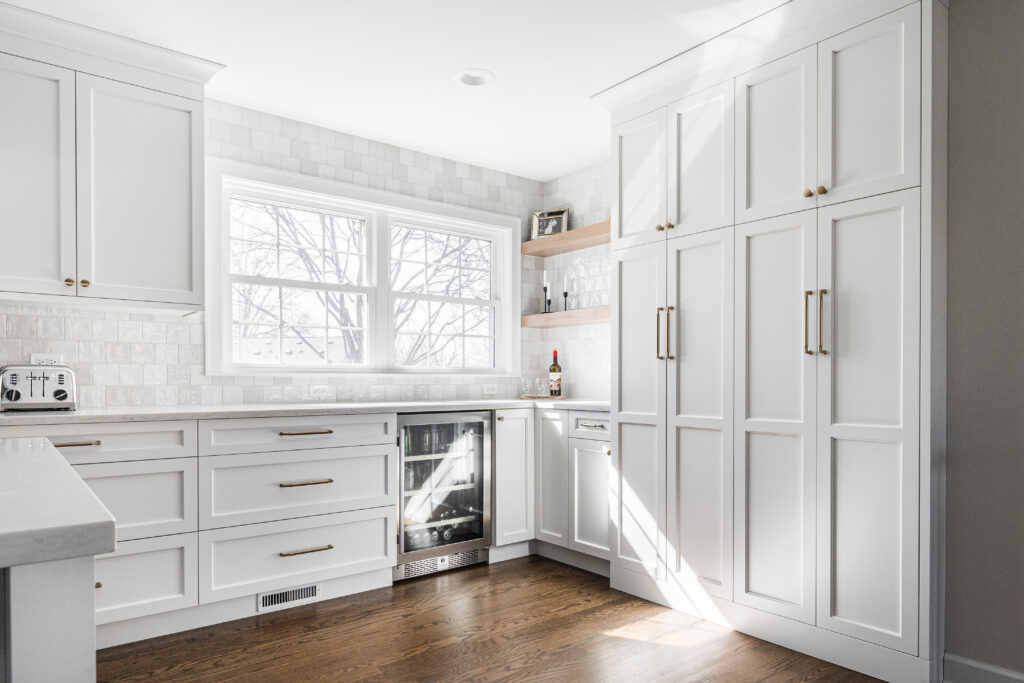
Image Source: decorcabinets.com
Grasping Kitchen Cabinet Height Basics
Your kitchen needs cabinets that fit. The right height makes your kitchen easy to use. It also makes it look good. Standard sizes help guide your choices. They make sure appliances fit. They also help workers install things correctly. We will look at all cabinet types. We will cover their usual heights and other important sizes.
The Core of Kitchen Design
Cabinets are key parts of your kitchen. They hold your dishes and food. They also shape the look of your room. Heights matter for daily tasks. Think about reaching things. Think about how you cook. Standard heights help most people work comfortably. They also help manufacturers make cabinets. This makes them cheaper and easier to find.
The Foundation: Base Kitchen Cabinet Height
Base cabinets sit on the floor. They support your countertops. They also hold your sink, dishwasher, and stove. Knowing their height is very important for comfort.
What is Base Kitchen Cabinet Height?
The standard base kitchen cabinet height is 34.5 inches. This is the height of the cabinet box itself. Most countertops are 1.5 inches thick. When you add the countertop, the total height becomes 36 inches. This 36-inch height is a common height for most kitchen tasks. It is good for chopping, mixing, and cooking.
- Cabinet Box Height: 34.5 inches
- Countertop Thickness: 1.5 inches
- Total Height (with counter): 36 inches
This 36-inch height is chosen for a reason. It is a comfortable height for most adults to work at. It helps prevent back strain. It makes sure you can reach into your sink and stir pots on your stove easily.
Usual Base Cabinet Sizes
Base cabinets do not just have a standard height. They also have standard depths and widths.
- Depth: The most common depth for base cabinets is 24 inches. This measurement is from the front of the cabinet to the wall. This depth allows for large appliances like dishwashers to fit. It also gives enough counter space for food prep.
- Width: Base cabinets come in many widths. Common widths are 9, 12, 15, 18, 21, 24, 27, 30, 33, 36, 42, and 48 inches. Wider cabinets often have two doors. Smaller ones have one door or drawers.
The Toe Kick
At the bottom of base cabinets, there is a small recessed area. This is called the toe kick. It is usually 4.5 inches high and 3 inches deep. The toe kick lets you stand closer to the counter. You can put your feet under the cabinet. This helps you stand comfortably while working. It also protects the cabinet base from kicks and spills.
- Toe Kick Height: 4.5 inches
- Toe Kick Depth: 3 inches
The toe kick is part of the 34.5-inch base cabinet height. So, the cabinet box above the toe kick is 30 inches tall. Then, you add the 4.5-inch toe kick to get 34.5 inches.
Above the Counter: Upper Kitchen Cabinet Height
Upper cabinets, also called wall cabinets, hang on the wall. They sit above your countertop. They hold dishes, glasses, and food. Their height and placement are key for reaching things and for light.
What is Upper Kitchen Cabinet Height?
Upper kitchen cabinets come in a few standard heights. The most common heights are 30, 36, and 42 inches.
- 30-inch upper cabinets: These are good for standard 8-foot ceilings. They leave space above them for crown molding or open display.
- 36-inch upper cabinets: These are often used with 8-foot or 9-foot ceilings. They reach closer to the ceiling, giving more storage.
- 42-inch upper cabinets: These are best for kitchens with 9-foot ceilings or higher. They nearly reach the ceiling, offering a lot of storage space.
Choosing the right height depends on your ceiling height. It also depends on how much storage you need.
Wall Cabinet Height from Counter: The Crucial Gap
The space between counter and upper cabinets is very important. This gap is known as the backsplash area. For most kitchens, the standard wall cabinet height from counter is 18 inches.
- Standard Gap: 18 inches
This 18-inch gap is not random. It is chosen for several reasons:
- Appliance Clearance: It provides enough room for small appliances. Toasters, coffee makers, and blenders fit under the cabinets.
- Ease of Use: It is high enough for most people to work comfortably on the counter. It is also low enough for most people to reach the bottom shelves of the upper cabinets.
- Light and Air: It allows for good light from under-cabinet lighting. It also gives a feeling of openness.
Sometimes, this gap can change. If you have a very tall stove or a specific design need, it might be 15 inches or 20 inches. But 18 inches is the general rule.
Usual Upper Cabinet Sizes
Like base cabinets, upper cabinets have standard depths and widths.
- Depth: The standard depth for upper cabinets is 12 inches. Some deeper options, like 15 or 18 inches, are available. These are good for larger dishes or more storage. But 12 inches is most common. This depth helps keep the kitchen feeling open. It also prevents the cabinets from sticking out too far.
- Width: Upper cabinets come in many widths, just like base cabinets. They start at 9 inches and go up in 3-inch steps to 48 inches. Common widths include 12, 15, 18, 24, 30, and 36 inches.
Reaching High: Tall Pantry Cabinet Dimensions
Tall pantry cabinets go from the floor to near the ceiling. They offer a lot of storage. They are great for food, cleaning supplies, or even appliances.
What are Tall Pantry Cabinet Dimensions?
Tall pantry cabinets come in a few standard heights:
- 84 inches (7 feet): This height works well with standard 8-foot ceilings. It allows for crown molding above.
- 90 inches (7 feet 6 inches): This height offers more storage for 8-foot ceilings or slightly higher ones.
- 96 inches (8 feet): These tall units are best for kitchens with 9-foot or higher ceilings. They give a custom, built-in look. They also offer the most storage space.
When choosing a tall cabinet height, think about your ceiling height. Also, think about how you want the top of the cabinet to look. Do you want it to meet the ceiling or have a gap?
Usual Tall Cabinet Sizes
Tall cabinets also have standard depths and widths.
- Depth: The most common depths for tall cabinets are 12 inches and 24 inches.
- 12-inch depth: Good for pantry items. You can see everything easily.
- 24-inch depth: Matches base cabinet depth. It can hold larger items or even be fitted for a built-in oven or microwave.
- Width: Tall cabinets usually come in widths of 18, 24, 30, and 36 inches. Wider units offer more storage.
Decoding Standard Kitchen Cabinet Dimensions: A Full View
Looking at a kitchen cabinet dimensions chart helps bring it all together. Standard sizes make planning easier. They also make cabinets more affordable. Most cabinet makers follow these standard sizes.
Why Standard Sizes Matter
Standard sizes exist for good reasons.
- Cost: Mass production of standard sizes lowers the cost. Custom cabinets are always more expensive.
- Availability: Standard cabinets are easy to find. You can buy them off the shelf or order them quickly.
- Design: Standards ensure that appliances fit. They also help maintain a good flow in the kitchen.
- Ergonomics: Standard heights are chosen for comfort for most people.
Here is a general kitchen cabinet dimensions chart:
| Cabinet Type | Height (inches) | Common Widths (inches) | Common Depth (inches) | Notes |
|---|---|---|---|---|
| Base Cabinets | 34.5 (without counter) | 9, 12, 15, 18, 21, 24, 27, 30, 33, 36, 42, 48 | 24 | 36 inches with standard 1.5-inch countertop |
| Upper Cabinets | 30, 36, 42 | 9, 12, 15, 18, 21, 24, 27, 30, 33, 36, 42, 48 | 12 | Can be 15 or 18 inches deep for specific uses |
| Tall Cabinets | 84, 90, 96 | 18, 24, 30, 36 | 12, 24 | Also called pantry or utility cabinets |
| Toe Kick | 4.5 | N/A (runs along base) | 3 | Part of base cabinet height |
| Countertop | 1.5 (thickness) | Varies | 25.5 (overhangs cabinet) | Adds to base cabinet height |
| Gap (Counter to Upper) | 18 (recommended) | N/A | N/A | Space for small appliances and backsplash |
This chart shows the average kitchen cabinet height and dimensions. Remember, these are general guidelines. Some brands might have slightly different sizes.
Beyond the Norm: Custom Kitchen Cabinet Heights
While standard sizes work for most, sometimes you need something different. Custom kitchen cabinet heights let you create a kitchen just for you.
When to Go Custom
You might consider custom cabinets in these cases:
- Unique Needs: If someone in the home is very tall or very short.
- For taller users: You might raise base cabinets to 38 or 39 inches. This saves their backs. You might also raise upper cabinets higher.
- For shorter users: Base cabinets can be lower, like 30 or 32 inches. Upper cabinets can be hung lower or have pull-down shelves.
- Accessibility: For people using wheelchairs, lower counters and accessible upper cabinets are key. Counters can be 30 to 32 inches high. Sinks should have open space underneath.
- Unusual Appliances: If you have a very tall or wide appliance that needs a special fit.
- Slanted Ceilings or Walls: When your kitchen has odd angles, standard cabinets might not fit well. Custom sizes can fill all gaps.
- Specific Design Ideas: If you want a truly unique look that standard sizes cannot give. Maybe you want different depth cabinets or very tall cabinets that meet a vaulted ceiling.
- Historical Homes: Older homes often have uneven walls or non-standard room sizes. Custom cabinets can be made to fit these spaces perfectly.
- Maximizing Space: In small kitchens, every inch counts. Custom cabinets can use every bit of available space. They can be narrower, wider, or deeper than usual.
Pros and Cons of Custom Cabinets
Pros:
- Perfect Fit: They fit your space exactly. No wasted space.
- Personalized: You get the exact look and features you want.
- Better Ergonomics: Tailored to your height and comfort.
- Higher Quality: Often made with better materials and craftsmanship.
Cons:
- Higher Cost: Custom cabinets are much more expensive.
- Longer Wait Time: They take longer to make and install.
- Resale Value: While good for you, unique custom sizes might not appeal to future buyers.
If you choose custom, work with a good designer. They can help you get the best fit for your needs and space.
Getting It Right: Kitchen Cabinet Installation Height
Installing cabinets correctly is vital. Even with the right size cabinets, a poor installation can ruin your kitchen. The kitchen cabinet installation height must be precise.
Step-by-Step Installation Considerations
-
Marking the Lines:
- Find the highest point of your floor: Floors are rarely perfectly level. Find the highest spot first. All your measurements start from here.
- Draw the base cabinet line: Measure up 34.5 inches from the highest floor point. Draw a level line around your kitchen walls. This is where the top of your base cabinets will sit.
- Draw the upper cabinet line: From the top of the base cabinet line (or 36 inches from the floor), measure up 18 inches. Draw another level line. This is the bottom edge of your upper cabinets. So, the wall cabinet height from counter starts here.
-
Locating Wall Studs:
- Cabinets are heavy. They must be screwed into wall studs. Use a stud finder to mark all the studs behind where your cabinets will go. Mark them clearly. This ensures a secure installation.
-
Installing Base Cabinets First:
- Start with the corner base cabinets if you have them.
- Make sure they are level, both side-to-side and front-to-back. Use shims if needed.
- Screw them into the wall studs through the back of the cabinet.
- Connect adjacent cabinets with screws.
-
Installing Upper Cabinets:
- This part needs precision for the space between counter and upper cabinets.
- Use temporary ledger boards or props to hold the upper cabinets. This makes it easier to work. The ledger board should be placed at the 18-inch mark you drew.
- Start from a corner or one end.
- Lift the cabinet onto the ledger board.
- Level the cabinet. Use shims if needed.
- Screw the cabinet into the wall studs. Use long enough screws.
- Connect adjacent upper cabinets.
-
Checking Level and Plumb:
- After installing each cabinet, check it with a level. Make sure it is straight up and down (plumb) and perfectly flat (level).
- Small errors add up. Take your time.
-
Adding Fillers and End Panels:
- If there are gaps, use filler strips. These make the cabinets look built-in.
- Add end panels for a finished look on exposed cabinet sides.
Correct installation ensures your cabinets are sturdy. It also makes sure your kitchen works well and looks good.
Designing for Comfort: Optimizing Your Kitchen Layout
Cabinet heights play a big role in how easy your kitchen is to use. Good design means comfort and ease.
Ergonomics and Accessibility
- Triangle Workflow: The fridge, sink, and stove should form a triangle. This makes moving around the kitchen efficient. Cabinet placement affects this flow.
- Comfortable Reaching:
- Base cabinet height of 36 inches is standard for good posture.
- The 18-inch gap for upper cabinets keeps often-used items within reach.
- For hard-to-reach upper shelves, consider pull-down mechanisms.
- For deep base cabinets, pull-out shelves or drawers are very helpful. These save you from bending over too much.
- Counter Space: Ensure enough clear counter space near your stove and sink. The right cabinet heights free up this space.
- Accessibility Needs: As mentioned, custom heights are vital for wheelchair users or those with limited mobility. Think about accessible sink areas and lower counter sections.
Lighting and Outlets
- Under-Cabinet Lighting: The 18-inch space between counter and upper cabinets is perfect for adding under-cabinet lights. These lights brighten your workspace. They make chopping and cooking safer and easier.
- Electrical Outlets: This gap is also where most of your kitchen outlets are placed. They need enough space so that plugs fit without blocking the cabinet doors.
A well-designed kitchen, with careful thought given to cabinet height, makes daily life much smoother.
The Look and Feel: Aesthetics of Cabinet Height
Beyond function, cabinet heights greatly affect your kitchen’s style. They can make a small kitchen feel large or a large kitchen feel cozy.
Impact on Visual Appeal
- Openness vs. Grandness:
- Shorter upper cabinets (30 inches): These leave more wall space above. This can make a kitchen feel more open and airy. They are good for smaller kitchens or for showing off art above the cabinets.
- Taller upper cabinets (42 inches): These reach closer to the ceiling. They make the kitchen feel grand and tall. They offer more storage and a seamless, built-in look. They are great for kitchens with high ceilings.
- Unified Look: Using tall pantry cabinets that match the height of your upper cabinets creates a clean, uniform line. This makes the kitchen feel sleek and organized.
- Varying Heights: Sometimes, mixing different upper cabinet heights can add visual interest. For example, taller cabinets over a range hood and shorter ones elsewhere. This creates a custom, layered look.
- Crown Molding: The space between the top of your upper cabinets and the ceiling is often filled with crown molding. This trim adds a finished, elegant touch. The height of your cabinets determines how much crown molding you can use.
Think about the overall style you want. Do you want a modern, minimalist look? Or a more traditional, detailed one? Cabinet height choices help define this.
Key Considerations for Your Kitchen Project
Planning a kitchen renovation is a big task. Cabinet heights are just one piece of the puzzle. Here are final tips.
Measure Twice, Cut Once
Always measure your kitchen carefully. Measure ceiling heights, wall lengths, and appliance spaces. Do it more than once. Small errors can cause big problems later. Use a laser measure for best accuracy.
Budget Smartly
Standard cabinets are budget-friendly. Custom options cost more. Factor in installation costs too. Sometimes, a mix of standard and a few custom pieces can save money while meeting special needs.
Think About Future Needs
Will your family grow? Will someone need easier access later? Think about how your needs might change over time. This can guide your cabinet height choices now.
Professional Help vs. DIY
- DIY: If you are handy, installing standard cabinets can save money. But it requires time, tools, and accuracy.
- Professional: For custom heights, complex designs, or if you lack experience, hiring a pro is best. A kitchen designer can help you choose the right sizes. A good installer ensures everything is level and secure.
Frequently Asked Questions (FAQ)
Here are some common questions about kitchen cabinet heights.
Q1: What is the average kitchen cabinet height?
A1: The average base kitchen cabinet height is 34.5 inches (36 inches with a countertop). Upper kitchen cabinets are typically 30, 36, or 42 inches tall. Tall pantry cabinets are often 84, 90, or 96 inches high.
Q2: How much space should be between the counter and upper cabinets?
A2: The standard space between counter and upper cabinets, also known as the wall cabinet height from counter, is 18 inches. This gap allows for most small appliances and provides space for a backsplash.
Q3: Can I have custom kitchen cabinet heights?
A3: Yes, you can have custom kitchen cabinet heights. This is useful for very tall or short people, those with accessibility needs, or for fitting unusual appliances. Custom cabinets cost more and take longer.
Q4: Why are base cabinets 34.5 inches tall?
A4: Base cabinets are 34.5 inches tall so that with a standard 1.5-inch countertop, the total height is 36 inches. This height is ergonomic and comfortable for most adults to work at in the kitchen.
Q5: Do tall pantry cabinet dimensions vary?
A5: Yes, tall pantry cabinet dimensions vary mainly in height (84, 90, or 96 inches) and depth (12 or 24 inches). Widths are also standard, typically 18, 24, 30, or 36 inches.
Q6: How high should I install my upper cabinets if my ceilings are 8 feet?
A6: For 8-foot ceilings, you usually install 30-inch or 36-inch upper cabinets. The bottom of these cabinets will be 54 inches from the floor (36 inches for the counter + 18 inches for the gap). You might choose 30-inch uppers if you want space for crown molding. Or 36-inch uppers for more storage, reaching closer to the ceiling.
Q7: What are the standard kitchen cabinet dimensions for width?
A7: Standard widths for base, upper, and tall cabinets usually start at 9 inches and increase in 3-inch increments. Common widths include 12, 15, 18, 21, 24, 27, 30, 33, 36, 42, and 48 inches. Wider cabinets typically have two doors.
Choosing the right cabinet heights is a major step in designing a kitchen you will love. It affects how you work, how your kitchen looks, and how long it lasts. Take your time to plan well. Enjoy your new kitchen space.