
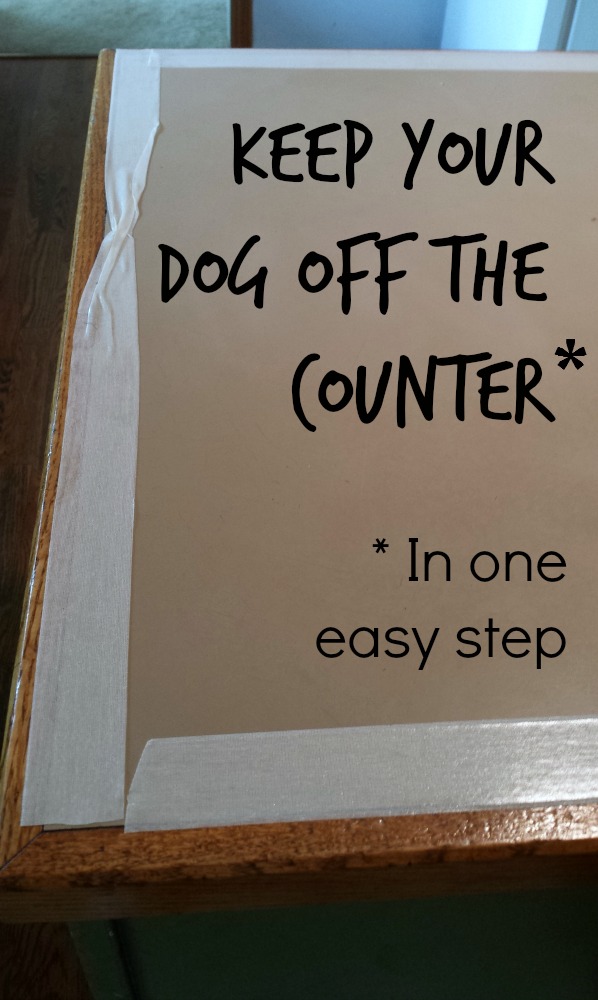
Image Source: www.makesomethingdaily.com
Ultimate Guide: How To Keep Dog Out Of Kitchen Space
To keep your dog out of the kitchen, you can use physical barriers like gates, teach your dog clear boundary rules with positive training, and remove tempting items from the kitchen. Using a pet gate for kitchen areas is a simple first step. You can also use dog training kitchen boundaries to help your pet learn where they can and cannot go. This guide will show you many ways to stop dog from entering kitchen space.
Grasping Why Dogs Love the Kitchen
Dogs love the kitchen for many reasons. It is a place of wonder for them. Knowing why they go there helps you stop them.
Food Rewards
The kitchen is where food lives. Dogs smell food very well. Even tiny crumbs can smell good to them. They learn that good things often drop on the floor here. They might even get a treat if they beg nicely. This makes them want to stay near.
Attention and Excitement
When you cook, you are busy. Your dog might want your attention. They see you moving around. They hear sounds like dishes clanking. This can be exciting for them. They might come in just to be near you. They want to be part of the action.
Smell Appeal
Our kitchens have many smells. Food smells are strong. But also spills, garbage cans, and dirty dishes. These smells are like a big puzzle for dogs. They want to sniff everything. Their nose tells them a lot about the world. The kitchen is a very rich place for smells.
Habit Formation
If you have always let your dog into the kitchen, it becomes a habit. Dogs like routines. They learn that the kitchen is a normal place for them to be. It can be hard to break an old habit. But it is possible with new rules.
Barrier Solutions: Physical Ways to Block Access
Physical barriers are a very good first step. They make it impossible for your dog to go into the kitchen. This helps them learn the rule. It keeps them safe when you cannot watch them.
Choosing the Right Pet Gate for Kitchen
A pet gate for kitchen doorways is a simple and effective tool. You need to pick the right one. Gates come in different types and sizes.
Types of Gates
- Pressure-Mounted Gates: These gates push against the door frame. They are easy to set up. You do not need to drill holes. They are good for spaces that do not need a lot of strength. They are best for dogs that will not push hard on the gate.
- Hardware-Mounted Gates: These gates screw into the wall or door frame. They are very strong and secure. They are best for active dogs. They are also good for large dogs. They are very safe.
- Freestanding Gates: These gates stand on their own. They do not attach to walls. They are easy to move. They work well for small dogs. They are also good for spaces that are too wide for regular gates. They are not as secure as other types. A strong dog can push them.
Gate Features to Look For
- Height: Choose a gate taller than your dog. It should be high enough so your dog cannot jump over it.
- Width: Make sure the gate fits your doorway. Some gates can be wider. Some have extensions.
- Material: Gates can be wood, metal, or plastic. Metal gates are strong. Wood gates can look nice. Plastic gates are light.
- Door: Some gates have a small door that you can walk through. This is very handy. You do not have to step over the gate every time.
Other Barrier Solutions Dog Kitchen
Besides gates, other barrier solutions dog kitchen access exist. These can be temporary or more permanent.
- Temporary Blockades: You can use large pieces of cardboard. Or you can move furniture to block the path. This works if you only need to block the space for a short time. For example, when you are cooking a big meal.
- Door Closures: If your kitchen has a door, simply closing it is the easiest solution. Make sure everyone in your home knows to keep it closed. This is the simplest stop dog from entering kitchen method.
Here is a table to help you choose a gate:
| Gate Type | Pros | Cons | Best For |
|---|---|---|---|
| Pressure-Mounted | Easy to install, no drilling | Can be pushed over by strong dogs | Small to medium dogs, temporary use |
| Hardware-Mounted | Very secure, very strong | Requires drilling, harder to move | Large dogs, escape artists, long-term use |
| Freestanding | Easy to move, no installation | Can be pushed over, not very secure | Small dogs, quick temporary blocking |
| Extra Tall / Wide | Good for jumpers, wide openings | Can be bulky, more expensive | Tall dogs, wide doorways |
| Gate with Pet Door | Lets cats or small pets through | Dogs might learn to open the pet door | Multi-pet homes, specific pet access needs |
Teaching Boundaries: Dog Training Kitchen Boundaries
Physical barriers are great. But teaching your dog rules is even better. This is called dog training kitchen boundaries. It helps your dog learn to stay out even when there is no gate.
Start Early, Be Consistent
Start training as soon as you can. It is easier to teach a puppy than an old dog. But any dog can learn. The most important thing is to be consistent. Always use the same rules. Everyone in your house must follow them. If one person lets the dog in, it confuses the dog.
Using a “Stay” or “Place” Command
Teach your dog a “stay” or “place” command. This means they go to a specific spot and stay there. This spot should be outside the kitchen.
- Choose a “place”: This can be their bed, a mat, or a crate. It must be a comfy spot just outside the kitchen.
- Teach the command: Lead your dog to their spot. Say “place” or “bed.” When they go there, give them a treat.
- Practice “stay”: Once they are on their “place,” say “stay.” Start with very short times. Slowly make the time longer. Reward them for staying.
- Use it for kitchen time: When you go into the kitchen, tell your dog “place.” Reward them for staying there.
Positive Reinforcement Kitchen Training Dog
Positive reinforcement kitchen training dog behavior works best. This means you reward good behavior. You do not punish bad behavior. Punishment can make your dog scared or confused.
Rewarding Good Behavior
- Give treats: When your dog stays out of the kitchen, give them a tasty treat.
- Use praise: Tell them “Good dog!” in a happy voice.
- Give toys: Offer their favorite toy.
- Play games: A quick game of fetch can be a great reward.
Do this every time they follow the rule. They will learn that staying out of the kitchen brings good things.
Ignoring Bad Behavior
If your dog tries to sneak in, do not yell. Do not chase them. Just ignore them. Walk them gently back out of the kitchen. Do not give them attention for being in the wrong place. Give attention only when they are in the right place.
Leash Training for Kitchen Rules
A leash can be a helpful training tool.
- On-leash practice: Put your dog on a leash. Walk toward the kitchen. As you get near the doorway, say your “off-limits” word (like “kitchen off”).
- Stop them: If they try to go in, gently pull back on the leash. Do not let them cross the line.
- Reward: When they stay outside the line, even for a moment, praise them and give a treat.
- Repeat: Practice this often. Make the training sessions short and fun.
Teaching Dog Kitchen Rules
Teaching dog kitchen rules clearly is key. Your dog needs to know what “out of bounds” means.
“Off-Limits” Command
Pick a word or phrase that means “do not enter.” It could be “kitchen off,” “boundary,” or “wait.”
- Mark the line: Stand at the kitchen entrance. Use a clear line, like tape on the floor. This helps your dog see the boundary.
- Say the word: As your dog gets near the line, say “kitchen off.”
- Block their path: If they try to cross, gently block them with your body. Do not push them.
- Reward for stopping: When they stop before the line, even for a second, give praise and a treat.
- Gradual steps: Slowly move further into the kitchen. Have your dog stay outside the line. Increase the time they must stay out.
Gradual Expansion
Once your dog respects the boundary when you are right there, start to make it harder.
- Small steps away: Stand a few feet from the kitchen entrance. Tell your dog “kitchen off.”
- Increase distance: Go to another room for a second. Come back and check. If your dog stayed out, reward them.
- Longer times: Slowly increase the time you are out of sight.
- Different distractions: Practice when you are cooking. Practice when guests are over. The goal is for your dog to obey no matter what.
Deterrents: Making the Kitchen Less Appealing
Sometimes, training needs a little help. Deterrents make the kitchen less fun for your dog. They are not meant to harm your dog. They just make the kitchen a less inviting place.
Sound Deterrents
- Motion-activated alarms: These devices make a high-pitched sound. It is often too high for humans to hear well. But dogs can hear it. The sound goes off when your dog gets too close. It surprises them. This makes them want to stay away.
- Bell on string: You can hang bells on a string across the doorway. When your dog pushes through, the bells ring. This noise can make them hesitate. It is a simple, cheap way to warn them.
Scent-Based Options: Deterrent Sprays for Dogs Kitchen
Some smells dogs do not like. These can be used as deterrent sprays for dogs kitchen surfaces.
Natural Sprays (Citrus, Vinegar)
- Citrus: Dogs often dislike the smell of citrus fruits like lemon, orange, or grapefruit. You can mix citrus juice with water in a spray bottle. Spray it on kitchen floors or cabinet edges.
- Vinegar: White vinegar has a strong smell that many dogs avoid. Mix it with water. Spray it on problem areas.
Important: Always test a small, hidden spot first. Make sure the spray does not stain your floors or furniture. Do not spray these directly on your dog.
Commercial Sprays (Bitter Apple)
There are many special sprays for dogs. A popular one is “bitter apple.” It tastes very bad to dogs.
- How it works: When a dog licks a surface sprayed with it, they get a bad taste. This teaches them not to lick or chew that spot.
- How to use: Spray it on items your dog chews. Or spray it near the kitchen entrance. This makes the kitchen less appealing to lick or sniff.
Caution: Read the labels carefully for any commercial spray. Make sure it is safe for pets.
How to Use Them Safely
- Spot test: Always test sprays on a small hidden area first. This checks for discoloration or damage.
- Do not spray on food: Never spray deterrents on food or dishes.
- Consistency: Reapply sprays often. The smell fades over time.
- Combine with training: Deterrents work best with training. They are a tool to help, not the only solution.
Motion-Activated Devices
Beyond sound, some devices use air bursts.
* Compressed air canisters: Some tools use a motion sensor. When your dog walks past, they let out a short burst of compressed air. This is harmless. But it makes a hissing sound that startles the dog. It makes them not want to go near that spot again. These are very effective for quick training.
Dog Proofing Kitchen: Removing Temptations
The best way to keep a dog out is to remove what they want. This is called dog proofing kitchen spaces. Make the kitchen boring to your dog.
Secure All Food Items
Food is the biggest draw.
- Put food away: Do not leave food on counters. Put all snacks and ingredients in cabinets or the pantry.
- Use airtight containers: If your dog can smell food through a box, they will try to get it. Use sealed containers.
- Pet food storage: Keep your dog’s own food in a secure bin. Make sure it is not in the kitchen if possible.
Keep Counters Clear
A clear counter means no tempting treats.
- Wipe crumbs: After cooking, wipe down counters. Even tiny crumbs can call a dog.
- No dirty dishes: Do not leave dirty dishes in the sink. Leftover food is a huge magnet.
- Put away utensils: Spoons with food residue are very tempting.
Lock Trash Cans
Trash cans are a treasure chest for dogs. They hold old food.
- Lidded cans: Use a trash can with a tight-fitting lid.
- Secure lids: Some lids have latches or pedals that are hard for dogs to open.
- Keep in a cabinet: Store your trash can inside a closed cabinet. This makes it impossible to reach.
Clean Spills Right Away
Even a small spill can draw a dog in.
- Quick cleanup: Mop up any spilled food or drink right away.
- Use pet-safe cleaners: Make sure your cleaners are safe if your dog licks the spot.
Put Away Dirty Dishes
Dirty dishes are like an open buffet for dogs.
- Load dishwasher: Put dishes straight into the dishwasher.
- Rinse thoroughly: If you cannot load them right away, rinse them well. This removes most food smells.
- Soak in sink: If you must leave them, fill the sink with water. This makes them less inviting.
Managing Dog Behavioral Issues Kitchen Entry
Sometimes, kitchen entry is part of bigger dog behavioral issues kitchen related or not. It is good to know what these might be.
Foraging for Food
Most times, dogs go into the kitchen for food. They might be hungry or just opportunistic.
* Check feeding schedule: Are you feeding your dog enough? Are meals spaced out well?
* High-value treats: Make sure your dog knows that good treats come from you, not the floor.
Attention Seeking
Some dogs go into the kitchen to get your attention. Even negative attention is attention.
* Ignore bad behavior: As mentioned before, do not give attention for being in the kitchen.
* Reward good behavior: Give lots of attention when they are in their “place” or following rules.
Separation Anxiety
If your dog only goes into the kitchen when you leave, it could be anxiety. They might be looking for you or comfort.
* Crate training: A comfy crate can be a safe place when you are away.
* Calming aids: Talk to your vet about calming treats or diffusers.
* Professional help: If anxiety is severe, talk to a vet or a dog behaviorist.
When to Seek Professional Help
If you have tried everything and your dog still gets into the kitchen, a pro can help.
* Veterinarian: Rule out any health problems. Pain or other issues can change behavior.
* Certified Professional Dog Trainer (CPDT): A trainer can watch your dog. They can give you a custom plan. They can teach you new ways to train your dog.
* Veterinary Behaviorist (Dip ACVB): These are vets with extra training in animal behavior. They can help with very tough behavior problems.
Daily Managing Dog in Kitchen Area Life
Managing dog in kitchen area activities needs daily effort. It becomes part of your routine.
Create a Safe Zone Outside the Kitchen
Give your dog a comfy, fun place to be while you are in the kitchen.
* Dog bed/crate: This is their “place.”
* Chew toys: Give them a long-lasting chew toy. This keeps them busy.
* Puzzle toys: Fill a Kong or other puzzle toy with treats. This makes them think and work.
Regular Exercise and Mental Stimulation
A tired dog is a good dog.
* Walks: Give your dog enough walks each day.
* Playtime: Play fetch or tug-of-war.
* Training games: Practice tricks or obedience commands. This tires their mind.
* Daily routine: A regular schedule helps dogs feel secure.
Feed Your Dog Away from the Kitchen
Do not feed your dog in the kitchen. This reinforces that food comes from the kitchen.
* Dining room/living room: Choose a spot away from the kitchen for their bowls.
* Consistency: Always feed them in the same spot.
Be Patient and Firm
Training takes time.
* Patience: Your dog will not learn overnight. There will be mistakes. Do not get angry.
* Firmness: Be clear about the rules. Do not let them get away with breaking the rules sometimes. This confuses them.
* Celebration: When they do well, celebrate. Make training a happy thing.
Troubleshooting: When Things Go Wrong
Even with the best plans, problems can pop up.
Dog Jumps Over Gate
- Get a taller gate: If your dog is jumping, the gate is too short.
- Use a hardware-mounted gate: These are more stable. They do not wobble when jumped on.
- Teach “off”: If your dog tries to jump, say “off” or “down.” Reward them for not jumping.
- Tire them out: A dog with too much energy will find ways to use it. More exercise helps.
Dog Ignores Commands
- Practice more: Your dog might not fully know the command yet. Practice in a quiet place first.
- Higher value treats: Is your treat good enough? Use something super yummy.
- Reduce distractions: Start training without distractions. Add them slowly.
- Seek pro help: A trainer can see what you are missing.
Dog Finds New Ways In
- Check for weak spots: Is there a gap they are squeezing through? Is the gate not quite right?
- Double up on barriers: Sometimes two barriers are needed for a very determined dog.
- Review proofing: Are there still tempting things left out? Your dog’s nose is very powerful.
- Change approach: If one method is not working, try another. Maybe training needs more focus, or a different type of barrier.
Final Thoughts on Keeping Your Kitchen Pet-Free
Keeping your dog out of the kitchen is a goal that can be reached. It needs effort, patience, and clear rules. Start with physical barriers like a good pet gate for kitchen. Then, use dog training kitchen boundaries with positive rewards. Make sure to dog proofing kitchen areas by removing all tempting items. If your dog has dog behavioral issues kitchen entry linked to, seek expert help. By consistently managing dog in kitchen area interactions and teaching dog kitchen rules, you will create a safer, cleaner kitchen for everyone. Remember to reward your dog for staying out. This makes the kitchen a non-issue. It helps your dog know their place in your home. And it means less stress for you.
Frequently Asked Questions (FAQ)
Can I use a shock collar to stop dog from entering kitchen?
No, using a shock collar to stop dog from entering kitchen is not recommended. Shock collars cause pain and fear. They can hurt your dog. They can also damage your dog’s trust in you. Positive training methods work much better. They build a good bond with your dog. They teach your dog what to do, not just what not to do.
How long does it take to teach a dog kitchen boundaries?
The time it takes varies for each dog. Some dogs learn very fast, in a few weeks. Others might take months. It depends on your dog’s age, how consistent you are, and how much they want to be in the kitchen. Young puppies often learn quicker. Older dogs with old habits might take longer. Keep training fun and short. Celebrate small wins.
Is it okay to never let my dog in the kitchen?
Yes, it is perfectly okay to never let your dog in the kitchen. Many people choose to do this for hygiene and safety. It is your home, and you set the rules. As long as your dog has enough space and comfort elsewhere, it is fine. It helps keep your kitchen clean and safe. It also stops your dog from getting into things they should not.
What if my dog is a puppy?
It is great to start training a puppy early. Puppies are like sponges. They soak up new rules fast.
* Puppy gates: Use a pet gate for kitchen areas from day one.
* Short training: Keep training sessions very short and fun.
* High rewards: Use tiny, tasty treats.
* Prevent mistakes: Do not let your puppy sneak in. This prevents bad habits from starting.
* Consistency: Everyone in the house must follow the same rules.