
Image Source: www.domino.com
Organize & Learn How To Store Cutting Boards In Kitchen
How do you store cutting boards in the kitchen? You can store cutting boards in many ways. Some good ways include using vertical organizers inside cabinets, placing them in dedicated slots on countertops, or hanging them on walls. What is the best way to store them? The best way depends on your kitchen size and how many boards you have. Always make sure to dry them well first to avoid damage. This guide will show you how to keep your cutting boards neat and safe. You will learn many smart ideas for your kitchen.
Why Good Cutting Board Storage Matters
Good storage for your cutting boards is very important. It is not just about keeping your kitchen tidy. It also helps your boards last longer. Poor storage can make boards warp or crack. It can also cause mold or germs to grow. This is bad for your health. Proper storage makes your kitchen work better. It keeps your boards ready to use. It helps you find them easily. It also frees up counter space.
Keeping Boards Clean
When boards are stored well, they stay clean. They do not get dusty or dirty. This is key for good food safety. Germs can grow on wet boards. Mold can also grow. Dry, clean storage stops this.
Making Boards Last Longer
Cutting boards can be expensive. You want them to last. Water and heat can hurt them. Storing them flat can also cause problems. This can trap water. It can lead to warping. Good storage helps preventing cutting board warping. It lets air flow around them. This keeps them in good shape for a long time.
Saving Space in Your Kitchen
Many kitchens are small. Every bit of space counts. Large cutting boards can take up much room. They can make your kitchen look messy. Good storage ideas help you save space. This is very true for space-saving cutting board storage. It keeps your kitchen neat and clear.
Getting Ready: Before You Store Your Boards
Before you put your cutting boards away, think about a few things. These steps help you pick the best storage spot. They also make sure your boards stay safe.
Know Your Board Types
Cutting boards come in many types. Each type needs a little different care.
- Wood Boards: These are classic. They look nice. But they soak up water. They can warp easily. They need good airflow. They must be very dry before storage.
- Bamboo Boards: Like wood, but harder. They also need to be very dry. They can split if not cared for.
- Plastic Boards: These are easy to clean. They do not warp as much. But they can hold knife marks. These marks can trap germs. Make sure they are clean and dry.
- Glass Boards: These do not get knife marks. They do not soak up water. But they can dull knives. They can be very slippery. Store them carefully so they do not break.
- Composite Boards: These are often made from paper or wood fibers. They are durable. They are less likely to warp than wood. They still need to be fully dry.
Size and Shape of Your Boards
Look at your boards. Are they big or small? Are they thick or thin? Some boards are very large. Others are small for tiny jobs. Their size affects where you can store them. Thick boards need wider slots. Thin boards can fit into smaller spaces. Think about how many boards you have, too.
Your Kitchen’s Layout and Space
Walk around your kitchen. Where do you have extra space? Do you have many cabinets? Is your pantry big? Is there empty wall space? Do you have much counter space? Your kitchen’s design will guide your choices. Small kitchen cutting board solutions are often different from ideas for big kitchens.
Drying Cutting Boards Properly: A Key Step
This is the most important step for any cutting board. You must dry your boards very well. If you do not, bad things can happen. Your board can warp. It can crack. Mold and mildew can grow. This is bad for your health. It also ruins your board.
How to Clean Your Board
First, wash your board after each use. Use hot, soapy water. For wood or bamboo, wipe quickly. Do not let them soak. For plastic, you can use a bit more water. For all boards, rinse well.
How to Dry Your Board
After washing, dry your board right away.
- Towel Dry: Use a clean towel. Wipe both sides of the board. Get off as much water as you can.
- Air Dry: This is super important. Stand the board on its edge. Do not lay it flat. Air needs to reach all sides. Put it in a place with good airflow. A cutting board drying rack is perfect for this. It lets air move all around the board. This helps preventing cutting board warping.
- Time: Let it air dry for several hours. Or even overnight. Make sure it is bone dry. Touch it. Feel both sides. If it feels even a little damp, wait longer.
- Oil Wood Boards: If you have wood or bamboo boards, oil them often. This stops them from drying out too much. It keeps them from cracking. It also makes them resist water. Use food-grade mineral oil.
Important Note: Never put wood or bamboo boards in a dishwasher. The heat and water will damage them. They will warp, crack, or split.
Smart Storage Ideas for Your Kitchen
Now that your boards are clean and dry, let’s find them a home. There are many ways to store cutting boards. The best way depends on your kitchen. It also depends on how much space you have.
Kitchen Cabinet Cutting Board Storage
Cabinets are a great place to hide boards. They keep your kitchen looking tidy. They protect boards from dust. Kitchen cabinet cutting board storage is a popular choice.
Vertical Dividers Inside Cabinets
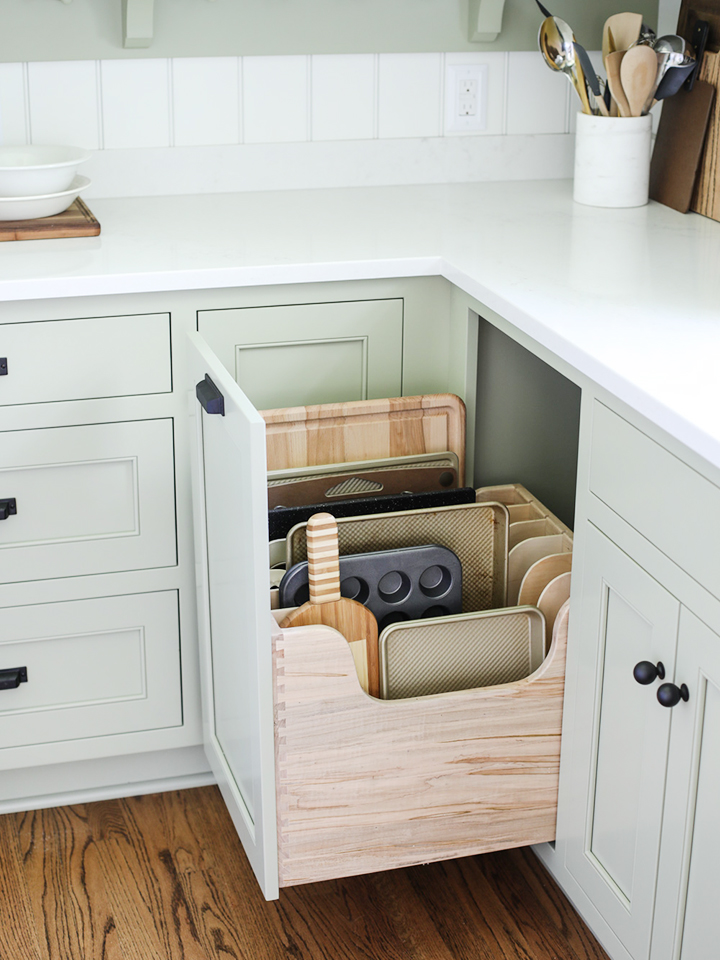
This is one of the best ways for vertical cutting board organization. You can add thin dividers inside a cabinet. These dividers stand up. They create narrow slots. You slide your boards into these slots.
- Why it works: Boards stand upright. This saves space. It lets air flow if boards are not totally dry. It also makes boards easy to grab. You do not have to lift a stack.
- How to do it:
- Built-in: Some new kitchens have these dividers.
- Aftermarket: You can buy wire racks or plastic dividers. They sit inside your cabinet.
- DIY: You can put thin pieces of wood or metal inside your cabinet. Screw them into place. Make sure they are sturdy.
- Best spot: Often, cabinets above the fridge or below the oven are good. Or a large, deep cabinet.
Pull-Out Cabinet Storage
Some cabinets have pull-out shelves or racks. These are very easy to use.
- Types:
- Full pull-out: A whole shelf slides out. You can put dividers on it.
- Pull-out spice racks: Some thin ones can hold small boards.
- Specialized pull-out units: Designed just for trays and boards.
- Benefits: You can see all your boards at once. No need to dig. Great for larger, heavier boards.
- Considerations: These often need professional installation. Or you need good DIY skills. They use a bit more space for the sliding mechanism.
Under-Sink Cabinet Options
The cabinet under your sink is often wasted space. But you can use it for boards.
- Drawer Dividers: Similar to inside-cabinet dividers. But these go into a large drawer under the sink.
- Door-mounted racks: You can attach a wire rack to the inside of the cabinet door. This is good for thin boards. It uses space that is usually empty. Just be sure the board does not hit the pipes.
- Keep it dry: Make sure this area is dry. Leaks can happen under sinks. A wet board will get moldy fast here.
Vertical Cutting Board Organization
Vertical cutting board organization is a game-changer. It is perfect for space-saving cutting board storage. Instead of stacking boards flat, you stand them up. This uses height, not width.
Door-Mounted Racks
These racks hang over a cabinet door. Or they screw into the back of a door.
- Benefits: Uses unused space. Boards are easy to see and grab. Good for thin, lighter boards.
- Types:
- Over-the-door hooks: Simple hooks for boards with handles.
- Wire basket racks: Have slots for boards.
- Clear plastic pockets: Good for very thin boards.
- Where to use: Inside a pantry door, a cabinet door, or even a laundry room door if kitchen space is super tight.
Inside-Cabinet Racks
These are small metal or plastic racks. They sit inside a cabinet. They hold boards upright.
- Benefits: Simple to use. No installation needed. They make small cabinet spaces work better.
- Placement: On the bottom shelf of a cabinet. Or even on a higher shelf if your boards are small.
- Good for: Any type of board, as long as it fits the rack’s width.
Freestanding Vertical Racks
These racks sit on your counter or inside a pantry. They do not need to be attached to anything. They are a good countertop cutting board holder if you have space.
- Styles:
- Wire racks: Simple, metal loops that hold boards upright.
- Wood blocks: Often have carved slots. Look nice.
- Decorative holders: Can be part of your kitchen decor.
- Pros: Very easy to use. Move them anywhere. Some look very stylish.
- Cons: Take up counter space. May look cluttered if you have many.
Pantry Cutting Board Ideas
If you have a pantry, use it! It’s a great place to keep boards out of the way. Pantry cutting board ideas focus on using shelves and doors.
On Shelves with Dividers
Just like in kitchen cabinets, you can add dividers to pantry shelves.
- Pros: Keeps boards neat. Uses existing shelf space.
- How to do it: Buy wire shelf dividers. Place them on a pantry shelf. Stand your boards between them. This helps keep them from falling over.
Hanging on Pantry Door
Similar to cabinet door racks, but on a larger scale.
- Types:
- Over-the-door organizers: Large ones with multiple pockets or shelves. Can hold several boards.
- Command hooks: For boards with a hole for hanging. Make sure the hooks are strong enough.
- Pegboard: Mount a pegboard to the inside of your pantry door. Use hooks to hang boards. This is very flexible.
Baskets or Bins
For smaller, lighter boards, you can use decorative baskets or bins.
- Method: Place a sturdy basket on a pantry shelf. Stand the boards upright inside it.
- Benefits: Easy to pull out. Keeps boards contained.
- Best for: Plastic boards or thin wooden boards.
Countertop Cutting Board Holder
A countertop cutting board holder can be both useful and pretty. It keeps your most used boards right where you need them.
Built-In Holders
Some kitchen designs have a slot built into the counter. Or a special spot next to the stove.
- Benefits: Very handy. Looks seamless.
- Considerations: Not common in all kitchens. Hard to add later.
Freestanding Holders
These are the most common type. They sit on your counter.
- Materials: Wood, metal, plastic, bamboo.
- Designs:
- Vertical slots: Holds boards upright, often side-by-side.
- Angled rests: Boards lean against a stand.
- Combination: Some hold boards and knives.
- Pros: Easy access. Boards are always ready. Can look like part of your decor.
- Cons: Takes up counter space. Can look messy if not tidy. Boards must be totally dry.
Maximizing Kitchen Space for Boards
No matter your kitchen size, there are ways to make the most of it. Maximizing kitchen space for boards often means thinking vertically or finding unused spots.
Wall-Mounted Solutions
If you have empty wall space, use it!
- Hooks: Simple hooks for boards with handles. Or you can add a loop to your board.
- Shelves with slots: Small, narrow shelves that have slots for boards.
- Magnetic strips: Strong magnetic strips can hold lighter metal or thin composite boards. Be careful with heavy boards.
- Pegboard: A sheet of pegboard on an empty wall is very flexible. You can move hooks around for different board sizes.
- Benefits: Keeps counters clear. Boards become part of the kitchen’s look.
- Considerations: Needs proper installation. Make sure it looks good.
Over-the-Sink Racks
Some racks fit over your kitchen sink. They are great for drying. Some can also store boards when dry.
- Benefits: Very space-saving. Uses a spot often left empty.
- Types: Roll-up racks, or rigid racks that sit on the sink edges.
- Dual use: Great as a cutting board drying rack and for storage.
Using Side of Fridge or Appliance
The sides of fridges or other large appliances are often overlooked.
- Magnetic hooks: Strong magnets can hold hooks. Hang boards with handles.
- Thin magnetic shelves: Some thin shelves stick to magnetic surfaces.
- Benefits: Uses otherwise empty space. No drilling needed.
- Considerations: Only works if the side is magnetic. Boards must be thin and light.
Clever DIY Storage Solutions
You do not need to buy fancy organizers. You can make your own. These are great for small kitchen cutting board solutions.
Simple Wood Dividers
Buy thin wood boards. Cut them to fit your cabinet. Screw them into the cabinet bottom and top. This makes simple vertical slots. This is a very cheap way for vertical cutting board organization.
Tension Rods
Use a few small tension rods inside a cabinet. Place them vertically. They will hold boards upright. This needs no tools. It is very easy.
Magazine Files
Yes, old magazine files! The sturdy cardboard or plastic ones. Stand them up inside a cabinet. Slide your boards into them. This works well for thinner boards.
Repurposed Dish Racks
An old dish drying rack can be a great cutting board drying rack and storage unit. Just make sure it is clean. Put it inside a cabinet or on a counter. Stand your boards where the plates would go.
Caring for Boards in Storage
Even when stored, boards need some care.
- Keep Dry: Always, always make sure boards are fully dry before putting them away. This stops mold and warping.
- Airflow: Even in storage, good airflow helps. Do not pack boards too tightly.
- Oiling Wood Boards: If you have wood boards, oil them every few weeks. This keeps them healthy. It protects them from cracking.
Mistakes to Avoid When Storing Boards
Sometimes, people make small mistakes that can ruin their boards.
- Storing Wet Boards: This is the biggest mistake. It leads to mold, germs, and warping. Always dry them completely.
- Laying Boards Flat: Stacking boards flat stops air from flowing. Water can get trapped. This is bad for wood boards especially. It causes preventing cutting board warping problems.
- Storing in Hot Places: Too much heat can dry out wood boards. They can crack.
- Storing in Very Cold Places: Cold can also harm wood. Keep them at room temperature.
- Too Much Clutter: Do not stuff boards into tight spaces. They need a little room.
Choosing the Right Storage for You
Think about these points to pick the best storage for your home.
- Your Boards: How many do you have? What sizes? What materials?
- Your Kitchen: How big is it? How much cabinet space? How much counter space?
- Your Habits: Do you use boards daily? Do you want them hidden or easy to grab?
- Your Budget: Are you willing to buy special organizers? Or do you prefer DIY?
By thinking about these, you can find the perfect cutting board drying rack and storage method. You can create the best space-saving cutting board storage for your home. You will be good at maximizing kitchen space for boards. And you will have beautiful, long-lasting cutting boards.
Frequently Asked Questions (FAQ)
Q1: Can I store cutting boards in a drawer?
Yes, you can store cutting boards in a drawer. Large, deep drawers work best. You can use drawer dividers to stand the boards on their edge. This keeps them neat. Make sure the boards are fully dry first.
Q2: How do you store large cutting boards?
Large cutting boards need more space. Vertical cutting board organization is often best for them. You can use:
* Tall, narrow cabinet slots.
* A sturdy freestanding countertop cutting board holder.
* Wall-mounted hooks or pegboards.
* The side of a pantry with an over-the-door rack.
Q3: Is it okay to stack cutting boards?
It is best not to stack cutting boards flat, especially wood or bamboo ones. Stacking them can trap moisture. This can cause mold or warping. If you must stack, make sure they are very dry. Put a small gap between them if you can. Standing them up is always better.
Q4: How do I keep my wood cutting board from warping?
Preventing cutting board warping is key for wood boards. Always drying cutting boards properly is the most important step.
1. Wash quickly. Do not soak.
2. Towel dry right away.
3. Air dry standing upright on edge. Use a cutting board drying rack.
4. Oil your board often with food-grade mineral oil. This helps seal the wood.
5. Do not put wood boards in the dishwasher.
Q5: Where can I put a cutting board if I have a very small kitchen?
Small kitchen cutting board solutions need clever thinking.
* Use vertical cutting board organization inside cabinets with dividers.
* Attach a thin rack to the inside of a cabinet door or pantry door.
* Hang boards on a wall with hooks.
* Use a small cutting board drying rack that doubles as storage on the counter.
* Look for narrow spaces between appliances.
Q6: Should cutting boards be stored flat or upright?
Cutting boards should always be stored upright. This allows air to flow around all sides. It helps them stay dry. It also helps preventing cutting board warping. Standing them up also uses less space. This is great for space-saving cutting board storage.
Q7: Can I store a cutting board next to the stove?
You can store a cutting board near the stove if it is fully dry. But avoid storing it directly next to a heat source. Heat can dry out and crack wood boards. It is better to store them a little away from direct heat.
Q8: How often should I clean my cutting board?
Clean your cutting board after every use, especially after cutting raw meat or fish. This stops germs from spreading. For wood boards, also oil them regularly. This keeps them in good shape.