
How much does an island cost for a kitchen? A kitchen island can cost anywhere from $100 for a small, simple portable cart to over $10,000 for a large, custom-built island with high-end features like a sink, cooktop, and luxury materials. Most homeowners spend between $2,000 and $7,000 for an installed kitchen island. This wide kitchen island price range depends on its size, type, materials, and any special features you add. Knowing these costs helps you plan your budget. Let us look at what makes prices go up or down.
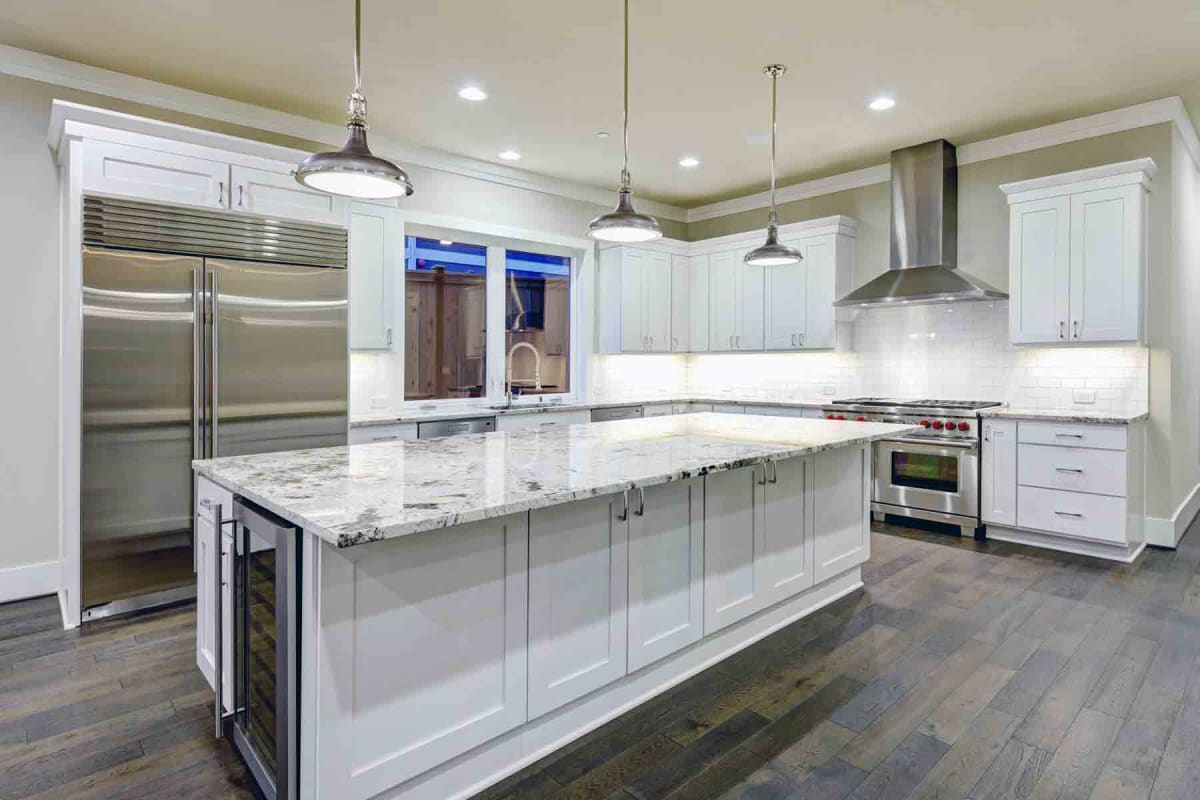
Image Source: res.cloudinary.com
Key Factors Shaping Kitchen Island Costs
Many things change the price of a kitchen island. These factors include how big it is and what kind of island you pick. The materials you use also play a big part. Special features like a sink or seating add to the cost. Finally, the work needed to put it in also costs money. Each choice you make impacts the final price.
Island Size and Type Matters
The size of your island greatly affects its cost. A small kitchen island cost much less than a large one. The type of island also changes the price. You can choose from pre-made, semi-custom, or fully custom islands.
- Small vs. Large: Small islands use fewer materials. They are easier to install. Large islands need more materials. They often need more work to put in.
- Ready-Made vs. Custom: Prebuilt kitchen island prices are usually lower. They are made in factories. Custom kitchen island cost more. They are made just for your kitchen. They fit your exact needs.
Materials Drive Up Costs
The materials used for your island’s base and top change the price a lot. High-end materials cost more. These materials for kitchen island cost are often the biggest part of the total.
- Countertops: Granite and quartz cost more than laminate. Wood can be cheap or expensive.
- Base Cabinets: Plywood cabinets are strong. They cost more than particle board. Fancy wood like cherry or maple costs more. Simple painted wood costs less.
Features and Functions Add Value
Adding special things to your island makes it more useful. But these features also add to the price. Think about what you truly need.
- Seating: A kitchen island with seating cost more. It needs a longer countertop. It may need special legs or a built-in table.
- Sinks and Appliances: A kitchen island with sink cost more. You need plumbing. You might need to move water lines. Adding a cooktop means gas or electric lines. This adds work and cost.
Labor and Installation Expenses
Putting an island in place takes work. This work costs money. The kitchen island installation cost varies. It depends on how complex the job is.
- Simple Install: A ready-made island is easy to set up. You might do it yourself.
- Complex Install: A custom island needs professional help. Adding plumbing or electric lines needs skilled workers. This raises the cost.
Grasping Kitchen Island Types and Their Prices
Different types of kitchen islands come at different price points. Your choice depends on your budget and what you want. Let us look at common types and what they cost.
Stock or Prebuilt Islands
Stock islands are ready-made. They come in standard sizes and styles. You can buy them at home improvement stores. These are the cheapest options. They are good if you want something simple and fast.
- Appearance: They look simple. Choices are limited.
- Customization: You cannot change much. What you see is what you get.
- Time: They are ready to take home or deliver quickly.
- Price: Prebuilt kitchen island prices range from $100 to $1,500. This depends on size and materials. A small portable island might be $100-$300. A larger one with a basic countertop might be $500-$1,500.
Semi-Custom Islands
Semi-custom islands offer more choices. You pick from set cabinet sizes. You can choose finishes and some features. They are a step up from stock islands. They offer a good mix of price and looks.
- Appearance: More styles and colors are available. They look more unique.
- Customization: You can pick cabinet types, drawer styles, and some accessories.
- Time: They take a few weeks to build.
- Price: Semi-custom islands usually cost between $1,500 and $4,000. This depends on the size and features chosen.
Custom-Built Islands
Custom islands are made just for you. A cabinet maker or designer creates them. They fit your kitchen perfectly. You pick every detail. This includes size, shape, materials, and features. These are the most expensive options.
- Appearance: They are one-of-a-kind. They match your kitchen exactly.
- Customization: Full control over design. You can add any feature you want.
- Time: They take many weeks or months to build.
- Price: Custom kitchen island cost can be from $4,000 to over $10,000. For very fancy designs, costs can go even higher. This price depends on many choices. It can include high-end wood, custom shapes, and many built-in features.
Portable Islands
Portable kitchen islands are small and on wheels. You can move them around your kitchen. They are good for small kitchens. They add counter space and storage without being permanent.
- Appearance: Simple, often like a cart.
- Customization: Very limited.
- Time: Buy and use right away.
- Price: Portable kitchen island prices are the lowest. They typically range from $100 to $700. Simple carts are cheaper. Butcher block tops or extra storage raise the price.
Here is a quick look at average price ranges for different island types:
| Island Type | Price Range (Estimated) | Notes |
|---|---|---|
| Portable | $100 – $700 | Small, mobile, basic materials. |
| Stock / Prebuilt | $500 – $1,500 | Ready-made, limited options. |
| Semi-Custom | $1,500 – $4,000 | More choices, better fit than stock. |
| Custom-Built | $4,000 – $10,000+ | Fully tailored, premium materials and features. |
Breaking Down Material Costs
The materials for kitchen island cost can be a huge part of your total budget. Choices for countertops and the island’s base cabinet vary widely in price. Let us look closer.
Countertop Choices
The top surface of your island is a key feature. It affects both how it looks and how much it costs.
- Laminate: This is the cheapest option. It is made of plastic glued to particleboard. It comes in many colors. It is easy to clean.
- Cost: $15 – $40 per square foot.
- Butcher Block: This is solid wood. It can be a great surface for food prep. It adds warmth to a kitchen. It needs regular oiling.
- Cost: $40 – $100 per square foot.
- Tile: Ceramic or porcelain tiles can be used. Grout lines can get dirty.
- Cost: $20 – $80 per square foot (material only, installation adds more).
- Solid Surface (e.g., Corian): This is made of acrylic plastic. It has no seams. It is easy to repair. It feels soft to the touch.
- Cost: $50 – $100 per square foot.
- Granite: This is natural stone. Each slab is unique. It is very strong and heat-resistant. It needs sealing each year.
- Cost: $60 – $150 per square foot.
- Quartz: This is engineered stone. It is made from natural quartz and resins. It is very hard and non-porous. It does not need sealing. Many colors are available.
- Cost: $70 – $180 per square foot.
- Marble: This is a luxury natural stone. It looks beautiful. It is softer than granite and can stain easily. It needs regular care.
- Cost: $75 – $200 per square foot.
- Concrete: This gives a modern, industrial look. It can be molded into any shape. It is heavy and needs sealing.
- Cost: $60 – $150 per square foot.
- Stainless Steel: This is very clean and lasts long. It is often seen in professional kitchens. It can show fingerprints.
- Cost: $75 – $200 per square foot.
Base Cabinet Materials
The base of your island holds storage and supports the countertop. Its material impacts the overall feel and durability.
- Particle Board (Melamine/Laminate Finish): This is the cheapest material. It is made from wood chips pressed together. It is not very strong. It can swell if it gets wet.
- Cost Impact: Low.
- MDF (Medium-Density Fiberboard): Better than particle board. It is smooth and good for painted finishes. It is dense but can also swell if wet.
- Cost Impact: Low to medium.
- Plywood: This is stronger and more stable than particle board or MDF. It handles moisture better. It is often used for higher quality cabinets.
- Cost Impact: Medium.
- Solid Wood: This is the best quality material. Woods like oak, maple, cherry, or birch are common. They are very strong and last a long time. They can be stained or painted.
- Cost Impact: High.
When you look at the materials for kitchen island cost, think about how you will use the island. Also, think about how long you want it to last.
Adding Special Features
Many homeowners add features to make their island more useful. These features add to the total cost. But they can make your kitchen better.
Islands with Seating
A kitchen island with seating cost depends on how many people it seats. It also depends on the design. A simple overhang for bar stools is common. It needs a deeper countertop. This adds to the countertop material cost. Sometimes, you need special supports for the overhang.
- Added Costs:
- Countertop Extension: More material is needed. This adds to the per-square-foot cost.
- Support Brackets: Often needed for overhangs over 10-12 inches. These can be hidden or decorative.
- Built-in Bench/Booth: A more complex design. This needs custom carpentry. It costs a lot more.
- Legs/Pedestals: If the seating area has legs, they add to the material and labor cost.
- Price Impact: Adding seating can add $200 to $1,000 or more. It depends on the size and complexity of the seating area.
Islands with Sinks
A kitchen island with sink cost involves more than just the sink itself. You need plumbing work. This can be complex if no water lines are near the island.
- Added Costs:
- Sink Unit: Cost of the sink itself (stainless steel, porcelain, etc.).
- Faucet: Cost of the faucet you choose.
- Plumbing Lines: Running new hot and cold water lines.
- Drainage: Setting up a drainpipe.
- Venting: Ensuring proper air flow in the drain system. This might mean adding a vent pipe.
- Labor: Plumbers charge by the hour. This work can take many hours.
- Disposal: If you add a garbage disposal, that is another cost.
- Price Impact: Adding a sink can add $1,000 to $3,000 or more. This includes the sink, faucet, and plumbing labor. If you need to break up the floor to run lines, costs go even higher.
Islands with Cooktops or Appliances
Adding a cooktop, dishwasher, or mini-fridge to your island makes it a workhorse. But these features require specific connections.
- Added Costs:
- Appliance Cost: The appliance itself (cooktop, microwave drawer, wine fridge, etc.).
- Electrical Wiring: Running new electrical circuits. A cooktop needs a dedicated high-voltage line.
- Gas Lines: If it is a gas cooktop, you need a gas line.
- Ventilation: A range hood or downdraft vent is needed for cooktops. This adds major cost for ductwork.
- Labor: Electricians and gas fitters charge for their specialized work.
- Price Impact: Adding a cooktop or other appliances can add $1,500 to $5,000+. This depends on the appliance and how much work is needed for lines and venting.
Other Features
- Storage Solutions: Pull-out shelves, custom drawers, or spice racks add to the cost. But they make the island more useful.
- Lighting: Pendant lights above the island add style and light. They need electrical wiring.
- Power Outlets: Useful for small appliances. These also need electrical wiring.
Decoding Kitchen Island Installation Cost
The cost to install a kitchen island can range from a few hundred dollars to several thousands. It depends heavily on the island type and features.
Simple Installation
If you buy a prebuilt island or a portable one, installation is often easy. You might even do it yourself.
- Cost: $0 – $300.
- Work: Unpack, set in place, maybe bolt to the floor. No major utility changes.
Standard Installation
This involves setting cabinets, attaching countertops, and basic trim. This is common for semi-custom islands.
- Cost: $300 – $1,000.
- Work: Leveling the base cabinets, securing them to the floor, attaching the countertop, and adding trim. If it is a large or heavy countertop, more people or special tools might be needed.
Complex Installation
This involves special trades. If your island has a sink, cooktop, or dishwasher, you need plumbers and electricians. If you move walls or re-route existing lines, costs go up.
- Plumbing Work:
- Running New Lines: If no existing water or drain lines are near, a plumber must run new ones. This could mean breaking up floors or walls.
- Connections: Connecting the sink, faucet, and drain.
- Cost: $500 – $2,000 or more.
- Electrical Work:
- New Circuits: Cooktops and other appliances need dedicated electrical circuits.
- Outlets: Adding outlets on the island needs wiring.
- Lighting: Wiring for pendant lights.
- Cost: $400 – $1,500 or more.
- Gas Line Work:
- Running New Line: If you have a gas cooktop and no gas line, a licensed gas fitter must install one.
- Cost: $300 – $1,000.
- Ventilation:
- Ductwork: If a downdraft vent or overhead hood is part of the island, ductwork needs to be installed. This can be complex, going through the floor, ceiling, or out a wall.
- Cost: $500 – $2,500 or more, depending on complexity.
- Demolition and Prep:
- Sometimes, old flooring or parts of the kitchen need to be removed to make space.
- Cost: Varies greatly.
The average kitchen island cost for installation alone can range from $500 for a simple setup to $3,000+ for a full feature island. Remember that licensed professionals charge more, but their work is safer and up to code. Always get multiple quotes for installation.
Projecting Your Total Spend
So, what is the average kitchen island cost? Putting all these pieces together, the total cost for a kitchen island can swing widely.
- Low End ($100 – $1,500): This covers portable kitchen island prices or basic prebuilt kitchen island prices. You get simple designs, standard materials (laminate or butcher block top, particle board base), and no extra features like sinks or cooktops. Installation is often DIY or very low cost.
- Mid-Range ($2,000 – $7,000): This is where most homeowners land. This range includes semi-custom islands. You can pick better materials like quartz or granite countertops. You might add some storage options or a basic kitchen island with seating cost. Installation involves a professional.
- High End ($7,000 – $10,000+): This is for a custom kitchen island cost. You use high-quality materials like premium wood bases, marble or high-grade quartz tops. This includes a kitchen island with sink cost, a cooktop, or other built-in appliances. Complex kitchen island installation cost, including plumbing, electrical, and ventilation, pushes the price up.
To get a clearer idea of your specific kitchen island price range, list out all the features you want. Then, get quotes from different suppliers and contractors.
Saving Money on Your Island
A kitchen island is a big investment. Here are ways to lower the cost:
- Go for Prebuilt or Portable: These are the cheapest options. Portable kitchen island prices are very low.
- Choose Simpler Materials: Laminate or basic butcher block for countertops saves money. Plywood or MDF for the base is cheaper than solid wood.
- Limit Features: Do you really need a sink or a cooktop in the island? If not, skip them. This greatly lowers your kitchen island with sink cost and electrical work.
- DIY Installation (if simple): If you are handy, you can install a basic prebuilt island yourself. This cuts down on kitchen island installation cost. Do not try complex work like plumbing unless you are trained.
- Look for Sales: Watch for sales on cabinets and countertops at home improvement stores.
- Use Stock Cabinets: For a semi-custom look, buy stock cabinets and add a custom countertop. This is cheaper than a full custom build.
- Repurpose Furniture: An old dresser or chest can become a unique island base. Just add a new top.
- Consider a Smaller Island: A small kitchen island cost much less. It still adds useful space.
Is a Kitchen Island Right for You?
A kitchen island can change how you use your kitchen. It offers more counter space. It adds storage. It can be a place for eating or gathering.
Think about your kitchen size. A large island in a small kitchen can make it feel crowded. Think about your needs. Do you cook a lot? Do you need more storage? Do you want a spot for quick meals?
An island can add great value and function to your home. By planning carefully and knowing the costs, you can get the perfect island for your budget.
Frequently Asked Questions (FAQ)
What is the typical size of a kitchen island?
Most kitchen islands are 2 to 3 feet deep. They are 4 to 10 feet long. You need at least 36 inches of clear space around the island. This allows people to walk around easily.
Can I add an island to any kitchen?
No. Your kitchen needs enough space. You need room for pathways around the island. For an island with features like a sink or cooktop, you need easy access for plumbing and electrical lines.
How long does it take to install a kitchen island?
A simple, prebuilt island can be installed in a few hours. A custom island with complex features can take days or weeks. This includes planning, building, and installation.
Do I need a permit for a kitchen island?
You might need a permit. This is true if you add plumbing, electrical, or gas lines. Check with your local building department. Getting a permit keeps your project safe and up to code.
What is the most durable countertop for a kitchen island?
Quartz and granite are very durable. They resist scratches and heat well. Stainless steel is also very strong and clean. Each has its own look and care needs.
Can I buy a small kitchen island with seating?
Yes, you can find small kitchen island with seating options. These often have a pull-out or fold-down leaf. They might have a small overhang for one or two stools. These are great for small spaces.
Is a portable kitchen island worth it?
Yes, a portable kitchen island can be worth it. It is much cheaper than a built-in island. It adds flexibility. You can move it where you need it. It is great for small kitchens or for renters.
What is the difference between an average kitchen island cost and a custom kitchen island cost?
The average kitchen island cost is for standard, more common islands. This often means prebuilt or semi-custom options. A custom kitchen island cost is much higher. This is because it is designed just for you. It uses specific materials and features. It often needs more skilled labor to build and install.