
Can you put out a kitchen fire with water? Generally, no, especially if it’s a grease fire. Water can spread the flames and make the situation much worse. Knowing how to react quickly and correctly is vital for kitchen fire safety. This guide will walk you through the steps for cooking fire prevention and what to do if a fire starts. We’ll cover stove fire situations, grease fire management, and effective fire extinguisher use.
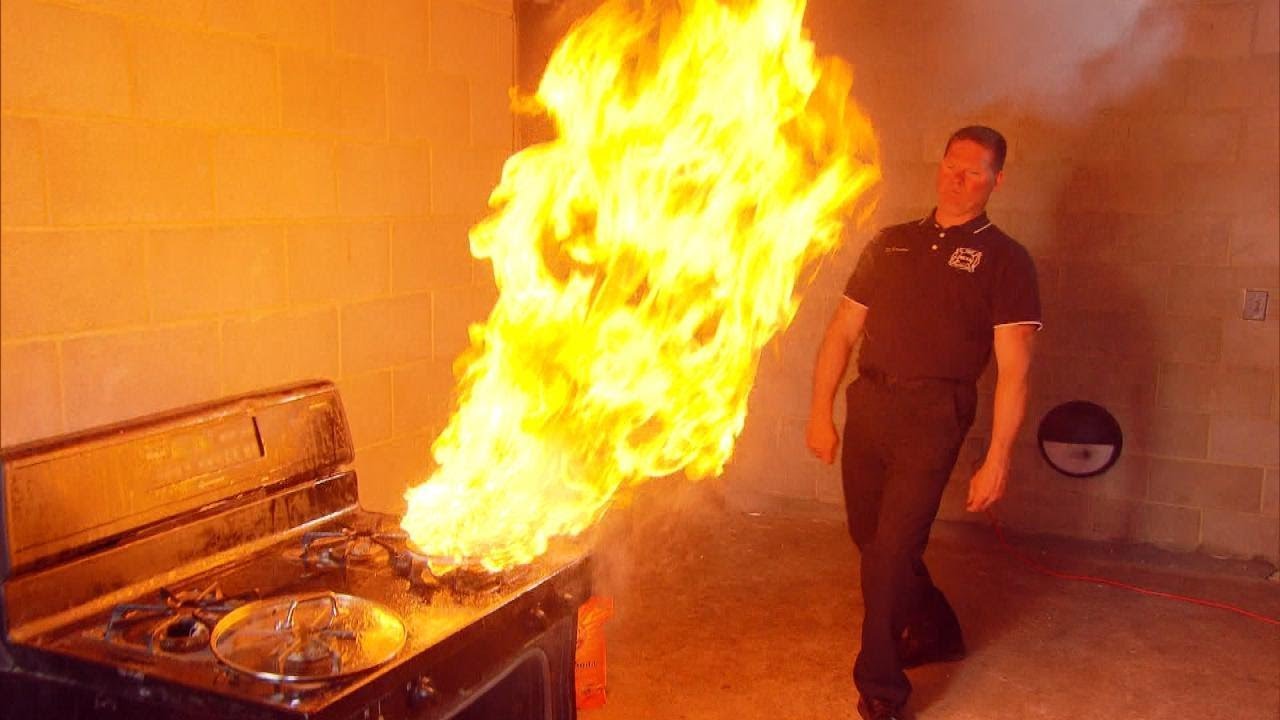
Image Source: i.ytimg.com
Immediate Actions for a Kitchen Fire
When a fire erupts in your kitchen, your first instinct might be panic, but staying calm and acting decisively is key. Remember the mnemonic PASS for fire extinguisher use: Pull the pin, Aim low at the base of the fire, Squeeze the handle, and Sweep the nozzle side to side.
Here’s a breakdown of immediate steps:
- Stay Calm: Take a deep breath. Panicking won’t help.
- Assess the Situation: Is the fire small and contained? Or is it spreading rapidly?
- Alert Others: Shout “Fire!” to alert anyone else in the house.
- Evacuate if Necessary: If the fire is large or spreading quickly, evacuate everyone immediately and call the fire department from a safe location. Don’t try to be a hero if the fire is out of control.
- If Safe to Fight, Act Quickly: For small, contained fires, take action.
Dealing with a Stove Fire
A stove fire is one of the most common kitchen emergencies. Most often, these are grease fires that start when cooking oil overheats.
Smothering a Pan Fire: Your First Line of Defense
The primary method for smothering flames in a pan is to cut off the oxygen supply. This is the safest way to handle a small grease fire.
- Turn Off the Heat Source: If it’s safe to reach the stove controls, turn off the burner. Never try to move a burning pan.
- Cover the Flames:
- Metal Lid or Baking Sheet: Slide a metal lid or a flat baking sheet over the pan. This will smother the flames by blocking oxygen. Leave the lid on until the pan is completely cool.
- Damp Cloth (Non-Synthetic): For very small fires, a damp (not dripping wet) natural fiber cloth (like cotton) can be used to smothering flames. Be very careful not to splash.
What NOT to Do for a Grease Fire
- NEVER Use Water: This is the most critical rule. Water will vaporize instantly when it hits hot grease, creating a steam explosion that throws burning grease everywhere. This will spread the fire dramatically.
- NEVER Use Flour or Sugar: These are flammable and can explode or intensify the fire.
- NEVER Try to Carry the Burning Pan: You risk dropping it and spreading the fire.
Using Baking Soda for Small Fires
Baking soda fire suppression is a safe and effective method for small grease fires. Baking soda releases carbon dioxide when heated, which helps to displace oxygen and extinguish the flames.
- When to Use Baking Soda: This works best on very small fires that are just starting.
- How to Use Baking Soda: Dump large amounts of baking soda directly onto the flames. You’ll need more than you think. A small amount won’t do much.
When to Reach for a Fire Extinguisher
If the fire is too large for baking soda or smothering a pan fire, and you have a suitable fire extinguisher, use it.
Types of Kitchen Fire Extinguishers
Not all fire extinguishers are created equal. For kitchens, you typically need an extinguisher rated for Class B (flammable liquids) and Class C (electrical) fires, and ideally Class K (cooking oils and fats). Many home kitchen extinguishers are ABC rated.
- Class A: Ordinary combustibles (wood, paper, cloth).
- Class B: Flammable liquids (grease, oil, gasoline).
- Class C: Electrical equipment.
- Class K: Cooking oils and fats (found in commercial kitchens, but beneficial for homes with frequent deep frying).
Proper Fire Extinguisher Use
- Pull the Pin: This breaks the tamper seal and allows you to discharge the extinguisher.
- Aim Low: Aim the nozzle or hose at the base of the fire. This is where the fuel is.
- Squeeze the Handle: This releases the extinguishing agent.
- Sweep Side to Side: Move the nozzle back and forth, covering the base of the fire until it appears to be out.
- Watch for Re-ignition: Keep an eye on the area for a few minutes to ensure the fire doesn’t flare up again.
Important Note: Only attempt to fight a fire if it is small, contained, and you have a clear escape route. If you have any doubt, evacuate and call emergency services.
Cooking Fire Prevention: Best Practices
The best way to handle a kitchen fire is to prevent it from happening in the first place. Implementing strong kitchen fire safety tips can significantly reduce your risk.
Safe Cooking Habits
- Stay in the Kitchen: Never leave cooking food unattended, especially when frying, grilling, or broiling. If you must leave the kitchen, even for a moment, turn off the stove.
- Keep Flammables Away from Heat: Keep oven mitts, wooden utensils, paper or plastic bags, towels, and food packaging away from the stovetop.
- Watch What You Heat: Be mindful of what you are cooking. Overheating oil is a primary cause of grease fires.
- Don’t Cook When Tired or Impaired: Avoid cooking if you are drowsy, have consumed alcohol, or are taking medications that make you sleepy.
- Child Safety: Keep children at a safe distance from the stove and hot food. Consider using back burners and turning pot handles inward.
- Cleanliness: Regularly clean stovetops, ovens, and exhaust hoods to prevent grease buildup, which can ignite.
Appliance Safety
- Microwave Safety:
- Use only microwave-safe containers.
- Never put metal or aluminum foil in the microwave.
- If a microwave fire occurs, keep the door closed and unplug the appliance.
- Oven Safety:
- Keep the oven clean.
- Use the self-cleaning feature with caution, ensuring the oven is free of excessive grease buildup before starting.
- If an oven fire occurs, turn off the heat and keep the door closed.
- Toaster and Toaster Oven Safety:
- Unplug them when not in use.
- Clean out crumbs regularly.
- Never put anything metallic into a toaster.
Emergency Fire Procedure: What to Do Next
Beyond extinguishing the fire, having a clear emergency fire procedure is crucial for the safety of everyone in your household.
After the Fire is Out
- Call the Fire Department: Even if you believe you’ve extinguished the fire, it’s wise to call the fire department. They can ensure the fire is truly out and check for any hidden embers or potential reignition.
- Ventilate: Once it’s safe, open windows to air out the smoke and fumes.
- Assess Damage: Carefully assess any damage and contact your insurance company if necessary.
- Check Fire Extinguishers: If you used a fire extinguisher, it needs to be recharged or replaced.
Smoke Alarms and Fire Extinguishers
- Working Smoke Alarms: Ensure you have working smoke alarms on every level of your home, inside bedrooms, and outside sleeping areas. Test them monthly and replace batteries at least once a year.
- Accessible Fire Extinguishers: Keep at least one fire extinguisher in your kitchen. Ensure it’s accessible and that everyone in the household knows where it is and how to use it.
Specific Scenarios and Solutions
Let’s delve into some specific kitchen fire scenarios and the best ways to handle them.
Scenario 1: Greasy Splatters on the Stove
- The Fire: Small flames erupt from food splattering onto a hot burner.
- How to Act:
- DO NOT PANIC.
- Turn off the burner immediately if safe to do so.
- If the flames are small and confined to the burner or a small pot, try smothering a pan fire by sliding a metal lid or baking sheet over it.
- If it’s a very minor flare-up and you have no lid, a large amount of baking soda fire agent can be used.
Scenario 2: Overheated Oil in a Pan
- The Fire: The oil in a frying pan starts to smoke heavily and then ignites. This is a classic grease fire.
- How to Act:
- Immediately turn off the heat.
- DO NOT move the pan.
- Smother the flames by carefully sliding a metal lid or baking sheet over the pan. Ensure it’s a snug fit to cut off all oxygen.
- If the fire is growing rapidly or has spread beyond the pan, evacuate immediately and call 911.
- If you have a Class K or ABC fire extinguisher, and it’s safe to use, aim at the base of the flames and sweep.
Scenario 3: Fire in the Oven
- The Fire: Smoke or flames are seen coming from the oven.
- How to Act:
- Keep the oven door CLOSED. This contains the fire and cuts off oxygen.
- Turn off the oven.
- If the fire doesn’t go out on its own, or if smoke continues to fill the kitchen, evacuate and call the fire department.
Scenario 4: Fire in the Microwave
- The Fire: Sparks or flames are visible inside the microwave.
- How to Act:
- KEEP THE MICROWAVE DOOR CLOSED.
- Unplug the microwave if it is safe to do so.
- Allow the fire to extinguish itself within the closed appliance.
- If smoke and flames continue to be a problem, evacuate and call the fire department.
Table: Fire Response Summary
| Fire Type | Best Action | What NOT to Do |
|---|---|---|
| Grease Fire (Pan) | Turn off heat, smother flames with metal lid/baking sheet, or dump baking soda fire agent. | Use water, flour, sugar, or try to move the pan. |
| Grease Fire (Larger) | Evacuate, call 911. Use ABC or Class K fire extinguisher if safe. | |
| Oven Fire | Keep door closed, turn off heat. Wait for fire to extinguish. Evacuate if needed. | Open the oven door, use water. |
| Microwave Fire | Keep door closed, unplug. Wait for fire to extinguish. Evacuate if needed. | Open the microwave door, use water. |
| Electrical Appliance Fire | Unplug appliance if safe, use ABC fire extinguisher. Evacuate if needed. | Use water. |
| General Kitchen Fire | Prioritize evacuation. Call 911. Use appropriate fire extinguisher. |
Advanced Kitchen Fire Safety Tips
Beyond the basics, consider these advanced strategies for enhanced kitchen fire safety.
Fire-Resistant Materials
- Kitchen Curtains and Towels: Opt for flame-retardant materials or keep them well away from the stovetop.
- Appliances: Ensure your appliances are in good working order and are properly maintained.
Home Fire Safety Plan
- Practice Evacuation: Conduct regular fire drills with your family. Everyone should know two ways out of every room and have a designated meeting spot outside.
- Emergency Contacts: Keep a list of emergency contact numbers, including the fire department, readily available.
Fire Extinguisher Maintenance
- Regular Checks: Most home fire extinguishers need to be checked monthly to ensure the pressure gauge is in the green zone and the pin is in place.
- Expiration Dates: Fire extinguishers have expiration dates. Replace them when they expire or if they appear damaged.
- Location: Keep your kitchen fire extinguisher in an easily accessible location, away from potential fire sources.
Frequently Asked Questions (FAQ)
Q1: What is the first thing I should do if my kitchen pan catches fire?
A1: The very first thing you should do is stay calm and turn off the heat source if it’s safe to do so. Then, try to smother the flames with a metal lid or baking sheet.
Q2: Can I use a wet towel to put out a grease fire?
A2: You can use a damp (not dripping wet) natural fiber towel for very small grease fires, but it’s riskier than a lid or baking soda. A wet towel can slosh burning grease. Always prioritize a lid or baking soda.
Q3: How often should I test my smoke alarms?
A3: You should test your smoke alarms every month.
Q4: What kind of fire extinguisher is best for a kitchen?
A4: A multi-purpose dry chemical extinguisher rated ABC or a Class K extinguisher is best for kitchens.
Q5: If the fire is small, do I still need to call the fire department?
A5: Yes, it’s always a good idea to call the fire department after extinguishing a kitchen fire, even if it seems small. They can ensure it’s completely out and check for any hidden dangers.
By following these kitchen fire safety tips and understanding the correct procedures for smothering flames and fire extinguisher use, you can significantly improve your family’s safety and be prepared for any unexpected cooking fire prevention challenge. Remember, preparation and quick, informed action are your best defenses.