
Can you separate a kitchen and living room in an open concept layout? Yes, you absolutely can! Even in an open concept layout, there are many smart and stylish ways to create distinct zones for your kitchen and living room. This guide will walk you through various room divider ideas and space defining strategies to achieve a harmonious and functional separation. Whether you have a large open space or a compact apartment, these open concept layout solutions can transform your home.
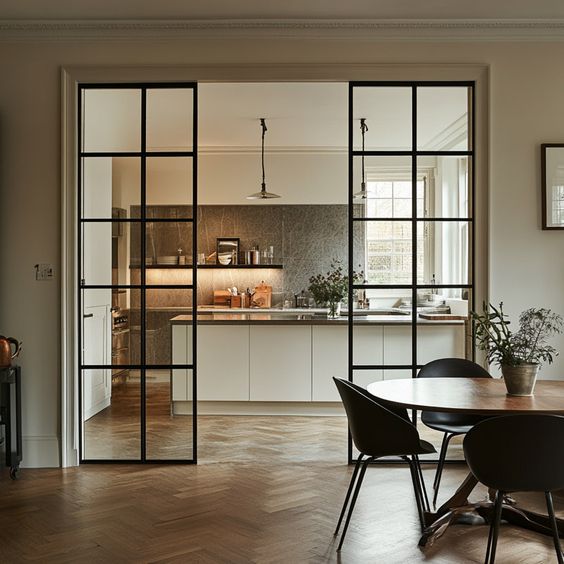
Image Source: andorwillow.com
Why Separate Kitchen and Living Room Spaces?
In today’s popular open concept layout, the lines between cooking, dining, and lounging can often blur. While this design fosters a sense of togetherness and spaciousness, it can sometimes lead to a lack of definition and privacy. Here are some key reasons why separating your kitchen and living room is a good idea:
- Defining Zones: Clearly demarcating where the kitchen ends and the living room begins helps create a more organized and intentional feel in your home. This makes each space more functional for its intended purpose.
- Reducing Noise and Smells: Cooking can generate noise from appliances and smells that you might not want drifting into your relaxation space. Separation helps contain these elements.
- Creating Privacy: If you’re entertaining guests, having a visual buffer can provide a sense of privacy for both the cook and those in the living area.
- Aesthetic Appeal: A well-designed separation can add architectural interest and a stylish focal point to your home.
- Organization: Clear boundaries can make it easier to keep each area tidy and dedicated to its function.
Smart & Stylish Room Divider Ideas
When it comes to creating distinct zones, the possibilities are vast. The best approach often involves a combination of visual separation techniques and thoughtful furniture placement for division. Let’s explore some of the most effective and attractive methods.
1. Furniture Placement for Division
Perhaps the simplest and most accessible way to separate your kitchen and living room is through strategic furniture arrangement. This method is particularly effective in apartment living room kitchen separation.
Utilizing Sofas and Sectionals
- Back to Back: Placing a sofa with its back facing the kitchen can create a clear visual break. This is an excellent way to anchor the living area.
- L-Shaped Sectionals: An L-shaped sectional can naturally define a corner of the living space, acting as a subtle barrier between the two areas.
- Console Tables Behind Sofas: A slim console table behind a sofa can serve as a surface for lamps, plants, or decorative items, further emphasizing the separation.
Bookshelves and Storage Units
- Open Shelving Units: These are fantastic room divider ideas as they offer storage while maintaining a sense of openness. They allow light to pass through and don’t feel as imposing as solid walls. You can style them with books, plants, and decorative objects.
- Tall Bookcases: A strategically placed tall bookcase can act as a significant visual divider, offering ample storage and a sense of structure.
- Modular Storage Systems: These systems offer flexibility and can be customized to fit your space, providing both division and integrated storage solutions.
Bar Seating and Kitchen Islands
- Kitchen Islands with Seating: A well-designed kitchen island with a breakfast bar or seating area is a classic solution for separating kitchen and living spaces. It provides a functional workspace and a casual dining spot, naturally creating a boundary.
- Peninsulas: Similar to islands, peninsulas extend from existing countertops and can effectively delineate the kitchen area without completely closing it off.
2. Stylish Partition Ideas
Beyond furniture, various stylish partition ideas can add character and functionality to your separation.
Freestanding Room Dividers
- Folding Screens: These are versatile and can be easily moved or folded away when not needed. They come in a wide range of styles, from woven natural materials to painted panels, adding a decorative touch.
- Decorative Panels: Think about stylish screens made of wood, metal, or even fabric. These can be artistic pieces in themselves.
- Macrame or Fabric Dividers: For a softer, more bohemian look, consider hanging fabric panels or macrame designs from the ceiling or a frame.
Shelving as Dividers
- Open-Backed Bookshelves: As mentioned earlier, these are excellent for allowing light and sightlines to pass through, preventing the space from feeling too closed off.
- Cube Storage Units: These can be configured in various ways to create a less solid, more permeable divider.
Decorative Screens and Grids
- Laser-Cut Metal Screens: These can be stunning focal points, offering intricate patterns that allow light and air to flow while providing a visual separation.
- Wooden Slatted Screens: The rhythmic pattern of wooden slats can create a sophisticated and contemporary divider.
- Trellis Panels: For a more natural or garden-inspired feel, trellis panels can be used, perhaps with climbing plants for added greenery.
3. Architectural Room Separation
For a more permanent and integrated solution, consider architectural elements.
Partial Walls and Bulkheads
- Half-Walls: A knee-high or waist-high wall can provide a sense of separation without blocking views or light. These can also incorporate shelving or seating.
- Bulkheads: Lowering the ceiling in one area, like the kitchen, can subtly define it as a separate zone. This is often done with integrated lighting.
Sliding Doors and Pocket Doors
- Glass Sliding Doors: These are ideal for maintaining an open feel when desired but offer privacy and sound reduction when closed. Frosted or patterned glass can enhance the visual separation.
- Barn Doors: These can add a rustic or industrial charm and are a stylish way to partition spaces when needed.
- Pocket Doors: These slide directly into the wall, offering a completely seamless solution when open.
Ceiling Treatments
- Drop Ceilings or Coffered Ceilings: Changing the ceiling height or design in one area can visually delineate it from another.
- Different Paint Colors or Textures: Painting the ceiling of the kitchen a different color or using a textured finish can subtly signal a change in space.
Flooring Transitions
- Change in Flooring Material: Using a different flooring material in the kitchen (e.g., tile) compared to the living room (e.g., hardwood or carpet) is a classic visual separation technique. This creates a clear visual and tactile boundary.
- Rugs: A large rug in the living room can define the seating area and separate it from the kitchen zone.
4. DIY Room Dividers
For those who enjoy a hands-on approach, DIY room dividers offer a creative and cost-effective way to achieve separation.
- Repurposed Doors: Old doors can be hinged together to create unique folding screens.
- Pallet Wood Dividers: With some creativity, pallet wood can be transformed into rustic and stylish room dividers.
- Fabric Panels on Frames: Build simple wooden frames and stretch fabric over them for lightweight, customizable dividers.
- Hanging Curtains: Heavy fabric curtains can be hung from ceiling tracks or curtain rods to create a dramatic and soft separation. This is particularly effective for apartment living room kitchen separation where permanent changes are not ideal.
- Plant Walls: Create a living divider with potted plants arranged on shelves or a tiered stand. This adds a fresh, natural element.
Considerations for Choosing Your Separation Method
When deciding which method to use, consider these factors:
Openness vs. Privacy
- Do you want a complete separation or just a visual hint? Open shelving and partial walls offer less privacy than sliding doors or full-height screens.
- How much light do you want to preserve? Solid dividers can block light, while open or translucent options allow it to flow.
Functionality and Flow
- How will the divider impact movement between spaces? Ensure there’s still easy access for daily activities.
- Does the divider offer any additional function? Storage from bookshelves or a surface from a peninsula adds utility.
Style and Aesthetics
- Does the divider complement your existing decor? The material, color, and style should harmonize with your overall design.
- What is the desired mood of each space? A sleek glass panel might suit a modern look, while a woven screen could suit a more bohemian or casual vibe.
Budget
- What is your allocated budget for this project? DIY options are often more budget-friendly than custom architectural solutions.
Space Constraints
- How much space do you have to work with? Large, bulky dividers might not be suitable for smaller apartments. Consider the scale of your chosen solution.
Table: Comparing Room Divider Types
| Divider Type | Pros | Cons | Best For |
|---|---|---|---|
| Furniture Placement | Easy, flexible, dual-purpose (seating/storage) | Can be less defined, might not offer complete visual separation | All spaces, especially apartments |
| Bookshelves/Shelving | Storage, allows light/airflow, visually appealing | Can still be somewhat see-through, requires styling | Creating open but defined zones |
| Freestanding Screens | Portable, decorative, versatile styles | Can be less stable, might not offer significant soundproofing | Temporary separation, adding decorative element |
| Sliding/Pocket Doors | Excellent privacy and sound reduction, seamless when open | More permanent, can be costly, requires installation | Creating distinct, private zones |
| Partial Walls/Bulkheads | Permanent structure, can integrate storage/seating, clear definition | Less flexible, can block light, requires construction work | Establishing strong, permanent boundaries |
| Curtains | Soft, versatile, can be drawn easily, budget-friendly | Less soundproofing, can feel less structured, fabric choice is crucial | Soft separation, adding warmth and color |
| Plant Walls | Natural, adds oxygen, visually appealing, unique | Requires maintenance, can be costly, might not offer much visual blockage | Adding a green touch and subtle separation |
Practical Applications: Apartment Living Room Kitchen Separation
Apartment living room kitchen separation often requires creative and space-saving solutions. Here are some tips tailored for smaller spaces:
- Think vertically: Use tall, slender bookshelves or hanging shelves to maximize vertical space without taking up too much floor area.
- Multi-functional furniture: Opt for a sofa with built-in storage or a coffee table that can double as a dining surface.
- Lightweight and transparent: Avoid heavy, dark furniture. Opt for pieces that are lighter in color or have an open design. Glass-top tables or acrylic chairs can create a sense of spaciousness.
- Strategic use of rugs: A well-placed rug can anchor the living area and create a cozy, defined zone.
- Hanging elements: Curtains, macrame hangings, or even decorative string lights can add a sense of division without being physically imposing.
Incorporating Lighting for Zone Definition
Lighting plays a crucial role in creating distinct zones and enhancing the perception of separation.
- Task Lighting in the Kitchen: Bright, focused lighting over countertops and the stove clearly defines the kitchen workspace.
- Ambient Lighting in the Living Room: Softer, warmer lighting from floor lamps and table lamps creates a more relaxed atmosphere.
- Accent Lighting: Uplighting on a bookshelf divider or pendant lights over a kitchen island can further highlight and separate the areas.
- Recessed Lighting: Installing recessed lighting in a grid pattern over the kitchen area can visually distinguish it from the living space, especially if the living room uses different lighting fixtures.
Styling Your Separated Spaces
Once you’ve decided on a method of separation, focus on styling each zone to enhance its identity.
Kitchen Styling Tips
- Keep it functional and tidy: Since it’s a visible area, maintaining order is key.
- Introduce color or texture: Use backsplash tiles, cabinet hardware, or even colorful appliances to add personality.
- Consider a statement piece: A beautiful pendant light over an island or a unique range hood can draw the eye.
Living Room Styling Tips
- Focus on comfort: Arrange seating for conversation and relaxation.
- Add personal touches: Artwork, photographs, and decorative items make the space feel like home.
- Layer textures: Use throws, cushions, and different rug textures to add warmth and depth.
Frequently Asked Questions (FAQ)
Q1: What is the best way to separate a kitchen and living room in a small apartment?
For small apartments, lightweight and flexible solutions are best. Consider using a stylish bookshelf as a room divider, hanging curtains, or utilizing furniture placement like placing a sofa with its back to the kitchen. Avoid bulky or solid dividers that can make the space feel smaller.
Q2: Can I use plants to separate my kitchen and living room?
Yes, plants can be a beautiful and natural way to create a subtle separation. You can arrange potted plants on shelves, use a tiered plant stand, or even create a living wall. This adds visual interest and greenery while providing a soft division.
Q3: How do I prevent cooking smells from entering the living room?
Good ventilation is crucial. Ensure your range hood is powerful and used regularly. If you’re considering a more permanent solution, sliding doors or even a partial wall with a door can help contain smells more effectively.
Q4: What are some budget-friendly room divider ideas?
DIY options are excellent for budget-conscious individuals. Repurposing old doors, using pallet wood, or creating fabric panels on frames are all cost-effective. Even strategically placing existing furniture can be a free solution.
Q5: How do I ensure the separation doesn’t make the space feel cramped?
The key is to maintain visual continuity and allow light to flow. Opt for open shelving, translucent materials, or dividers that don’t reach the ceiling. Ensure your chosen divider complements the overall aesthetic and doesn’t disrupt the room’s natural flow.
By implementing these smart and stylish ideas, you can effectively separate your kitchen and living room, creating more defined, functional, and aesthetically pleasing zones within your home. Whether you opt for a subtle furniture arrangement or a more dramatic architectural feature, there’s a solution to suit every style and space.