
Can you pack a KitchenAid mixer for moving? Yes, you absolutely can and should pack your KitchenAid mixer safely for moving to prevent damage. This guide will walk you through the entire process of KitchenAid mixer packing, from preparation to securing it in your moving truck. Moving a heavy appliance like a KitchenAid mixer requires careful planning and the right materials. We’ll cover everything you need to know about moving KitchenAid mixer with confidence.
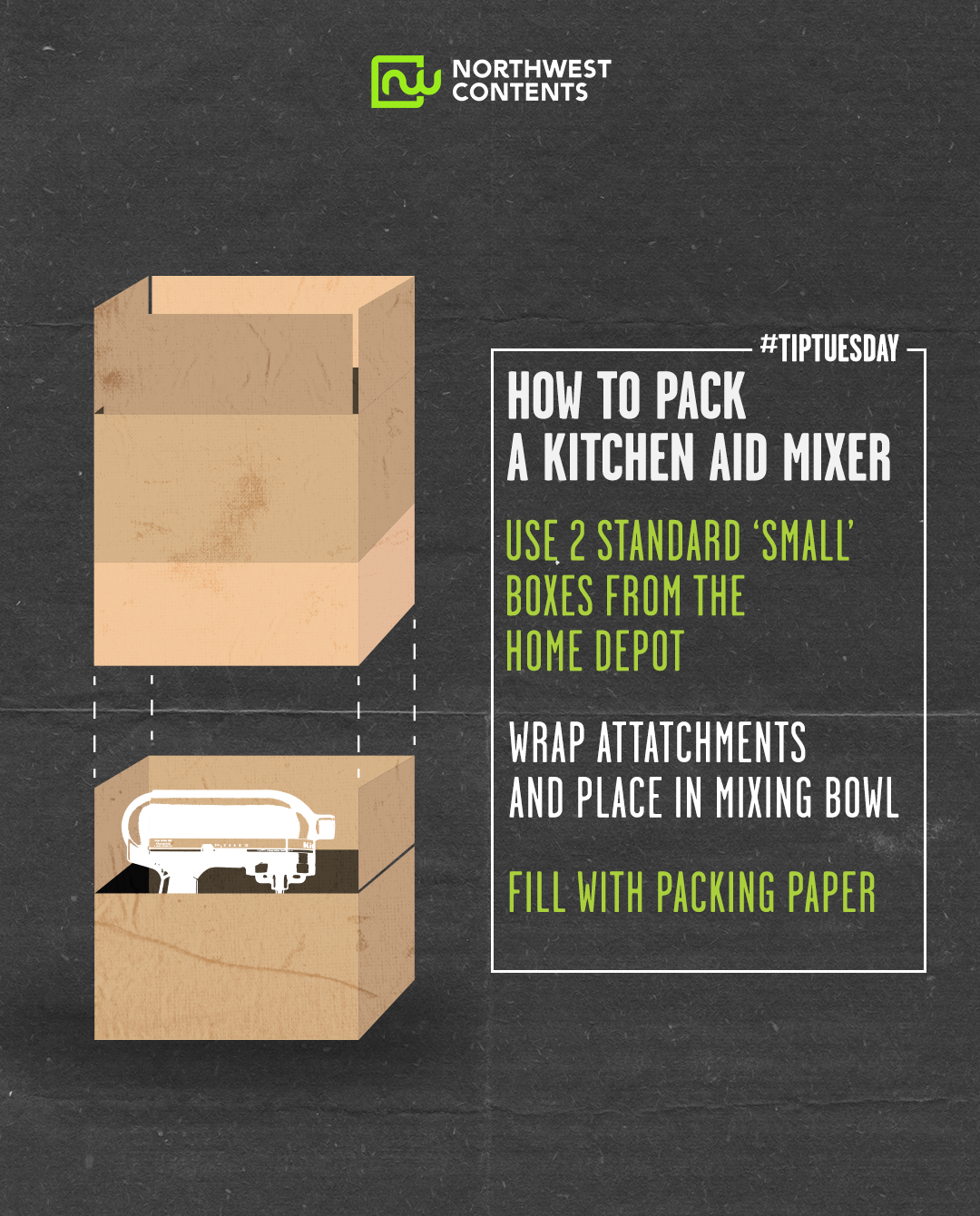
Image Source: images.squarespace-cdn.com
Why Proper Packing Matters for Your KitchenAid Mixer
Your KitchenAid mixer is more than just an appliance; it’s an investment and a workhorse in your kitchen. Whether it’s a classic tilt-head model or a powerful professional series, these mixers are built to last but are not immune to damage during transit. Mishandling can lead to:
- Cosmetic Damage: Scratches, dents, or chips on the beautiful finish.
- Internal Component Damage: Delicate gears, motors, or electronic parts can be jarred loose or broken.
- Attachment Damage: Accessories like whisks, dough hooks, and bowls can be chipped, bent, or broken if not packed securely.
- Loss of Functionality: Even minor damage could render your mixer unusable.
This is why packing stand mixer models, especially heavy-duty ones, is critical. The best way to pack KitchenAid ensures it arrives at your new home in the same condition it left your old one.
Gathering Your KitchenAid Moving Tips and Packing Supplies
Before you start KitchenAid mixer packing, gather all the necessary supplies. Having everything ready will make the process smoother and more efficient.
Essential Packing Materials:
- Original Box and Packaging (If Available): This is by far the best option. The custom-fit foam inserts are designed to protect your mixer. If you don’t have it, don’t worry, we have alternatives.
- Heavy-Duty Moving Boxes: Choose boxes that are strong enough to support the weight of the mixer. A medium to large appliance box might be suitable if you don’t have the original packaging.
- Bubble Wrap: Plenty of it! Large bubble wrap is ideal for cushioning the main body of the mixer.
- Packing Paper/Newsprint: For filling gaps and wrapping accessories.
- Moving Blankets or Thick Towels: For an extra layer of padding, especially when safely moving heavy appliance components.
- Heavy-Duty Packing Tape: To seal boxes securely.
- Styrofoam or Foam Padding: If the original box is unavailable, you can buy foam sheets or blocks to create custom padding.
- Zip Ties or Straps: To secure the head of the mixer and any attached accessories.
- Markers: For labeling boxes clearly.
- Scissors or Box Cutter: For opening and cutting packing materials.
Preparing Your KitchenAid Mixer
Disassembling KitchenAid for moving is generally not recommended for most standard models as it can be complex and may void warranties or lead to improper reassembly. However, certain components might need to be detached or secured.
Step 1: Clean Your Mixer
- Wipe Down: Use a damp cloth to clean the exterior of your mixer. Remove any dust, flour, or food residue.
- Clean Accessories: Wash and thoroughly dry all attachments (bowl, whisk, dough hook, flat beater). Ensure they are completely dry to prevent mold or rust during transit.
Step 2: Detach and Secure Components
- Remove the Bowl: Lift the bowl off the mixer base.
- Remove Attachments: Detach the beater, whisk, or dough hook.
- Secure the Head (Tilt-Head Models): For tilt-head models, it’s crucial to secure the head to prevent it from bouncing or opening during the move.
- Lower the mixer head.
- Use a few loops of bubble wrap to cushion the area where the head meets the base.
- Secure the head firmly to the base using sturdy packing tape or zip ties. Ensure the tape or ties are tight enough to prevent movement but not so tight that they damage the finish. Some people opt for a soft cloth or moving blanket wrapped around the neck and secured with tape.
- Secure the Head (Bowl-Lift Models): For bowl-lift models, the head typically doesn’t tilt. The main concern is securing the lever or mechanism that raises and lowers the bowl arm. Ensure the lever is in the lowest position, and if it feels loose, you can wrap some packing tape around the mechanism to keep it from shifting.
Step 3: Pack Accessories Separately
Accessories are often smaller and can easily get lost or damaged if not packed carefully.
- Bubble Wrap Each Accessory: Wrap each metal attachment (beater, whisk, dough hook) individually in bubble wrap.
- Protect the Bowl: If you have a glass bowl, wrap it generously in bubble wrap. Ceramic bowls also need ample padding. Stainless steel bowls are more durable but still benefit from a layer of protection.
- Pack in a Small, Sturdy Box: Place all the wrapped accessories and the bowl into a small, reinforced box. Fill any empty space with packing paper to prevent them from shifting. Label this box clearly as “KitchenAid Accessories” and indicate which mixer model it belongs to, if you have multiple.
The Best Way to Pack KitchenAid Mixer
This section details the core of KitchenAid mixer packing. We’ll cover using the original box and creating a safe alternative if you don’t have it.
Option 1: Using the Original Packaging (Highly Recommended)
If you still have the original box and foam inserts, this is the absolute best way to pack KitchenAid. The foam is custom-molded to cradle your mixer and prevent movement.
- Carefully Place Mixer in Foam: Gently place the mixer base into the bottom foam insert, ensuring it fits snugly.
- Position the Head: Place the foam insert designed for the mixer head over it. If your model has a separate piece for the head, use that.
- Wrap with Foam (If Applicable): Some original boxes have additional foam pieces. Use these to fill any remaining gaps.
- Secure the Box: Close the original box and seal all seams with strong packing tape. Reinforce the bottom and top seams, as well as the side edges.
- Label Clearly: Mark the box “KitchenAid Mixer – FRAGILE” and “This Side Up” with large, clear lettering. You might also want to add the model number.
Option 2: Packing Without the Original Box
If the original box is long gone, you’ll need to create a secure environment using moving boxes and ample padding. This is still a very effective method of appliance packing.
Step 1: Choose the Right Box
- Size: Select a sturdy box that is slightly larger than your mixer, allowing for padding on all sides. An appliance box designed for microwaves or blenders might work, or you may need to piece together a larger box using sturdy cardboard.
- Strength: Ensure the box is double-walled or made of heavy-duty cardboard to support the weight.
Step 2: Create a Padded Haven
This is where you’ll use bubble wrap, packing paper, and moving blankets.
- Bottom Cushioning: Line the bottom of the box with a thick layer of crumpled packing paper or several layers of bubble wrap. This creates a soft landing for the mixer.
- Wrap the Mixer:
- Wrap the entire mixer body (including the head and base) generously with large-bubble bubble wrap. Use at least two to three layers.
- Pay extra attention to the head, arm, and any exposed knobs or levers.
- Secure the bubble wrap with packing tape to keep it in place.
- Position the Mixer in the Box: Carefully place the bubble-wrapped mixer into the prepared box. Ensure it sits centered and doesn’t touch the sides of the box directly.
- Fill All Gaps: This is a crucial step for protecting KitchenAid for move.
- Use more crumpled packing paper, foam peanuts, or folded moving blankets to fill all empty spaces around the mixer.
- The goal is to prevent any movement within the box during transit. The mixer should feel snug and secure.
- Place an extra layer of bubble wrap or a folded moving blanket on top of the mixer before closing the box.
- Seal and Label: Close the box and seal all seams securely with heavy-duty packing tape. Reinforce all edges. Label the box prominently: “KitchenAid Mixer – FRAGILE” and “This Side Up.” Indicate the contents and destination.
Moving Your Packed KitchenAid Mixer
Once your mixer is safely packed, the next step is to move it. This is where safely moving heavy appliance comes into play.
Handling and Loading
- Two-Person Lift: KitchenAid mixers, especially professional models, are heavy. Always use at least two people to lift and carry the box.
- Proper Lifting Technique: Bend your knees, keep your back straight, and lift with your legs. Avoid twisting your body while lifting.
- Use Dollies or Hand Trucks: For very heavy boxes, or if you have a long distance to cover, a sturdy hand truck or furniture dolly can significantly ease the burden. Ensure the box is well-secured to the dolly with straps.
- Placement in Vehicle:
- Secure Position: Place the box upright in the moving truck or vehicle. Avoid stacking heavy items on top of it.
- Center of Gravity: Position it where it’s least likely to shift. Wedging it securely between other sturdy furniture items (like mattresses or sofa cushions) can help prevent movement.
- Avoid Direct Sunlight/Extreme Temperatures: If possible, place it in a climate-controlled area of the vehicle.
KitchenAid Moving Tips for the Journey
- Drive Carefully: Avoid sudden stops, sharp turns, or driving over bumps too quickly. Smooth driving is essential.
- Check During Transit: If you have a long-distance move, periodically check on the mixer’s position if possible, especially after major road segments or if you’ve hit any rough patches.
KitchenAid Mixer Shipping Considerations
If you’re not moving it yourself and need to ship your mixer, KitchenAid mixer shipping requires even more meticulous appliance packing.
- Use a Sturdy Crate (Recommended): For maximum protection during shipping, consider placing the well-packed box into a wooden shipping crate. This offers superior protection against crushing.
- Choose a Reputable Shipper: Select a shipping company with experience handling fragile items and appliances.
- Insure Your Shipment: Always purchase insurance that covers the full value of your mixer.
- Document Everything: Take photos of the mixer before packing, during packing, and of the final packaged box. This is crucial if you need to file an insurance claim.
- Communicate with the Shipper: Provide clear instructions and any special handling requirements.
What If I Can’t Find a Suitable Box?
If you can’t find a box that fits your mixer, you have a couple of options:
- Buy a Large Appliance Box: Many moving supply stores sell large, heavy-duty appliance boxes that can be adapted. You might need to cut and reconfigure them.
- Use a Double Box Method: Place the mixer in a slightly smaller, well-padded box first, then place that box inside a larger, even more heavily padded box. Fill the space between the boxes with cushioning material.
Specific Considerations for Different KitchenAid Models
While the general principles of packing stand mixer units apply, some models might have unique features to consider.
Tilt-Head Models (e.g., Artisan, Classic)
- Head Security: As mentioned, securing the tilting head is paramount. The neck joint is a common point of stress.
- Accessory Storage: These models typically come with a range of attachments that need careful packing.
Bowl-Lift Models (e.g., Professional 5 Plus, Commercial)
- Weight: These are significantly heavier and more robust. The weight distribution needs careful consideration during lifting.
- Bowl Arm: The mechanism that lifts and lowers the bowl arm needs to be checked. Ensure it’s in the lowest position and secured if there’s any play.
- Attachments: Similar to tilt-head models, attachments need individual protection.
Frequently Asked Questions (FAQ) about Packing a KitchenAid Mixer
Q1: Do I need to disassemble my KitchenAid mixer for moving?
A: No, generally, you do not need to disassemble your KitchenAid mixer. For most models, the head should be secured in the lowered position, not disassembled. Attempting to take apart internal components can be complex and may cause damage if not done correctly.
Q2: What is the best way to pack my KitchenAid mixer if I don’t have the original box?
A: The best alternative is to use a heavy-duty moving box slightly larger than your mixer. Wrap the mixer thoroughly in multiple layers of bubble wrap, secure it with tape, and then place it in the box. Fill all empty space with packing paper, foam peanuts, or moving blankets to prevent any movement.
Q3: Can I just wrap my KitchenAid mixer in blankets and tape it?
A: While moving blankets offer some protection, this method is not recommended for safely moving heavy appliance like a KitchenAid mixer, especially for longer distances or shipping. A sturdy box provides structural integrity and better protection against punctures and crushing. The blankets should be used as an additional layer of cushioning inside the box.
Q4: How do I protect the finish of my KitchenAid mixer?
A: Use ample bubble wrap and consider placing a layer of soft packing paper or a thin moving blanket directly against the mixer before applying bubble wrap. When securing the head on tilt-head models, use tape on the bubble wrap, not directly on the mixer’s finish.
Q5: Is it safe to ship a KitchenAid mixer?
A: Yes, it is safe to ship a KitchenAid mixer if packed correctly. Use the original packaging if possible, or a very sturdy, well-cushioned box. For maximum safety during shipping, consider placing the boxed mixer into a wooden crate and always insure the shipment.
Q6: What should I do with the attachments (bowl, whisk, dough hook)?
A: Wash and thoroughly dry all attachments. Wrap each one individually in bubble wrap or packing paper and pack them together in a separate, small, sturdy box. Fill this box with packing paper to prevent them from rattling around.
By following these detailed steps and KitchenAid moving tips, you can ensure your beloved KitchenAid mixer arrives at its new destination safe and sound, ready to whip up more delicious creations. Remember, meticulous KitchenAid mixer packing is key to protecting KitchenAid for move.