
A kitchen faucet leaking can be incredibly frustrating, leading to wasted water, higher bills, and potential damage to your cabinetry. So, what’s causing your faucet drip? Most commonly, a leaky faucet repair is needed due to worn-out internal components like washers, O-rings, or cartridges. Fortunately, many dripping faucet fix jobs are manageable for the average homeowner.
Let’s dive into the common culprits behind a sink faucet leak and how you can tackle them to stop that annoying kitchen sink dripping.
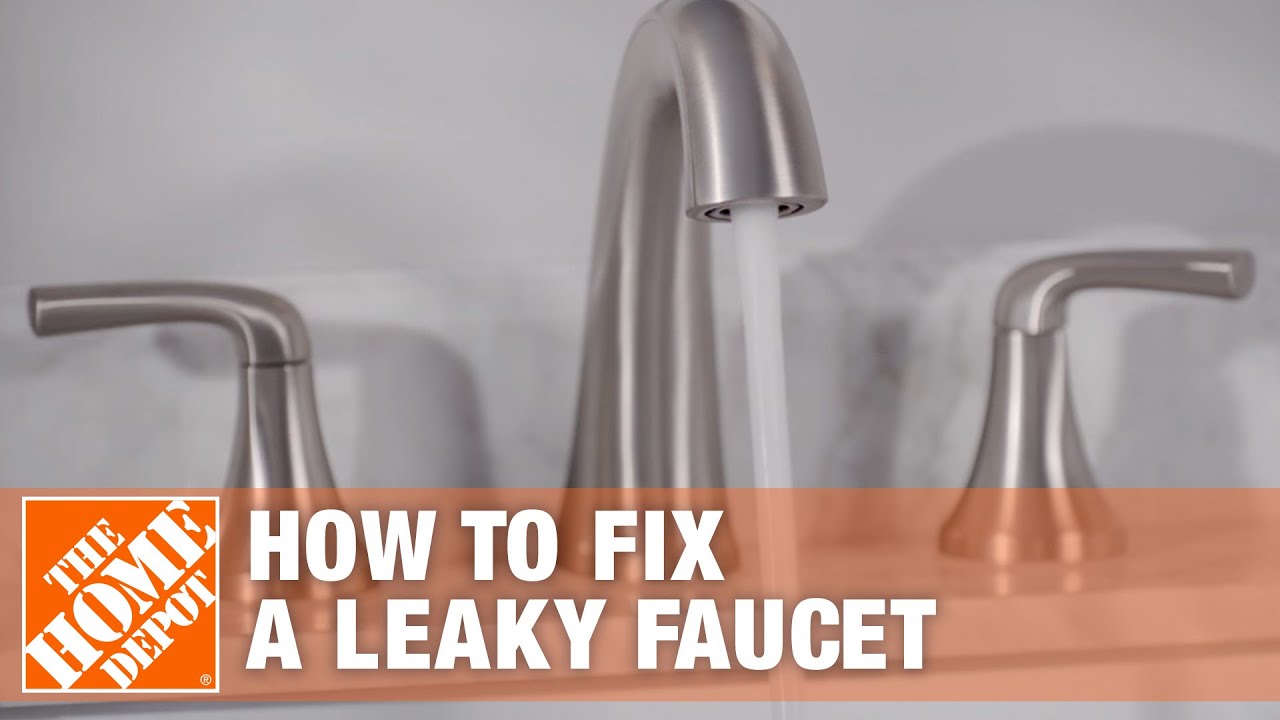
Image Source: i.ytimg.com
Pinpointing the Source of Your Faucet Leak
Before you grab your tools, take a moment to observe your faucet. Where exactly is the water coming from?
- From the Spout: This is the most common type of leak. It usually points to a problem with the internal seals or valves that control water flow.
- From the Base of the Spout: If water pools around the base where the spout meets the faucet body, it often suggests worn-out O-rings within the spout assembly.
- From the Handle(s): Leaks around the handle can indicate issues with the stem or cartridge inside, or sometimes a worn-out packing nut.
- From Under the Sink: This type of leak might be a plumbing leak related to the water supply lines, shut-off valves, or connections to the faucet body.
Common Causes of a Leaking Kitchen Faucet
Several parts within your faucet can wear out over time, leading to leaks.
1. Worn-Out Washers
Washers are small, rubber or silicone discs that create a seal to stop water flow. When you turn off your faucet, the washer presses against a valve seat.
- Problem: Over time, the constant pressure and friction can cause the washer to harden, crack, or degrade. This loss of elasticity means it can no longer form a tight seal, allowing water to seep through. This is a very frequent cause of a faucet drip.
- Fix: Replacing a faucet washer is often a straightforward repair. You’ll need to turn off the water supply, disassemble the handle, remove the old washer, and insert a new one.
2. Damaged O-Rings
O-rings are also small rubber rings that are used to seal various parts of the faucet, particularly around the spout and handles.
- Problem: Similar to washers, O-rings can wear out, tear, or become brittle due to age and water exposure. A damaged O-ring around the spout’s base is a common reason for leaks from that area.
- Fix: Replacing O-rings involves disassembling the affected faucet component. You’ll need to carefully remove the old O-ring and fit a new one, ensuring it sits snugly in its groove.
3. Faulty Cartridge
Many modern faucets, especially single-handle models, use a cartridge. This is a self-contained unit that controls both water flow and temperature.
- Problem: The cartridge contains seals and internal mechanisms that can wear out. If the cartridge is damaged, it can lead to a constant faucet drip from the spout or leaks from the handle. This applies whether it’s a hot water faucet leak or a cold water faucet leak.
- Fix: Faucet cartridge replacement is a common repair. You’ll need to identify the correct replacement cartridge for your faucet model. This usually involves removing the handle, taking out the old cartridge, and inserting the new one.
4. Worn-Out Seals and Springs (Compression Faucets)
Older faucets, particularly two-handle models, often use a stem assembly with a washer and a spring.
- Problem: The spring can weaken, and the rubber seat washer it presses against can become worn. This prevents a proper seal, resulting in a leak.
- Fix: You’ll need to replace both the valve seat and the washer. This often involves using a special seat wrench to remove the old valve seat from the faucet body.
5. Corroded Valve Seat
The valve seat is the part of the faucet the washer presses against.
- Problem: Mineral deposits from hard water or corrosion can build up on the valve seat, creating an uneven surface. This rough surface can damage the washer and prevent it from forming a watertight seal, even if the washer itself is new.
- Fix: You can try cleaning the valve seat with a cloth and some vinegar or a mild abrasive. If it’s too corroded, you might need to use a valve seat dresser tool to smooth it down or replace the entire valve seat.
6. Loose Parts
Sometimes, the simplest explanation is the correct one.
- Problem: Over time, the nuts and screws that hold your faucet together can loosen due to vibrations from water flow. A loose packing nut under the handle can cause leaks around the handle.
- Fix: Gently tightening any loose nuts or screws can often resolve the issue. Be careful not to overtighten, as this can damage the faucet.
7. High Water Pressure
While less common as a direct cause of a constant drip, excessive water pressure can put undue stress on faucet components.
- Problem: Consistently high water pressure can accelerate wear on washers, O-rings, and cartridges, leading to premature failure and leaks.
- Fix: If you suspect high water pressure, it’s best to install a pressure-reducing valve (PRV) on your main water line. You can test your home’s water pressure with a simple gauge.
Tackling Your Dripping Faucet: A Step-by-Step Guide
Let’s get hands-on. This guide covers the most common fixes for a faucet drip from the spout, which is often the most noticeable issue.
Essential Tools You’ll Need
Gather these before you begin:
- Adjustable wrench
- Pliers (various types can be helpful, like slip-joint or needle-nose)
- Screwdriver set (Phillips and flathead)
- Allen wrenches (hex keys) – often needed for handle set screws
- Plumber’s grease or silicone lubricant
- Replacement parts (washers, O-rings, cartridge – having a variety pack can be useful)
- Old towels or rags
- Bucket
- Flashlight
- Penetrating oil (like WD-40, for stubborn parts)
- Safety glasses
Safety First: Turn Off the Water Supply!
This is the most crucial step for any leaky faucet repair.
- Locate Shut-Off Valves: Look for two small knobs or levers directly beneath your sink. One is for hot water, the other for cold. Turn them clockwise until they are snug.
- Test: Turn on the faucet to ensure the water flow has stopped completely. If water still trickles out, you may need to shut off the main water supply to your house.
- Drain Remaining Water: Open the faucet fully to drain any water left in the pipes.
Step 1: Disassembling the Faucet Handle
The process varies slightly depending on your faucet type (single-handle vs. two-handle, and brand).
For Two-Handle Faucets:
- Remove Decorative Cap: There’s usually a small decorative cap on top of the handle (often marked H or C for hot/cold). Pry this off gently with a flathead screwdriver or a utility knife.
- Unscrew the Handle Screw: Under the cap, you’ll find a screw. Use the appropriate screwdriver to remove it.
- Remove the Handle: With the screw removed, pull the handle straight up and off. It might be stuck due to mineral buildup. Gentle wiggling or a bit of penetrating oil can help. If it’s still very stubborn, a handle puller tool might be necessary.
For Single-Handle Faucets:
- Locate the Set Screw: This is often found on the back or side of the handle, sometimes hidden under a decorative cover or plug. It’s usually an Allen (hex) screw.
- Loosen the Set Screw: Use the correct size Allen wrench to loosen the set screw. You don’t need to remove it completely, just loosen it enough to free the handle.
- Remove the Handle: Lift or pull the handle off the faucet body.
Step 2: Accessing the Internal Components
Once the handle is off, you’ll see the inner workings.
For Two-Handle Faucets (Compression or Ball Type):
- Stem: You’ll typically see a threaded stem. Use an adjustable wrench to unscrew and remove the packing nut (a hex-shaped nut around the stem) and then the entire stem assembly.
- Washer and Seat: At the bottom of the stem, you’ll find the washer. It’s usually held in place by a screw. The valve seat is located deeper inside the faucet body where the stem was.
For Single-Handle Faucets (Cartridge Type):
- Bonnet Nut/Retaining Clip: You might see a large bonnet nut or a retaining clip holding the cartridge in place. Use your adjustable wrench to unscrew the bonnet nut. If there’s a clip, carefully remove it with pliers or a screwdriver.
- Cartridge: Once the nut or clip is removed, the cartridge should lift out. Some cartridges have a specific orientation, so note how it came out.
Step 3: Replacing Worn Parts
This is where you’ll address the most common causes of a faucet drip.
Faucet Washer Replacement (Common in Two-Handle Faucets):
- Remove Old Washer: At the bottom of the stem assembly, you’ll see a small screw holding the washer. Unscrew it, remove the old, worn washer, and clean the area.
- Install New Washer: Place the new, correctly sized washer onto the stem and secure it with the screw. Ensure the washer is seated flat.
- Check the Valve Seat: Inspect the valve seat inside the faucet body. If it looks corroded or damaged, you might need to replace it using a seat wrench or try to smooth it with a seat dressing tool.
O-Ring Replacement (Common for Spout Leaks or Handle Leaks):
- Locate O-Rings: Identify the O-rings on the stem assembly or around the base of the spout if you removed it.
- Remove Old O-Rings: Carefully pry off the old O-rings with a small screwdriver or pick. Be gentle to avoid scratching the metal.
- Install New O-Rings: Lubricate the new O-rings with plumber’s grease and carefully slide them into their grooves. Ensure they are seated properly.
Faucet Cartridge Replacement (Common in Single-Handle Faucets):
- Clean the Cartridge Bore: Before inserting the new cartridge, clean any sediment or debris from the inside of the faucet body where the cartridge sits.
- Insert New Cartridge: Carefully align the new cartridge according to its orientation (refer to your faucet’s manual or take a picture before removing the old one).
- Secure the Cartridge: Reinstall the retaining clip or screw on the bonnet nut. Tighten the bonnet nut snugly but do not overtighten, as this can damage the new cartridge.
Step 4: Reassembling the Faucet
Follow the steps in reverse order.
- Reinstall Stem/Cartridge: Place the stem assembly or cartridge back into the faucet body.
- Tighten Packing Nut (Two-Handle): Screw the packing nut back onto the faucet body. Tighten it just enough to prevent leaks around the stem when the water is on, but not so tight that the handle becomes difficult to turn.
- Reattach Handle: Slide the handle back onto the stem or cartridge.
- Secure Handle: Replace and tighten the handle screw.
- Replace Decorative Cap: Snap the decorative cap back into place.
Step 5: Testing Your Work
- Turn Water Back On: Slowly turn the shut-off valves back on by turning them counter-clockwise.
- Check for Leaks: Observe the faucet closely for any signs of leaks around the handle, spout, or base.
- Test Operation: Turn the faucet on and off, checking for smooth operation and no more drips from the spout. If a hot water faucet leak or cold water faucet leak was the issue, test both.
Troubleshooting Persistent Leaks
If your faucet continues to leak after these steps, consider these possibilities:
- Wrong Replacement Part: Ensure you used the correct size and type of washer, O-ring, or cartridge for your specific faucet model. Faucet parts are not always universal.
- Damaged Faucet Body: In rare cases, the faucet body itself might be cracked or have internal damage that’s causing the leak.
- Valve Seat Issue: If you didn’t replace or properly dress the valve seat (in two-handle faucets), it could still be the source of the leak.
- Plumbing Leak: If the leak persists from under the sink, it might be a problem with the supply lines or connections, requiring a different approach to leaky faucet repair.
Specific Faucet Types and Their Common Leaks
Different faucet designs have unique components that can fail.
Compression Faucets
These are older, traditional two-handle faucets. They work by a screw-like stem that compresses a rubber washer against a valve seat to stop water flow.
- Common Leak Point: Worn washer or damaged valve seat.
- Fix: Replacing the washer and checking/replacing the valve seat is the usual solution.
Ball Faucets
These single-handle faucets use a slotted metal or plastic ball inside the faucet body. The handle moves the ball to control water flow and temperature.
- Common Leak Point: Worn O-rings or seals inside the ball mechanism, or a damaged ball itself.
- Fix: This type often requires a specific repair kit that includes new O-rings, seals, and sometimes a new ball. Faucet cartridge replacement is a more common fix for newer single-handle types.
Cartridge Faucets
Modern single-handle or two-handle faucets often use a self-contained cartridge.
- Common Leak Point: The cartridge itself can develop leaks due to worn seals or internal damage.
- Fix: Faucet cartridge replacement is the standard repair.
Ceramic Disc Faucets
These are very durable and use two ceramic discs that slide against each other.
- Common Leak Point: While very reliable, the seals around the ceramic discs can eventually wear out, or the discs themselves can crack if subjected to extreme pressure or impact.
- Fix: Replacing the cartridge containing the ceramic discs is the typical solution.
When to Call a Professional Plumber
While many dripping faucet fix jobs are DIY-friendly, there are times when calling a professional is the smarter choice.
- Unsure of the Cause: If you’ve tried a few things and the leak persists, a plumber has the expertise to diagnose the problem accurately.
- Corroded or Stuck Parts: If you encounter heavily corroded or seized parts that you can’t remove without risking damage, a plumber has specialized tools.
- Main Shut-Off Valve Issues: If you can’t locate or operate your main water shut-off valve, a plumber can assist.
- Complex Plumbing Leaks: If the leak is originating from under the sink and involves supply lines, shut-off valves, or connections to the wall, it might be a more extensive plumbing leak that requires professional attention.
- Lack of Time or Confidence: If you’re not comfortable with plumbing work or don’t have the time, hiring a plumber is a reliable way to get the job done right.
Maintaining Your Faucet to Prevent Future Leaks
Regular maintenance can help extend the life of your faucet and prevent annoying leaks.
- Gentle Use: Avoid forcing handles or turning them off too forcefully.
- Clean Aerators: Unscrew the aerator at the tip of the spout periodically and clean out any sediment or mineral buildup. This improves water flow and can prevent issues.
- Address Small Leaks Promptly: Don’t ignore a minor faucet drip. It’s often a sign of a part starting to wear out, and addressing it early can prevent bigger problems.
- Water Softener: If you have hard water, consider a water softener. This can significantly reduce mineral buildup in your pipes and faucet components, extending their lifespan.
Frequently Asked Questions (FAQ)
Q1: How much does it cost to fix a leaky faucet?
A: If you do it yourself, the cost is usually just the price of replacement parts, typically ranging from $5 to $25. If you hire a plumber, expect to pay anywhere from $75 to $200 or more, depending on the complexity of the repair and your location.
Q2: Can a leaky faucet cause water damage?
A: Yes, a persistent leak, even a small drip, can lead to water damage over time. It can cause staining on your sink or countertop, and if the leak is from under the sink, it can damage cabinets and flooring, potentially leading to mold growth.
Q3: How do I know if I need a new faucet or just a repair?
A: If your faucet is old, heavily corroded, has multiple leaks, or if the internal parts are no longer available, it might be more cost-effective to replace the entire faucet. However, for most common issues like a faucet drip from the spout, a simple repair like a faucet washer replacement or faucet cartridge replacement is usually sufficient.
Q4: What type of faucet do I have?
A: Look at the handle(s). Single-handle faucets usually have a ball or cartridge mechanism. Two-handle faucets can be compression, ball, or cartridge types. The way the handle moves and the presence of a visible bonnet nut or set screw can help identify the type.
Q5: Is it okay to leave a leaky faucet unrepaired?
A: No, it’s not advisable. Even a small drip wastes a significant amount of water over time, increasing your water bill. It can also cause aesthetic damage and potentially lead to more serious plumbing issues if left unaddressed.
By following these steps, you can effectively diagnose and repair most common kitchen faucet leaks, saving water, money, and the frustration of a constant kitchen sink dripping.