
Yes, kitchen exhaust can be recirculating. This means the air from your cooking goes through filters and then flows back into your kitchen. Many homes and apartments use this type of system. It is a common choice for places that cannot have a vent going outside.
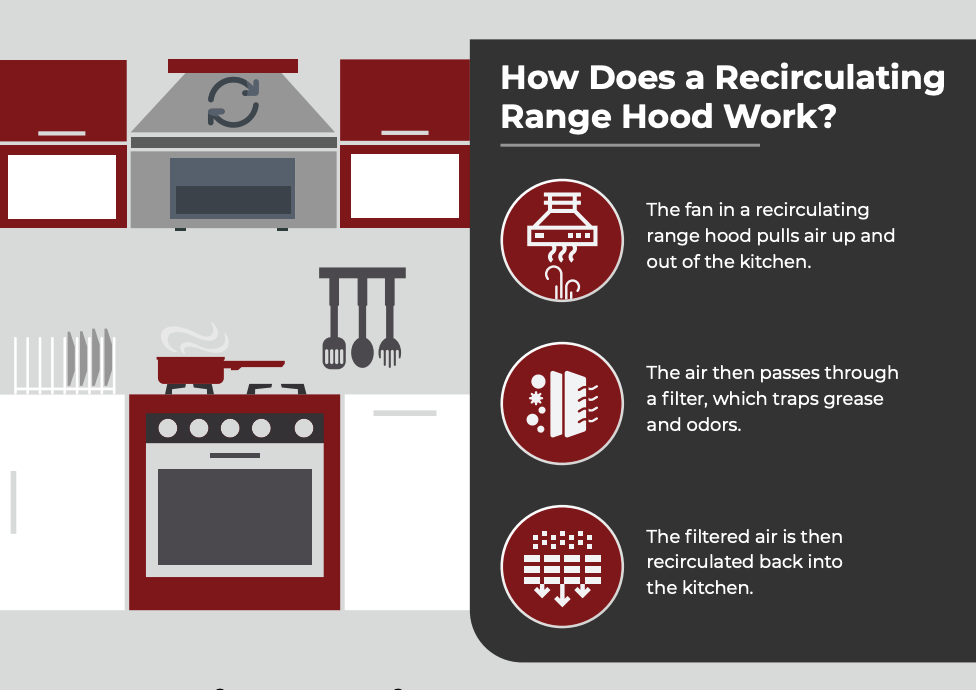
Image Source: www.worldcoppersmith.com
Deciphering Recirculating Kitchen Exhaust
A recirculating kitchen exhaust system is a type of range hood. It cleans the air from cooking and sends it back into your room. It does not push air outside. These systems are also called ductless range hoods. They are different from traditional hoods that send smoke and smells out of your house through a duct.
How a Recirculating System Works
Imagine a fan above your stove. When you cook, this fan pulls air up. The air then goes through special filters. First, it passes through a grease filter. This filter catches tiny bits of oil and grease from your cooking. After that, the air moves through a charcoal filter. This filter helps catch smells. Once the air is cleaner, the fan pushes it back into your kitchen. It is a closed loop system.
Vented vs. Recirculating Range Hood: A Core Difference
It helps to know how a recirculating hood is different from a vented one.
- Vented Range Hoods: These hoods have a duct. This duct goes through a wall or roof. They pull air from your kitchen and send it completely outside. They remove all grease, odors, heat, and moisture from your home.
- Recirculating Range Hoods: These hoods have no duct to the outside. They clean the air and return it. They are good at catching grease and some smells. But they do not remove heat or moisture.
This key difference shapes how well each type works for you.
Weighing the Choice: Recirculating Range Hood Pros Cons
Choosing a kitchen hood means looking at what works best for your home. Recirculating hoods have good points and bad points.
Benefits of a Recirculating Hood
These hoods offer several advantages, especially in certain living spaces.
- No External Vent Needed: This is a big one. You do not need a hole in your wall or roof. This makes non-vented range hood installation much easier. It saves time and money.
- Simple Setup: Because there is no ductwork, installing these hoods is often simpler. You can put them almost anywhere in your kitchen. This is a plus for kitchen design.
- Great for Apartments: Many apartments and condos do not let you make holes for vents. A recirculating hood is a perfect apartment kitchen exhaust option. It works well without changing the building.
- Lower Installation Costs: No ducts mean less work. This often lowers the total cost of putting the hood in. You save money on labor and materials.
- No Heat Loss or Gain: Vented hoods can pull warm air out in winter. They can pull cool air out in summer. Recirculating hoods keep your heated or cooled air inside. This can save energy on your heating and cooling bills.
Drawbacks to Consider
While good in many ways, recirculating hoods also have limits.
- Does Not Remove Heat or Moisture: This is a key point. If you boil a lot of water, steam will stay in your kitchen. If you cook often, your kitchen can get warm.
- Less Effective at Odor Removal: While they have charcoal filters, they do not get rid of all smells. Strong cooking odors can linger in your home. This is why odor removal ductless hood systems are not as strong as vented ones.
- Filters Need Regular Changing: For the hood to work well, you must clean grease filters often. You also need to replace charcoal filters. If you do not, the hood will not clean the air well. This adds to ongoing costs and chores.
- Can Be Noisier: The air has to push through filters and turn corners. This can make the fan work harder. This can sometimes make these hoods a bit noisier than ducted ones.
- Recirculating Cooker Hood Efficiency: They are generally less powerful than vented hoods. They clean the air, but they do not clear it out. They cannot remove all smoke or fine particles from the air.
Choosing hinges on what you cook and where you live.
The Inner Workings: Components of a Recirculating Hood
To understand how these hoods work, let us look at their main parts. Each part plays a key role in cleaning your kitchen air.
The Powerful Fan or Motor
Every range hood has a fan or motor. This is the heart of the system. It pulls the air up from your stovetop. The fan’s power is measured in CFM (Cubic Feet per Minute). A higher CFM means the fan moves more air. For recirculating hoods, a strong fan helps push air through the filters.
The Grease Filters: First Line of Defense
After the fan pulls air in, it hits the grease filters first. These are a must-have for any hood.
- What They Do: Grease filters catch oil and grease particles. These come from cooking fats and oils. Without them, grease would coat the inside of your hood and clog the fan.
- Materials: Most grease filters are made of metal mesh or baffle plates.
- Mesh Filters: These look like fine screens. They are very common. They are good at catching small grease particles.
- Baffle Filters: These are made of angled metal plates. They force air to change direction. Grease sticks to the plates. They are very effective and easy to clean.
- Maintenance: You must clean grease filters often. You can usually wash them by hand with soap and hot water. Or you can put them in a dishwasher. Clean filters work best. They also help the grease filter recirculating hood last longer.
The Charcoal Filters: Tackling Odors
After the grease filter, the air moves to the charcoal filter. This is a very important part of a recirculating hood.
- What They Do: These filters are also called carbon filters. They contain activated charcoal. This charcoal has many tiny pores. These pores trap odor molecules. This is how the charcoal filter kitchen hood reduces smells.
- How They Work: It is like a sponge for smells. As air passes through, the charcoal “adsorbs” the odor particles. This means the smells stick to the charcoal.
- Importance for Recirculating: Since the air goes back into your kitchen, these filters are key. They make the air smell much better. Without them, all cooking odors would just go back into your room.
- Replacement: Unlike grease filters, charcoal filters cannot be washed. They fill up with smells over time. You must replace them regularly. How often depends on how much you cook. For most homes, every 3 to 6 months is a good rule. If you cook often, you might need to change them sooner.
Lights and Controls
Most hoods also have lights. These lights shine down on your stovetop. They make it easier to see what you are cooking. Controls let you turn the fan on and off. They also let you change the fan speed. Some hoods have different light settings too.
Measuring Performance: Recirculating Cooker Hood Efficiency
How well does a recirculating hood actually work? This is a key question. Their efficiency is different from vented hoods.
What They Do Well
Recirculating hoods are good at two main things:
- Grease Removal: The grease filters are very good at catching airborne grease particles. This stops grease from building up on your cabinets, walls, and ceiling. This keeps your kitchen cleaner.
- Some Odor Reduction: The charcoal filters do help with smells. They can make the air much fresher. They are good at taking away many common cooking odors.
What They Do Not Do
It is important to know their limits. Recirculating hoods do not remove:
- Heat: When you cook, heat builds up. A recirculating hood will not take this heat out of the room.
- Steam/Humidity: Boiling water creates steam. This moisture stays in your kitchen. Over time, too much moisture can lead to problems like mold.
- Carbon Monoxide/Combustion Byproducts: If you have a gas stove, it makes tiny amounts of gases from burning. A recirculating hood does not remove these. A vented hood does. This is why good ventilation is important for gas stoves.
- All Odors: While they reduce odors, they cannot remove 100% of them. Very strong smells may still linger. This is where the term odor removal ductless hood is helpful. It tells you they help, but are not perfect.
Comparing Efficiency
When we talk about recirculating cooker hood efficiency, we mean how well it cleans the air and handles cooking byproducts.
- Vented Hoods: These are highly efficient. They remove almost all heat, steam, grease, and odors from your home. They replace indoor air with fresh outdoor air.
- Recirculating Hoods: These are less efficient in total air purification. They recycle the air. They clean it to a degree but do not bring in fresh air. Their job is air filtration, not air exchange.
The efficiency of a recirculating hood depends a lot on its filters. Good quality filters and regular changes make a big difference.
Setting Up and Keeping Up: Non-Vented Range Hood Installation and Care
One of the big selling points of a recirculating hood is its easier installation. But care is key to make it work well.
Simple Installation: Non-Vented Range Hood Installation
Installing a recirculating hood is much simpler than a vented one.
- Find the Spot: You just need a place above your stove. This can be under a cabinet or on the wall.
- Mount the Hood: You attach the hood to the wall or cabinet. Most hoods come with brackets and screws.
- Plug it In: These hoods just need an electrical outlet. There is no ductwork to connect.
- Add Filters: You just slide in the grease and charcoal filters.
- Test It: Turn it on to make sure it works.
Because there is no external duct, this is a great choice for kitchen hood no external vent needs. Many people can install these hoods themselves. This saves money on professional help.
Ongoing Care: The Key to Performance
For your recirculating hood to work its best, you need to care for it.
- Grease Filter Cleaning: This is the most important step.
- How Often: Clean your grease filters every 2 to 4 weeks. If you fry a lot, clean them more often.
- How To: Most metal mesh or baffle filters can go in the dishwasher. Or you can wash them in a sink with hot, soapy water. Let them dry fully before putting them back.
- Why It Matters: Clean filters catch grease better. They also allow air to flow freely. This means your fan does not have to work as hard.
- Charcoal Filter Replacement:
- How Often: Replace charcoal filters every 3 to 6 months. If you cook often or make strong-smelling foods, change them every 3 months.
- How To: Check your hood’s manual for exact steps. It usually involves removing the grease filter first. Then you unclip or twist out the old charcoal filter. Put in the new one.
- Why It Matters: Charcoal filters get full of smells over time. Once full, they cannot absorb new odors. Old filters mean your kitchen will still smell after cooking. This directly impacts odor removal ductless hood effectiveness.
- Cleaning the Hood Body: Wipe down the outside of the hood often. Use a soft cloth and mild cleaner. This keeps it looking good. It also stops grease buildup on the surface.
Regular care makes your hood last longer. It also makes sure it cleans your air as well as it can.
Is a Recirculating Hood Right for Your Home?
Deciding on a recirculating hood means looking at your cooking habits and living space.
When a Recirculating Hood Shines
This type of hood is a great pick in several cases:
- Apartment Living: If you live in a rental apartment or condo, a kitchen hood no external vent is often your only choice. Landlords usually do not allow major changes like adding ducts. This makes recirculating hoods ideal apartment kitchen exhaust options.
- Limited Space or Budget: If adding ductwork is too hard, too costly, or just not possible, a recirculating hood is a simple answer.
- Light Cooking: If you mostly do light cooking, like boiling water, making toast, or light sautéing, a recirculating hood works fine. It will handle the small amounts of grease and odors well.
- Island Cooking Without Overhead Ducting: If you have a kitchen island with a stove but no way to run a duct above it, a recirculating island hood is a good choice.
When a Recirculating Hood May Not Be Enough
There are times when a recirculating hood might not meet your needs:
- Heavy Frying or Sautéing: If you cook greasy foods often, a recirculating hood will struggle. Grease can still build up. Strong smells will still linger more.
- Frequent Use of High-Heat Cooking: If you often use high heat or cook very hot foods, you will create a lot of steam and heat. A recirculating hood will not remove this. Your kitchen can get hot and humid.
- Cooking Strong-Smelling Foods: If you often cook fish, curry, or other foods with strong odors, you might find a recirculating hood is not enough. You want all those smells gone, not just lessened.
- Gas Stoves: For gas stoves, it is best to have a vented hood. This is because gas burning can make tiny amounts of carbon monoxide. A vented hood removes these gases. A recirculating hood does not.
To review the recirculating range hood pros cons, think about your daily cooking. How much grease, steam, and odor do you make? This will help you decide.
Improving Recirculating Hood Performance
Even with their limits, you can make your recirculating hood work better.
Choose Quality Filters
Not all filters are the same. Good quality grease and charcoal filters work better. They catch more particles and smells. Look for filters made for your specific hood model.
Change Filters Often
This is crucial. Old filters are clogged filters. Clogged filters cannot clean the air well. Follow the recommended schedule for cleaning grease filters and changing charcoal filters. Set a reminder on your phone.
Use the Right Fan Speed
Do not always use the highest fan speed. For light cooking, a lower speed might be enough. For heavy cooking, use the highest speed. This helps match the hood’s power to your cooking needs.
Open Windows for Air Exchange
Even with a hood, open a window a little bit when cooking. This helps bring in fresh air. It also helps move some of the excess heat and humidity out of your kitchen. This is especially helpful if you make a lot of steam.
Clean Your Kitchen
Keep your stovetop and counters clean. Less grease and food bits means less for your hood to filter. This helps keep your kitchen air fresher overall.
Looking at Other Options and Comparisons
While recirculating hoods are common, it is good to know about other choices too.
The Vented Hood Option
As discussed, a vented hood sends air outside. This is the best way to remove grease, heat, steam, and all odors. If you can install a vented hood, it is usually the top choice for air quality. This is the core of the vented vs recirculating range hood debate.
- Pros of Vented: Total removal of cooking byproducts. Better for heavy cooking. Helps with indoor air quality.
- Cons of Vented: Needs ductwork. Can be costly to install. Can lose heat/cool air from your home.
Other Air Quality Tools
A recirculating hood is just one part of keeping kitchen air clean.
- Portable Air Purifiers: These are not replacements for a hood. But they can help clean the air in your kitchen or living space. They use HEPA filters for particles and carbon filters for odors.
- Dehumidifiers: If your kitchen gets very humid from cooking, a dehumidifier can help. It removes moisture from the air.
These tools work with your recirculating hood to create a better environment.
Frequently Asked Questions (FAQ)
Q1: How often should I clean the grease filter on my recirculating hood?
You should clean the grease filter every 2 to 4 weeks. If you cook often or fry a lot, clean it more frequently.
Q2: Do charcoal filters truly remove all cooking odors?
Charcoal filters greatly reduce cooking odors, but they do not remove 100% of them. Strong smells might still linger a bit.
Q3: Can a recirculating hood get rid of steam and heat?
No, recirculating hoods do not remove steam or heat from your kitchen. They only filter the air. Steam and heat will stay in the room.
Q4: Is a recirculating hood suitable for a gas stove?
It is generally better to have a vented hood for a gas stove. This is because gas burning produces gases that a recirculating hood does not remove. If you must use a recirculating hood with a gas stove, ensure good overall room ventilation.
Q5: How do I know when to replace the charcoal filter?
You will notice the hood is not removing odors as well as it used to. The air might still smell after cooking. Most makers suggest changing them every 3 to 6 months, depending on how much you cook.
Q6: Are recirculating range hoods noisy?
Some recirculating hoods can be a bit noisier than vented ones. This is because the fan has to push air through filters and turn it back into the room. Higher fan speeds also create more noise.
Q7: Can I install a recirculating hood myself?
Yes, non-vented range hood installation is usually simple enough for most DIY enthusiasts. You just need to mount it, connect it to power, and install the filters. Always follow the maker’s instructions.