
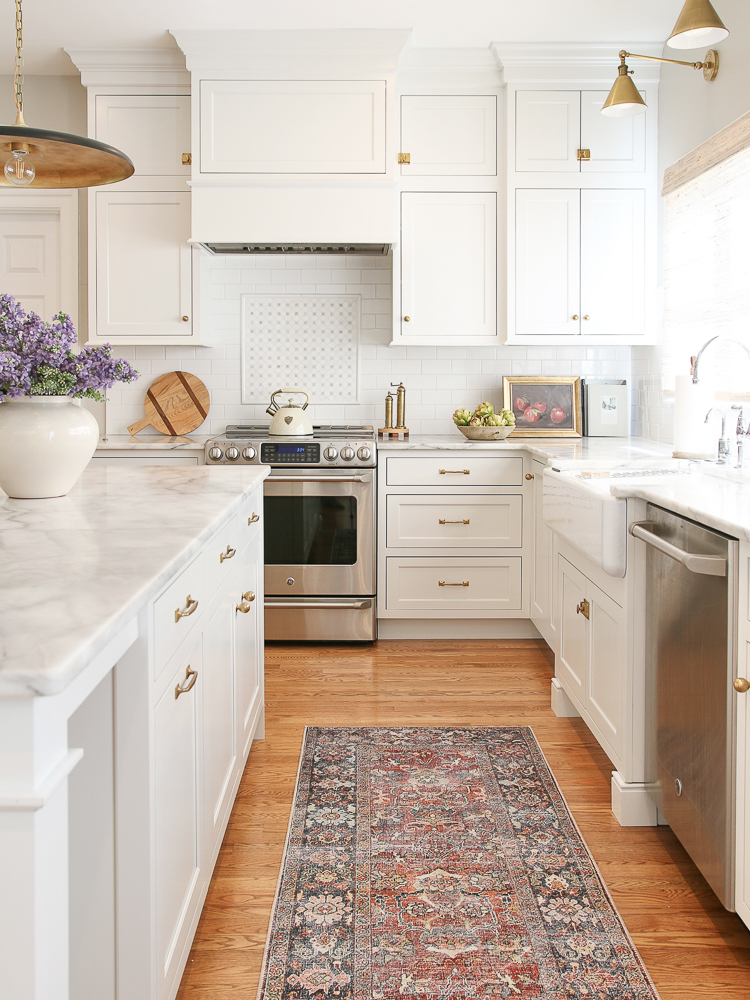
Image Source: stefanasilber.com
Can You Mix Brass And Stainless Steel In A Kitchen?
Yes, you can absolutely mix brass and stainless steel in a kitchen. It is a popular design choice. While some worry about metal reactions like galvanic corrosion brass stainless, these issues are rare in typical kitchen settings. The key is knowing how these metals work together. You can create a beautiful and lasting look by choosing the right items and caring for them well. This guide will show you how.
The Appeal of Blended Kitchen Metals
Many people love the look of mixed metals in their homes. It adds depth and interest. In kitchens, this trend lets you move away from one-color schemes. Mixing metals makes a kitchen feel custom and warm.
Why Homeowners Choose Mixed Metals
- More Visual Interest: One type of metal can look flat. Mixing metals adds layers and different shines.
- Personal Style: It lets you show off your unique taste. You can blend old and new styles.
- Warmth and Shine: Brass brings a warm, classic feel. Stainless steel offers a clean, modern look. They balance each other well.
- Updated Look: Mixed metals can make an older kitchen feel fresh and new without a full remodel.
How Mixed Metals Shape Design
Using different metals helps define areas in a kitchen. A brass light over an island can draw the eye. Stainless steel appliances can blend into the background. This mix makes a kitchen more inviting and less like a showroom. It proves that kitchen metal mixing compatibility is not just about function, but also about great design.
Metal Interactions Explained
Metals are not all the same. When you put two different metals together, especially with water, a reaction can happen. This is why it’s good to know about metal interactions.
What is Galvanic Corrosion?
Galvanic corrosion brass stainless is a type of rust or decay. It happens when two different metals touch in the presence of an electrolyte. An electrolyte is often water, especially salty water. One metal (the anode) gives up tiny particles to the other metal (the cathode). This makes the anode wear away faster.
- The Basics:
- Two different metals.
- They are touching.
- There is an electrolyte (like water) bridging them.
- How it Works: In a group of metals, some are more “active” than others. Active metals give up electrons easily. Less active metals accept them. When they touch in water, the more active metal corrodes.
- In Your Kitchen: For this to happen in a kitchen, you need both water and direct contact between the metals for a long time. For example, if a brass pipe is directly joined to a stainless steel pipe underground, this could be a risk. But for visible items like a brass faucet stainless sink, the risk is very low.
Are Kitchens a High-Risk Zone for Corrosion?
Generally, no. Most kitchen items do not stay wet enough to cause major galvanic corrosion. Also, the contact points are often not direct metal-to-metal. For instance, a brass faucet has gaskets and seals. These keep the brass from directly touching the stainless steel sink, even with water present.
- Low Risk Situations:
- A brass light fixture near stainless steel appliances.
- Brass cabinet pulls on stainless steel cabinet doors.
- A brass vase sitting on a stainless steel countertop.
- Higher Risk (But Still Low for Typical Use):
- Plumbing fixture material compatibility needs careful thought. If you are joining pipes directly, you should use special fittings. These fittings prevent direct contact between different metals. This is more for the pipes inside walls, not for the faucet itself.
The Warmth of Brass in the Kitchen
Brass has been used for centuries. It is an alloy, meaning it is a mix of metals, mainly copper and zinc. It offers a unique warmth and classic style.
Qualities of Brass
- Color: Ranges from a bright, golden yellow to a rich, dark brown. It depends on the mix of copper and zinc.
- Patina: Over time, brass can get a natural dark layer called a patina. Some people love this aged look. Others prefer to keep it shiny.
- Softness: Brass is softer than stainless steel. This means it can scratch more easily.
- Resistance: It resists rust well because it has a lot of copper. It also has natural anti-bacterial qualities.
Types of Brass Finishes for Kitchens
The way brass is finished changes its look a lot.
- Polished Brass:
- Look: Bright, mirror-like shine. Very reflective.
- Feel: Smooth.
- Care: Shows fingerprints and water spots easily. Needs frequent cleaning to stay shiny.
- Use: Classic, formal kitchens. High-impact accents.
- Brushed Brass:
- Look: Matte finish with fine lines. Not shiny.
- Feel: Slightly textured.
- Care: More forgiving with fingerprints. Easier to maintain.
- Use: Modern farmhouse, transitional, or contemporary kitchens. Softens the look of brass.
- Satin Brass:
- Look: A bit shinier than brushed, but not mirror-like. A soft glow.
- Feel: Smooth.
- Care: Good balance of look and easy care.
- Use: Versatile for many styles.
- Antique Brass:
- Look: Darkened, often with hints of the natural brass showing through. Looks old and worn.
- Feel: Can be smooth or slightly uneven.
- Care: Very low maintenance. Hides imperfections well.
- Use: Traditional, rustic, or vintage-inspired kitchens.
Pros and Cons of Brass in Kitchens
| Feature | Pros | Cons |
|---|---|---|
| Look | Adds warmth, classic charm, rich color. | Can look dated if not used well. |
| Durability | Resists rust, long-lasting. | Softer, can scratch and dent. |
| Maintenance | Develops a nice patina (for some). | Polished brass needs frequent cleaning. |
| Cost | Often higher upfront cost than chrome. | Can be more expensive to buy. |
| Hygiene | Copper content offers some anti-bacterial properties. | N/A |
The Modern Power of Stainless Steel
Stainless steel is the workhorse of modern kitchens. It is strong, clean, and has a sleek look.
Qualities of Stainless Steel
- Color: Silvery-gray with a cool, often brushed finish.
- Strength: Very hard and durable. Resists dents and scratches well.
- Corrosion Resistance: It has chromium. This metal forms a thin, invisible layer on the surface. This layer protects it from rust and stains.
- Hygiene: Its smooth, non-porous surface makes it very easy to clean. Germs do not easily stick to it.
Common Grades of Stainless Steel
- 304 Stainless Steel: This is the most common type for kitchen use. It has chromium and nickel. It is very resistant to rust and stains from food acids. It’s great for sinks, countertops, and appliances.
- 316 Stainless Steel: This grade has molybdenum. This makes it even more resistant to harsh chemicals and salt. You often find it in very demanding places, like near the ocean or in chemical labs. For most kitchens, 304 is enough.
Pros and Cons of Stainless Steel in Kitchens
| Feature | Pros | Cons |
|---|---|---|
| Look | Modern, clean, sleek. | Can look cold or industrial if overused. |
| Durability | Very strong, resists dents and scratches. | Shows fingerprints easily (especially shiny finishes). |
| Maintenance | Easy to clean, very hygienic. | Can show water spots. |
| Cost | Good value for its durability. | N/A |
| Versatility | Matches many design styles. | N/A |
Mixing Compatibility: Brass and Stainless Steel Together
The real question is how well these two metals work together visually and practically. They can be a great team!
Design Considerations for Mixed Metal Kitchens
The key to good design is balance. Do not just throw metals together. Think about how they will look. Here are tips for mixed metal kitchen design ideas:
- Choose a Dominant Metal: Pick one metal to be the main star. This is often stainless steel for appliances. Then, use the other metal (brass) for accents.
- Use Both in Equal Measure: You can also use them more evenly. Maybe brass hardware on upper cabinets and stainless hardware on lower cabinets.
- Repeat Elements: Do not use brass in just one spot. Repeat it in two or three places. This makes the look feel planned. For example, use a brass light fixture, brass cabinet pulls, and a brass pot filler.
- Vary Finishes: Mix brushed stainless steel with polished brass. Or satin brass with a matte black stainless steel. Different finishes add more texture.
- Consider Warmth: Brass adds warmth. Stainless steel adds coolness. Use them to balance the overall feel of your kitchen.
Practical Applications: Brass and Stainless Steel Hardware
Using stainless steel and brass hardware together is very common.
- Cabinet Hardware: You can use brass pulls on certain cabinets, like a pantry door. Or use brass on upper cabinets and stainless steel on lower ones. Some people mix them on the same cabinet. For example, stainless steel pulls with small brass accents.
- Appliance Handles: While most appliances are stainless steel, some companies offer appliances with brass handles or trim. This instantly blends the two metals. If your appliance is plain stainless, you can add brass pulls if they are not integrated.
- Lighting: A brass pendant light over a stainless steel island. Or stainless steel task lighting with a brass chandelier. Lighting is a great way to introduce brass.
- Plumbing Fixtures: A brass faucet stainless sink is a classic combination. The faucet sits above the sink, so direct metal-to-metal contact with standing water is minimal. This means galvanic corrosion is not a concern for typical faucet installations. The parts that touch are usually protected by rubber or plastic washers.
Addressing Metal Concerns
Even though mixing brass and stainless steel is usually safe, it’s good to know the common worries.
Can Brass Rust Stainless Steel?
No, brass cannot rust stainless steel. Rust is a specific type of corrosion that happens to iron and steel when they react with oxygen and water. Brass does not contain iron, so it does not rust. Stainless steel also resists rust due to its chromium content.
The concern with mixing different metals is galvanic corrosion. As explained earlier, this is when one metal corrodes faster than it would alone because it is in contact with another, less active metal, and an electrolyte (like water).
- In a kitchen, this is rarely an issue for visible items. For example, if a brass bowl sits on a stainless steel counter, there is no continuous water layer needed for significant corrosion. Even if there’s some water, the contact is usually not strong enough or long enough to cause problems.
- The only place to be cautious is where metals join pipes inside walls. For this, professional plumbers use special connectors (dielectric unions) that have a non-conductive barrier to prevent metal-to-metal contact. This stops corrosion in the hidden parts of your plumbing.
Durability of Mixed Kitchen Metals
Both brass and stainless steel are very durable.
- Stainless steel is hard and resists scratches well. It is very strong.
- Brass is also durable. It can last for many years. It is softer than stainless steel, so it can get small scratches or dents. But these often add to its charm, especially if it develops a patina.
When you mix them, the overall durability of mixed kitchen metals is high. You get the strength of stainless steel where you need it (sinks, appliances) and the long-lasting beauty of brass in accents (faucets, hardware). The slight difference in hardness rarely causes practical problems when used in a kitchen setting.
Avoiding Metal Reaction in the Kitchen
Here are simple tips for avoiding metal reaction kitchen:
- Use Good Connections for Plumbing: If you are installing a new faucet or connecting pipes, make sure any parts that join different metals use non-conductive materials (like plastic washers or special fittings). Your plumber will know this. This is part of standard plumbing fixture material compatibility.
- Keep Surfaces Dry: Water is key for galvanic corrosion. Wipe up spills. This is good practice for all kitchen surfaces anyway.
- Choose the Right Finish: Lacquered brass finishes have a clear coat that protects the brass. This also acts as a barrier, preventing direct metal contact with anything it touches.
- No Long-Term Soaking: Avoid letting brass items sit in standing water against stainless steel for very long periods. But this is uncommon in normal kitchen use.
Areas for Metal Mixing in Your Kitchen
You can blend brass and stainless steel in many parts of your kitchen.
Appliances and Finishes
Most major appliances come in stainless steel. This sets a good base. But you can find kitchen appliance finishes brass in some designer lines. Or, you can add brass accents to existing stainless steel.
- Range Hoods: Some range hoods have brass strapping or rivets. This makes a bold statement.
- Hardware: Change out the handles on your fridge or dishwasher to brass, if possible. This offers a custom look.
- Small Appliances: A brass-colored toaster, kettle, or coffee maker can sit on a stainless steel counter.
Plumbing Fixtures and Sinks
A very common and stylish mix is a brass faucet stainless sink.
- Faucets: Brass faucets come in many styles, from modern to traditional. They add instant warmth to a sleek stainless steel sink. The parts that actually touch the sink are typically isolated by plastic or rubber seals, preventing any issues.
- Sinks: Stainless steel sinks are highly practical. They are durable, easy to clean, and resist stains. Pairing them with a brass faucet adds a touch of elegance.
- Pot Fillers: A brass pot filler above a stainless steel stove is both practical and beautiful.
Cabinet Hardware and Lighting
These are easy places to mix metals.
- Cabinet Pulls and Knobs: You can use brass pulls on all cabinets, or mix them. Try brass pulls on painted cabinets and stainless steel pulls on wood cabinets.
- Light Fixtures: Brass chandeliers, pendants, or sconces add a focal point. They shine beautifully against stainless steel appliances or a cool-toned backsplash.
Decorative Elements
Do not forget the small touches!
- Cookware: Copper or brass pots and pans can be displayed on stainless steel pot racks.
- Utensils: A brass utensil holder on a stainless steel countertop.
- Bar Stools: Stools with brass bases or accents near a stainless steel island.
- Open Shelving: Brass brackets holding shelves with stainless steel dishes.
Strategies for Design Harmony
Mixing metals is an art. Here are some tips to make your kitchen look put-together, not messy.
Balancing Dominance and Accents
- Rule of Three: Try to have at least three elements of your accent metal (brass). This makes it feel intentional. For example, a brass faucet, brass cabinet pulls, and a brass light fixture.
- One Primary, One Secondary: Let stainless steel be the main metal (appliances, sink). Use brass as a clear accent (faucet, hardware, lighting). This creates a clear hierarchy.
- Consider the Finish: A polished brass will stand out more than a brushed brass. Use shinier brass for statement pieces. Use matte brass for a softer, more integrated look.
Working with Other Materials
- Wood: Brass and stainless steel both look great with wood. Brass warms up dark woods. Stainless steel provides a modern edge to light woods.
- Stone: Marble and granite pair beautifully with both metals. A brass faucet against a white marble island with stainless steel appliances creates a rich look.
- Color Palette: Think about your kitchen’s colors. Warm tones (creams, greens, blues) look great with brass. Cool tones (grays, whites) are perfect for stainless steel. Mixing them adds complexity.
| Element | Stainless Steel (Cool Tone) | Brass (Warm Tone) | Blending Tip |
|---|---|---|---|
| Appliances | Fridge, oven, dishwasher | Hardware on appliances, small appliances | Most appliances are SS. Add brass handles. |
| Sink & Faucet | Sink | Faucet, pot filler | Brass faucet stainless sink is a classic. |
| Hardware | Cabinet pulls, drawer knobs | Cabinet pulls, drawer knobs | Mix on different cabinets or sections. |
| Lighting | Task lighting, recessed | Pendants, chandeliers, sconces | Brass lights make a statement. |
| Accents | Utensil holders, small decor | Planters, picture frames, decor | Use decor to tie colors and metals together. |
Caring for Mixed Metals in Your Kitchen
Proper care keeps your metals looking good. Both brass and stainless steel are easy to maintain, but they have different needs.
Cleaning Brass Items
- Lacquered Brass: This brass has a clear coat. Just wipe it with a soft, damp cloth and mild soap. Dry it well to prevent water spots. Do not use harsh cleaners, as they can damage the lacquer.
- Unlacquered Brass: This brass will age and get a patina. If you like the patina, just clean with soap and water. If you want it shiny, use a special brass cleaner. Follow the product directions. Never use abrasive scrubbers.
- Removing Fingerprints: For both types, a microfiber cloth can often remove fingerprints.
Cleaning Stainless Steel
- Wipe with the Grain: Stainless steel often has a “grain” or tiny lines. Always wipe along these lines, not against them. This helps prevent streaks.
- Mild Soap and Water: For everyday cleaning, a soft cloth with warm water and a little dish soap works well.
- Special Cleaners: For tough spots or to remove fingerprints, use a stainless steel cleaner. Spray it on a cloth, not directly on the surface.
- Dry Immediately: Always dry stainless steel surfaces right away with a clean, dry cloth. This prevents water spots and streaks.
What to Watch Out For
- Abrasives: Never use steel wool, abrasive sponges, or harsh scouring powders on either metal. They can scratch the surfaces.
- Acidic Cleaners: Do not use cleaners with strong acids (like toilet bowl cleaner) on brass or stainless steel. They can damage the finish.
- Chlorine Bleach: Avoid chlorine bleach on stainless steel. It can break down the protective layer and cause pitting or rust.
- Regular Wiping: For visible items like a brass faucet stainless sink, simple regular cleaning prevents any buildup that could lead to issues.
Frequently Asked Questions (FAQ)
Is galvanic corrosion a serious risk for a brass faucet on a stainless steel sink?
No, it is generally not a serious risk for a brass faucet stainless sink. Faucets use plastic or rubber washers and seals. These prevent direct metal-to-metal contact between the brass faucet and the stainless steel sink, even when water is present.
Can I use any brass finish with stainless steel?
Yes, you can use any brass finish. Polished brass offers a bright contrast. Brushed or satin brass gives a softer, more integrated look. Antique brass brings an old-world charm. It depends on your desired mixed metal kitchen design ideas.
Will brass tarnish quickly in a kitchen environment?
Unlacquered brass will naturally develop a patina over time due to air and moisture. This is a natural aging process, not tarnish. Lacquered brass has a protective coating that slows this down or stops it. How quickly it changes depends on kitchen use and humidity.
How do I clean fingerprints off stainless steel appliances when I have brass hardware?
Clean stainless steel as usual, wiping with the grain. For brass hardware, wipe with a soft, damp cloth. Use separate cloths for each metal to avoid transferring cleaning agents.
What other metals can I mix with brass and stainless steel?
You can add black metals (like matte black hardware) for a modern touch. Copper also pairs beautifully with both, offering another warm tone. Chrome can also work if you want a very sleek, high-contrast look. The key is balance and repeating elements.
Is plumbing fixture material compatibility a concern with existing pipes?
Yes, when joining new plumbing fixtures to existing pipes, it’s crucial to ensure proper plumbing fixture material compatibility. Professional plumbers use dielectric unions or other insulating fittings to prevent direct contact between dissimilar metals (like copper and galvanized steel) where water flows. For a simple faucet swap, it’s usually not an issue as the faucet itself is insulated from the sink.
How does mixing metals affect the resale value of my kitchen?
A well-executed mixed-metal kitchen design can enhance appeal. It shows a thoughtful, custom look. If done poorly, it could look messy. Focus on balance and quality. A beautiful mixed metal kitchen design ideas can definitely add value.