
Base kitchen cabinets are a key part of any kitchen. They sit on the floor and hold your counters. So, how deep are base kitchen cabinets? The standard kitchen cabinet depth is 24 inches. This measurement is from the front of the cabinet box to the back wall. This depth is set to fit most appliances and to give enough counter space. It helps make sure your kitchen works well and looks good. Knowing this standard depth is the first step in planning your kitchen.
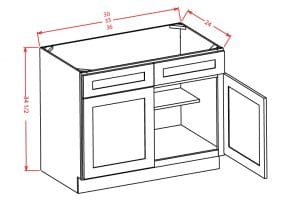
Image Source: www.cabinetcorp.com
Standard Cabinet Depth: What to Know
The 24-inch standard kitchen cabinet depth is not a random number. It is a carefully chosen size. This depth works well for many reasons. It gives you good storage inside the cabinet. It also lets you use standard kitchen appliances. Most ovens, dishwashers, and sinks are made to fit with this depth.
This depth also helps when you put in your kitchen countertop depth. Most counters are 25 or 25.5 inches deep. This extra inch or so lets the counter hang over the cabinet front. This overhang protects the cabinet doors from spills. It also gives you a small edge for comfort.
Typical Base Cabinet Dimensions
While depth is often 24 inches, other parts of the cabinet also have standard sizes.
* Depth: 24 inches (from front of box to back)
* Width: Common widths are 9, 12, 15, 18, 21, 24, 30, 33, 36, 42, and 48 inches. These widths are in 3-inch steps.
* Height: Standard height is 34.5 inches. This is without the countertop.
* Toe Kick: The space at the bottom front is usually 4.5 inches high and 3 inches deep. This lets you stand closer to the counter without kicking the cabinet.
These typical base cabinet dimensions make it easy to plan and buy cabinets. Most cabinet makers offer these sizes. This keeps costs down and makes installation easier.
Why the 24-Inch Rule?
The 24-inch depth is a common standard. It works for many kitchen needs.
* Appliance Fit: Many kitchen appliances, like dishwashers and ranges, fit well with this depth. They can sit flush with the cabinet fronts. This gives a smooth, clean look.
* Counter Space: This depth offers plenty of counter space for cooking and prep. You can easily chop vegetables or use small appliances.
* Ergonomics: It allows most people to reach items at the back of the cabinet. It also lets you stand at the counter in a comfortable way. You do not have to lean too far forward.
* Storage Space: A 24-inch depth gives good storage for pots, pans, and dishes. You can stack items or use pull-out shelves.
This standard depth makes kitchen design simpler. It helps new kitchens work well right away.
Beyond the Standard: Different Depths
While 24 inches is standard, not all cabinets are that deep. Sometimes, a different depth works better. This might be for small spaces or special needs. Knowing about these options can help you plan your kitchen well.
Shallow Base Cabinet Options
Sometimes, you need less depth. Shallow base cabinet options are great for tight spots. They are often 12, 15, or 18 inches deep.
* Narrow Kitchens: In a very narrow kitchen, a 24-inch deep cabinet might block the walkway. A shallow cabinet leaves more space.
* Specific Storage: They are good for storing smaller items. Think about spices, canned goods, or glassware.
* Utility Areas: A shallow cabinet might work well in a laundry room or mudroom.
* Decorative Use: Sometimes, a shallow cabinet is used to add a design element. It might be in a dining nook.
These shallow cabinets can be a smart choice. They help you use every bit of space. They are also good for making a room feel more open.
Custom Kitchen Cabinet Sizes
Not every kitchen fits standard sizes. Custom kitchen cabinet sizes can solve unique problems.
* Odd Spaces: If your kitchen has strange corners or bumps, custom cabinets can fit perfectly.
* Unique Appliances: Some specialty appliances might need a different depth. A professional coffee machine or a large wine fridge might need a custom space.
* Design Choices: You might want a specific look. Maybe deeper cabinets for an island or shallower ones for a pantry wall.
* Accessibility Needs: If someone in the home uses a wheelchair, custom sizes can help. They can make the kitchen easier to use.
Custom cabinets cost more. But they can make your kitchen truly yours. They ensure every inch works for you. They can also add great value to your home.
Appliance Needs: Cabinet Depth
Appliances need specific depths to fit right. It is important to think about them when choosing cabinet depths. Your cabinets must match the appliances you plan to use. This makes sure everything fits smoothly.
Cabinet Depth for Dishwasher
A common question is about the cabinet depth for dishwasher units. Most dishwashers are designed to fit into a 24-inch deep cabinet space.
* Standard Fit: Dishwashers are usually around 23.5 to 24 inches deep. This lets them sit flush with the front of standard cabinets.
* Plumbing Space: Remember, you need space behind the dishwasher for water lines and drain hoses. Cabinet depth usually means the box itself. The wall behind may need extra space for plumbing.
* Electrical: An outlet is also needed behind or next to the dishwasher.
When planning for a dishwasher, make sure the opening is ready. The standard 24-inch depth works for almost all models. If you pick a very slim or extra-large model, check its exact depth.
Other Appliance Matches
Many other kitchen appliances also fit standard depths.
* Ranges/Stoves: Freestanding ranges are usually 24-25 inches deep. They often stick out a little from the cabinets. Slide-in ranges are made to sit flush. They need a cabinet opening of 24 inches deep.
* Refrigerators: Most fridges are deeper than 24 inches. “Counter-depth” fridges are about 25-26 inches deep. They stick out less than regular fridges. Built-in refrigerators can sit fully flush. They need special cabinet panels and depths.
* Microwaves: Built-in microwaves often go into upper cabinets. But some can go into base cabinets. Check their depth to make sure they fit your chosen cabinet.
* Wall Ovens: Wall ovens go into special cabinets. These cabinets have specific cutouts. The cabinet depth must match the oven’s depth.
Always check the specs for your exact appliances. This stops problems during installation. It helps your kitchen look clean and finished.
Special Cabinet Depths
Some kitchen areas have different depth needs. These include kitchen islands and sinks. They need special thought for their cabinets.
Kitchen Island Cabinet Depth
Kitchen island cabinet depth can vary a lot. It depends on how you use the island.
* Single-Sided Island: If an island has cabinets on only one side, the depth might be 24 inches. This is like a regular base cabinet.
* Double-Sided Island: Many islands have cabinets on both sides. This means the total depth is much more. It could be 48 inches or more. This lets you store things from both sides.
* Seating Area: If your island has a seating area, you need an overhang. This overhang usually needs at least 15 inches of clear space for knees. So, a 24-inch deep cabinet plus a 15-inch overhang means a total depth of 39 inches.
* Appliance Integration: Islands often hold sinks, dishwashers, or cooktops. These need their specific depths.
* Mixed Depths: An island might have deeper cabinets on one side and shallower ones on the other. This creates visual interest and different storage options.
Here is a table showing common island depths:
| Island Use Case | Cabinet Depth (inches) | Counter Overhang (inches) | Total Island Depth (inches) | Notes |
|---|---|---|---|---|
| Single-Sided Storage | 24 | 1 | 25 | Standard base cabinet |
| Double-Sided Storage | 48 | 1 | 49 | Two 24″ cabinets back-to-back |
| Island with Seating | 24 | 15+ | 39+ | Allows comfortable knee room |
| Appliance Integration | Varies | Varies | Varies | Check appliance specs for exact needs |
Planning your kitchen island cabinet depth well is key. It helps your island be both useful and comfortable.
Undersink Cabinet Dimensions
The undersink cabinet dimensions also have unique features. While the depth is usually 24 inches, the inside space is special.
* Open Interior: Undersink cabinets do not have full shelves. They must leave space for the sink bowl. They also need room for plumbing pipes.
* False Fronts: Many undersink cabinets have a “false front” drawer directly below the counter. This panel looks like a drawer but does not open. It covers the sink’s bowl.
* Width: Undersink cabinets come in various widths. Common sizes are 30, 33, and 36 inches. This lets them hold different sink sizes.
* Depth for Sink: The 24-inch depth is crucial for the sink. Most sinks are made to fit this depth. A deeper or shallower cabinet might not work for a standard sink.
Make sure your sink fits your chosen cabinet. Also, plan for the water lines and drain.
Cabinet Depth Considerations for Kitchen Planning
Thinking about cabinet depth is a big part of kitchen design. It affects how your kitchen works and how it looks. Good planning makes your kitchen a joy to use.
Kitchen Layout Cabinet Dimensions
The total kitchen layout cabinet dimensions depend heavily on depth.
* Walkway Space: Standard walkways should be at least 36 inches wide. If you have two rows of cabinets facing each other, this means: 24″ (cabinet 1) + 36″ (walkway) + 24″ (cabinet 2) = 84 inches. That is 7 feet of clear space needed.
* Appliance Clearances: Open oven doors or dishwashers need space. Consider how much room they take up when open.
* Ergonomics: How far can you reach comfortably? Deeper cabinets are great for storage. But they can make it hard to get things at the back. Pull-out shelves can help here.
* Visual Balance: Does the depth look right in the room? Very deep cabinets in a small kitchen can feel heavy. Shallow cabinets can make a room seem larger.
* Traffic Flow: Make sure people can move freely. No cabinet or counter should block common paths.
Good planning of your kitchen layout cabinet dimensions helps your kitchen feel open. It also helps it work well.
Storage and Accessibility
Cabinet depth changes how you store things.
* Deep Cabinets: Best for large items. Think pots, slow cookers, or stand mixers. But items at the back can be hard to get. Use pull-out drawers or trays for easier access.
* Shallow Cabinets: Best for smaller items. Canned goods, spices, or dinnerware. Everything is easy to see and reach.
* Corner Cabinets: These often have special depths or shapes. Lazy Susans or pull-out units make them useful. Without these, corners can become lost space.
When planning, think about what you store. Choose depths that make sense for your items.
Aesthetic Impact
Depth also affects the look of your kitchen.
* Uniformity: Using all 24-inch deep cabinets creates a clean, smooth line. This is a common and popular look.
* Layering: You can use cabinets of different depths. For example, a pantry might be 15 inches deep. Next to it, base cabinets are 24 inches deep. This can add visual interest. It also creates more floor space where the shallow cabinets are.
* Integrated Appliances: When appliances fit perfectly, it makes the kitchen look custom. This is easier with standard depths.
Thinking about depth helps make your kitchen both useful and beautiful.
Installation and Practical Tips
Once you plan your depths, you need to think about putting them in. A few tips can make this process smoother.
Measuring Your Space
Measure your kitchen carefully.
* Walls: Check if walls are straight. Old homes often have crooked walls. This can affect how cabinets fit.
* Openings: Measure doors, windows, and any bumps in the wall.
* Appliances: Know the exact width, depth, and height of your chosen appliances.
* Plumbing/Electrical: Mark where pipes and outlets are. These spots affect where cabinets can go.
Measure twice, order once. This common saying is very true for cabinets.
Dealing with Inconsistencies
Sometimes, walls are not perfect.
* Shimming: Small wooden pieces called shims can fix gaps behind cabinets. This makes them sit straight.
* Filler Strips: If cabinets do not quite fill a space, a filler strip can be used. This makes the gap disappear.
* Scribing: Sometimes, the back of a cabinet needs to be cut to fit a wavy wall. This is called scribing. It helps the cabinet sit tight against the wall.
These methods help your cabinets look good even with old walls.
Future-Proofing Your Kitchen
Think about the future when choosing depths.
* Appliance Upgrades: Appliances change. A standard 24-inch depth is most likely to fit new models later on.
* Changing Needs: Your family’s needs might change. Deeper cabinets offer more space if you need it later. Shallow ones can make a small kitchen feel larger.
* Resale Value: Standard depths are often preferred by buyers. They make a kitchen easier to adapt.
Planning for the future helps your kitchen stay useful and valuable for a long time.
Frequently Asked Questions
How deep should kitchen base cabinets be?
Most kitchen base cabinets should be 24 inches deep. This is the standard size. It works well for most appliances and provides enough counter space.
Can kitchen base cabinets be shallower than 24 inches?
Yes, kitchen base cabinets can be shallower. You can find options that are 12, 15, or 18 inches deep. These are good for narrow spaces or specific storage needs.
Does a kitchen countertop overhang the base cabinets?
Yes, kitchen countertops usually overhang the base cabinets. The standard kitchen countertop depth is 25 to 25.5 inches. This is about 1 to 1.5 inches deeper than the standard 24-inch cabinet. This overhang protects cabinets and gives a finished look.
How much space do I need for a dishwasher behind the cabinet?
A standard dishwasher is made to fit in a 24-inch deep cabinet space. You will also need a small gap for plumbing lines. This is usually managed within the cabinet opening and wall space.
What is the typical depth of kitchen island cabinets?
Kitchen island cabinet depth varies a lot. If it has cabinets on one side, it might be 24 inches. If it has cabinets on both sides, it could be 48 inches or more. Islands with seating need extra depth for a counter overhang, often making the total depth 39 inches or more.
Are custom kitchen cabinet sizes worth the cost?
Custom kitchen cabinet sizes can be worth the cost for unique spaces. They are good for odd layouts or special appliance needs. They can maximize space and provide a perfect fit.
How do cabinet depths affect kitchen layout and traffic flow?
Cabinet depths greatly affect your kitchen layout cabinet dimensions. Deeper cabinets take up more floor space. This can make walkways narrower. Always ensure at least 36 inches of clear walkway space. Careful planning helps create good traffic flow.
Do undersink cabinets have special depth needs?
Undersink cabinet dimensions are usually 24 inches deep, like other base cabinets. However, the inside is open for the sink bowl and plumbing. They do not have full shelves inside.
What are cabinet depth considerations for accessibility?
For accessibility, cabinet depth might need changes. Shallower cabinets can make items easier to reach. Pull-out shelves in deeper cabinets help too. Custom kitchen cabinet sizes can be designed to fit specific needs, like wheelchair access.