
A common question among cat owners is, “How do I keep my cat off the kitchen counter?” The simple answer is by using a combination of positive reinforcement, deterrents, and environmental modifications. This guide will delve into various methods to safely and effectively achieve this goal, addressing the underlying reasons for this behavior and offering humane solutions.
Cats often jump onto kitchen counters for a variety of reasons, including curiosity, a desire for food, or seeking a higher vantage point. Fathoming their motivations is the first step toward redirection. Understanding cat behavior is key to finding the right approach.
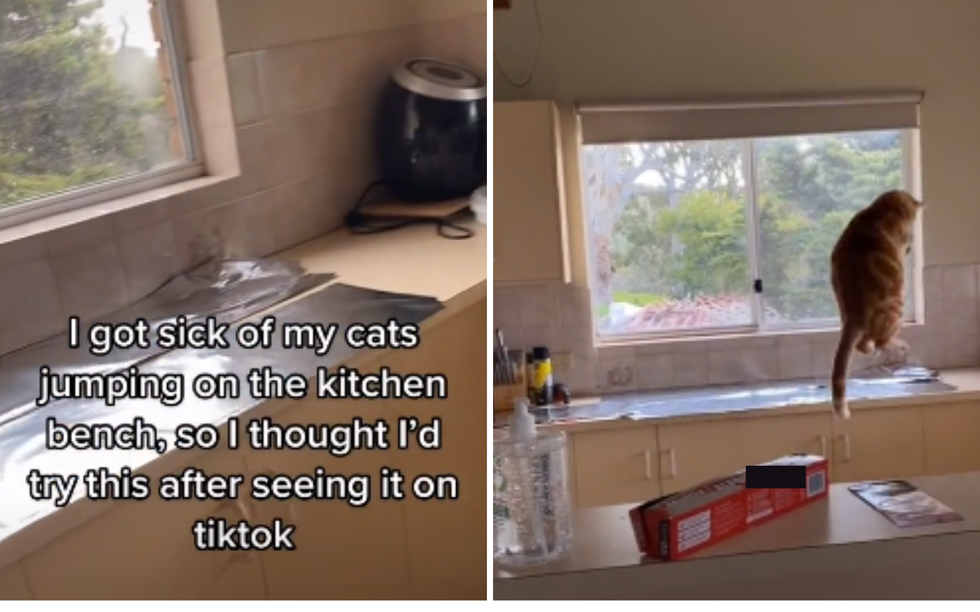
Image Source: www.indy100.com
Why Cats Love High Places
Cats are natural climbers. Their ancestors lived in trees and rocky outcrops, using these elevated spots for safety and to survey their surroundings. The kitchen counter, for your cat, represents a prime location:
- Excellent View: It offers a commanding view of the kitchen, their territory, and potentially the humans who prepare their food.
- Access to Scraps: The allure of dropped food bits or lingering smells is powerful.
- Curiosity: New scents, interesting objects, or movement on the counter can pique their interest.
- Warmth: Some appliances, like ovens or refrigerators, emit gentle warmth, making the counter a cozy spot.
- Boredom: If a cat isn’t sufficiently stimulated, exploring forbidden territory like the counter can become an activity.
Safe Deterrents: What Works and What Doesn’t
When introducing deterrents, the goal is to make the counter an unappealing place for your cat without causing them harm or fear.
Unpleasant Textures and Sounds
Cats have sensitive paws and dislike certain textures or sudden noises. These can be used as gentle deterrents.
- Sticky Mats: Many pet stores sell specially designed sticky mats or mats with textured surfaces. When a cat steps on these, the unfamiliar, slightly unpleasant sensation encourages them to jump down. Place these strategically on areas your cat frequents.
- Aluminum Foil: While effective, aluminum foil can be noisy and unsettling for some cats. Laying sheets of foil on the counter can deter them with its crinkly sound and smooth, slippery texture. However, some cats may ignore it, and the noise can be distressing to sensitive pets.
- Double-Sided Tape: Cats dislike sticky surfaces on their paws. Applying strips of double-sided tape to the edges of the counter can be a good temporary solution. They’ll step on it, dislike the feeling, and hop off.
- Placemats: Non-slip, textured placemats can also make the surface less appealing than a smooth, hard counter.
Scent-Based Deterrents
Cats have a strong sense of smell, and certain scents are aversive to them.
- Citrus Spray: Cats generally dislike the smell of citrus. A citrus spray, made from diluted lemon or orange juice (ensure it’s diluted and not concentrated essential oils, which can be toxic), can be sprayed lightly on the counter. Always test in an inconspicuous area first to ensure it doesn’t damage your surfaces. Reapply regularly.
- Commercial Cat Repellents: There are commercially available sprays designed to deter cats. Look for those made with natural ingredients and avoid anything that smells strongly of artificial chemicals, as these can be harmful or simply ineffective.
Motion-Activated Deterrents
These devices provide an immediate, startling reaction when the cat approaches.
- Motion-Activated Spray Cans: These devices release a short burst of harmless compressed air when they detect motion. The sudden puff of air is startling and teaches the cat to associate the counter with an unpleasant surprise. Place them strategically on the counter.
- Motion-Activated Alarms: Similar to the spray cans, these emit a startling sound. The key is to use a sound that is loud enough to deter but not so loud that it traumatizes the cat.
Important Note on Deterrents: The goal is to redirect behavior, not to create fear. If a deterrent causes extreme anxiety or distress, it’s not the right method for your cat.
Positive Reinforcement and Training
While deterrents can be useful, positive reinforcement is crucial for long-term success and a healthy relationship with your cat.
Teaching Alternative Behaviors
Instead of just punishing the unwanted behavior, teach your cat what you want them to do.
- Designated Perches: Provide attractive alternatives. A tall cat tree with multiple levels, a window perch, or a cat shelf can offer your cat the high vantage points they crave. Place these in desirable locations, like near a window with a view or in a social area of the house.
- Redirection: When you see your cat about to jump on the counter, gently redirect them to their designated perch or a favorite toy. Offer praise and a treat when they engage with the alternative.
- Clicker Training: This can be an effective training tool. Click and treat your cat when they are on their cat tree or playing with their toys. Gradually, they will associate these positive actions with rewards.
Making the Counter Less Appealing
Beyond deterrents, consider how you can make the counter itself less interesting.
- Cleanliness: Wipe down counters regularly to remove food residue or strong smells that might attract your cat.
- No Food Left Out: Never leave food unattended on the counter. Even a small morsel can be a powerful motivator.
- Remove Temptations: Keep anything interesting, like shiny utensils or small objects, off the counter when you’re not actively using them.
Cat-Proofing Your Kitchen
Cat-proofing your kitchen involves making it a safe and less tempting environment for your feline friend.
Environmental Enrichment
A bored cat is more likely to seek out “trouble.” Providing sufficient enrichment activities is vital.
- Interactive Toys: Puzzle feeders, feather wands, and laser pointers (used responsibly, always ending with a physical toy they can “catch”) can keep your cat engaged and physically exercised.
- Rotation of Toys: Keep toys fresh and exciting by rotating them.
- Vertical Space: As mentioned, cat trees and shelves are excellent for providing climbing opportunities.
- Window Views: Ensure your cat has access to windows where they can watch birds or street activity.
- Playtime: Schedule dedicated daily playtime with your cat. This bonding time fulfills their need for interaction and exercise.
Creating “No-Go” Zones
This is where deterrents come into play, but the focus is on consistency.
- Consistency is Key: Everyone in the household needs to be on the same page. If one person allows the cat on the counter, it undermines the efforts of others.
- Immediate Intervention: If you catch your cat on the counter, don’t yell or physically punish them. Gently pick them up and place them on the floor or their designated perch. Offer a positive interaction there.
Addressing Specific Scenarios
Let’s look at some common situations and how to handle them.
The Food-Motivated Counter-Jumper
If your cat is primarily motivated by food, the focus needs to be on managing their environment and diet.
- Secure Food Storage: Ensure all food items, including pet food, are stored in sealed containers and cabinets.
- Mealtime Routine: Feed your cat at regular intervals. This can help reduce their anxiety about food scarcity.
- Puzzle Feeders for Meals: Instead of putting food directly in a bowl, use a puzzle feeder. This makes mealtime an engaging activity and can satisfy their need to “work” for food.
- No “Free Feeding”: Avoid leaving dry food out all day. This can encourage grazing and increase the likelihood of counter-surfing.
The Curious Explorer
For cats driven by curiosity, enrichment and making the counter less interesting are paramount.
- Out-of-Reach Storage: Store items that might attract their attention (e.g., shiny objects, interesting-smelling cleaners) in cupboards.
- Surface Choices: If your cat likes smooth surfaces, try placing a textured mat or a less appealing placemat on the counter.
- Interactive Play: Engage their minds with puzzle toys and play sessions.
The “I Just Want to Be Near You” Cat
Sometimes, a cat jumps on the counter simply because that’s where their human is.
- Create an Alternative Social Space: If possible, set up a comfortable cat bed or a small stool near the kitchen but not on the counter. This allows them to be in the same room without being on a forbidden surface.
- Acknowledge and Redirect: When they jump up, acknowledge them with a gentle word, pick them up, and place them in their nearby social spot.
What to Avoid When Training
Some common mistakes can hinder your progress or even harm your cat.
Punishment-Based Methods
- Scolding or Yelling: This can make your cat fearful of you, not the counter. They might learn to be stealthier rather than stop the behavior.
- Physical Punishment: Never hit, push, or physically reprimand your cat. This is cruel, ineffective, and can lead to aggression or anxiety.
- Water Sprays: While some suggest water bottles, this can create a negative association with you and the kitchen, making them fearful of both. It’s aversive and not ideal for positive training.
Inconsistent Reinforcement
- Mixed Signals: Allowing the cat on the counter sometimes and not others will confuse them and make it harder to break the habit.
- Giving In: If your cat persistently begs for food on the counter, giving in teaches them that persistence pays off.
Ignoring the Root Cause
- Only Using Deterrents: If you rely solely on deterrents without providing environmental enrichment or addressing boredom, the problem might persist or manifest in other unwanted behaviors.
Table: Summary of Deterrents and Their Effectiveness
| Deterrent Method | How it Works | Pros | Cons | Best For |
|---|---|---|---|---|
| Sticky Mats | Unpleasant texture on paws | Safe, humane, effective for many | Can be expensive, some cats may tolerate them | Cats sensitive to paw texture |
| Aluminum Foil | Noise and texture | Inexpensive, readily available | Can be distressing for some cats, not all cats are deterred | Cats bothered by noise/slippery surfaces |
| Double-Sided Tape | Sticky sensation on paws | Safe, often effective | Can be visually unappealing, needs regular replacement | Cats sensitive to sticky paws |
| Citrus Spray | Aversive scent | Natural, can be pleasant for humans | Needs frequent reapplication, some cats are not deterred by scent | Cats sensitive to citrus smells |
| Motion-Activated Spray | Sudden, harmless puff of air | Immediate feedback, doesn’t require constant supervision | Can startle cats intensely, requires battery replacement, cost | Cats that respond to sudden, surprising stimuli |
| Cat Trees/Perches | Provides attractive alternatives | Positive reinforcement, redirects behavior, enriching | Requires space and investment, may need careful placement | All cats, especially those seeking height |
Long-Term Success and Patience
Keeping your cat off the kitchen counter is a process that requires patience, consistency, and a deep appreciation for your cat’s natural instincts. By combining effective deterrents with positive reinforcement and a stimulating environment, you can create a harmonious living space for both you and your feline companion.
Remember, every cat is an individual. What works for one may not work for another. Observe your cat, adjust your strategies as needed, and celebrate small victories. With time and the right approach, you can successfully manage this common feline behavior.
Frequently Asked Questions (FAQ)
Q1: Will my cat ever stop jumping on the counter?
A1: Many cats can be trained to stay off counters with consistent effort and the right methods. Patience is key.
Q2: Is it okay to use sticky tape on my counters?
A2: Yes, double-sided tape is generally safe for most counter surfaces, but it’s always wise to test it in an inconspicuous area first. It’s also a temporary solution as it needs to be replaced.
Q3: Can I spray my cat directly with citrus spray?
A3: No, never spray your cat directly. The spray is meant for surfaces to create an unappealing environment. Also, ensure any citrus-based deterrent is heavily diluted, as concentrated citrus can be toxic to cats.
Q4: My cat ignores the aluminum foil. What else can I try?
A4: If aluminum foil isn’t working, try sticky mats or double-sided tape. You might also consider a motion-activated spray for a more immediate deterrent.
Q5: How often should I reapply citrus spray or commercial deterrents?
A5: This depends on the product and your climate. Generally, reapply every few days or after cleaning surfaces. Check product instructions for specific guidance.
Q6: Should I get a motion-activated spray for every counter surface?
A6: You don’t need them everywhere. Focus on the areas your cat accesses most frequently or where food is prepared.
Q7: My cat seems bored and jumps on the counter when I’m not home. What can I do?
A7: This is a prime example of needing more enrichment activities. Provide plenty of interactive toys, puzzle feeders, and climbing opportunities like a tall cat tree. Schedule dedicated playtime with you.
Q8: Is it okay for my cat to sit on the counter if I’m supervising?
A8: It can be confusing for cats. To avoid mixed signals, it’s best to establish consistent rules. If you allow them on the counter with you, they may not understand why it’s forbidden when you’re not there.
Q9: What is the best way to train my cat to use a cat tree instead?
A9: Place the cat tree in a desirable location, such as near a window. Entice them with treats, toys, or catnip. Reward them with praise and treats whenever they use it, especially when they jump off the counter to go to the tree. This is a form of positive reinforcement training.
Q10: My cat is scratching the counter when trying to jump on it. How can I stop this?
A10: Ensure your cat has appropriate scratching posts available. If the scratching is a related anxiety or boredom issue, increase enrichment activities and playtime. You can also temporarily cover scratched areas with a deterrent or a less appealing material until the behavior is redirected.