
How do you prevent falls in the kitchen? You can prevent falls in the kitchen by tackling common dangers like wet floors and trip hazards. This means keeping floors clean and dry, choosing safe flooring, and using non-slip mats. Good lighting, smart organization, and wearing the right shoes also make a big difference. Taking these simple steps helps make your kitchen a much safer place for everyone.
Falls in the kitchen are a real danger. This room is often full of hot liquids, sharp tools, and slick surfaces. It is easy to slip or trip. Every year, many people get hurt from kitchen falls. Some falls cause serious injuries like broken bones. But you can stop these falls from happening. This guide gives you expert tips to make your kitchen safer right now. We will look at common dangers and simple ways to fix them.
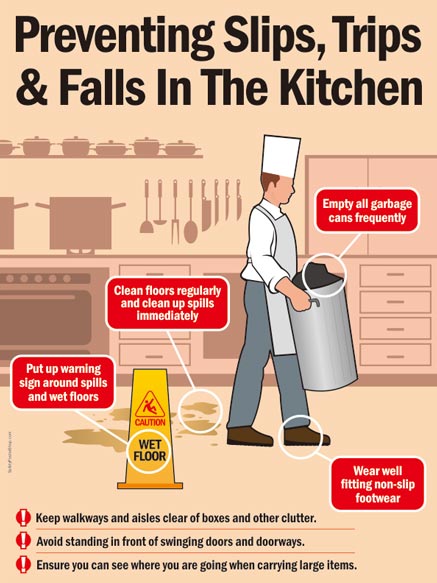
Image Source: www.safetypostershop.com
Spotting Common Dangers
Before we can prevent falls, we need to know what causes them. Kitchens have many hidden dangers that can make you slip or trip. Spotting these dangers is the first step to a safer kitchen.
Kitchen Slip Hazards: The Sneaky Risks
Slip hazards are things that make your feet lose grip. They are very common in kitchens.
* Water: Water is the most common slip hazard. A few drops from the sink or a small spill can make the floor very slick. Ice cubes from the freezer also melt into dangerous puddles.
* Oil and Grease: These are even worse than water. They create a very slippery film on surfaces. Cooking oil, butter, or grease from frying can make the floor like an ice rink.
* Food Bits: Small pieces of food, like dropped vegetables, crumbs, or spilled flour, can act like tiny ball bearings under your feet. They make it easy to slide.
* Dust and Dirt: Over time, dust and fine dirt can build up. This makes the floor less grippy, especially if it gets a little damp.
* Pet Messes: Pet water bowls can spill. Or a pet might track in mud or dirt, creating slick spots. Even pet toys left on the floor can be a hazard.
Kitchen Trip Hazards: Things That Make You Stumble
Trip hazards are things that get in your way and make you fall over.
* Loose Rugs or Mats: If a rug does not have a non-slip backing, it can slide out from under you. Or, its edges might curl up, creating a bump.
* Appliance Cords: The cords for your toaster, coffee maker, or mixer can hang down or cross walkways. Stepping on or getting tangled in them is a common cause of trips.
* Open Drawers and Cabinet Doors: It is easy to forget a drawer is open, especially lower ones. Walking into an open door or drawer corner can cause a painful trip or bump.
* Items on the Floor: Shoes, bags, pet bowls, or even forgotten cleaning supplies can be left in the middle of a path. You might not see them until it is too late.
* Uneven Surfaces: Sometimes, kitchen flooring might have small bumps, raised edges, or worn spots. These tiny changes can make you lose your balance.
Crafting a Secure Cooking Space
Your kitchen’s design and setup play a big role in preventing falls. Making smart choices about flooring, how you clean, and how you light the room can greatly improve safety.
Safe Kitchen Flooring: A Foundation for Safety
The type of floor in your kitchen matters a lot. Some floors are much safer than others.
* Avoid Very Smooth Floors: Highly polished tile, marble, or smooth hardwood can be very slippery when wet. These floors offer little grip.
* Choose Floors with Good Grip: Look for flooring materials that have some texture. This texture helps your shoes grip the surface, even if it is a bit damp.
* Textured Vinyl: This is a popular choice. It often has a slight texture. It is also water-resistant and easy to clean.
* Non-Slip Tiles: Some ceramic or porcelain tiles are made with a rougher surface. Ask for “slip-resistant” or “high Coefficient of Friction (COF)” tiles.
* Cork Flooring: Cork is naturally softer and offers good grip. It also feels warmer underfoot.
* Rubber Flooring: This is often seen in commercial kitchens. It is very durable and provides excellent non-slip properties. It can be a good choice for home too.
* Keep Floors in Good Shape: Even the best flooring can become a hazard if not cared for.
* Fix any loose tiles or floorboards right away.
* Clean your floors regularly. Dirt and grime can reduce the floor’s grip.
* Use cleaners that do not leave a slick residue. Always follow product directions.
Preventing Kitchen Spills: Clean Up Fast
Spills are a top reason for kitchen falls. Being ready and quick to act can save you from a slip.
* Wipe Spills Right Away: This is the most important rule. Do not wait even a minute. If something spills, grab a cloth or paper towel and clean it up immediately.
* Use Trays for Carrying: When you move drinks, hot food, or a lot of items, use a tray. This makes it less likely to spill and easier to carry things safely.
* Do Not Overfill Pots and Pans: When cooking, do not fill pots or pans to the very top. This stops liquids from boiling over or splashing onto the floor.
* Keep Cleaning Supplies Handy: Store a roll of paper towels or a few cleaning cloths near the sink. This way, you do not have to walk far to get what you need after a spill.
* Be Careful When Pouring: Pour liquids over the sink if possible. This way, any drips go down the drain, not onto the floor.
* Defrost Food Safely: Place frozen food on a plate or in a container when defrosting in the fridge. This catches any melting water and stops it from leaking onto the floor.
Here is a quick guide to spill cleanup:
| Spill Type | Best Action | Notes |
|---|---|---|
| Water | Mop or wipe immediately. | Ensure floor is completely dry. |
| Oil/Grease | Cover with flour, cornstarch, or baking soda. | Let it sit to soak up oil, then sweep and clean with degreaser. |
| Sticky Drinks | Wipe immediately with wet cloth, then dry. | Sugary drinks can leave a sticky, slippery residue if not cleaned well. |
| Broken Glass/Crockery | Use a broom and dustpan for large pieces. | Use a damp paper towel or bread to pick up tiny shards. Do not use bare hands. |
Anti-Slip Kitchen Mats: Extra Grip Where You Need It
Even with good flooring, some areas in the kitchen see a lot of spills or foot traffic. Anti-slip mats can add an important layer of safety.
* Where to Place Them:
* In front of the sink: This is where most water spills happen.
* By the stove/cooktop: Grease and food bits can splatter here.
* Near the refrigerator: Ice and water spills are common from ice makers.
* High-traffic walkways: If there is a path you walk often, a mat can add comfort and safety.
* Choosing the Right Mat:
* Non-Slip Backing: This is crucial. The mat must have a rubberized or silicon backing that grips the floor. It should not slide when you step on it.
* Low Profile: Mats that are too thick or have high edges can become trip hazards themselves. Choose mats that are thin and lay flat. Be sure the edges do not curl up.
* Material:
* Rubber mats: Excellent for non-slip properties, easy to clean.
* Gel or foam mats: Offer good cushioning for standing for long periods, often have good non-slip backing.
* Textured fabric mats: If they have a strong non-slip backing, they can work. Make sure they are washable.
* Cleaning and Care:
* Wash mats regularly to remove built-up dirt, grease, and food debris. A dirty mat can become slippery.
* Check the backing often. If it wears out, the mat may lose its grip. Replace worn-out mats.
* Make sure mats are completely dry before putting them back down. A wet mat can trap moisture and cause a slip.
Kitchen Lighting Safety: See Clearly, Stay Safe
Good lighting helps you see dangers before you step on them. A well-lit kitchen makes everything safer.
* Bright Overhead Lights: Your main kitchen light should be bright enough to illuminate the whole room evenly. No dark corners where spills or trip hazards can hide.
* Task Lighting: This is light that shines directly on your work areas.
* Under-cabinet lights: These are great for lighting countertops where you chop, prepare food, and use small appliances.
* Pendant lights: These can focus light over an island or peninsula.
* Task lighting helps you see what you are doing clearly, reducing the chance of spills or cutting yourself.
* Night Lights: If you often go into the kitchen at night, even for a glass of water, consider a plug-in night light. This provides just enough light to see your path without turning on bright lights. It helps prevent trips in the dark.
* Fix Dim or Dead Bulbs: Replace any light bulbs that are dim or burned out right away. Do not wait.
* Avoid Glare: Make sure lights are placed so they do not create harsh glare on shiny surfaces. Glare can hide spills.
Smart Habits for Personal Safety
Beyond fixing up your kitchen, your own habits play a big role in preventing falls. What you wear, how you organize, and how you move can make a huge difference.
Appropriate Kitchen Footwear: What to Wear
Your shoes are your first line of defense against slips. Choosing the right pair is crucial.
* Closed-Toe Shoes: Always wear shoes that cover your whole foot. This protects your toes from falling objects or sharp tools.
* Good Grip, Non-Slip Soles: This is the most important feature. Look for shoes with rubber soles that have a good tread pattern. Shoes designed for restaurant workers often have excellent non-slip features.
* Avoid These:
* Socks and Bare Feet: These offer no grip on hard kitchen floors and are very dangerous, especially if the floor is even slightly damp.
* Loose Slippers: Slippers can slide off your feet or cause you to trip. Their soles often lack good grip.
* High Heels: These can make you unsteady and increase the risk of a fall.
* Worn-Out Soles: If the tread on your favorite shoes is worn smooth, they will not offer good grip. Replace them.
* Comfort and Support: Choose shoes that fit well and offer good support. This helps with balance and reduces foot fatigue, which can also lead to missteps.
Kitchen Organization for Safety: A Place for Everything
A messy kitchen is a dangerous kitchen. Good organization means less clutter and fewer things to trip over.
* Keep Floors Clear: This is the golden rule. Nothing should be on the floor unless it is in use and actively being moved.
* Put away shopping bags.
* Do not leave pet bowls in walkways.
* Store cleaning supplies in cabinets, not on the floor.
* Put Things Back Right Away: After you use an item, put it back where it belongs. Do not leave cutting boards on the counter edge, or pots and pans scattered around.
* Store Heavy Items Low: Store heavy pots, pans, and small appliances in lower cabinets. This stops you from having to reach up and potentially lose balance or drop something heavy.
* Tools Easy to Reach: Place frequently used items within easy reach. This avoids stretching, bending awkwardly, or using unstable chairs to get things.
* Use drawer organizers for utensils.
* Keep spices near the stove.
* Use pull-out shelves for easy access to deep cabinets.
* No Clutter on Counters: While counter clutter does not directly cause slips, it can make it harder to find what you need quickly. This might lead to rushing or moving awkwardly, increasing fall risk. Clear counters also make spills easier to spot and clean.
* Manage Cords: Keep appliance cords neat and tucked away. Use cord clips if needed to secure them against the wall or counter, away from walkways. Never run cords across a walking path.
Here are some organization tips for a safer kitchen:
| Area of Kitchen | Safety Organization Tip | Benefit |
|---|---|---|
| Floor | Keep completely clear of all items. | No trip hazards. Easy to clean spills. |
| Cabinets (Lower) | Store heavy items, frequently used pots/pans. | Less bending and stretching; reduces risk of dropping heavy items. |
| Cabinets (Upper) | Store lighter, less-used items. | Safer reaching; less chance of items falling. |
| Counters | Keep clear except for often-used appliances; use trays. | More workspace; easier to spot spills; less clutter to knock over. |
| Drawers | Use dividers for utensils and tools. | Items are easy to find; drawers can close fully. |
| Pantry | Use bins and shelves; keep items organized and visible. | Prevents items from falling; reduces need for excessive reaching. |
| Under Sink | Use caddies or small bins for cleaning supplies. | Keeps items contained; less likely to spill or create a mess. |
Mindful Movement: Taking Your Time
Rushing is a common cause of accidents, including falls. Being present and careful as you move in the kitchen can prevent many mishaps.
* Do Not Rush: Take your time when moving between the stove, sink, and fridge. Walk at a steady pace. Rushing increases the chance of slipping or tripping.
* Walk, Do Not Run: Never run in the kitchen, especially if the floor is wet or you are carrying something.
* Use Proper Tools for Reaching: If something is too high, use a sturdy step stool or a small ladder. Do not stand on chairs, countertops, or unstable objects. Make sure the step stool has anti-slip feet.
* Open Doors Fully: When opening a fridge, oven, or cabinet door, open it all the way. This stops you from accidentally walking into a half-open door.
* Carry Safely: When carrying hot liquids or heavy items, hold them with both hands. Make sure you can see over what you are carrying. If an item is very heavy, make multiple trips or ask for help.
Extra Care for Seniors in the Kitchen
For older adults, fall prevention in the kitchen is even more vital. Age can bring changes in balance, vision, and strength, making the kitchen a higher risk area. Simple changes can make a big difference for elderly fall prevention in kitchen settings.
Elderly Fall Prevention Kitchen: Tailored Approaches
Making the kitchen senior-friendly means thinking about ease of use and safety.
* Improve Reachability:
* Store items at waist to shoulder height: Place frequently used dishes, glasses, and food items in cabinets and on shelves that are easy to reach without bending or stretching.
* Use grabbers or reach extenders: These tools can help pick up dropped items or reach things on slightly higher shelves without needing to bend or stretch.
* Install pull-out shelves or drawers: These make it much easier to access items deep within cabinets without reaching or kneeling.
* Adaptive Tools and Appliances:
* Easy-grip handles: Choose pots, pans, and utensils with large, easy-to-grip handles.
* Lightweight cookware: Lighter pots and pans are easier to lift and carry, reducing strain and risk of dropping.
* Lever handles instead of knobs: For sink faucets, lever handles are easier to use for those with arthritis or weakened grip, preventing fumbling that could lead to spills.
* Appliances with clear controls: Look for appliances with large buttons and clear displays.
* Provide Seating: A sturdy chair or stool in the kitchen can provide a place to sit and rest while preparing food. This reduces fatigue and the chance of a fall due to tiredness.
* Voice-Activated Devices: Smart home devices can control lights, set timers, or look up recipes with just your voice. This avoids reaching for switches or handling cookbooks, reducing movement and potential risks.
* Ensure Clear Pathways at All Times: This is especially important for seniors. Any small obstruction can be a major trip hazard. Make sure furniture, rugs, and storage items do not block clear walking paths.
* Regular Home Safety Checks: Have a family member or a professional home safety expert regularly check the kitchen for potential hazards. This includes checking flooring, lighting, and general organization. They can spot risks that might be missed.
* Consider Kitchen Layout Changes: For major fall risks, a kitchen remodel might be needed. This could include:
* Lowering countertops: Making all work surfaces a comfortable height for sitting or standing without strain.
* Adding roll-under sink access: For wheelchair users.
* Installing grab bars: Near the sink or high-traffic areas if needed for balance support.
A Safer Kitchen for All: Home Kitchen Safety Tips
Making your kitchen a safer place is an ongoing task. It involves regular checks, teamwork, and knowing when to ask for help. These home kitchen safety tips apply to everyone.
Regular Safety Checks: Look Around Often
Do not wait for a fall to happen. Make it a habit to check your kitchen for safety issues.
* Floor Check: Walk around your kitchen and look at the floor. Are there any loose tiles or floorboards? Are the edges of your mats lying flat? Is the floor clean and dry?
* Light Check: Turn on all your kitchen lights. Are any bulbs dim or burned out? Do you have enough light in all work areas? Are there any dark spots?
* Cord Check: Look at all appliance cords. Are they safely tucked away? Are any frayed or damaged?
* Clutter Check: Scan your countertops and floor. Is there anything that should be put away? Are drawers and cabinet doors fully closed?
Involving Family: A Team Effort
Kitchen safety is not just one person’s job. Everyone in the home can help.
* Teach Kids About Safety: Teach children about kitchen dangers. Show them how to clean up spills. Teach them not to leave toys on the floor. Explain why running in the kitchen is dangerous.
* Ask for Help with Tasks: If you need to move a heavy pot or reach something high, do not try to do it alone. Ask another family member for help.
* Talk About Risks: Have open talks with your family about potential fall risks in the kitchen. Make sure everyone understands the rules, like wiping spills right away.
* Assign Responsibilities: Give family members small tasks to help keep the kitchen safe. For example, one person might be in charge of checking mats, another for putting things away.
When to Seek Help: Making Bigger Changes
Sometimes, simple fixes are not enough. If falls continue, or if your kitchen feels unsafe, it is okay to get professional help.
* If Many Falls Happen: If you or a family member keeps having falls in the kitchen, it is a big warning sign. Talk to a doctor. They might suggest physical therapy to improve balance or suggest a home safety assessment.
* Need for Professional Home Safety Check: You can hire an occupational therapist or a home safety expert. They can come to your home and spot hidden dangers you might miss. They can offer custom advice for your specific kitchen.
* Major Renovations for Better Access: If your kitchen layout or features are truly unsafe, consider major changes. This could involve installing new non-slip flooring, moving cabinets, or making the kitchen more accessible. These changes can be a big investment but can greatly improve long-term safety and independence.
Frequently Asked Questions (FAQ)
Q: Can kitchen mats really prevent falls?
A: Yes, anti-slip kitchen mats can greatly help prevent falls. They give you extra grip in areas prone to spills, like near the sink or stove. They also cushion drops. But they must have a strong non-slip backing and lie flat to avoid becoming a trip hazard themselves.
Q: What is the best floor for a kitchen to prevent falls?
A: The best floor types for preventing falls are those with good natural grip and a textured surface. Good options include non-slip ceramic or porcelain tiles, textured vinyl, cork, or rubber flooring. Avoid very smooth, highly polished surfaces that become extremely slick when wet.
Q: How often should I clean my kitchen floor to prevent falls?
A: You should clean up spills immediately. For general cleaning, aim to sweep or vacuum daily to remove crumbs and dirt. Mop or wipe down the floor with a suitable cleaner at least once or twice a week. This stops grime buildup that can reduce floor grip.
Q: Are area rugs in the kitchen safe?
A: Most area rugs are not safe in the kitchen. They can easily slip or curl up, creating trip hazards. It is much safer to use anti-slip kitchen mats that are specifically designed with non-skid backings and low profiles to stay flat and secure on the floor.
Q: What footwear is best for the kitchen?
A: For maximum safety, wear closed-toe shoes with non-slip rubber soles and good tread. These shoes provide good grip, even on wet surfaces, and protect your feet. Avoid bare feet, socks, loose slippers, and high heels in the kitchen.
Conclusion
Your kitchen should be a place where you feel safe and comfortable. Falls can happen easily, but they do not have to. By taking these expert tips to heart, you can greatly reduce the risk. Start by knowing the dangers: look for kitchen slip hazards like spills and kitchen trip hazards like loose cords. Choose safe kitchen flooring with good grip. Make it a rule for preventing kitchen spills by wiping them fast. Improve kitchen lighting safety so you can see clearly. Use anti-slip kitchen mats where you need extra grip. Remember to wear appropriate kitchen footwear with non-slip soles. Keep your space tidy with good kitchen organization for safety. For older adults, make sure to follow special elderly fall prevention kitchen tips.
These home kitchen safety tips are simple steps that can make a big difference. Make them a part of your daily routine. Walk carefully, clean up quickly, and make sure your kitchen is set up for safety. A safer kitchen means less worry and more enjoyment for everyone who uses it. Start making your kitchen safer today!