
So, you’re thinking about replacing your kitchen sink? The good news is, yes, you can often replace a kitchen sink yourself, and the kitchen sink installation difficulty can range from moderate to challenging, depending on the type of sink and your comfort with basic plumbing. Most DIYers find it a manageable project. Let’s dive into what’s involved!
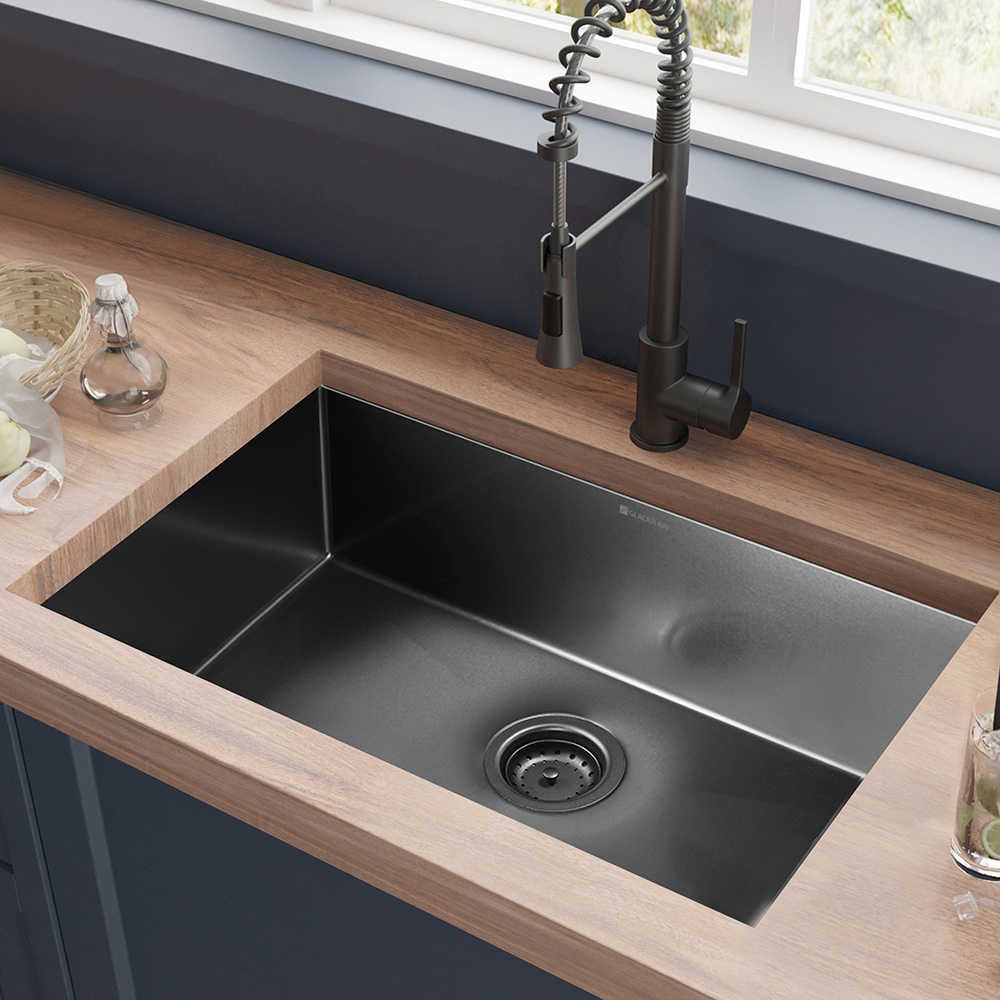
Image Source: contentgrid.homedepot-static.com
Fathoming the Kitchen Sink Replacement Project
Replacing a kitchen sink might seem daunting, but it’s a project many homeowners can tackle with the right preparation and tools. The overall kitchen sink installation difficulty hinges on several factors: the type of sink you’re installing (drop-in vs. under-mount), the condition of your existing plumbing, and your personal comfort level with hands-on tasks.
Factors Influencing Difficulty
Several elements contribute to how easy or hard your DIY sink replacement will be:
- Sink Type:
- Drop-in sinks (also called self-rimming or top-mount) are generally easier to install. They have a rim that rests on the countertop, making them simpler to fit and seal.
- Under-mount sinks are trickier. They are installed beneath the countertop, requiring precise alignment and strong adhesive bonding. This often involves more specialized tools and techniques.
- Countertop Material:
- Laminate or composite countertops are relatively forgiving. Cutting out a new sink opening or working around an existing one is usually straightforward.
- Solid surface countertops (like quartz or granite) can be more challenging. Mistakes can be costly, and you might need specialized cutting tools or professional help for precise openings.
- Plumbing Accessibility: If your existing plumbing for the sink is easily accessible and in good condition, it simplifies the process. Corroded pipes or tight spaces can increase the kitchen sink plumbing connections complexity.
- Existing Sink Condition: Sometimes, the old sink is stubborn. It might be sealed tightly with old caulk or have pipes that are difficult to disconnect.
- Your Experience Level: If you’ve done any plumbing or DIY home repairs before, you’ll likely find this project more manageable.
What’s the Estimated Replacing Kitchen Sink Cost?
The replacing kitchen sink cost for a DIY project can vary significantly. You’ll primarily pay for the new sink and faucet, plus any necessary supplies.
- New Sink: Prices can range from $100 for a basic stainless steel drop-in sink to $500+ for a decorative or high-end under-mount sink made of composite materials or fireclay.
- New Faucet: A new faucet can cost anywhere from $50 to $300 or more, depending on style and brand.
- Supplies: You’ll need plumber’s putty or silicone caulk, pipe dope or Teflon tape, possibly new supply lines, P-trap components, and a sink strainer. Budget around $50-$100 for these items.
- Tools: If you don’t have the necessary tools, you’ll need to factor in purchase or rental costs. This could include a basin wrench, adjustable wrenches, a putty knife, a hacksaw, and safety gear.
DIY Estimated Cost Range: $200 – $1000+ (primarily depending on sink and faucet choice).
For comparison, hiring a plumber to replace a kitchen sink can cost anywhere from $300 to $800 or more, depending on labor rates and the complexity of the job. This makes the DIY route a potentially significant cost-saver.
Deciphering the Sink Removal Process
Before you can install a new sink, you must remove the old one. This is often the most physically demanding part of the job.
Step-by-Step Sink Removal
Here’s a general outline of the sink removal process:
- Turn Off Water Supply: Locate the hot and cold water shut-off valves under the sink. Turn them clockwise until they are completely closed. Turn on the faucet to drain any residual water in the lines.
- Disconnect Plumbing:
- Drain Pipes: Place a bucket under the P-trap (the U-shaped pipe) to catch any water. Loosen the slip nuts connecting the P-trap to the sink drain and the wall drainpipe. You might need adjustable wrenches for this.
- Supply Lines: Disconnect the hot and cold water supply lines from the faucet and the shut-off valves. Again, use adjustable wrenches. Have a towel or rag ready for any drips.
- Dishwasher/Garbage Disposal: If you have these connected to the sink, you’ll need to disconnect them. For a garbage disposal, make sure it’s turned off at the breaker first, then disconnect the drainpipe and electrical connection (if applicable and you’re comfortable with electrical work – otherwise, leave it to a professional).
- Remove Faucet and Strainer: If you’re only replacing the sink and not the faucet, you’ll need to unbolt the faucet from the sink. This often requires a basin wrench, a long tool with a swiveling head designed for tight spaces under the sink. Remove the sink strainer assembly as well.
- Break the Seal:
- Drop-in Sinks: Use a putty knife or utility knife to carefully cut through the caulk or sealant around the rim of the sink. Be gentle to avoid damaging the countertop.
- Under-mount Sinks: These are often held by clips and adhesive. You’ll need to locate and remove the mounting clips first. Then, you may need to pry carefully to break the adhesive bond, again being mindful of the countertop.
- Lift Out the Old Sink: Once all connections are made and the seal is broken, you should be able to lift the old sink out of its opening. You might need to wiggle it a bit. It can be heavy, especially if it’s a cast-iron sink, so get help if needed.
Replacing Kitchen Sink Materials
When choosing a new sink, consider the replacing kitchen sink materials:
- Stainless Steel: Durable, affordable, and resistant to stains and heat. Can be prone to scratching and can be noisy without a sound-dampening undercoating.
- Composite Granite/Quartz: Very durable, scratch-resistant, and available in various colors. Can be more expensive and heavier than stainless steel.
- Fireclay: A classic look, very durable, and resistant to scratches and stains. Can be prone to chipping if heavy items are dropped on it.
- Cast Iron (Enamel Coated): Extremely durable and heavy, offering a classic, robust appearance. The enamel can chip or crack under severe impact.
- Copper: A premium option with a unique aesthetic that develops a patina over time. It’s antimicrobial but can be expensive and requires specific cleaning.
The material will influence not just the look and feel but also the kitchen sink installation difficulty, particularly with heavier options like cast iron or some composite sinks.
Installing Your New Kitchen Sink
This is where the magic happens! The approach for DIY kitchen sink replacement depends heavily on whether you’re installing a drop-in or under-mount sink.
Installing a Drop-in Sink (Top-Mount)
This is generally the easier route for DIYers.
Steps for Drop-in Sink Installation
- Prepare the Opening: Ensure the opening in your countertop is clean and free of debris. If you’re replacing a sink of the same size, this is usually straightforward. If the new sink is a different size, you might need to enlarge or adjust the opening using appropriate tools for your countertop material.
- Install Faucet and Strainer: It’s much easier to install the faucet, sprayer, and sink strainer assembly onto the new sink before you place it into the countertop. Follow the manufacturer’s instructions for attaching these components. Apply plumber’s putty or silicone sealant around the base of the faucet and strainer where they meet the sink to create a watertight seal.
- Apply Sealant: Apply a continuous bead of silicone caulk or plumber’s putty around the underside edge of the sink’s rim that will contact the countertop. This creates a watertight seal between the sink and the counter.
- Position the Sink: Carefully lower the new sink into the countertop opening. Ensure it’s centered and flush with the edges.
- Secure the Sink: Most drop-in sinks come with clips that attach to the underside of the sink and hook onto the underside of the countertop. Tighten these clips evenly around the sink to pull it down snugly against the countertop. Don’t overtighten, especially with laminate countertops.
- Reconnect Plumbing:
- Drain Assembly: Install the new sink strainer into the sink drain hole. Apply plumber’s putty underneath the strainer flange. Reassemble the drain pipes and P-trap. Ensure all slip nuts are snug, but don’t overtighten them initially.
- Supply Lines: Connect the new flexible water supply lines to the faucet tails and the shut-off valves. Again, use Teflon tape on the threads of the shut-off valves and ensure connections are snug.
- Garbage Disposal/Dishwasher: Reconnect these if applicable.
- Test for Leaks: Turn the water supply back on slowly. Check all kitchen sink plumbing connections for drips or leaks. Run water into the sink, fill it partially, and then let it drain while carefully inspecting the P-trap, strainer, and supply line connections. Tighten any leaking connections slightly. Check again after an hour or so.
Installing an Under-mount Sink
Under-mount sink installation is a more involved process and often considered more difficult due to the need for precise alignment and strong bonding.
Steps for Under-mount Sink Installation
- Template and Cut Countertop (If Necessary): If you have a new countertop, the sink template will be used to cut the precise opening. If you’re retrofitting an under-mount sink into an existing countertop, this is where things get tricky. You’ll need to carefully measure, mark, and cut the opening, which often requires specialized tools like a router with a circle-cutting jig, especially for hard materials like granite.
- Prepare the Sink and Countertop Edge: Ensure the underside of the countertop edge where the sink will attach is clean and dry. The sink itself should also be clean.
- Apply Adhesive: Most under-mount sinks require a strong adhesive, often silicone caulk or a specialized epoxy. Apply a generous bead of adhesive around the perimeter of the sink’s mounting flange or the underside of the countertop opening where the sink will attach.
- Position the Sink: Carefully lift and position the sink into the opening from below. Press it firmly against the countertop to ensure good contact with the adhesive.
- Secure with Clips: Under-mount sinks are typically secured with mounting clips that attach to the sink and brace against the underside of the countertop. Install these clips evenly around the sink, tightening them to pull the sink up securely against the countertop. This is crucial for a strong bond.
- Reconnect Plumbing and Faucet: This is similar to the drop-in sink installation. Install the faucet and strainer onto the sink before it’s fully in place or ensure you have access to the mounting nuts. Connect the drain assembly and supply lines.
- Cure Time: Allow the adhesive to cure fully according to the manufacturer’s instructions before putting any stress on the sink or countertop. This is often 24 hours or more.
- Leak Testing: Perform thorough leak testing as described for the drop-in sink.
Replacing Kitchen Sink Faucet
Often, when replacing a sink, you’ll also want to replace the faucet. This is usually done before the sink is installed in the countertop.
- Mounting: Most faucets mount through holes in the sink or the countertop. Follow the faucet’s specific instructions for threading supply lines and securing the faucet base with washers and mounting nuts.
- Connections: Connect the flexible supply lines to the faucet tails and then to the water shut-off valves.
Essential Tools for Your DIY Kitchen Sink Replacement
Having the right tools makes the job much smoother and safer.
- Adjustable Wrenches (2): For loosening and tightening pipe fittings and supply lines.
- Basin Wrench: Essential for reaching nuts that hold faucets and strainers in place in tight spaces under the sink.
- Plumber’s Putty or Silicone Caulk: For sealing around the sink rim, faucet, and strainer.
- Putty Knife or Utility Knife: To cut through old caulk.
- Bucket: To catch water from the drain pipes.
- Towels/Rags: To clean up spills and drips.
- Screwdrivers (various sizes): For garbage disposal, dishwasher, and sink clips.
- Hacksaw or Pipe Cutter: If you need to cut old drain pipes.
- Safety Glasses and Gloves: Always protect your eyes and hands.
- Flashlight or Headlamp: For working in dimly lit under-sink areas.
- Pliers: For gripping and turning various components.
- Pipe Wrench: May be needed for stubborn pipe fittings.
Potential Challenges and How to Overcome Them
Even with careful planning, you might encounter some hurdles.
Plumbing for Kitchen Sink Replacement Issues
- Old, Corroded Pipes: If your existing pipes are old and corroded, they might be brittle and difficult to disconnect without damage. In this case, it’s often best to replace sections of the piping along with the sink.
- Tight Spaces: The area under a kitchen sink is notoriously cramped. A basin wrench is your best friend here. If space is extremely limited, consider renting a compact plumbing tool.
- Unfamiliar Plumbing Codes: Ensure your new plumbing configuration meets local building codes. This is especially important if you’re rerouting pipes or making significant changes.
- Leaks After Installation: Even a tiny piece of debris or an improperly tightened fitting can cause leaks. Double-check all connections and run water for an extended period.
Countertop Issues
- Damaged Countertop: If the existing opening is damaged or the countertop material is fragile, you may need professional help to repair or reinforce it.
- Cutting Mistakes: If you’re modifying the countertop opening, precise measurements are crucial. A mistake can be very expensive to fix, especially with granite or quartz.
Sink Alignment and Sealing
- Uneven Countertop Edge: If the countertop edge isn’t perfectly flat, achieving a good seal can be challenging. You might need to use more caulk or a flexible sealant to bridge any gaps.
- Sink Not Sitting Flat: Ensure the sink is properly seated before tightening clips. If it rocks, check for obstructions or imperfections on the countertop.
When to Call a Professional
While many can handle a DIY kitchen sink replacement, know your limits.
- Complex Plumbing: If you have very old plumbing, are dealing with a P-trap that seems impossible to disconnect, or are unsure about kitchen sink plumbing connections, it’s wise to call a plumber.
- Difficult Countertop Materials: Cutting openings in granite, quartz, or solid surface countertops requires specialized tools and skills. If you’re not comfortable with this, hire a professional stone fabricator or contractor.
- Under-mount Sink Installation for the First Time: This is significantly more challenging than a drop-in. If you’re not confident in your ability to get a perfect seal and alignment, professional installation is recommended.
- Electrical Work: If your garbage disposal or other fixtures involve electrical work you’re not comfortable with, hire an electrician.
- If You’re Overwhelmed: If at any point you feel the project is beyond your capabilities, don’t hesitate to call a qualified plumber or contractor. The cost of correcting a mistake can far outweigh the initial savings.
Frequently Asked Questions (FAQ)
Q1: How long does it typically take to replace a kitchen sink?
A: For an experienced DIYer, replacing a drop-in sink can take 2-4 hours. An under-mount sink might take longer, especially if countertop modifications are needed. If you’re also replacing the faucet, add more time.
Q2: Do I need plumber’s putty or silicone caulk?
A: Both can be used, but it’s important to use the right product for the right job. Plumber’s putty is traditionally used under sink strainers and faucet bases, while silicone caulk is best for sealing the rim of a drop-in sink against the countertop for a waterproof barrier. Always check the sink and faucet manufacturer’s recommendations.
Q3: Can I reuse my old drain pipes?
A: It’s generally recommended to replace the drain assembly, including the P-trap and strainer, when you replace the sink. Old pipes can be brittle, corroded, or have worn seals that may lead to leaks.
Q4: What’s the biggest mistake people make when replacing a sink?
A: Forgetting to turn off the water supply is a common and messy mistake. Other frequent errors include overtightening fittings, not using enough sealant, or not properly testing for leaks after installation.
Q5: Is an under-mount sink installation harder than a drop-in?
A: Yes, generally. Under-mount sink installation requires more precise alignment, strong adhesives, and often more specialized tools, especially if you’re working with hard countertop materials.
By carefully assessing the project, gathering the right tools, and following step-by-step instructions, you can successfully replace your kitchen sink and give your kitchen a fresh new look.