
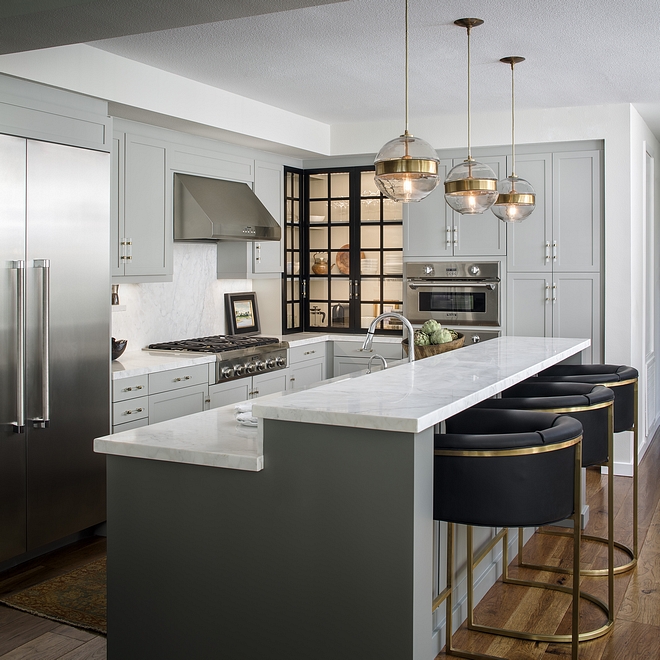
Image Source: www.clarkandaldine.com
How High Should A Kitchen Island Be? Your Ultimate Guide
What is the ideal kitchen island height? The best height for your kitchen island truly depends on how you plan to use it and who will use it. Can you have different heights on one island? Yes, many people choose a multi-level kitchen island design to suit various tasks and activities. The most common heights are kitchen island counter height (around 36 inches) for food prep, kitchen island bar height (around 42 inches) for casual dining, and table height (around 30 inches) for a more formal eating space. This guide will help you pick the perfect height for your home.
Why Island Height Matters So Much
The height of your kitchen island is more important than you might think. It is not just about how it looks. It deeply affects how you use your kitchen every day.
More Than Just Looks
A kitchen island is often the heart of the home. It is where you cook, eat, work, and gather. Its height plays a big role in how well it works for all these things. An island that is too tall or too short can make tasks hard. It can even make your kitchen feel less inviting. Choosing the right height makes your island a true helper in your home.
Comfort in Your Kitchen
Imagine chopping vegetables or kneading dough at an uncomfortable height. It can lead to back pain or tired arms. This is why ergonomic island height is so important. Ergonomics means designing things for comfort and efficiency. A well-chosen island height helps you work without strain. It lets you enjoy your kitchen time more. It also helps prevent injuries from poor posture during long tasks.
How You Use Your Island
Think about what you will do at your island. Will you cook meals, help kids with homework, or host parties? Each activity might work best at a different height. For example, preparing food needs a good comfortable kitchen island workspace. Eating meals might need a different spot. If you want a spot for quick breakfasts, a kitchen island breakfast bar height could be perfect. If you like to bake, a slightly lower surface might be better for rolling dough. Your island’s main job should guide your height choice.
Key Island Heights: A Quick Review
Kitchen islands come in a few common heights. Each height works best for certain jobs. Knowing these standard sizes helps you pick the right one for your home.
The Common Kitchen Island Counter Height
The kitchen island counter height is the most common choice. It matches the height of most kitchen counters.
- What it is: Most kitchen counters are 36 inches tall. So, a
standard kitchen island heightis also 36 inches. This height is measured from the floor to the top of the counter. - Best for: This height is great for many kitchen tasks. It is often the
ideal island height for cooking. You can easily chop, mix, and prepare food here. It also creates acomfortable kitchen island workspacefor general kitchen chores. Many people find this height comfortable for standing work. - Seating: For a 36-inch island, you need counter stools. These stools usually have a seat height of 24 to 26 inches. This allows for comfortable legroom under the counter.
The Taller Kitchen Island Bar Height
The kitchen island bar height is taller than standard counters. It is often used for casual eating or as a social spot.
- What it is: Bar height islands are usually 42 inches tall. This is 6 inches higher than a standard counter.
- Best for: This height is perfect for a
kitchen island breakfast bar height. People can sit on tall stools and enjoy quick meals. It is also good for guests to stand and chat while you cook. The taller height can hide some kitchen mess from view if it is open to a living area. It makes a clear space between the kitchen work zone and a social area. - Seating: For a 42-inch island, you need bar stools. These stools typically have a seat height of 28 to 30 inches. This height ensures proper
island height for stool clearancefor legs.
Table-Height Islands: Lower and Welcoming
Some islands are designed to be the same height as a dining table.
- What it is: Table-height islands are usually around 30 inches tall. This is the same height as a standard dining table.
- Best for: This lower height is great for sit-down meals. It is very comfortable for dining, especially for families with children. It also works well for tasks where you prefer to sit, like helping kids with homework or crafts. It can make your kitchen feel more open and connected to dining areas.
- Seating: For a 30-inch island, you use regular dining chairs. These chairs usually have a seat height of 18 inches. This allows for a very comfortable and familiar dining experience.
Here is a quick table to sum up the standard island heights:
| Island Height (from floor) | Common Uses | Seating Type Needed | Stool/Chair Seat Height |
|---|---|---|---|
| 30 inches (76 cm) | Dining, Kids’ Activities, Sitting Work | Dining Chairs | 18 inches (46 cm) |
| 36 inches (91 cm) | Food Prep, Cooking, General Workspace | Counter Stools | 24-26 inches (61-66 cm) |
| 42 inches (107 cm) | Casual Eating, Breakfast Bar, Socializing | Bar Stools | 28-30 inches (71-76 cm) |
Finding Your Perfect Ergonomic Island Height
Ergonomics is about making your workspace fit your body. This helps you work comfortably and without pain. For a kitchen island, ergonomic island height is very important.
What is Ergonomics?
Ergonomics simply means making things easy and safe to use. It means designing workspaces, tools, and furniture to fit people. In a kitchen, good ergonomics means you can chop, stir, and clean without hurting your back or shoulders. It is about comfort and doing tasks well.
Height for Different Tasks
Different kitchen tasks work best at different heights.
- Cooking and Prep: For most people, a 36-inch
kitchen island counter heightis ideal for standing tasks. This includes chopping vegetables, mixing ingredients, and general food prep. Your elbows should bend at about a 90-degree angle when standing at the counter. Your hands should be able to reach the surface comfortably without bending your back too much. This ensures anideal island height for cooking. - Baking: If you love to bake, you might like a slightly lower surface. For tasks like kneading dough or rolling out pastry, some bakers prefer a counter around 32-34 inches. This gives you more leverage and lets you lean into the work more easily. You can apply more force downward without straining your back. If your main counter is 36 inches, a
multi-level kitchen island designcould have a lower section just for baking. - Sitting Work: If you plan to do work while sitting, like peeling vegetables for a long time or reading recipes, a 30-inch table-height island is best. This height allows you to use standard chairs and sit in a relaxed, comfortable position. It makes your island a
comfortable kitchen island workspaceeven when you are not standing.
Your Own Height Matters
The “perfect” height is also personal. It depends on your height and the height of other main users.
- Tall People: If you are tall, a 36-inch
standard kitchen island heightmight still feel a bit low for standing tasks. You might find a 38 or even 40-inch counter more comfortable. This extra height can save you from bending over. - Shorter People: If you are shorter, a 36-inch counter might feel too high. This could lead to shoulder strain. A 34-inch height might be better for you.
- Average Height: For most people of average height (5’4″ to 5’10”), 36 inches works well.
A good way to check is to stand at a counter or table of a similar height. Bend your elbows. Your hands should be able to work easily on the surface. If you feel like you are reaching up or bending down too much, the height is not right for you. Think about the person who will use the island most often for tasks like cooking. Their comfort is key.
Seating: Making Sure Everyone Fits
If your island will have seats, planning for them is vital. The right height ensures comfort and proper island height for stool clearance.
Crucial Clearances
Clearance is the space between the top of the seat and the bottom of the counter. This space allows your legs to fit comfortably.
- Legroom: A good rule of thumb is to have 10 to 12 inches between the top of the stool seat and the underside of the island counter. This gap allows your knees and thighs to fit without feeling cramped. It also gives you space to move your legs.
- Width per Person: Also think about how much width each person needs. For comfortable seating, allow at least 24 inches of width per person. Some people prefer 30 inches, especially if they are larger or want more elbow room. If you are planning for three stools, you need at least 6 to 7.5 feet of island length. This stops people from bumping elbows.
Matching Stools to Island Height
Once you know your island’s height, picking the right stool height is simple.
- For 30-inch Islands (Table Height): Use standard dining chairs. The seat height for these is typically 18 inches. This is very common and easy to find.
- For 36-inch Islands (Counter Height): You need counter stools. The seat height for these stools is usually 24 to 26 inches. This gives you that perfect 10-12 inch gap for your legs.
- For 42-inch Islands (Bar Height): You need bar stools. The seat height for these stools is usually 28 to 30 inches. This height works well with the taller bar counter.
When looking for kitchen island seating dimensions, always check the seat height, not the overall height of the stool. Some stools have backs that go higher, but it is the seat that matters for comfort. Also, consider the depth of the stool. If you have limited space, stools that tuck fully under the island are a good choice. Swivel stools can make it easier to get in and out of tight spots.
Adjustable Stools: A Flexible Choice
If different people will use the island, or if you are unsure about the exact height, adjustable stools can be a great option.
- Hydraulic Lift: Many modern stools have a hydraulic lift. This lets you change the seat height with a lever.
- Versatility: This is very helpful if your island serves multiple purposes. It also helps if both adults and children will use the seating area.
- Considerations: While flexible, adjustable stools can sometimes be less stable than fixed-height ones. Check reviews for quality and sturdiness. Also, they can sometimes be more expensive.
Designing a Multi-Level Kitchen Island
Why choose just one height when you can have two or even three? A multi-level kitchen island design offers great flexibility and style.
The Best of Both Worlds
A multi-level island lets you enjoy the benefits of different heights in one piece. For example, you can have a lower section for food prep and a higher section for casual dining. This design makes your island truly multi-functional. It means you do not have to compromise on comfort for different tasks.
How It Works: Combining Heights
Typically, a multi-level island combines a 36-inch kitchen island counter height with a 42-inch kitchen island bar height.
- Prep Area: The 36-inch part works as your main cooking and prep space. This section is ideal for chopping, mixing, and using small appliances. It serves as your
ideal island height for cookingand generalcomfortable kitchen island workspace. - Dining/Social Area: The 42-inch part serves as a
kitchen island breakfast bar height. People can sit on taller bar stools here. This higher level creates a visual barrier. It can hide kitchen clutter from guests in an open-plan living area. It also makes a great spot for people to stand and chat while you are working in the kitchen. - Third Level (Less Common): Sometimes, a 30-inch table-height section is added. This offers a more traditional dining experience. It is great for families with young children or for tasks where sitting at a regular table is preferred.
Benefits: Separate Zones
The main benefit of a multi-level island is creating distinct zones for different activities.
- Functionality: You can cook and prep on one level, while others eat or socialize on another. This avoids people getting in the way of your cooking tasks.
- Privacy and Cleanliness: The higher bar top can offer a bit of privacy. It can shield the prep area from view if your kitchen is open to the living room. It also helps contain messes to the lower prep area.
- Aesthetics: A multi-level design can add visual interest to your kitchen. It can make your island look more dynamic and less like a solid block. It breaks up the space and adds depth.
Things to Think About: Flow and Space
While great, multi-level islands have some points to consider:
- Space: They can take up more space than a single-level island, especially if you add a table-height section. Make sure you have enough room for people to move around easily.
- Cleaning: Cleaning two or three different levels can be a little more work than one flat surface.
- Cost: A multi-level design can be more complex to build, which might increase the cost.
- Flow: Think about how people will move around the island. Make sure the different levels do not create awkward pathways.
Planning Your Island: Steps for Success
Choosing the right kitchen island height needs careful thought. Here are some steps to help you make the best decision for your home.
Measure Your Space
Before you even think about height, measure your kitchen.
- Island Size: How big can your island be without crowding the room? You need at least 36 to 42 inches of walkway space around all sides of the island. This lets people move freely and open appliance doors.
- Ceiling Height: While not directly for island height, knowing your ceiling height is good for overall kitchen design. It affects lighting and ventilation above the island.
- Existing Counters: If your island will connect to existing counters, note their height. This helps you decide if you want your island to match or be different.
Think About How You Will Use It
Make a list of the main jobs your island will do.
- Cooking and Prep: If cooking is primary, focus on
ideal island height for cooking(likely 36 inches). - Dining: If it is a main eating spot, consider 30 inches. If it is for quick meals or a
kitchen island breakfast bar height, 42 inches is good. - Kids’ Zone: If children will use it for homework or crafts, a lower, more accessible height might be best.
- Social Hub: If it is where guests gather, both 36 inches (with counter stools) and 42 inches (with bar stools) work well, depending on the vibe you want.
- Storage: The height also affects how much storage space you can have inside the island. Taller islands often mean more cabinet space.
Try It Out (Mock-Ups)
One of the best ways to pick a height is to “try it” before you build it.
- Cardboard Boxes: Stack cardboard boxes or books to your desired height. Pretend to chop vegetables or sit there. See how it feels.
- Existing Furniture: Use existing tables or counters of similar heights. Spend time there doing kitchen tasks.
- Borrow a Stool: If you are thinking of a bar height, try sitting on a friend’s bar stool at their island. Check the
kitchen island seating dimensionsfor comfort. - Family Input: Get everyone who will use the island to try it out. Their input is valuable for an
ergonomic island heightfor everyone.
Get Help From a Pro
If you are unsure, talk to a kitchen designer or builder.
- Expert Advice: They have experience with different layouts and heights. They can offer advice based on your space, needs, and style.
- Custom Solutions: They can help you design a custom
multi-level kitchen island designor adjust astandard kitchen island heightto fit your unique needs. - Building Codes: They also know local building codes and safety rules that might apply to island dimensions.
Adjusting or Changing Your Island Height
What if your island is already there, but the height is not quite right? Or what if your needs change over time?
Minor Tweaks
Sometimes, small changes can make a big difference.
- Stool Choice: If your island is a fixed height but your stools feel off, try different stool heights. Small changes in seat height can greatly improve
island height for stool clearanceand overall comfort. - Anti-Fatigue Mats: For standing tasks at a fixed counter height, an anti-fatigue mat can make a
comfortable kitchen island workspace. It cushions your feet and reduces strain on your legs and back. - Cutting Boards: For chopping, a thicker cutting board can raise your work surface a bit. This is a simple fix for an
ideal island height for cookingif your counter feels slightly too low.
Major Changes
If the height is truly wrong, you might need bigger changes.
- Adding a Riser: For a 36-inch island that you want to use as a
kitchen island breakfast bar height, you can add a raised section. This creates amulti-level kitchen island design. This is a common way to get a 42-inch bar top on astandard kitchen island height. - Cutting Down: Lowering an island is harder. It often means taking off the countertop, cutting down the cabinets, and then putting the counter back on. This is a job for a professional.
- Replacing the Island: If your island is old or not working, a full replacement is an option. This lets you choose the perfect height from scratch. This can be more costly but ensures you get exactly what you need.
When to Get New Furniture
If you change your island height, you will almost certainly need new seating. Make sure to factor in the cost of new stools or chairs when you plan any height changes. Remember, getting the right kitchen island seating dimensions for the new height is crucial for comfort and safety.
Frequently Asked Questions (FAQ)
Q: Can a kitchen island be too high?
Yes, a kitchen island can be too high. If it is too high for standing tasks like chopping or mixing, it can cause shoulder and arm strain. If it is too high for sitting, it will be hard to find comfortable stools, and your legs won’t fit well.
Q: What is the best height for a rolling island?
Most rolling islands or kitchen carts are designed to be 36 inches, matching standard kitchen island height. This makes them easy to use for food prep and as extra counter space. Some smaller carts might be lower, around 30-34 inches.
Q: How much overhang do I need for seating?
For comfortable seating at a kitchen island, you need at least 10 to 15 inches of overhang. This space allows for legroom and prevents your knees from bumping the island base. For a kitchen island bar height, a 12-inch overhang is generally good. For kitchen island counter height, 15 inches is ideal for comfort.
Q: Is 36 inches a standard kitchen island height?
Yes, 36 inches is the most common standard kitchen island height. It matches the height of most kitchen counters and is widely used for food preparation and general kitchen tasks. It is considered an ideal island height for cooking for most adults.