
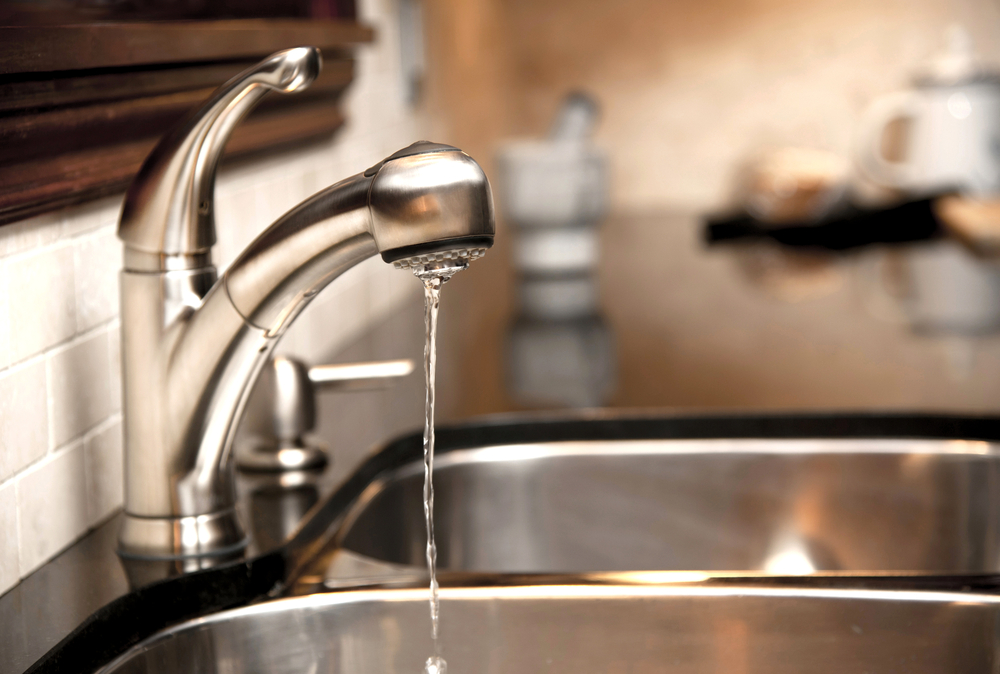
Image Source: anytimeplumbing.net
How Long Should A Kitchen Faucet Last? Your Guide.
A kitchen faucet should last about 15 to 20 years. This is the average kitchen faucet lifespan. Many things can change this. How often you use it, the water in your home, and the faucet’s quality all play a part. Knowing these can help you expect how long your kitchen tap will last.
What Changes Faucet Life?
Many things affect how long your kitchen faucet stays working well. Some are about the faucet itself. Others are about your home’s water or how you use the faucet every day. Knowing these points helps you take better care of your faucet. It also helps you pick a good one next time.
Faucet Material Matters
The stuff your faucet is made of is a big deal. It tells you a lot about how long the faucet will last. Some materials are strong and last a long time. Others wear out faster.
- Brass: This is often the best choice. Brass is heavy and strong. It does not rust easily. Faucets made from solid brass can last for many, many years. They might have a special finish. This finish can be chrome, nickel, or bronze. Brass holds up well to daily use.
- Stainless Steel: This is another great choice. Stainless steel is very tough. It fights off rust and stains. It looks good in modern kitchens. Stainless steel faucets are durable. They also last a long time.
- Zinc Alloy: This material is cheaper than brass or stainless steel. It is lighter too. Faucets made from zinc alloy might not last as long. They can break or wear out more quickly. They are okay for a short time.
- Plastic: Some faucet parts, or even whole faucets, are plastic. Plastic is very cheap. It is also the least strong material. Plastic parts can crack. They can break easily. These faucets usually do not last long at all.
Here is a quick look at faucet material longevity:
| Material | How Strong It Is | How Long It Lasts (Roughly) | Things to Like | Things to Not Like |
|---|---|---|---|---|
| Solid Brass | Very Strong | 15-20+ years | Lasts very long, resists rust | Can be more costly |
| Stainless Steel | Very Strong | 15-20+ years | Strong, resists rust and stains | Can be pricey |
| Zinc Alloy | Medium Strong | 5-10 years | Cheaper to buy | Not as strong, wears faster |
| Plastic | Not Strong | 1-5 years | Very cheap | Breaks easily, short life |
Choosing a faucet made from good material means it will likely serve you for many years. It is worth spending a bit more for brass or stainless steel.
Water Quality’s Role
The water that flows through your faucet also changes its life. Not all water is the same. Some water has many minerals. We call this “hard water.”
- Hard Water: Hard water leaves mineral deposits inside your faucet. These deposits can build up over time. They can clog parts. They can make seals wear out faster. This leads to leaks. It can also make your faucet not work as well.
- Soft Water: Soft water has fewer minerals. It is much gentler on your faucet’s insides. Faucets often last longer with soft water. If you have hard water, you might want a water softener. This can help your faucet and other appliances last longer.
How Often You Use It
Your faucet is a tool. Like any tool, how much you use it matters.
- Heavy Use: A kitchen faucet gets used many times a day. You turn it on and off. You change the water temperature. This daily use puts wear and tear on the faucet’s parts.
- Parts Wear Down: Inside the faucet, there are parts like washers, O-rings, and cartridges. These parts move. They rub against each other. Over time, they will wear down. The more you use your faucet, the faster these parts wear out. A faucet in a busy kitchen might wear out faster than one in a rarely used guest kitchen.
Signs Your Kitchen Faucet Is Failing
It is good to know when your kitchen faucet is having problems. Catching issues early can save you money. It can also stop bigger issues. There are clear signs a kitchen faucet is failing. You should look for them.
Common Kitchen Faucet Problems
Many problems show up before a faucet completely breaks down. These common kitchen faucet problems can often be fixed. But they also tell you your faucet is getting old.
- Dripping or Leaking: This is often the first sign. A leaking kitchen faucet repair is often needed. Water drips from the spout. Or, water leaks from the handle’s base. This means an internal seal or washer is worn out. Or, the cartridge might be bad. A small drip can waste a lot of water. It can also raise your water bill.
- Low Water Pressure: The water flow slows down. It might come out as a trickle. This can happen for a few reasons. The aerator at the spout’s end might be clogged. Minerals from hard water can block it. Or, there might be a blockage deeper inside the faucet.
- Squeaky or Stiff Handle: The handle does not move smoothly. It might squeak when you turn it. Or, it feels hard to move. This often means parts inside need grease. Or, they might be worn out.
- Rust or Corrosion: You see rust spots on the faucet’s outside. Or, green corrosion builds up around the base or handle. This is bad. It means the faucet material is breaking down. This can lead to leaks and more problems.
- Strange Noises: Your faucet makes odd sounds. It might hum, whistle, or bang when you turn it on or off. This often means there is air in the pipes. Or, loose parts inside the faucet.
- Water Temperature Issues: The water does not get hot or cold enough. Or, it changes suddenly. This points to a problem with the mixing valve. This part blends hot and cold water.
- Visible Cracks: You see cracks on the faucet body. This is a big problem. It means the faucet needs replacing soon. Water can leak from these cracks.
| Problem | What It Means | Possible Quick Fix | When to Worry More |
|---|---|---|---|
| Dripping Spout | Worn washer, seal, or cartridge | Replace washer/cartridge | Wastes water, can lead to bigger leaks |
| Leaking Handle | Worn O-rings or seals inside the handle | Replace O-rings | Water damage under sink possible |
| Low Water Pressure | Clogged aerator, internal blockage | Clean or replace aerator | Annoying to use, can be sign of internal issue |
| Stiff/Squeaky Handle | Worn parts, needs grease, broken cartridge | Grease moving parts, replace cartridge | Hard to use, parts can break completely |
| Rust/Corrosion | Material breaking down | Clean surface, but often no real fix | Means total faucet failure is near |
| Odd Noises (Humming/Banging) | Loose parts, water pressure issues | Tighten parts, check water supply | Can be annoying, sometimes sign of bigger problem |
| Cracks on Faucet Body | Material failure, severe wear | No real fix, must replace faucet | High risk of sudden large leak, water damage |
If you see these signs often, it might be time to think about a new faucet. Sometimes, fixing one problem leads to another. This means the faucet is simply old.
Making Your Faucet Last Longer
You want your kitchen faucet to last as long as possible. Good news! There are things you can do. These steps can help extend faucet life. They are often simple tasks.
Regular Cleaning
Keeping your faucet clean on the outside is good. But cleaning the inside parts is even better for long life.
- Clean the Aerator: This is the small screen at the tip of the spout. Minerals and dirt can build up here. This blocks water flow. It causes low pressure. Unscrew the aerator. Clean it with an old toothbrush. Soak it in vinegar to remove mineral deposits. Do this every few months.
- Wipe Down the Faucet: Clean the outside regularly. Use mild soap and water. Avoid harsh cleaners. These can hurt the finish. A clean faucet looks better and helps you spot problems early.
Fixing Small Leaks Quickly
A small leak might seem like nothing. But it can get worse fast. It is best to fix a leaking kitchen faucet repair right away.
- Do Not Wait: Even a slow drip wastes water. It can also cause mold. It can damage your sink area.
- Replace Parts: Most leaks come from worn-out washers, O-rings, or cartridges. These parts are cheap. They are often easy to replace. You can find repair kits for many faucet brands.
Proper Installation
How your faucet is put in matters. A bad install can cause issues down the road.
- Tight Connections: Make sure all connections are tight. But do not overtighten them. Overtightening can crack parts.
- Level and Secure: The faucet should be level. It should be secure on the sink or counter. A wobbly faucet puts stress on its connections. This can lead to leaks.
- Use a Plumber: If you are not sure how to install a faucet, hire a professional. A plumber will do it right. This can prevent future problems.
Water Softeners
If you have hard water, a water softener can save your faucet.
- Remove Minerals: A water softener takes out minerals like calcium and magnesium. These minerals cause buildup.
- Protect Internals: With softer water, your faucet’s inside parts will not get clogged. They will not wear out as fast. This helps your faucet last much longer. It also helps other water-using appliances.
When to Think About a New Faucet
Even with good care, faucets do not last forever. At some point, you will need a new one. It is smart to know when to replace it.
Weighing Repair vs. Replacement
You can fix many common faucet problems. But sometimes, it makes more sense to buy a new one.
- Repeated Problems: If you keep fixing the same leak or problem, it might be time. Fixing it again and again costs money and time. These small costs add up.
- Age of the Faucet: If your faucet is old, like over 15-20 years, it might be at the end of its life. New problems will likely pop up soon.
- Major Damage: If the faucet body is cracked or heavily rusted, it needs to go. You cannot fix major damage like this.
- Kitchen Remodel: If you are updating your kitchen, a new faucet is a good idea. It will match the new look. It will also work better.
Kitchen Faucet Replacement Cost
The cost to replace a kitchen faucet can change a lot. It depends on the faucet you pick. It also depends on if you pay someone to install it.
- Faucet Price:
- Budget Faucets: You can find basic faucets for $50 to $150. These might be less durable.
- Mid-Range Faucets: Most good quality faucets are $150 to $400. These offer a good mix of price and quality.
- High-End Faucets: Fancy models, ones with special features, or from top brands can cost $400 to $1000 or more.
- Installation Cost:
- If you install it yourself, the cost is just the faucet.
- Hiring a plumber often costs $100 to $300 for labor. This can change based on where you live. It also changes based on how hard the job is.
So, the total kitchen faucet replacement cost can range from $50 (if you do it yourself with a cheap faucet) to over $1000 (for a top-end faucet with professional install). Think about the long-term value. A better faucet might cost more now. But it will last longer. It will also need fewer repairs.
Picking a Durable Faucet
When it is time for a new faucet, choose wisely. A durable faucet will last a long time. It will also save you headaches and money on repairs.
Best Kitchen Faucet Brands Durability
Some brands are known for making strong, lasting faucets. They use good parts. They often offer good warranties too.
- Moen: Moen is a very popular brand. They are known for good quality. Many Moen faucets use ceramic disc cartridges. These cartridges are very durable. Moen often has good warranties too.
- Delta: Delta is another top choice. They also use ceramic disc valves. They have touchless options and other smart features. Delta faucets are built to last.
- Kohler: Kohler makes a wide range of faucets. They are known for their style and quality. Their higher-end models are very durable.
- Pfister: Pfister offers good value. They have many styles. They also use ceramic disc valves. They often have a good kitchen faucet warranty.
- Grohe: Grohe is a German brand. They are known for high-end, very well-made faucets. They are often more costly. But they are built to last many years.
- American Standard: This brand offers solid, dependable faucets. They have been around for a long time. They are a trusted choice.
When looking at best kitchen faucet brands durability, think about the parts inside.
- Ceramic Disc Cartridges: These are key. Older faucets used rubber washers. Ceramic discs are much stronger. They do not wear out easily. They give smooth handle action. Most good brands use them now.
- Solid Construction: Pick faucets that feel heavy. This usually means they are made of solid brass or stainless steel. Lighter faucets might have more plastic or zinc alloy parts.
- Good Finish: A strong finish (like PVD or physical vapor deposition) helps the faucet look good longer. It resists scratches and tarnishing.
What to Look for in a New Faucet
Beyond the brand, keep these points in mind when you buy a new faucet:
- Material: Go for solid brass or stainless steel. These materials offer the best faucet material longevity.
- Cartridge Type: Always aim for ceramic disc cartridges. They last longer and work better.
- Warranty: A good kitchen faucet warranty shows the company trusts its product.
- Features: Think about what you need. Do you want a pull-down spray? A touchless sensor? Make sure extra features are also well-made.
- Reviews: Read what other people say. Good reviews often point to a good, lasting product.
Kitchen Faucet Warranties: What to Know
A kitchen faucet warranty is very important. It tells you how much the company stands behind its product. It can save you money if something goes wrong.
- Lifetime Limited Warranty: Many good faucet brands offer this. “Lifetime” means for as long as you own your home. “Limited” means it only covers defects in material and workmanship. It does not cover normal wear and tear. It also does not cover damage from bad install or misuse.
- Parts Coverage: Most warranties cover internal parts like the cartridge, seals, and springs. If these parts fail due to a defect, the company will send you new ones for free.
- Finish Coverage: Some warranties also cover the faucet’s finish. They might offer a shorter warranty on the finish, like 5 or 10 years. This protects against peeling or tarnishing.
- Who Is Covered: Warranties usually cover the original buyer. If you sell your home, the warranty might not transfer. Always check the fine print.
- Proof of Purchase: Keep your receipt. You will need it to make a warranty claim.
- How to Use It: If a part breaks, contact the faucet company. They often have phone numbers or online forms for warranty claims. They will usually send the part to you for free. You might need to install it yourself or pay a plumber.
A strong kitchen faucet warranty is a sign of a high-quality product. It gives you peace of mind.
Repairing a Leaking Faucet: A Quick Look
A leaking kitchen faucet repair is often something you can do. You can save money by doing it yourself. But know when to call a pro.
Steps for a Simple Leak Fix:
- Turn Off Water: Find the shut-off valves under your sink. Turn them off. Turn on the faucet to drain any water left in the lines.
- Gather Tools: You will need a screwdriver, adjustable wrench, and pliers. You might need a hex key. Have new washers, O-rings, or a cartridge ready. Look up your faucet model. Get the right repair kit.
- Take Faucet Apart: Each faucet is a bit different. Usually, you remove the handle. Then you lift out the cartridge or old washers.
- Replace Parts: Put in the new washer, O-rings, or cartridge. Make sure they fit well.
- Put Faucet Back: Put all the parts back in the right order. Be careful not to overtighten.
- Turn Water On: Slowly turn the water valves back on. Check for leaks.
When to Call a Pro:
- You Are Not Sure: If you feel uncomfortable, call a plumber. It is better to pay for help than to cause more damage.
- Complex Faucets: Some faucets are very complex. They might have special parts.
- No Shut-Off Valves: If you cannot turn off the water to your sink, you need a plumber. They can find the main shut-off.
- Persistent Leaks: If you fix a leak and it comes back fast, there might be a bigger issue. A plumber can find the real problem.
- Time and Tools: If you do not have the time or the right tools, a plumber is a good choice.
Doing small repairs can greatly extend your faucet’s life. But know your limits.
Summing Up Faucet Lifespan
How long should a kitchen faucet last? The kitchen tap lifespan expectations are often 15 to 20 years. But this is just an average kitchen faucet lifespan. The actual time depends on many things. These include the faucet’s material, your home’s water, and how much you use it.
You can do many things to make your faucet last longer. Clean it often. Fix small leaks fast. Make sure it was put in right. Think about a water softener if you have hard water.
When your faucet shows signs a kitchen faucet is failing, like constant leaks or low pressure, it is time to look at it closely. Common kitchen faucet problems can often be fixed. But sometimes, a new faucet is the best choice. Look at the kitchen faucet replacement cost. Think about the age of your faucet.
When you buy a new faucet, choose wisely. Look for best kitchen faucet brands durability. Pick solid materials like brass or stainless steel. Make sure it has a ceramic disc cartridge. A strong kitchen faucet warranty also gives you peace of mind. By doing these things, your kitchen faucet can serve you well for many years to come.
Frequently Asked Questions (FAQ)
Q1: What is the most common reason a kitchen faucet fails?
A1: The most common reason is worn-out internal parts. These include rubber washers, O-rings, or the ceramic cartridge. Hard water can make these parts wear out faster.
Q2: Can a leaking kitchen faucet cause serious damage?
A2: Yes, even a small leak can cause big problems. It can waste water and raise your bill. It can also lead to water damage under your sink. This can cause mold, rot, or damage to your cabinets.
Q3: Is it cheaper to repair or replace a kitchen faucet?
A3: For small, simple issues like a dripping spout, repairing is usually cheaper. You might just need to buy a cheap part. But if the faucet is old, has many problems, or has major damage, replacing it is often better. The cost of many small repairs adds up fast.
Q4: How do I know if my faucet has a ceramic disc cartridge?
A4: Most modern, good-quality faucets have ceramic disc cartridges. Older or cheaper faucets might use compression valves with rubber washers. You can often tell by how smooth the handle moves. Ceramic disc faucets have a very smooth, easy turn. If you are not sure, check the faucet’s product details online or its manual.
Q5: What is a good kitchen faucet warranty length?
A5: A good kitchen faucet warranty is often a “lifetime limited warranty” on the faucet’s function and parts. This means it covers manufacturing defects for as long as you own the home. Look for at least 5-10 years on the finish too.