
Changing kitchen countertops can cost anywhere from $20 to $200 per square foot, with the average kitchen countertop installation price typically falling between $2,000 and $4,000 for an average-sized kitchen. The total countertop replacement cost depends on many things. These include the type of material you pick, the size of your kitchen, how complex the job is, and if you need old countertops removed. This guide will help you see all the costs involved.
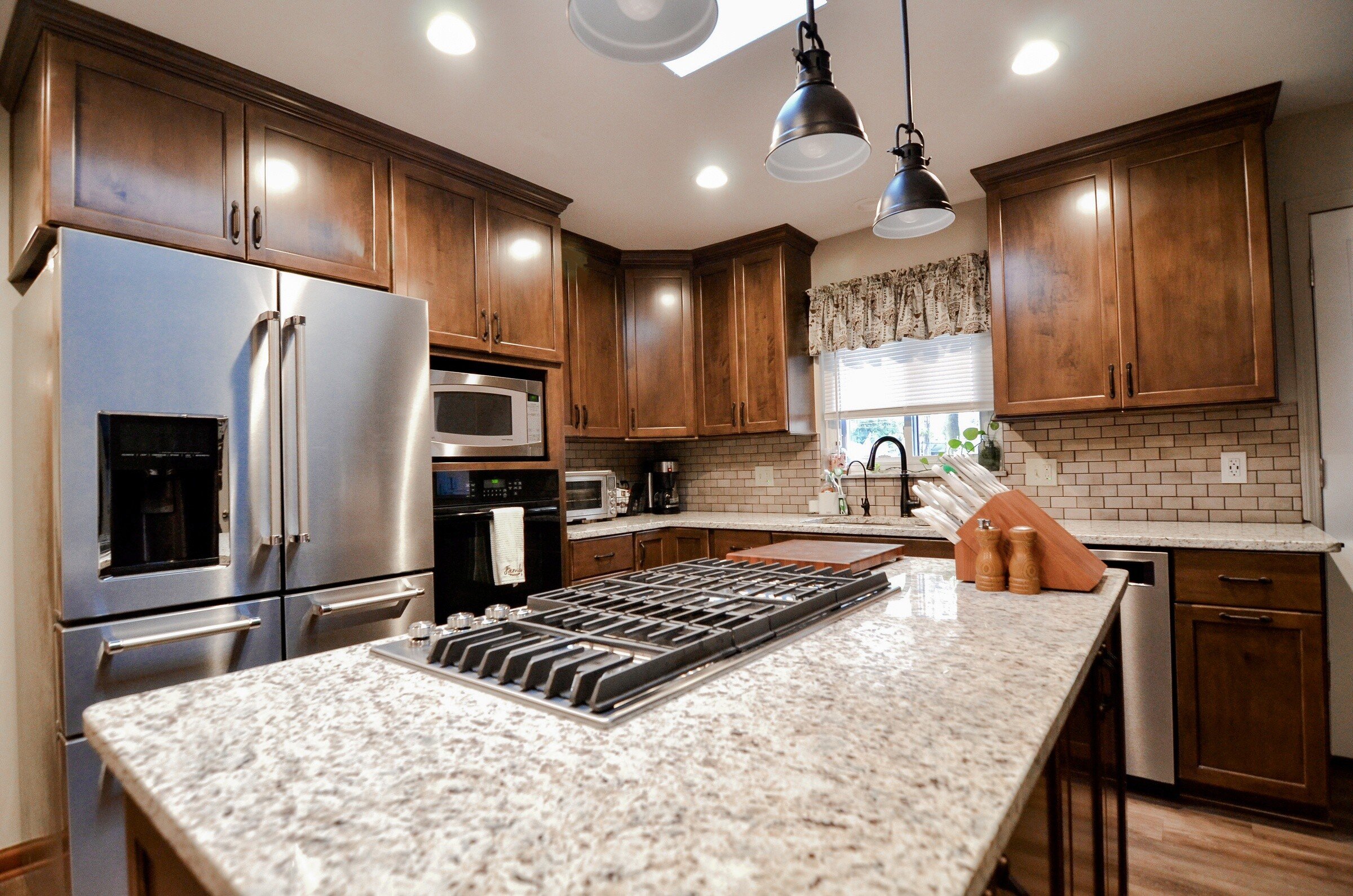
Image Source: www.jsbhomesolutions.com
Weighing the Investment: What Impacts the Price
Changing your kitchen countertops is a big step. It makes your kitchen look fresh and new. But the cost can change a lot based on many factors. Knowing these helps you plan your budget well.
Core Cost Elements
Many things make up the final cost of new countertops. These include the materials, the people who install them, and any extra work needed.
Material Choices and Their Price Tags
The biggest factor in the cost is the countertop material you pick. Materials vary greatly in price, look, and how well they last.
- Laminate: This is often the cheapest choice.
- Butcher Block: Wood countertops offer a warm feel.
- Solid Surface: These are man-made and seamless.
- Granite and Quartz: These are popular and durable, but cost more.
- Other options: Marble, concrete, stainless steel, and tile can also be considered.
Labor Fees for Installation
Installing countertops is not a simple job. It needs skill and the right tools. Labor costs cover measuring, cutting, fitting, and setting the new counters. These costs can change based on where you live and the installer’s experience.
Size and Shape of Your Kitchen
A bigger kitchen needs more material. This means a higher cost. Kitchens with many corners or unusual shapes also cost more. This is because cutting the material for these shapes takes more time and skill.
Removal of Old Countertops
Before new counters go in, the old ones must come out. This work adds to the cost. We will talk more about the cost to remove old countertops later on.
Extra Work and Custom Features
Do you want a special edge? A cut-out for a new sink or stove? These custom details add to the price. Any plumbing or electrical work also adds to the total.
Exploring Material Choices: A Cost Rundown
Let’s look at the costs for common countertop materials. This will help you see what fits your style and your wallet.
Laminate: The Budget-Friendly Option
Laminate countertops are a popular choice for many reasons. They are affordable and come in many colors and patterns. They can even look like more expensive materials.
What Laminate Is
Laminate is made of plastic glued to particleboard or plywood. The top layer has the design. It is then sealed with a clear, strong coating.
Laminate Countertop Installation Cost
The laminate countertop installation cost is usually the lowest.
* Material cost: $15 to $40 per square foot.
* Installation cost: $5 to $15 per square foot.
* Total cost: $20 to $55 per square foot.
Pros of Laminate
- Very cheap.
- Lots of colors and designs.
- Easy to clean.
- Lightweight.
Cons of Laminate
- Not very heat resistant.
- Can scratch or chip easily.
- Hard to repair if damaged.
- Edges can peel over time.
Butcher Block: Warm and Inviting Wood
Butcher block countertops bring a natural, warm feel to any kitchen. They are made from pieces of wood glued together to form a solid surface.
What Butcher Block Is
It comes in many wood types, like maple, oak, cherry, and walnut. Each wood has its own look and hardness.
Butcher Block Countertop Cost Per Square Foot
The butcher block countertop cost per square foot varies by wood type and thickness.
* Material cost: $20 to $60 per square foot for common woods. Exotic woods can be $70 to $100 per square foot.
* Installation cost: $10 to $30 per square foot.
* Total cost: $30 to $90 per square foot.
Pros of Butcher Block
- Looks natural and warm.
- Can be sanded and re-oiled to fix marks.
- Knife-friendly surface.
- Eco-friendly if sourced well.
Cons of Butcher Block
- Needs regular oiling to protect the wood.
- Can get water stains if not sealed well.
- Not very heat resistant.
- Can scratch or dent.
Solid Surface: Seamless and Versatile
Solid surface countertops are man-made. They are often made from acrylic or polyester plastics mixed with mineral fillers.
What Solid Surface Is
They can be molded into many shapes. They are known for their seamless look, especially around sinks.
Cost of Solid Surface
- Material cost: $30 to $70 per square foot.
- Installation cost: $10 to $30 per square foot.
- Total cost: $40 to $100 per square foot.
Pros of Solid Surface
- No visible seams.
- Can be repaired easily if scratched or stained.
- Many colors and patterns.
- Non-porous, so it resists stains and bacteria.
Cons of Solid Surface
- Not very heat resistant.
- Can scratch more easily than stone.
- Can look less natural than stone.
Granite and Quartz: The Top Choices
Granite quartz countertop cost is often higher, but they are very popular. They are both known for their beauty and strength.
What Granite Is
Granite is a natural stone. It is mined from the earth. Each slab is unique, with its own patterns and colors.
Cost of Granite
- Material cost: $40 to $100 per square foot. Some rare types can be more.
- Installation cost: $20 to $60 per square foot (often includes fabrication).
- Total cost: $60 to $160 per square foot.
Pros of Granite
- Very durable and scratch resistant.
- Heat resistant.
- Adds value to your home.
- Each slab is unique.
Cons of Granite
- Porous, so it needs sealing once a year to prevent stains.
- Can chip if a heavy object falls on it.
- Can be very heavy, needing strong cabinets.
What Quartz Is
Quartz countertops are engineered stone. They are made from ground quartz stone, resins, and pigments. This mix makes a very hard and consistent material.
Cost of Quartz
- Material cost: $50 to $120 per square foot.
- Installation cost: $20 to $60 per square foot (often includes fabrication).
- Total cost: $70 to $180 per square foot.
Pros of Quartz
- Very durable and scratch resistant.
- Non-porous, so it does not need sealing and resists stains well.
- Comes in a wide range of consistent colors and patterns.
- Very strong.
Cons of Quartz
- Can be more expensive than some granite.
- Can be damaged by very high heat.
- Does not have the natural variation of real stone.
Other Countertop Materials
There are more choices for countertops, each with its own pros and cons.
Marble
Marble is a high-end natural stone. It is known for its classic beauty.
* Cost: $75 to $200+ per square foot.
* Pros: Very beautiful, cool to the touch (great for baking).
* Cons: Very soft, stains easily, scratches easily, needs sealing often.
Stainless Steel
Often seen in commercial kitchens. It gives a sleek, modern, and industrial look.
* Cost: $70 to $150 per square foot.
* Pros: Very durable, heat resistant, easy to clean, hygienic.
* Cons: Can dent, shows fingerprints, can scratch.
Concrete
Concrete countertops are custom-made and can be very unique.
* Cost: $60 to $150 per square foot.
* Pros: Highly customizable (color, shape), durable, unique look.
* Cons: Can be very heavy, needs sealing, can crack, long cure time.
Tile
Tile countertops are less common now but can be a DIY-friendly option.
* Cost: $20 to $80 per square foot (including materials and labor).
* Pros: Very cheap, many design options, easy to repair one tile.
* Cons: Grout lines can stain and collect dirt, uneven surface, can chip.
Countertop Material Price Comparison
This table offers a quick countertop material price comparison. It lists the typical cost per square foot, including both material and installation. Remember, these are ranges. Your final price may vary.
| Material | Average Cost Per Square Foot (Installed) | Key Feature |
|---|---|---|
| Laminate | $20 – $55 | Most affordable |
| Butcher Block | $30 – $90 | Warm, natural wood |
| Solid Surface | $40 – $100 | Seamless look, easy to repair |
| Granite | $60 – $160 | Unique natural beauty, durable |
| Quartz | $70 – $180 | Non-porous, consistent look |
| Stainless Steel | $70 – $150 | Modern, hygienic, heat-proof |
| Concrete | $60 – $150 | Highly customizable, industrial |
| Marble | $75 – $200+ | High-end luxury, classic look |
| Tile | $20 – $80 | Budget-friendly, DIY possible |
Breaking Down Labor and Fabrication Costs
Labor is a big part of the total cost. It includes many steps to get your new countertops ready and installed.
What Labor Costs Cover
Professional installers do more than just place the new counter.
* Measuring: They take exact measurements. This ensures the new countertops fit perfectly.
* Templating: For stone or custom materials, they make a template. This is a pattern of your exact counter shape.
* Fabrication: For stone, quartz, or concrete, the material is cut and shaped in a shop. This is called custom countertop fabrication cost. It covers cutting slabs, polishing edges, and making sink cutouts.
* Installation: This is the actual placing and securing of the countertops. It includes leveling them, joining seams, and sealing if needed.
* Cleanup: Most installers will clean up after the job is done.
Average Labor Rates
Labor rates can be tricky to pin down. They often vary by region and the skill of the installer.
* Some charge by the hour: $40 to $100 per hour.
* Some charge a flat fee per project.
* For stone and quartz, the fabrication and installation are often bundled into the per-square-foot price. This makes it simpler.
Factors Affecting Labor Cost
- Complexity: A simple, straight counter costs less to install than one with many angles or tight spaces.
- Material: Some materials are harder to work with. Heavy stone needs more people to move and install.
- Location: Installers in big cities often charge more than those in smaller towns.
- Prep work: If your cabinets are not level, or old countertops are hard to remove, labor costs can go up.
Accounting for Additional Expenses
The countertop material and labor are the main costs. But other things can add to your final bill. It is important to know about these extra costs to avoid surprises.
Disposing of Old Countertops
Before new ones go in, old countertops must come out. This is the cost to remove old countertops.
* DIY Removal: You can remove old countertops yourself. This saves you money on labor. You may need tools like a pry bar or saw. You will also need to dispose of the old material. This could mean a trip to the dump or paying for a junk removal service. This might cost $50 to $200 just for disposal.
* Professional Removal: Most installers offer to remove and dispose of your old countertops. This is very convenient.
* Cost: $50 to $300, or sometimes more for very heavy materials like thick tile or concrete. This often includes hauling and disposal fees.
Sink and Faucet Related Costs
New countertops often mean new sinks and faucets.
* Sink purchase: $100 to $600 for a kitchen sink.
* Faucet purchase: $50 to $400 for a kitchen faucet.
* Sink cut-out: For stone or solid surface, cutting the hole for the sink adds $100 to $400. This is usually part of the fabrication cost.
* Sink installation: $75 to $200 if done by a plumber or countertop installer.
Plumbing and Electrical Adjustments
Sometimes, changing countertops means moving or changing plumbing or electrical lines.
* Plumbing: Moving a sink or faucet line can cost $150 to $500. Connecting a new sink and faucet to existing lines is often part of sink installation.
* Electrical: If you add an island with an outlet or change a cooktop, you might need an electrician. This can cost $100 to $300.
Edge Profiles and Cutouts
- Edge profiles: The way the edge of your countertop is shaped. Basic edges (like eased or bullnose) are often free. Fancy edges (like ogee or waterfall) can add $10 to $30 per linear foot.
- Cooktop/Range cutouts: If your cooktop sits inside the counter, a special cut-out is needed. This costs $100 to $300.
Backsplash Costs
Many people add a new backsplash when changing countertops. This creates a finished look.
* Materials: Tile ($2 – $30 per square foot), slab (same as counter material, more expensive).
* Installation: $10 – $40 per square foot.
* Total: $300 to $1,500 for an average kitchen.
Travel and Delivery Fees
If you live far from the supplier or fabricator, they might charge for travel.
* Cost: Varies, from $50 to $200 or more, depending on distance.
Permits
In most places, you do not need a permit just to change countertops. But if your project involves major plumbing, electrical, or structural changes, a permit might be needed. This adds to the cost and time.
* Cost: $50 to $500.
Budgeting for Your Kitchen Remodel
Planning is key for any kitchen update. Setting a clear kitchen remodel budget countertops helps you make smart choices and avoid overspending.
Setting Your Budget
- Know your limits: Decide how much you can spend first.
- Prioritize: What is most important to you? Is it material, speed, or look?
- Get quotes: Contact at least three different installers or companies. This helps you compare prices and services. Make sure quotes are detailed and include all costs.
Saving Money on Countertop Replacement
You can save money without giving up on quality.
Choose Wisely
- Material choice: As shown, laminate is the cheapest. Tile is also budget-friendly. If you want stone, consider less expensive granite colors or a mid-range quartz.
- Stock vs. Custom: Stock size countertops (often found at home improvement stores) are cheaper than custom cut ones. This is especially true for laminate or butcher block.
- Remnants: For small areas, like an island or a bathroom vanity, ask if stone fabricators have “remnants.” These are leftover pieces from bigger jobs and are sold at a lower price.
DIY vs. Pro for Parts of the Job
- DIY countertop replacement expense can be lower if you do some work yourself.
- Removal: Removing your old countertops yourself can save you $50 to $300. Be careful and have the right tools.
- Templating: For some materials, you can make your own templates. This needs great care and accuracy.
- Installation: For laminate or butcher block, skilled DIYers can install them. This saves on labor costs ($10 to $30 per square foot). However, for stone or solid surface, professional installation is almost always needed due to weight, special tools, and skill required for seams.
- Plumbing/Electrical: If you are skilled, you might disconnect and reconnect your sink and faucet. However, if you are not sure, hire a pro. Mistakes can be costly.
Shop for Deals
- Look for sales at big box stores or local suppliers.
- Ask about discounts for cash payments.
- Consider buying your own sink and faucet online to save money.
Custom Countertop Fabrication Cost
The custom countertop fabrication cost is part of the total for materials like granite, quartz, marble, and concrete.
* This cost includes cutting the slab to your kitchen’s exact shape, creating sink and cooktop cutouts, and finishing the edges.
* It is often included in the per-square-foot price from stone fabricators.
* Factors impacting this cost:
* Material hardness: Harder stones take more effort to cut.
* Edge style: Fancy edges cost more.
* Number of cutouts: More holes for sinks, faucets, or cooktops increase the price.
* Seams: Complex layouts might need more seams, which add labor.
* Templating: The process of creating a precise pattern of your cabinets to ensure a perfect fit.
The Process of Countertop Replacement
Knowing the steps helps you prepare and know what to expect.
1. Planning and Selection
- Research: Look at different materials, styles, and colors. Think about how you use your kitchen.
- Measure: Get a rough idea of your kitchen’s square footage. This helps with initial cost estimates.
- Budget: Set your spending limit.
- Get Quotes: Contact several companies. Compare their prices, services, and timelines. Ask for references.
2. Professional Measurement and Templating
- Once you pick a material and installer, they will come to your home.
- They will take very precise measurements of your cabinets.
- For stone, quartz, or concrete, they will make a template. This is a life-sized pattern of your countertops. This step is crucial for a perfect fit.
3. Fabrication
- The chosen material is cut and shaped at the fabricator’s shop.
- This includes cutting out holes for your sink and cooktop.
- Edges are polished to your chosen style.
4. Removal of Old Countertops
- The old countertops are carefully taken off.
- This is often done right before the new ones are installed.
- The area is prepped and cleaned.
5. Installation of New Countertops
- The new countertop pieces are brought in and carefully placed.
- They are leveled and secured to your cabinets.
- Any seams are carefully joined and sealed.
- For stone, they are often sealed against stains.
6. Finishing Touches
- The sink and faucet are installed and hooked up by a plumber.
- Any backsplash material is installed.
- The area is cleaned, and you are ready to enjoy your new kitchen!
Frequently Asked Questions (FAQ)
How long does it take to change kitchen countertops?
The actual installation of new countertops can take a few hours to a full day. However, the whole process, from choosing materials to finished installation, can take 2 to 4 weeks. This includes waiting for materials, fabrication time, and scheduling.
Can I install countertops myself?
Yes, for materials like laminate or butcher block, experienced DIYers can install them. This can save you money on labor. For stone, quartz, or solid surface, professional installation is highly recommended due to the weight, special tools, and skills needed for cutting and joining seams.
Does removing old countertops cost extra?
Yes, most companies charge an extra fee to remove and dispose of old countertops. This typically ranges from $50 to $300, depending on the material and how difficult it is to remove. You can save money by doing this yourself.
What is the most durable countertop material?
Quartz and granite are among the most durable options. Quartz is engineered to be very hard, non-porous, and scratch-resistant. Granite is also very hard and heat-resistant. Both are excellent choices for long-lasting kitchens.
Do I need to replace my sink when I change countertops?
You do not always have to replace your sink. If your current sink is in good shape and fits the new countertop, you might keep it. However, many people choose to update their sink and faucet when they get new countertops for a fresh look. If you pick a different type of sink (like an undermount instead of a top-mount), you will need a new one.
How often do I need to seal granite countertops?
Granite is a natural, porous stone. It usually needs to be sealed once a year to prevent stains. Quartz countertops, being engineered and non-porous, do not need to be sealed.
Changing your kitchen countertops is a big project that can greatly improve your home. By knowing all the costs involved and planning well, you can make choices that fit your style and your budget.