
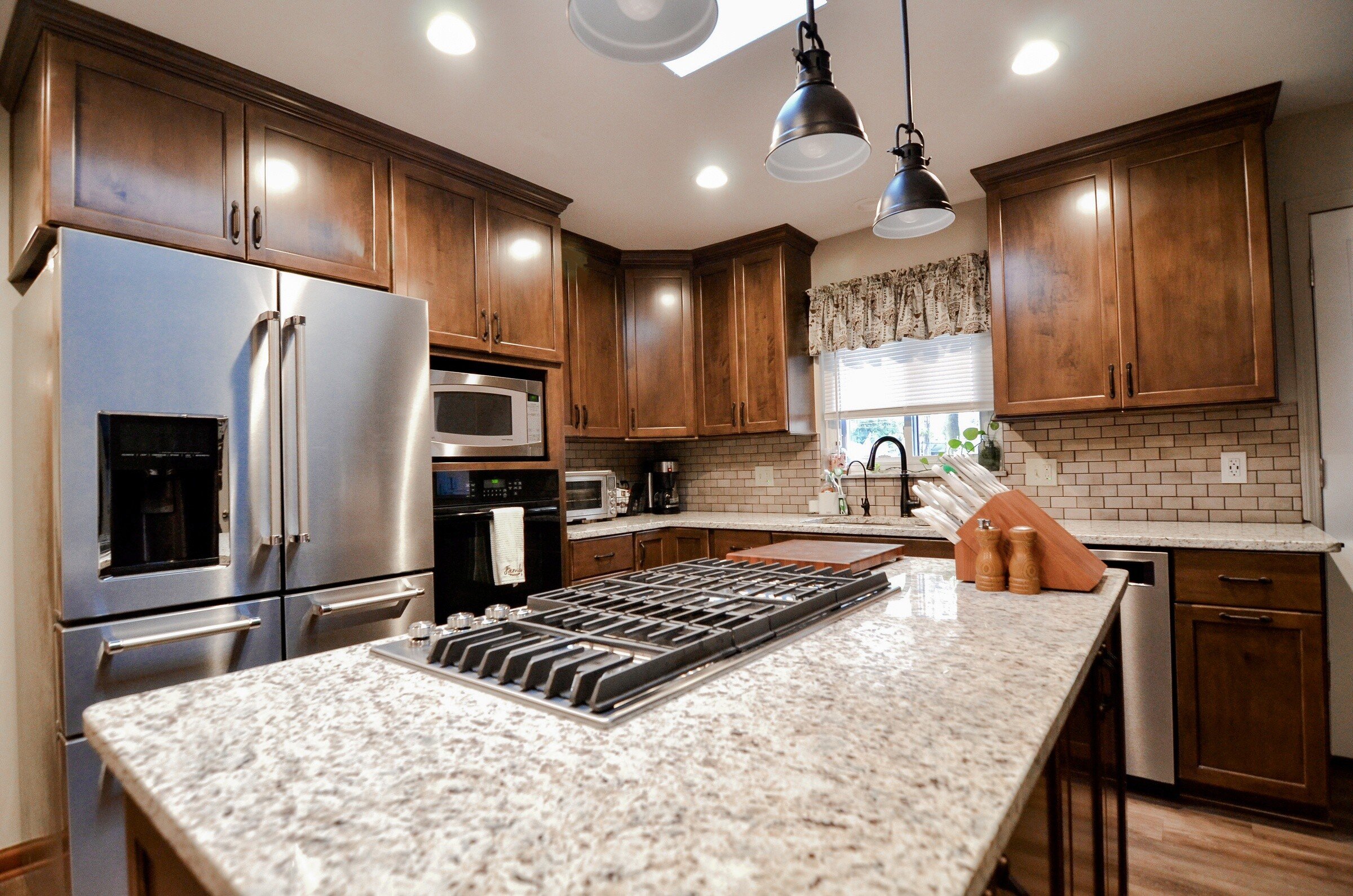
Image Source: www.jsbhomesolutions.com
How Much Does It Cost To Replace Kitchen Counters – Your Guide
Replacing your kitchen counters changes how your kitchen looks and feels. It also adds value to your home. But what will it cost? The average kitchen counter replacement expense can range from $1,500 to $10,000 or more. This wide price range depends on many things. These include the type of material you pick, how much counter space you have, and the labor cost for countertop replacement. We will look at all the different parts of this cost. This guide will help you plan your budget.
Breaking Down the Expense
Replacing counters involves several steps. Each step adds to the total cost. Knowing these parts helps you see where your money goes. Many factors affecting countertop replacement cost. We will look at the main ones here.
The total price comes from these main areas:
- Materials: This is the biggest part. It is the cost of the actual counter material.
- Labor: This is the cost for people to do the work. This includes taking out old counters and putting in new ones.
- Removal: You must pay to take out your old counters. You also pay to get rid of them.
- Other Costs: These can be small things. They might include a new sink, faucet, or plumbing work.
Let’s look at each of these parts in more detail.
Material Matters: Countertop Options and Their Costs
The kind of material you choose is key. It makes a big difference in the final price. Each material has its own look, feel, and price point. Here is a look at common options. We will also talk about countertop material pricing per square foot.
Laminate
Laminate counters are a very budget-friendly choice. They are made from layers of plastic stuck onto a wood base. They come in many colors and patterns. Some can even look like stone or wood.
- Pros: Very low cost. Easy to clean. Many style choices.
- Cons: Not very heat-resistant. Can scratch or chip. Hard to repair.
- Cost: Laminate countertop installation cost is usually from $20 to $60 per square foot. This makes them a good pick for a DIY countertop replacement budget.
Solid Surface
Solid surface counters are made from acrylic or polyester plastics. They are mixed with mineral fillers. This makes a smooth, non-porous surface. Corian is a well-known brand of solid surface.
- Pros: No seams. Easy to repair if scratched. Non-porous, so good for hygiene.
- Cons: Can scratch easily. Not as heat-resistant as stone. Can cost more than laminate.
- Cost: Expect to pay $40 to $80 per square foot.
Wood or Butcher Block
Wood counters add warmth to any kitchen. They are made from solid wood pieces. These pieces are glued together. They need regular oiling to stay nice.
- Pros: Natural and warm look. Can be sanded and refinished.
- Cons: Needs more care. Not waterproof without good sealing. Can scratch or dent.
- Cost: Prices range from $50 to $100 per square foot.
Granite
Granite is a popular natural stone choice. Each granite slab is unique. It comes from the earth. It offers lasting beauty and strength. This is why granite slab prices are often higher.
- Pros: Very durable. Heat and scratch resistant. Unique patterns. Adds home value.
- Cons: Needs sealing once a year to prevent stains. Can chip if hit hard.
- Cost: Granite slab prices range from $40 to $100 per square foot. The price depends on the granite’s rarity and color. Some rare types can be even more.
Quartz
Quartz counters are engineered stone. They are made from ground quartz crystals mixed with resins. They look like natural stone but are more uniform. Quartz countertop replacement cost can be high. This is because it is a very durable and stylish material.
- Pros: Very durable and hard. Does not need sealing. Many color options. Non-porous.
- Cons: Can be expensive. Not as heat-resistant as granite in some cases.
- Cost: Quartz countertop replacement cost is usually $50 to $150 per square foot. The cost depends on the brand and design.
Marble
Marble is another natural stone. It is known for its elegant look. It has soft veining. It is often seen in high-end kitchens.
- Pros: Very beautiful and classic. Heat resistant.
- Cons: Very porous. Stains easily. Scratches easily. Needs regular sealing.
- Cost: Marble is often expensive. Expect $70 to $200 per square foot.
Concrete
Concrete counters are custom-made. They are poured and shaped right in your kitchen. They give an industrial or modern look.
- Pros: Very durable. Custom colors and shapes possible. Heat resistant.
- Cons: Very heavy. Can crack. Needs regular sealing. Can be expensive due to custom work.
- Cost: Price often ranges from $60 to $150 per square foot.
Stainless Steel
Stainless steel counters give a sleek, professional look. They are often used in commercial kitchens. They are also used in modern homes.
- Pros: Very hygienic. Heat proof. Durable.
- Cons: Can scratch easily. Shows fingerprints. Can dent. Limited style options.
- Cost: Prices range from $70 to $150 per square foot.
Recycled Glass
Recycled glass counters are eco-friendly. They are made from glass shards set in a resin or concrete base. They offer a unique, colorful look.
- Pros: Unique look. Eco-friendly. Durable.
- Cons: Can be expensive. Some types may scratch or chip.
- Cost: These counters can cost from $60 to $160 per square foot.
Here is a quick look at the average material pricing per square foot:
| Countertop Material | Average Cost Per Square Foot (Material Only) | Notes |
|---|---|---|
| Laminate | $20 – $60 | Most budget-friendly |
| Solid Surface | $40 – $80 | Seamless look |
| Wood/Butcher Block | $50 – $100 | Needs care |
| Granite | $40 – $100 | Natural stone, unique |
| Quartz | $50 – $150 | Engineered, no sealing |
| Marble | $70 – $200 | Luxury, needs care |
| Concrete | $60 – $150 | Custom-made |
| Stainless Steel | $70 – $150 | Modern, hygienic |
| Recycled Glass | $60 – $160 | Unique, eco-friendly |
The Installation Factor: Labor and More
Beyond the material, the cost of labor is a big part of your total bill. Countertop installation cost includes several steps.
Removing Old Counters
Before new counters can go in, the old ones must come out. This is usually part of the overall job. But it is good to know this specific cost. The cost to remove old kitchen countertops depends on their size and material. Heavy stone counters cost more to remove than laminate.
- DIY Removal: You can save money by removing your old counters yourself. This is part of a DIY countertop replacement budget. But be careful. Stone counters are very heavy. They can also damage cabinets if not taken out right.
- Pro Removal Cost: Hiring pros for removal typically costs $50 to $300. This often includes hauling away the old material.
New Countertop Installation
This is where the new counters are put in place. The complexity of the job affects the labor cost for countertop replacement. Factors include:
- Material: Some materials are harder to install. Stone needs special tools and many workers. Laminate is easier.
- Countertop Shape: Straight counters are simpler. L-shapes, U-shapes, or counters with many turns take more time.
- Cut-outs: Any holes for sinks, cooktops, or faucets add to the work. These cut-outs need to be very precise.
- Edge Profiles: Simple flat edges are cheapest. Fancy edges like ogee or bullnose cost more. This is because they take more work to shape.
Labor Cost for Countertop Replacement
The labor cost for countertop replacement can vary a lot. It depends on where you live and the installer’s skill. Many installers charge by the project. Some charge by the hour or by the square foot.
- Average Labor Cost: Generally, expect labor to be $20 to $50 per square foot. This is for a standard installation.
- Complex Jobs: For very complex jobs or high-end materials, labor can be higher. It might be $60 to $100 per square foot.
Here is a general idea of labor costs for different materials:
| Countertop Material | Average Labor Cost Per Square Foot |
|---|---|
| Laminate | $10 – $20 |
| Solid Surface | $20 – $40 |
| Wood/Butcher Block | $15 – $30 |
| Granite | $30 – $60 |
| Quartz | $30 – $60 |
| Marble | $40 – $70 |
| Concrete | $40 – $80 |
| Stainless Steel | $30 – $60 |
| Recycled Glass | $30 – $60 |
Total Countertop Installation Cost
To get a full picture of the countertop installation cost, you combine material and labor.
- Example 1 (Basic Laminate):
- Material: $20/sq ft
- Labor: $10/sq ft
- Total: $30/sq ft
- Example 2 (Mid-Range Quartz):
- Material: $70/sq ft
- Labor: $40/sq ft
- Total: $110/sq ft
- Example 3 (High-End Marble):
- Material: $150/sq ft
- Labor: $60/sq ft
- Total: $210/sq ft
Remember, these are just examples. Your specific costs will vary.
Other Costs to Remember
Beyond materials and labor, some other costs might come up. It is smart to plan for these too. They can affect your average kitchen counter replacement expense.
Sink and Faucet
You might want a new sink and faucet. Or you might just need to remove and re-install your old ones.
- New Sink: Sinks can cost from $100 to $1,000 or more. It depends on size, material, and brand.
- New Faucet: Faucets typically cost $50 to $500.
- Installation: A plumber might charge $100 to $300 to connect new plumbing. If you reuse your old sink, the cost is for disconnection and reconnection.
Plumbing Work
If your new sink is a different size or shape, you might need plumbing changes. This can add to the bill. Expect $100 to $500 for basic plumbing changes.
Electrical Work
Sometimes, you need new outlets. Or you might move an appliance. This needs an electrician. This usually adds $100 to $400.
Demolition and Disposal Fees
As mentioned, taking out old counters costs money. If the installer charges a separate fee for hauling away the old material, it can be $50 to $200. This depends on how much waste there is.
Backsplash
Many people replace the backsplash when they replace counters. A new backsplash can greatly change the look of your kitchen.
- Cost: Backsplash material costs $5 to $50 per square foot. Installation costs $10 to $30 per square foot.
- Total Backsplash: For an average kitchen, this might add $300 to $1,500.
Permits
Most counter replacement jobs do not need permits. But if your project involves major plumbing or electrical changes, you might need one. Always check with your local building office. Permits can cost $50 to $200.
Templates and Measurements
For stone or engineered counters, installers make a precise template. This ensures a perfect fit. This service is usually part of the overall installation cost. But some companies might list it separately.
DIY or Pro? Weighing Your Options
You might wonder if you can save money by doing the work yourself. A DIY countertop replacement budget can be much lower. But it comes with its own set of challenges.
The DIY Path
You can replace laminate or butcher block counters yourself. These materials are lighter and easier to cut.
- Cost Savings: You save on labor. This means you only pay for materials. This significantly reduces your countertop installation cost.
- Skills Needed:
- Measuring and Cutting: Must be very precise. Errors waste expensive material.
- Leveling: Counters must be perfectly level.
- Sealing: For wood, proper sealing is key.
- Plumbing/Electrical: You need basic skills for sink and cooktop hook-ups.
- Risks:
- Damage: You could damage cabinets or walls.
- Wasted Material: Mistakes can mean buying new material. This makes your DIY countertop replacement budget much bigger.
- Poor Finish: An uneven or badly installed counter can look bad. It might even cause problems later.
- Heavy Lifting: Stone counters are very heavy. They need special tools and strong people. It is usually not a DIY job.
Hiring a Professional
For most materials, especially stone or engineered stone, hiring a pro is the best choice.
- Expertise: Pros have the right tools and skills. They ensure a perfect fit and finish.
- Efficiency: They work faster and avoid common mistakes.
- Warranty: Most pros offer a warranty on their work. This gives you peace of mind.
- Safety: They know how to handle heavy materials safely.
- Higher Upfront Cost: Yes, the labor cost for countertop replacement will add to your total. But it often saves you from costly errors or future problems.
When hiring a pro, get at least three quotes. Ask for references. Look at their past work. Make sure they are insured.
Tips for Saving Money
Even with higher costs, there are ways to save on your countertop replacement. These tips can help lower your average kitchen counter replacement expense.
- Get Multiple Quotes: Always get at least three detailed quotes. Compare them. Do not just look at the total. Look at what each part of the job costs.
- Look for Sales and Remnants: Stone yards often have sales. They also have “remnants.” These are leftover pieces from larger slabs. If you have a small kitchen or an island, a remnant can save you a lot. Granite slab prices for remnants can be much lower.
- Do the Demolition Yourself: If you are comfortable, remove your old counters. This saves you the cost to remove old kitchen countertops. But remember safety, especially with heavy materials.
- Keep Your Sink and Faucet: If your old sink and faucet are in good shape, reuse them. This saves the cost of new fixtures. It also saves plumbing installation fees.
- Choose a Simpler Edge Profile: Fancy edges add to the labor cost. A simple, straight edge is usually included in the base price.
- Consider a Less Expensive Material: If your budget is tight, laminate, solid surface, or basic granite are good options. You do not have to pick the most expensive material to get a good look.
- Limit Overhangs: Very deep counters or large overhangs use more material. This increases the countertop material pricing per square foot. It also might need extra support, adding to labor.
- Time Your Project: Sometimes, installers have slower seasons. They might offer better deals during these times.
- Ask About Project Packages: Some companies offer packages. These might include material, templates, cuts, and installation for one price. These can sometimes be a better deal.
Making Your Decision
Replacing kitchen counters is a big step. It is an investment in your home. Take your time to weigh your options.
- Think about your budget: How much can you truly spend? Be realistic.
- Consider your lifestyle: Do you cook a lot? Do you need a very durable surface? Or is style more important?
- Look at your home’s style: What will look best in your kitchen? Will it fit with the rest of your home?
- Get samples: Bring samples of your favorite materials home. See how they look in your kitchen’s light.
- Talk to experts: Ask questions. A good installer will guide you through the choices.
By planning carefully, you can get beautiful new counters that fit your budget and your needs. The cost to replace kitchen counters can be a range. But with good choices, you will be happy with the outcome.
Frequently Asked Questions (FAQ)
Q1: How long does it take to replace kitchen counters?
A1: The actual installation usually takes one to two days. But the whole process can take longer. This includes measuring, ordering materials, and fabrication. It can take from two to four weeks. Sometimes, it can take even longer for special orders.
Q2: Can I just replace my countertops without changing cabinets?
A2: Yes, you can. Many people only replace the counters. This is a common way to update a kitchen. Your cabinets must be in good shape and sturdy. They must be able to hold the weight of new counters, especially heavy stone.
Q3: Is it cheaper to replace kitchen counters or paint cabinets?
A3: Painting cabinets is usually cheaper. Painting can cost from $1,500 to $4,000 if you hire a pro. Replacing counters costs from $1,500 to $10,000 or more. Both can give your kitchen a fresh look.
Q4: How much does it cost to replace a small kitchen countertop?
A4: For a small kitchen, say 20 square feet of counter space, costs will be lower. Using laminate, it might be $600 to $1,200. For quartz, it could be $2,000 to $3,000. These are just for materials and basic installation.
Q5: What adds the most to countertop replacement cost?
A5: The type of material chosen adds the most. High-end natural stones like marble or certain quartz designs are very expensive. The total square footage also adds a lot. Very fancy edge profiles or many custom cut-outs also increase the price.
Q6: Do all countertops need sealing?
A6: No, not all. Natural stone counters like granite and marble need regular sealing. This helps prevent stains. Engineered materials like quartz or solid surface do not need sealing. They are non-porous. Laminate and stainless steel also do not need sealing. Wood counters need regular oiling or sealing.