
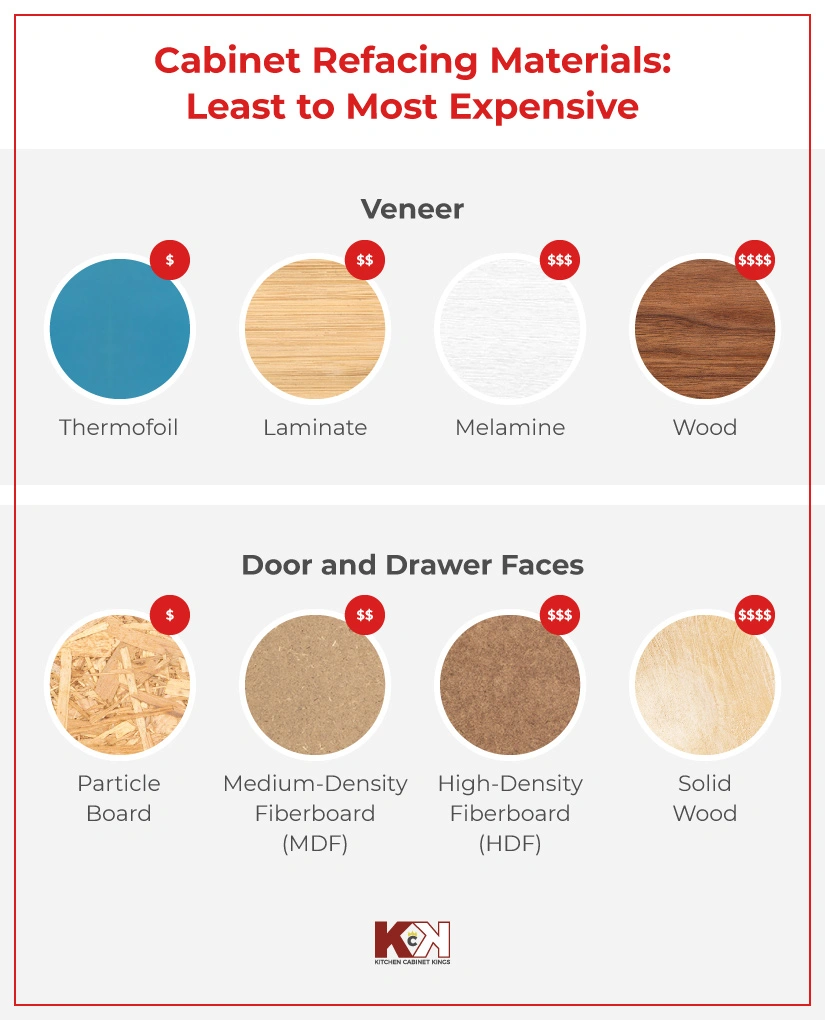
Image Source: cdn.kitchencabinetkings.com
How Much Does It Cost To Resurface Kitchen Cabinets? Price Guide
The cost to resurface kitchen cabinets typically ranges from $2,000 to $8,000 for a standard-sized kitchen, with most homeowners spending around $4,000. This price depends on the method you choose, the size of your kitchen, the condition of your existing cabinets, and the specific materials and finishes you select.
Revitalizing your kitchen cabinets can dramatically transform the heart of your home without the overwhelming expense and disruption of a full remodel. When the structure of your cabinets is sound but their appearance has faded, scratched, or gone out of style, resurfacing offers a smart and budget-friendly solution. But what exactly does it entail, and what factors influence the final price tag? This comprehensive guide will delve into the various methods of cabinet resurfacing, their associated costs, and everything you need to know to budget effectively for your kitchen cabinet update cost.
Deciphering Cabinet Resurfacing Options
Cabinet resurfacing isn’t a single process but rather an umbrella term for several techniques that breathe new life into existing cabinetry. Each method offers a different level of transformation and comes with its own price point.
1. Cabinet Painting: The Affordable Refresh
Cabinet painting is often the most budget-friendly option for updating your kitchen cabinets. It involves thoroughly cleaning, sanding, priming, and then applying a new coat of paint to the cabinet doors, drawer fronts, and exposed frames.
- Process: This method is a labor-intensive DIY project or a professional service. It requires meticulous preparation to ensure a smooth, durable finish. Professionals typically use sprayers for a factory-like finish, while DIYers might use rollers and brushes.
- When it’s a good choice: If your cabinets are in good structural condition but the color is outdated or you’re looking for a significant visual change without a major investment.
- Pros:
- Most cost-effective option.
- Wide range of color choices available.
- Can hide minor imperfections.
- Relatively quick turnaround time compared to other methods.
- Cons:
- Durability can vary based on the quality of paint and application.
- Paint can chip or scratch over time if not properly maintained.
- Doesn’t alter the cabinet style or door profiles.
- Cabinet Painting Cost: For professional cabinet painting, expect to pay between $100 to $200 per linear foot of cabinetry, or a flat fee ranging from $2,000 to $6,000 for an average-sized kitchen. DIY painting can significantly reduce this cost, with expenses for materials (paint, primer, sandpaper, brushes, etc.) typically falling between $300 to $1,000.
2. Cabinet Refinishing: Restoring Natural Beauty
Cabinet refinishing is a more involved process that aims to restore or alter the original finish of wooden cabinets. This typically involves stripping away the old finish, sanding the wood down to its natural state, and then applying a new stain or protective topcoat.
- Process: This method is best left to professionals due to the use of strong chemicals for stripping and the skill required for even sanding and stain application. The goal is to achieve a smooth, natural wood look or a richer, deeper stained appearance.
- When it’s a good choice: When your cabinets are made of desirable wood (like oak, maple, or cherry) and you want to enhance their natural grain and beauty, or when the existing finish is damaged.
- Pros:
- Enhances the natural beauty of the wood.
- Can achieve a rich, deep, or custom stain color.
- More durable than paint if done correctly.
- Can often repair minor surface damage.
- Cons:
- More expensive than painting.
- Requires specialized skills and materials, making DIY more challenging.
- Limited to cabinets with a natural wood surface.
- The process can be messy and time-consuming.
- Kitchen Cabinet Refinishing Price: The cost to refinish kitchen cabinets professionally can range from $150 to $300 per linear foot, or $3,000 to $8,000 for an entire kitchen. This reflects the labor-intensive nature of stripping and sanding.
3. Cabinet Refacing: A Style Makeover
Cabinet refacing involves replacing the existing cabinet doors and drawer fronts with new ones, while keeping the existing cabinet boxes (the frames). The visible sides of the cabinet boxes are then covered with a matching veneer or laminate.
- Process: New doors and drawer fronts are custom-made to fit your existing cabinet boxes. You can choose from a wide variety of styles, materials (wood, MDF, thermofoil), and finishes. The old doors are removed, and the new ones are installed.
- When it’s a good choice: When your cabinet boxes are in excellent condition, but you want to completely change the style, color, and material of your doors and drawer fronts. It’s also a good option if your current doors are damaged or dated.
- Pros:
- Completely changes the look and style of your kitchen.
- Wide selection of door styles, materials, and finishes.
- More durable than painted finishes if high-quality materials are used.
- Less disruptive than a full cabinet replacement.
- Can update to more modern or desired aesthetics.
- Cons:
- More expensive than painting or refinishing.
- You are limited by the size and layout of your existing cabinet boxes.
- Requires precise measurements for custom doors.
- Cabinet Refacing Cost: The cabinet refacing cost typically falls between $400 to $1,200 per linear foot, with a full kitchen project averaging $5,000 to $10,000 or more. The price is heavily influenced by the material and design of the new doors and drawer fronts.
Factors Influencing Your Cabinet Resurfacing Budget
Several key elements will impact your overall cabinet resurfacing cost, regardless of the method chosen.
Kitchen Size and Cabinet Quantity
The most obvious factor is the size of your kitchen and the number of cabinets you have. A larger kitchen with more cabinets will naturally require more labor and materials, increasing the total cost. Measure the linear footage of your cabinetry (the total length of base cabinets and wall cabinets) to get a clearer estimate.
- Small Kitchen (approx. 100-150 linear feet): Expect lower end of the price ranges.
- Medium Kitchen (approx. 150-250 linear feet): Mid-range pricing.
- Large Kitchen (approx. 250+ linear feet): Higher end of the price ranges.
Condition of Existing Cabinets
The current state of your cabinets plays a significant role.
- Minor Wear and Tear: If your cabinets only have light scratches or fading, the cost will be lower as less prep work is needed.
- Significant Damage: Cabinets with deep gouges, peeling veneer, or structural issues may require more extensive repair work before resurfacing can begin, adding to the overall cost. This could involve wood filler, bonding agents, or even minor structural repairs.
Material of Existing Cabinets
The material your cabinets are made from will affect the chosen resurfacing method and its cost.
- Solid Wood: Generally the most versatile and often the best candidate for refinishing or high-quality painting.
- MDF or Particle Board: May be more suitable for painting or refacing with new doors, as refinishing can be more challenging if the laminate or veneer is damaged.
Choice of Finish and Materials
This is where you have significant control over the budget.
- Paint Colors: Standard paint colors are usually included in the base price. Custom or specialty colors, or high-gloss finishes, might incur an additional charge.
- Stain Colors: Similar to paint, standard stain colors are generally within the base price, but custom or complex stain applications can increase the cost.
- Refacing Materials:
- Laminate/Thermafoil: Often the most budget-friendly option for refacing doors.
- Veneer: A mid-range option, offering a more natural wood look.
- Solid Wood: The most premium and expensive option for doors.
- Hardware: New cabinet knobs and pulls are typically an additional cost, ranging from $2-$10+ per piece depending on material and design.
Labor Costs vs. DIY
How much to refinish cabinets can be significantly impacted by whether you hire a professional or tackle it yourself.
- Professional Services: While more expensive, professionals bring expertise, specialized tools, and guarantee their work. This ensures a higher quality and more durable finish.
- DIY Projects: The budget for cabinet resurfacing can be drastically reduced by doing it yourself. However, it requires a significant investment of time, patience, and the purchase of materials and tools. The quality of the finish can also be less professional if you lack experience.
Geographic Location
Labor rates vary by region. If you live in an area with a higher cost of living, you can expect to pay more for professional cabinet resurfacing services.
Getting Accurate Quotes: What to Ask
When you reach out for estimates for your kitchen cabinet update cost, be prepared to ask specific questions to ensure you’re comparing apples to apples.
- What is included in the estimate? (e.g., cleaning, sanding, priming, number of paint coats, type of topcoat, hardware installation, cabinet hardware itself).
- What is the estimated timeframe for the project?
- What type of paint/stain/materials will be used?
- Do you offer a warranty on your work?
- Are there any additional costs I should be aware of? (e.g., repairs to damaged cabinets, disposal of old doors).
- Can you provide references or show examples of your previous work?
Cost Comparison Table: Resurfacing Methods
To help you visualize the price differences, here’s a general comparison table for a standard-sized kitchen (approximately 20 cabinet doors and drawer fronts):
| Resurfacing Method | Estimated DIY Material Cost | Estimated Professional Cost (per kitchen) | Key Considerations |
|---|---|---|---|
| Cabinet Painting | $300 – $1,000 | $2,000 – $6,000 | Most affordable; good for color change; durability depends on prep and paint quality. |
| Cabinet Refinishing | $500 – $1,500 (for supplies) | $3,000 – $8,000 | Restores wood’s natural beauty; requires skill; best for solid wood cabinets. |
| Cabinet Refacing | $1,000 – $3,000 (for DIY kits) | $5,000 – $10,000+ | Complete style change; new doors can be expensive; limited by existing cabinet boxes. |
Note: These are general estimates and can vary significantly based on the factors mentioned above.
DIY vs. Professional: Making the Right Choice
Deciding whether to DIY or hire a professional hinges on your skills, time, and desired outcome.
The Case for DIY Cabinet Resurfacing
- Cost Savings: This is the primary driver for DIY enthusiasts. By investing your time, you can save thousands of dollars.
- Control: You have complete control over the process, materials, and timeline.
- Learning Experience: It can be a rewarding project that teaches you new skills.
DIY Considerations:
- Time Commitment: Painting or refinishing cabinets can take weeks, especially if you’re doing it after work or on weekends. Refacing requires precise measurements and installation.
- Tools and Supplies: You’ll need to invest in quality sandpaper, primers, paints/stains, brushes, rollers, sprayers (optional but recommended for a professional finish), safety gear (masks, gloves), and potentially repair materials.
- Skill Level: Achieving a smooth, durable, and professional-looking finish requires patience and attention to detail. Mistakes can be costly to fix.
The Case for Hiring Professionals
- Expertise and Quality: Professionals have the experience and tools to achieve a flawless, long-lasting finish. They know how to properly prep surfaces, apply finishes evenly, and troubleshoot potential issues.
- Time Savings: Professionals can complete the job much faster than a typical DIYer, minimizing disruption to your household.
- Durability Guarantee: Reputable professionals often offer warranties on their work, providing peace of mind.
- Access to Better Materials/Tools: They often have access to professional-grade paints, stains, and spray equipment that can yield superior results.
Professional Considerations:
- Higher Cost: The primary drawback is the significantly higher expense.
- Scheduling: You’ll need to coordinate schedules to ensure access to your kitchen.
Is Cabinet Refacing or Painting Better for Your Kitchen?
To make an informed decision about your kitchen cabinet update cost, consider these comparisons:
When is Cost to Paint Kitchen Cabinets the Best Option?
- You love the layout and style of your current cabinets but dislike the color.
- Your budget is a primary concern.
- You want a dramatic color change.
- Your cabinets are in good structural condition with minimal damage.
When is Cabinet Refinishing Price a Better Fit?
- Your cabinets are made of beautiful, natural wood you want to showcase.
- The existing finish is damaged, but the wood itself is in good shape.
- You desire a richer, deeper, or custom wood tone.
- You have the budget for a more involved process.
When is Cabinet Refacing Cost the Ideal Choice?
- You want to completely change the style or material of your cabinet doors and drawer fronts.
- Your cabinet boxes are solid and in excellent condition, but the doors are dated, damaged, or not to your taste.
- You’re looking for a modern update and are willing to invest more.
- You want to explore different door profiles (e.g., shaker, slab, raised panel).
Extending the Life of Your Resurfaced Cabinets
Once you’ve invested in cabinet resurfacing, proper care will ensure your beautiful new finish lasts for years to come.
- Regular Cleaning: Wipe down cabinets regularly with a soft, damp cloth. Avoid abrasive cleaners or harsh chemicals that can damage the finish.
- Wipe Up Spills Immediately: Moisture and grease can stain and damage finishes over time.
- Avoid Excessive Heat and Moisture: While modern finishes are durable, prolonged exposure to steam or direct heat from appliances can degrade the finish.
- Use Gentle Cleaning Products: For tougher spots, use a mild dish soap diluted in water. Always test cleaning products in an inconspicuous area first.
- Mind Your Hardware: When cleaning around knobs and pulls, use a soft cloth to avoid scratching the cabinet surface.
Frequently Asked Questions (FAQ)
Q1: What is the difference between cabinet resurfacing, refinishing, and refacing?
A1: Cabinet resurfacing is a broad term. Refinishing typically means stripping and restaining/refinishing wood. Refacing involves replacing doors and drawer fronts while keeping the existing cabinet boxes. Painting is a form of resurfacing where new paint is applied over the existing finish.
Q2: Can I paint over stained cabinets?
A2: Yes, you can paint over stained cabinets, but proper preparation is crucial. This involves thorough cleaning, sanding, and priming with a high-quality bonding primer to ensure the paint adheres well and doesn’t chip.
Q3: How long do resurfaced cabinets typically last?
A3: With proper care and depending on the method and quality of materials used, resurfaced cabinets can last anywhere from 5 to 15 years or even longer. Professionally painted or refinished cabinets often have a longer lifespan than DIY projects.
Q4: Is it cheaper to paint or reface kitchen cabinets?
A4: It is almost always cheaper to paint kitchen cabinets than to reface them. Refacing involves custom-made doors and more extensive labor, driving up the cost.
Q5: What’s the most durable cabinet finish?
A5: Generally, a high-quality lacquer or a catalyzed conversion varnish applied professionally offers superior durability and resistance to moisture and wear compared to standard paints or stains. However, well-applied cabinet-grade paint can also be very durable.
Q6: How much does it cost to get new kitchen cabinet doors?
A6: The cost of new cabinet doors varies greatly depending on the material, style, and finish. You can expect to pay anywhere from $50 to $300+ per door for custom-made doors.
Q7: Should I refinish or replace my kitchen cabinets?
A7: If your cabinet boxes are structurally sound and the layout works for your kitchen, resurfacing (painting or refinishing) is a more cost-effective option than full replacement. If the boxes are damaged, warped, or the layout is highly inefficient, replacement might be a better long-term investment.
Embarking on a cabinet resurfacing project can be a rewarding way to refresh your kitchen’s aesthetic. By carefully considering the various methods, understanding the cost drivers, and accurately assessing your needs, you can make an informed decision that fits your budget and delivers the beautiful, updated kitchen you desire.