
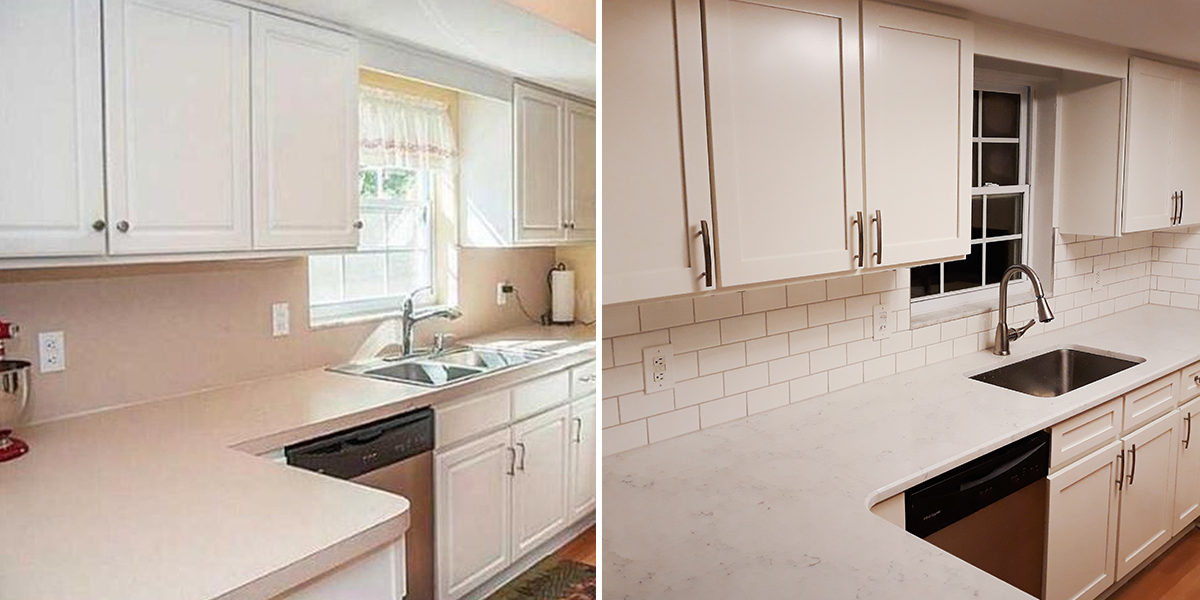
Image Source: premiercabinetpainting.com
How Much Does Kitchen Cabinet Refacing Cost: Budget Guide
Wondering about the cost of kitchen cabinet refacing? Generally, you can expect to spend between $2,500 and $10,000 for cabinet refacing, depending on the size of your kitchen, the materials chosen, and the complexity of the project. This guide will break down the various factors that influence kitchen cabinet refacing prices, helping you to plan your budget effectively. We’ll explore the average cost of cabinet refacing, delve into what influences those figures, and compare it to other renovation options.
Revitalizing your kitchen doesn’t always mean a complete overhaul. For many homeowners, refacing kitchen cabinets offers a fantastic middle ground between a costly replacement and a superficial cosmetic update. It’s a way to achieve a fresh, modern look without the price tag and disruption of tearing out existing cabinets. But what exactly goes into the cost to reface cabinets, and how can you get an accurate idea for your own home?
Deciphering the Factors Influencing Cabinet Refacing Expenses
The cost of refacing kitchen cabinets isn’t a one-size-fits-all answer. Several elements contribute to the final price tag. Let’s break them down:
Size of Your Kitchen and Number of Cabinets
This is perhaps the most significant driver of cost. The more cabinets you have, the more materials and labor will be required. This includes base cabinets, wall cabinets, and any specialty units like pantry cabinets or island cabinets. A small galley kitchen will naturally cost less to reface than a large, expansive kitchen with numerous cabinets.
Material Choices
The materials you select for your new cabinet doors, drawer fronts, and veneers play a crucial role in pricing.
- Veneers: These are thin layers of wood or laminate applied over your existing cabinet boxes.
- Wood Veneers: Offer a natural wood look and can range in price depending on the type of wood (e.g., oak, maple, cherry). These are generally more expensive than laminates.
- Laminate Veneers: Durable, easy to clean, and available in a wide array of colors and patterns. They are typically more budget-friendly than wood veneers.
- Solid Wood Doors: These are the most premium option. You can choose from various hardwoods, each with its own price point and aesthetic. Solid wood doors offer a high-end look and excellent durability but come at a higher cost.
- Thermafoil Doors: These are made from MDF (Medium-Density Fiberboard) and covered in a vinyl film. They offer a smooth, consistent finish and are often a more affordable option, though they can be susceptible to heat damage over time.
Hardware and Accessories
While often an add-on, new hardware can significantly impact the overall look and feel.
- Knobs and Pulls: Prices vary wildly, from a few dollars per piece to upwards of $20 or more for designer options.
- Hinges and Drawer Slides: If you opt for new, high-quality soft-close hinges or smooth-gliding drawer slides, this will add to the cost. Many refacing projects include new hinges as part of the service.
Labor Costs
Labor is a substantial part of the cabinet refacing cost. This includes the cost of the skilled professionals who will measure, cut, prepare, and install the new doors, drawer fronts, and veneers. Labor rates vary by region and the reputation of the contractor.
Complexity of the Project
Certain design elements can increase the labor involved and, therefore, the cost.
- Customization: If you’re opting for custom door styles, intricate moldings, or special finishes, expect to pay more.
- Existing Cabinet Condition: If your current cabinet boxes are in poor condition (damaged, warped, or poorly constructed), they may require extra preparation or reinforcement, which can increase labor costs.
- Cabinet Door Refacing Cost: If you are only refacing the doors and drawer fronts and keeping the existing frames, this will be less expensive than refacing the entire cabinet box. The cabinet door refacing cost is typically a significant portion of the overall project.
Additional Services
Some refacing companies offer additional services that can boost the price but also enhance the value and appearance of your kitchen.
- New Drawer Boxes: Replacing old, worn-out drawer boxes can be an added expense.
- Custom Shelving: Adding pull-out shelves or custom organizers is an upgrade.
- Painting or Staining: While some veneers come pre-finished, others may require on-site painting or staining, which adds to labor and material costs.
Estimating Your Cabinet Refacing Expenses: A Practical Approach
To get a clearer picture of your potential expenses, using a cabinet refacing cost estimator is a wise first step. Many online tools and professional companies offer these estimators. They typically ask for details like:
- The linear footage of your countertops (to estimate cabinet length).
- The number of upper and lower cabinets.
- The type of materials you’re interested in.
- Your location (for labor cost variations).
While these estimators provide a good starting point, remember they are estimates. A professional on-site consultation will provide the most accurate quote.
What Does the Average Cost of Cabinet Refacing Entail?
As mentioned earlier, the average cost of cabinet refacing can fall within the $2,500 to $10,000 range. However, let’s delve into more specific breakdowns:
- Budget-Friendly (Around $2,500 – $5,000): This price range typically covers refacing a smaller kitchen with laminate veneers, standard hardware, and simpler door styles. It’s an excellent option for those on a tighter budget looking for a significant visual upgrade.
- Mid-Range (Around $5,000 – $8,000): This is where many homeowners find themselves. This bracket often includes higher-quality wood veneers, a wider selection of door styles, and potentially some upgraded hardware. It’s a good balance of quality and cost for medium-sized kitchens.
- Higher-End (Around $8,000 – $10,000+): This range usually involves premium solid wood doors, custom designs, high-end hardware, and potentially more complex kitchen layouts or additional services. It represents a significant transformation for larger kitchens or those seeking luxury finishes.
Sample Cost Breakdown (Illustrative)
| Item | Estimated Cost Range | Notes |
|---|---|---|
| Cabinet Boxes (Veneer) | $1,500 – $4,000 | Cost per linear foot of cabinet boxes. |
| New Doors & Drawer Fronts | $1,000 – $3,500 | Cost varies greatly by material (laminate, wood veneer, solid wood). |
| Hardware (Knobs, Pulls) | $100 – $500+ | Depends on quantity and quality of chosen hardware. |
| Hinges & Drawer Slides | $200 – $800 | Often included in refacing kits; upgrades to soft-close cost more. |
| Labor & Installation | $1,000 – $3,000+ | Varies by location, contractor rates, and project complexity. |
| Total Estimated Cost | $3,800 – $11,800+ | This is a general estimate and can fluctuate significantly. |
It’s important to remember that these are approximate figures. Always get personalized quotes.
Cabinet Refacing vs. Replacement Cost: A Crucial Comparison
When considering kitchen cabinet upgrades, the debate often comes down to refacing versus full replacement. Understanding the cabinet refacing vs replacement cost is vital for making an informed decision.
- Cabinet Refacing: As discussed, this process involves keeping your existing cabinet boxes and replacing only the doors, drawer fronts, and applying veneers to the visible parts of the cabinet frames.
- Cost: Typically 50-70% of the cost of new custom cabinets.
- Time: Generally quicker than full replacement, often completed in 1-2 weeks.
- Disruption: Less disruptive as the cabinet boxes remain in place.
- Cabinet Replacement: This involves completely removing your old cabinets and installing new ones.
- Cost: Significantly higher, ranging from $10,000 to $30,000 or more for custom cabinetry.
- Time: Can take several weeks due to demolition, ordering, and installation of entirely new units.
- Disruption: Much more disruptive, involving removal of old cabinets and installation of new ones, often requiring significant downtime for your kitchen.
Key Advantages of Refacing Over Replacement (Cost-Related):
- Lower Overall Expense: You save money by reusing the existing cabinet boxes.
- Reduced Material Waste: Less environmental impact and fewer landfill contributions.
- Preserves Existing Layout: If you like your kitchen’s current layout, refacing is a great way to update it without major structural changes.
Cabinet Refacing Pros and Cons: A Cost-Benefit Analysis
To truly grasp the value, let’s look at the cabinet refacing pros and cons cost implications:
Pros of Cabinet Refacing
- Cost-Effective: Significantly cheaper than a full cabinet replacement.
- Faster Project Duration: Less time and disruption to your daily life.
- Less Waste: Reuses existing cabinet boxes, reducing landfill waste.
- Updated Aesthetics: Achieves a like-new appearance.
- Preserves Layout: Ideal if you’re happy with your current kitchen’s layout.
- Improved Functionality: Can include new hardware and drawer slides for smoother operation.
Cons of Cabinet Refacing
- Limited Structural Changes: You cannot alter the cabinet layout or size.
- Existing Box Quality: The longevity of the refaced cabinets depends on the quality of the original cabinet boxes. If they are particleboard or poorly constructed, refacing might not be the best long-term solution.
- Less Customization than New: While you get new doors and finishes, you can’t fundamentally change the cabinet box construction or internal configurations as easily as with brand-new cabinets.
- Potential for Delamination (Thermafoil): Certain finishes, like thermofoil, can be susceptible to heat and moisture damage over time, leading to peeling or bubbling.
Kitchen Cabinet Resurfacing Cost: An Alternative Perspective
The term kitchen cabinet resurfacing cost is sometimes used interchangeably with refacing, but it can also refer to simpler, more cosmetic updates like painting or staining existing cabinets and hardware.
- Painting/Staining: If your cabinet doors and drawer fronts are in good condition but simply outdated in color, painting or staining them can be the most budget-friendly option.
- DIY Cost: Can range from $300 to $1,000 for materials and supplies.
- Professional Cost: Typically $2,000 to $6,000, depending on kitchen size and finish complexity.
- Pros: Very affordable, can transform the look, DIY-friendly for some.
- Cons: Requires significant prep work, can be time-consuming, the finish may not be as durable as factory finishes if not done professionally, and it doesn’t change the style of the doors themselves.
When people discuss kitchen cabinet resurfacing cost, they might also be thinking about applying a new veneer directly onto the existing cabinet doors and drawer fronts if they are in good condition and the style is acceptable. This is a less common but still viable option for very tight budgets.
Fathoming the Cost of Refacing Kitchen Cabinets: A Deeper Dive
Let’s look at the detailed components that contribute to the overall cost of refacing kitchen cabinets.
The Cabinet Boxes: The Foundation
The existing cabinet boxes are the backbone of refacing. The cost associated with them involves:
- Preparation: Cleaning, degreasing, and sometimes light sanding of the existing boxes.
- Veneer Application: Applying new wood veneer or laminate to the exterior surfaces of the cabinet boxes. This covers the old finish and provides a consistent look. The cost here depends on the material chosen and the complexity of application.
The Doors and Drawer Fronts: The Face of Your Kitchen
This is where the most visible change happens.
- Measurement: Precise measurements are crucial.
- Manufacturing: New doors and drawer fronts are custom-made to your specifications.
- Material: Solid wood, plywood with veneer, MDF with laminate or thermofoil.
- Style: Shaker, raised panel, flat panel, inset vs. overlay. Each style can have different manufacturing costs.
Hardware and Hinges: The Finishing Touches
- Hardware: New knobs and pulls can range from $3 to $30+ each. For a kitchen with 30-40 pieces of hardware, this can add $100 to $1,200+.
- Hinges: Most refacing projects include new concealed hinges. If you opt for premium soft-close hinges, expect an additional cost, usually $5-$10 per hinge.
Labor: The Skilled Hands
The professionals who perform the refacing are essential. Their costs cover:
- Consultation and Measurement: Site visit to assess the project and take precise measurements.
- Demolition (Minor): Removal of old doors and drawer fronts.
- Preparation: Cleaning and prepping cabinet boxes.
- Installation: Attaching new veneers, hanging new doors, and installing new hardware.
- Cleanup: Removing debris and leaving the workspace clean.
Getting an Accurate Cabinet Refacing Cost Estimator
To get a precise idea, you’ll want to utilize a reliable cabinet refacing cost estimator. This usually involves:
- Online Estimators: Many refacing companies and home improvement sites have online tools where you input kitchen dimensions and material preferences.
- In-Home Consultations: The most accurate method. A professional will visit your home, measure everything, discuss material options, and provide a detailed, itemized quote. This is crucial for avoiding unexpected costs.
When is Cabinet Refacing the Right Choice?
- You like your kitchen’s layout: If the current arrangement of cabinets works well for you, refacing is ideal.
- Your cabinet boxes are in good condition: Solid wood or high-quality plywood boxes are best. Particleboard boxes might not hold up as well to the refacing process or long-term wear.
- You want a significant aesthetic upgrade on a budget: Refacing offers a dramatic transformation at a fraction of the cost of new cabinets.
- You want to minimize disruption: Refacing is less messy and time-consuming than a full gut renovation.
When to Consider Full Cabinet Replacement Instead
- You need to change the kitchen layout: If you’re looking to expand your kitchen, move appliances, or create an island, new cabinets are necessary.
- Your cabinet boxes are in poor condition: Water damage, rot, or severely warped or flimsy particleboard boxes are not good candidates for refacing.
- You desire highly custom cabinet configurations: For unique storage solutions, pull-out pantries, or specific internal drawer systems, new custom cabinets offer more flexibility.
- You want a completely new door style that isn’t compatible with your existing boxes: While refacing provides new doors, the frame design remains.
The Cost of Refacing Kitchen Cabinets: A Look at the Details
Let’s consider some specific scenarios to illustrate kitchen cabinet resurfacing cost variations:
Scenario 1: Small Kitchen (10 linear feet of cabinets)
- Option: Laminate veneer on boxes, new laminate or thermofoil doors/drawer fronts, standard hardware.
- Estimated Cost: $2,500 – $4,500
Scenario 2: Medium Kitchen (15 linear feet of cabinets)
- Option: Wood veneer on boxes, solid wood shaker-style doors, mid-range hardware, soft-close hinges.
- Estimated Cost: $5,000 – $8,000
Scenario 3: Large Kitchen (25+ linear feet of cabinets)
- Option: High-quality wood veneer or painted MDF boxes, custom solid wood doors (e.g., raised panel), premium hardware.
- Estimated Cost: $8,000 – $12,000+
FAQs About Kitchen Cabinet Refacing Costs
Q1: What is the average cost of cabinet refacing?
A1: The average cost of cabinet refacing typically falls between $2,500 and $10,000, depending on the size of your kitchen, materials used, and labor rates.
Q2: How much does cabinet door refacing cost?
A2: The cost specifically for refacing just the doors and drawer fronts, if the cabinet boxes are in excellent condition and you only want to update the visible fronts, can range from $1,000 to $4,000 or more, depending on the material and style chosen for the doors.
Q3: Is cabinet refacing cheaper than buying new cabinets?
A3: Yes, cabinet refacing is generally significantly cheaper than buying entirely new custom cabinets, often costing 50-70% less.
Q4: Can I get an estimate for refacing my cabinets online?
A4: Many companies offer online cabinet refacing cost estimators. While useful for a ballpark figure, an in-home consultation will provide a more accurate quote.
Q5: What factors influence the cost to reface cabinets?
A5: Key factors include the size of your kitchen, the type of materials chosen for doors and veneers, hardware selection, and labor costs in your area.
Q6: Is kitchen cabinet resurfacing the same as refacing?
A6: While sometimes used interchangeably, “resurfacing” can also refer to simpler updates like painting or staining. Cabinet refacing specifically involves replacing doors, drawer fronts, and applying veneers to the cabinet boxes.
Q7: What are the pros and cons cost-wise of cabinet refacing?
A7: The main pro is cost savings compared to replacement. The con is that it limits your ability to change the cabinet layout or address severely damaged existing boxes.
By carefully considering these factors and utilizing available estimation tools, you can confidently plan your budget for a beautiful kitchen cabinet refacing project.