
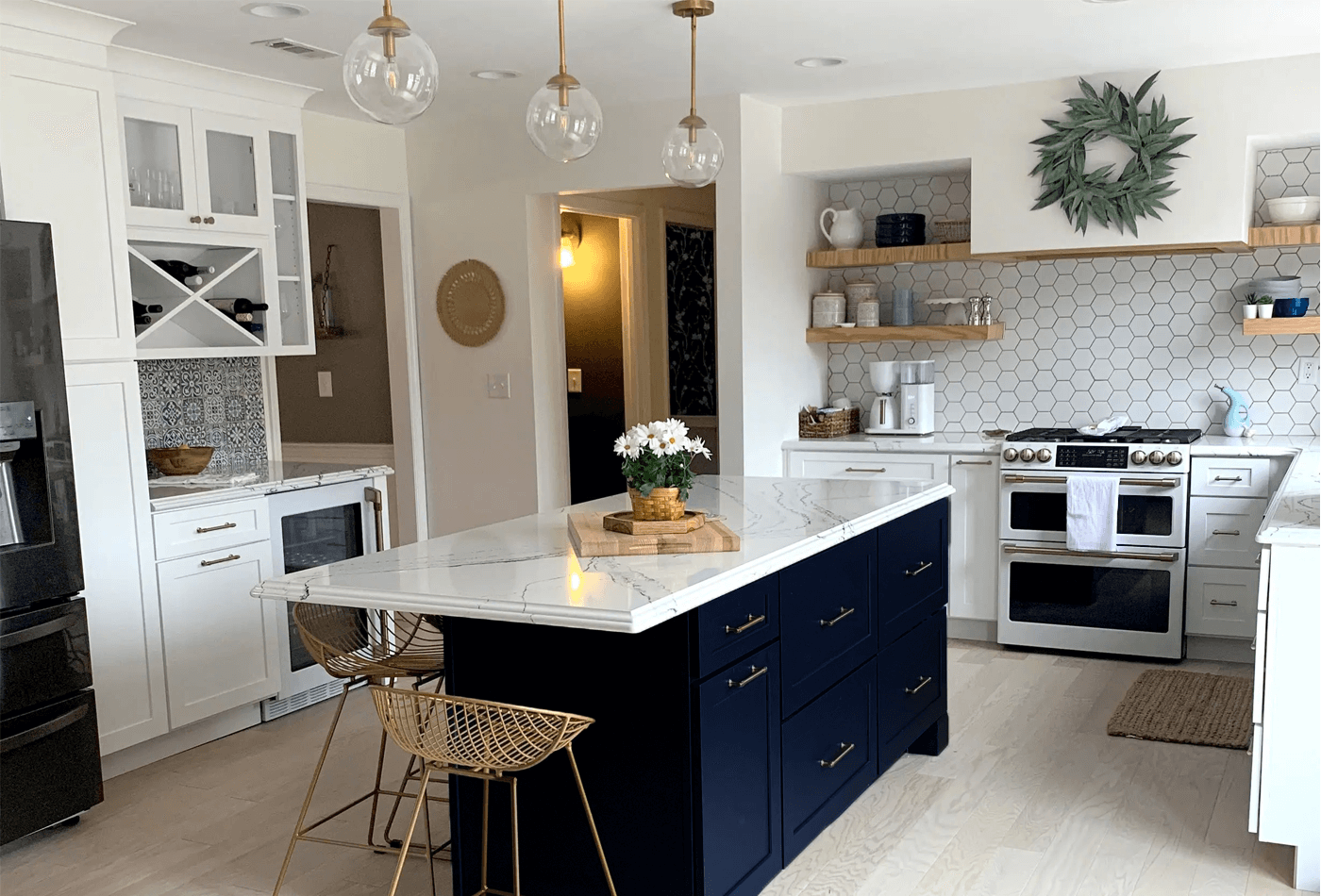
Image Source: dropinblog.net
Expert Guide: How Much Of An Overhang On A Kitchen Island?
How much overhang should your kitchen island have? This is a key question for any kitchen plan. A standard island overhang for comfortable seating is usually 12 inches. This gives enough knee room for most people. For bar stools, you need at least 9 inches of overhang. But 12 inches is much better for comfort. We suggest 12 to 15 inches of clear knee space. This makes sitting at the island much more comfortable. Choosing the right overhang size changes how your island looks. It also changes how well it works. This guide will help you pick the best overhang for your home.
The Importance of Island Overhang
An island overhang is more than just a design choice. It is about how you use your kitchen every day. The overhang is the part of the countertop that sticks out past the base cabinets. It creates a space for people to sit. It also protects your island cabinets from spills. A good overhang makes your island useful and comfortable.
Consider how your family uses the kitchen. Do you eat quick meals at the island? Do your children do homework there? Is it a place for guests to gather? The right overhang helps all these activities. It prevents bumping knees. It makes conversation easy. It also helps your kitchen flow well.
More Than Just Looks
Many people focus on how their island looks. But how it works is just as important. A well-designed overhang is key to a useful kitchen. It helps define zones in your kitchen. It creates a casual eating area. It gives extra workspace. Think about comfort first. Then, think about style. Both are important for a great kitchen.
Standard Overhang Depths for Islands
Knowing the common sizes helps you plan. Most kitchen islands have a standard overhang depth. These sizes work well for most homes. They balance comfort and space.
Deciphering Standard Sizes
A standard island overhang depth is often 12 inches. This depth is good for many reasons. It gives enough room for adults to sit. Their knees will not hit the cabinets below. This 12-inch size is widely used. Many kitchen designers recommend it.
Sometimes, you might see an 18-inch overhang. This is more common for larger islands. It offers even more legroom. It can make a seating area feel more like a table. For smaller spaces, some people use a 9-inch overhang. This is the minimum for bar stools. It saves space. But it might not be as comfortable for long periods.
Table 1: Common Island Overhang Depths
| Overhang Depth | Purpose / Use Case | Comfort Level |
|---|---|---|
| 6 inches | Minimum for standing, quick snacks. Not for sitting. | Low (No seating comfort) |
| 9 inches | Minimum for bar stools. Saves space. | Basic (Slightly tight) |
| 12 inches | Standard for bar stools/counter chairs. Good knee space. | Good (Comfortable) |
| 15 inches | Extra knee space. Very comfortable. | Excellent (Very comfortable) |
| 18 inches | Table-like seating. For very deep islands. | Deluxe (Ample room) |
Grasping How Depth Affects Usage
The depth of your overhang directly impacts its use. A 12-inch overhang works well for quick meals. It is also good for a coffee break. If you plan to work or dine for hours, a deeper overhang is better. A 15-inch or 18-inch overhang gives more room. It lets people cross their legs. It also lets them lean back a bit.
If your island is narrow, a deep overhang might make the kitchen feel crowded. Balance the overhang with the overall kitchen size. Always think about how much walk space you need around the island.
Kitchen Island Seating Dimensions
Seating is a main reason for an island overhang. Getting the dimensions right is key. It makes sure your seats fit and are comfortable.
Matching Overhang to Stool Type
The height of your island countertop is important. It affects the height of the stools you need.
* Counter Height: Most kitchen islands are 36 inches high. This is the same height as kitchen counters. You will need counter-height stools. These stools usually have a seat height of 24 to 26 inches.
* Bar Height: Some islands are built higher. These are often 42 inches tall. This is “bar height.” You will need bar-height stools. These stools usually have a seat height of 29 to 30 inches.
Minimum Overhang for Bar Stools
For bar stools, the minimum overhang needed is 9 inches. This is a tight fit. It allows a stool to slide in. But people’s knees might touch the cabinet fronts. For better comfort, aim for 12 inches. This gives enough space for knees to be free. It lets people sit closer to the counter.
When choosing bar stools, think about their base. Some stools have a wide base. Others have legs that splay out. Make sure the base fits under the overhang. Also, think about how wide each person needs. Allow about 24 inches of width per person. This keeps people from bumping elbows.
Table 2: Seating Space Guidelines
| Seating Type | Counter Height (inches) | Stool Height (inches) | Minimum Overhang (inches) | Recommended Overhang (inches) | Width Per Person (inches) |
|---|---|---|---|---|---|
| Counter Stool/Chair | 36 | 24-26 | 9 | 12-15 | 24 |
| Bar Stool | 42 | 29-30 | 9 | 12-15 | 24 |
| Table-Height Seating | 30 | 18-20 | 15 | 18 | 24-30 |
Breakfast Bar Overhang Size
A breakfast bar overhang size often matches standard seating needs. If your island has a dedicated breakfast bar, it might be slightly higher. A 42-inch high breakfast bar needs bar stools. Its overhang should still be at least 9 inches, but 12-15 inches is best. A deeper overhang makes it more inviting. It lets people enjoy their meal without feeling cramped.
Think about the flow around the breakfast bar. Is there enough space behind the stools? People need room to pull out their chairs and walk by. Allow at least 36 inches of clear path behind the seating. More is always better if you have space.
Ensuring Comfortable Island Legroom
Comfort is king when it comes to kitchen island seating. Good legroom means people can sit for a long time. They will not feel cramped or uncomfortable.
Recommended Island Knee Space
We recommend 12 to 15 inches of clear knee space. This is how much room you have from the edge of the overhang to the cabinet below. This space allows legs to extend naturally. It prevents knees from hitting the cabinets. For taller people, 15 inches is even better. It gives more freedom to move.
If the overhang is too shallow, people will sit hunched over. They will feel like they cannot get close enough. This is not comfortable for eating or talking. It also makes it harder to use a laptop or do homework.
The Impact of Countertop Thickness
The thickness of your island countertop also affects legroom. A very thick countertop will reduce the usable knee space. For example, if you have a 12-inch overhang but a 2-inch thick counter, your actual knee space might feel less. Most counters are 1 to 1.5 inches thick. This is usually fine. But if you pick a thicker material, factor that into your legroom calculations.
Accounting for Different Users
Think about who will use your island. Are there kids? Adults? Tall people? Shorter people? A deeper overhang (15 inches) gives more options. It allows different body types to sit comfortably. It is always a good idea to test out the seating. If you are building new, try sitting at a similar setup in a showroom. See how it feels.
Tips for Maximizing Comfort:
- Measure your bar stools. Make sure their height is right for your counter.
- Allow enough width. Each person needs at least 24 inches side-to-side.
- Consider adjustable stools. These can fit different people better.
- Add footrests. Stools with footrests are more comfortable for long sitting.
Island Countertop Support: A Critical Factor
A long overhang looks great. But it needs strong support. Countertops are heavy. They can crack or break without proper support. This is very important for stone or quartz.
Why Support is Essential
Imagine a long, heavy stone slab. If it hangs out too far without support, gravity will pull it down. Over time, it can sag. It can even crack or break off. This is a safety risk. It is also a costly repair. Proper support keeps your counter stable. It prevents damage. It makes your island safe to use.
Types of Island Countertop Support
There are several ways to support an island overhang. The best method depends on your countertop material. It also depends on the overhang depth.
- Corbels: These are decorative brackets. They attach to the cabinet. They extend out to hold the counter. They can be made of wood, metal, or stone. Corbels add a nice design touch. But they can get in the way of knee space. They work best for overhangs up to 12 inches.
- Steel Plates/Brackets: These are flat pieces of steel. They are hidden under the countertop. They attach to the island structure. Steel plates are very strong. They offer clear knee space because they are thin. They are great for deep kitchen island overhangs. You will not see them once the counter is on.
- Cantilevered Supports: This means the counter is built directly into the island structure. It has strong hidden supports within the island itself. This creates a very clean look. It is common for cantilever island designs.
- Legs or Columns: For very long or very deep overhangs, you can add legs or columns. These go from the floor up to the counter. They provide direct support. They can be decorative. But they will take up floor space. They also mean less open knee room.
- Plywood Substrate: For stone counters, plywood is often placed on top of the cabinets first. The stone then sits on the plywood. The plywood itself can extend a bit past the cabinet. This helps distribute the weight. But it still needs stronger support for longer overhangs.
Table 3: Overhang Support Guide
| Overhang Depth (inches) | Counter Material | Recommended Support Type(s) | Notes |
|---|---|---|---|
| Up to 6 | Any | No additional support usually needed | Counter often secured to cabinets. |
| 6 – 10 | Stone, Quartz | Corbels, Steel L-brackets (small) | Check material manufacturer guidelines. |
| 10 – 15 | Stone, Quartz | Steel plates/flat brackets, Heavy-duty corbels, Hidden supports | Most common range, requires careful planning. |
| 15 – 18+ | Stone, Quartz | Steel plates/cantilevers, Legs/Columns, Welded steel frame | Essential for deep overhangs; often custom-fabricated. |
| Any (Laminate, Wood) | Laminate, Wood | Typically relies on cabinet support, some L-brackets | Lighter materials, but still need support for very long overhangs. |
When to Use Specific Supports
For a 12-inch overhang with stone, hidden steel plates are often the best choice. They provide strength without blocking legroom. For deep kitchen island overhangs (15 inches or more), a custom-fabricated steel frame inside the island is often necessary. This is especially true for heavy stone. Always check with your countertop fabricator. They know the weight and needs of their materials. They can tell you exactly what support is required.
Special Island Designs and Overhangs
Not all islands are the same. Some designs need special thought about the overhang.
Deep Kitchen Island Overhangs
A deep kitchen island overhang is more than 15 inches. These are great for making a true dining spot. They allow full leg extension. They make it easy to push chairs all the way in. This design feels more like a table. It is very comfortable for meals or long work sessions.
But deep overhangs need serious support. A custom steel frame built into the island base is often the best choice. This frame supports the entire counter evenly. It keeps it stable. You also need a wide enough island to begin with. A deep overhang on a narrow island will look unbalanced. It can also be a tripping hazard. Make sure your kitchen has enough space for a deep island and its seating.
Cantilever Island Design
A cantilever island design looks very modern. The countertop appears to float with no visible support. It sticks out without legs or corbels underneath. This clean look is achieved with very strong, hidden supports. Steel beams are often built into the island’s structure. These beams extend out under the counter. They are welded or bolted very securely.
This design is often more complex to build. It can be more costly. But the result is stunning. It offers maximum legroom. There are no obstacles under the counter. If you want a sleek, minimalist look, a cantilever design is a great choice. Always work with an experienced builder for this type of island. Safety is key.
Overhang for Kitchen Peninsula
A kitchen peninsula is like an island that is attached to a wall. It has three open sides. The overhang principles are similar to an island. If you plan to have seating on a peninsula, you need the same overhang depth. Usually, 12 inches is recommended for comfortable seating.
Points for a Peninsula:
- Seating Direction: People will likely sit on the open sides. Plan your overhangs on these sides.
- Traffic Flow: Make sure the overhang does not block walkways. A peninsula can sometimes make a kitchen feel more closed off if not planned well.
- Support: Just like an island, a peninsula overhang needs proper support. Steel brackets are often a good choice. They keep the space open.
Planning Your Island Overhang
Careful planning saves you trouble later. Think about your needs and your space.
Measuring Your Space Accurately
Before you decide on an overhang, measure your kitchen.
* Total Kitchen Size: How big is your kitchen? A large overhang in a small kitchen can block pathways.
* Walkways: You need at least 36-42 inches of clear walkway around the island. This includes space behind the pulled-out chairs.
* Island Size: What is the maximum size your island can be? This includes the base cabinets and the overhang.
Draw your kitchen layout on paper. Use graph paper or a design tool. Mark where appliances are. Mark where doors open. This helps you see if an overhang fits.
Design Tips for Best Function
- Consider the “Work Triangle”: The path between your sink, stove, and fridge. Make sure the island does not break this path. The overhang should not get in the way.
- Seating Arrangement: Will people sit side-by-side? Or facing each other? This affects the length and depth of the overhang needed.
- Power Outlets: Plan for outlets in your island. These are very useful. They can be hidden under the overhang or on the side.
- Lighting: Good lighting over the island is important. Make sure it highlights the seating area.
- Material Choice: Think about how easy your chosen countertop material is to clean. An eating area will see spills.
Balancing Aesthetics and Practicality
Your island should look good. It also needs to work well. Do not sacrifice comfort for looks. And do not sacrifice safety for a certain design. A balanced approach is best. If a very deep overhang is your dream, make sure it is safe. Make sure it fits your kitchen. If space is tight, a smaller, well-supported overhang is better than a large, unsafe one.
Common Mistakes to Avoid
Many problems with kitchen islands come from poor planning. Learn from common errors.
Overhang Too Shallow
This is a big mistake. A shallow overhang (less than 9 inches) makes seating very uncomfortable. People will have to lean far forward. Their knees will hit the cabinets. They might not even be able to sit close enough to the counter. This makes the seating area almost useless. Always prioritize at least 9 inches, but aim for 12-15 inches.
Lack of Proper Support
Another major error. If your overhang is too long or heavy for its support, it will fail. This can mean cracks. It can mean breakage. It can be dangerous. Never skimp on support for stone or quartz countertops. Always follow the fabricator’s recommendations. For DIY projects, research support needs carefully.
Blocking Walkways
A kitchen island should improve flow, not hinder it. If your overhang extends too far into a walkway, it creates a bottleneck. People will bump into it. It can be hard to open appliance doors. Make sure you have at least 36 inches of clear path around all sides of your island. This is the minimum. More space is better, especially in busy kitchens.
Forgetting Electrical Outlets
An island is a hub. You will want to charge phones. You will want to plug in small appliances. Forgetting outlets means running extension cords. This is messy and unsafe. Plan for outlets during the design phase. Building codes often require them.
Ignoring Countertop Edge Profiles
The edge profile of your countertop can affect perceived comfort. A very sharp or thin edge might feel less comfortable to lean on. A rounded or eased edge is often better for seating areas. It is smoother and safer.
Maintenance and Care for Island Overhangs
A well-designed overhang needs care to last.
Cleaning Your Countertop
The overhang area will see a lot of use. Keep it clean. Wipe spills quickly. Use cleaners safe for your countertop material. Stone needs specific cleaners. Laminate can handle most household sprays. Regular cleaning keeps your island looking new.
Inspecting Support Systems
Periodically check your overhang supports. Look for any signs of loosening. Check for cracks near where the support meets the counter or cabinet. If you see anything, address it right away. This is especially true for older islands. Wood corbels can sometimes loosen over time.
Protecting Edges
The edges of your overhang can get chipped. Be careful when moving chairs. Avoid hitting the edge with heavy objects. If you have children, consider a rounded edge profile. This is safer and less likely to chip.
Conclusion: Designing Your Perfect Island Overhang
Choosing the right kitchen island overhang is a balance. It blends comfort, safety, and style. A standard island overhang depth of 12 inches is a great starting point for most homes. This provides comfortable island legroom and knee space for kitchen island seating dimensions. Remember the minimum overhang for bar stools is 9 inches, but more is better.
Always factor in island countertop support. This is vital, especially for deep kitchen island overhangs or a cantilever island design. Do not forget the specific needs for an overhang for kitchen peninsula too. Plan your space carefully. Think about how you use your kitchen. With good planning, your island will be a cherished part of your home. It will be both beautiful and highly functional.
Frequently Asked Questions (FAQ)
Q1: What is the ideal overhang for an island where kids will sit?
A1: For kids, 12 inches of overhang is usually enough. For taller children or growing teens, 15 inches gives extra comfort. Ensure the chairs are the right height for kids to reach the counter easily.
Q2: Can I have a double-sided island overhang?
A2: Yes, you can. A double-sided island means seating on two opposite sides. This needs a very wide island. Each side would need its own overhang (e.g., 12 inches on one side, 12 inches on the other). The total depth of the island would be cabinets + 12″ overhang + 12″ overhang. This design creates a social space. It needs more floor space around it.
Q3: How do I know if my existing island overhang needs more support?
A3: Look for signs of sagging or cracking in the countertop. If the overhang wiggles when you push on it, it may need more support. If it is stone or quartz and extends more than 10 inches without visible support, it is wise to consult a professional. They can check if it is safe.
Q4: What is the difference between counter height and bar height overhangs?
A4: Counter height overhangs match standard kitchen counters (36 inches high). Bar height overhangs are taller (42 inches high). The needed overhang depth is similar for both (9-15 inches). But the stool height will be different.
Q5: Can I add an overhang to an existing island?
A5: Often, yes, you can. This depends on your island’s structure. You might need to add a new countertop that extends further. This new counter will need proper support. Talk to a contractor or countertop specialist. They can tell you if it is possible and how to do it safely.